



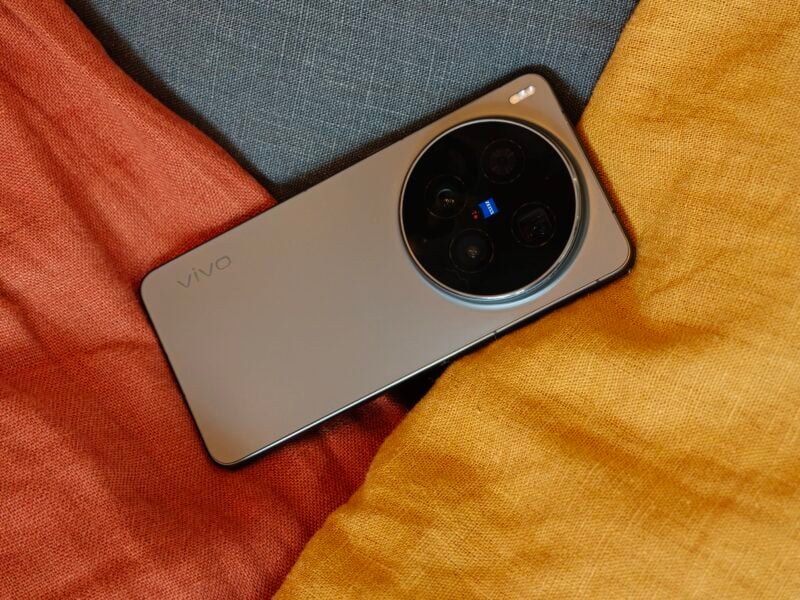
There is a phone in 2026 that out-cameras the Galaxy S26 Ultra, lasts two days on a charge, and ships with a seven-year update promise. The catch is that you almost certainly can't buy it where you live. This is the Vivo X300 Ultra, and after a month with the black model, including ten days shooting across China, it's proven itself one of the very best camera phones you can buy in 2026.
Design
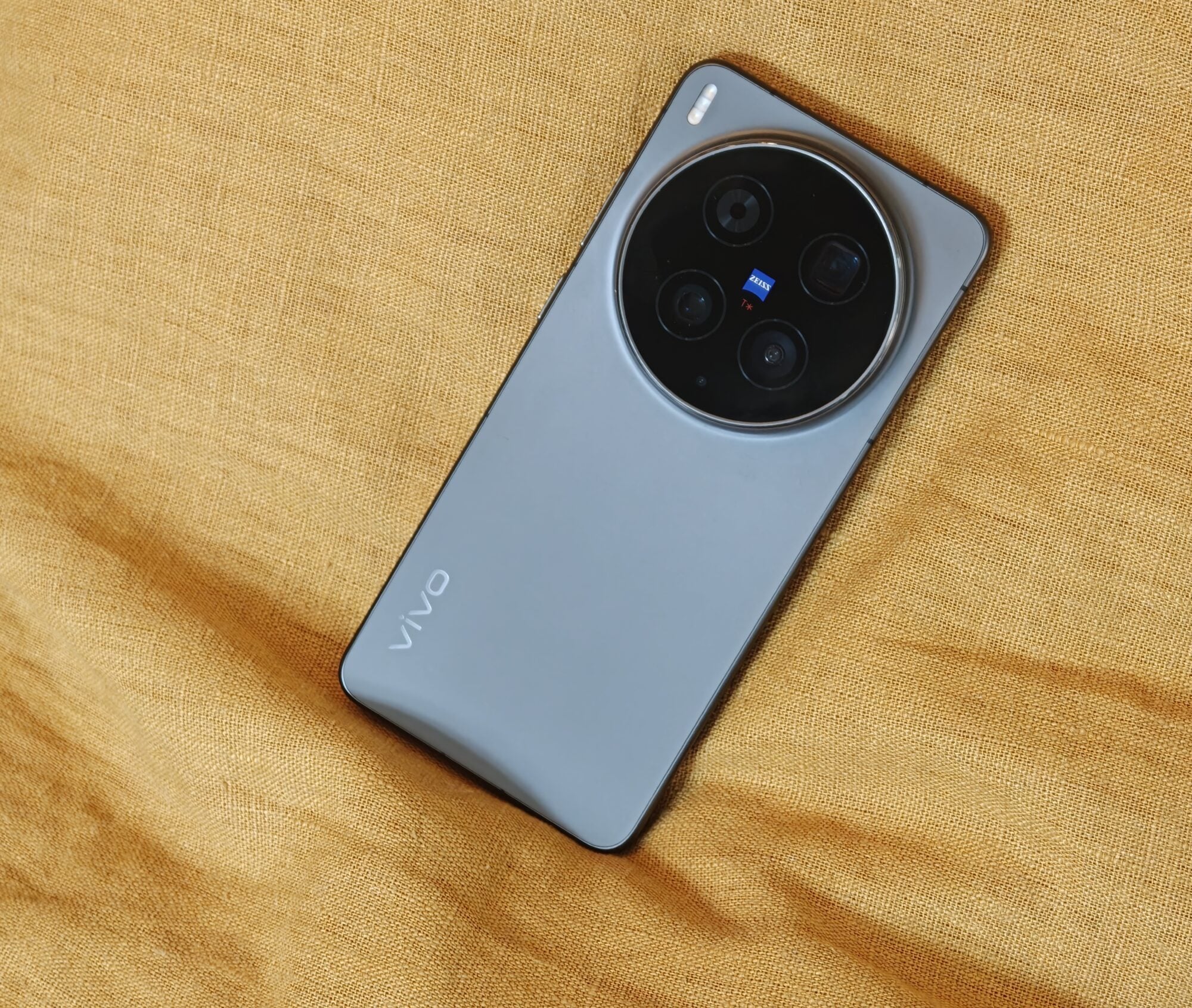
The black colorway uses a glass back that's a touch slippery but keeps fingerprints at bay, and the beveled edges make a large phone genuinely comfortable to hold. It's a robust, top-heavy build, which is no surprise given the camera hardware bolted to the top half.
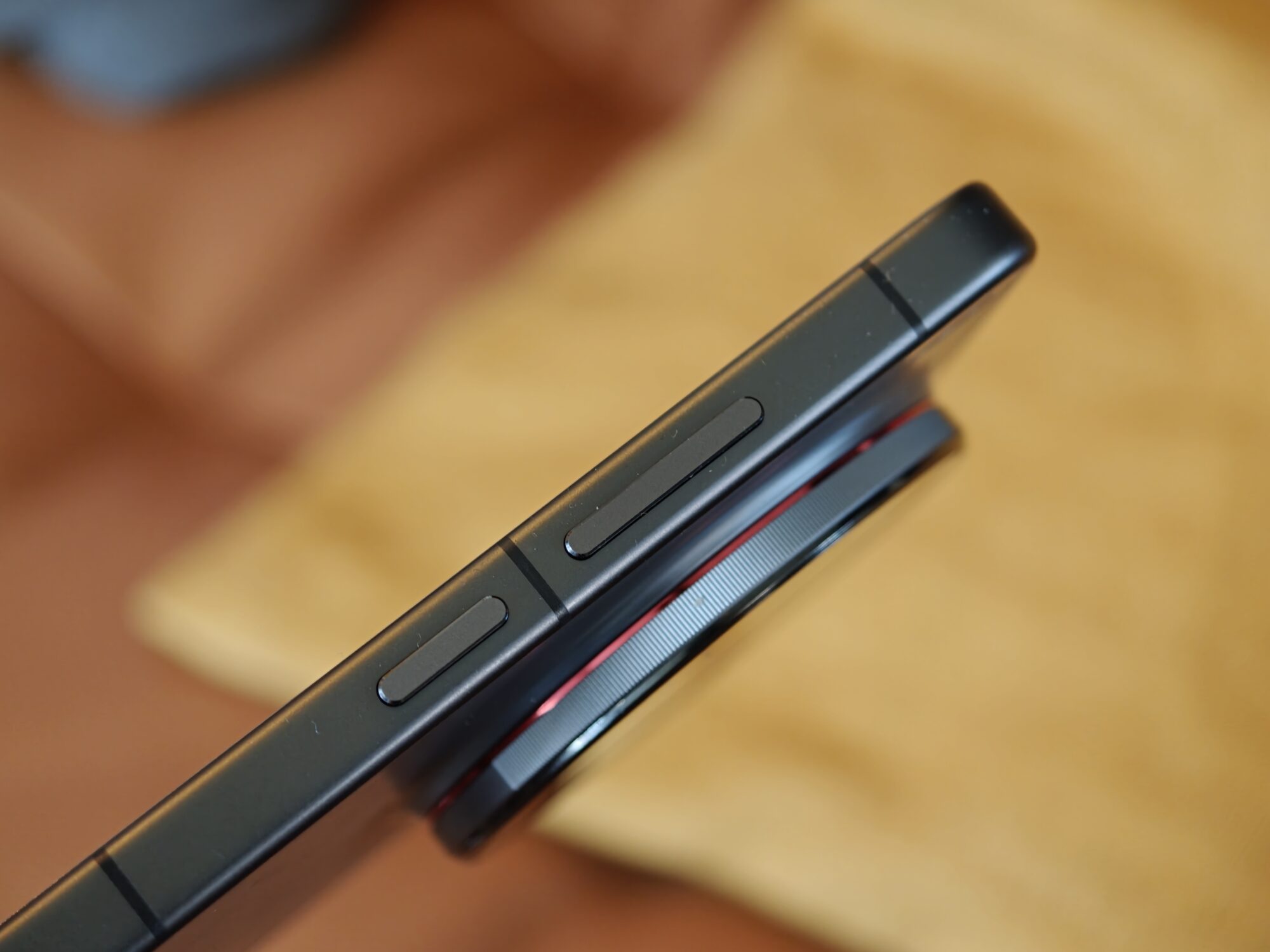
That camera housing protrudes a fair amount, close to the thickness of the phone itself, yet its central placement means the X300 Ultra sits flat on a table without rocking. Build quality is about as good as it gets in 2026, with IP68 and IP69 ratings that match or beat what Samsung offers.
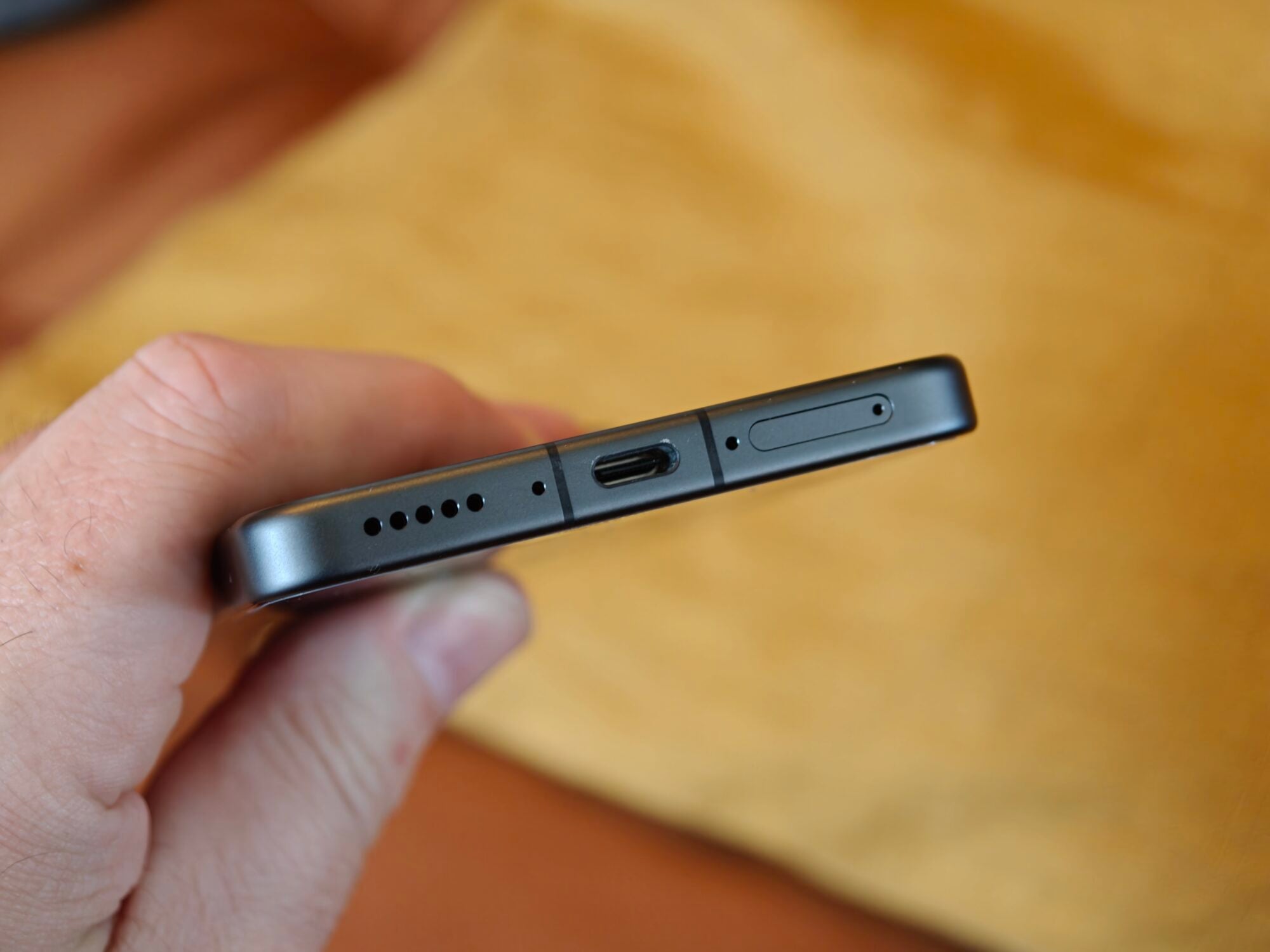
The detail I appreciated most is what Vivo left off. There's no gimmicky action button and no touch-sensitive camera key getting in the way. Vivo resisted the urge to clutter the frame, and the phone is better for it.
Display
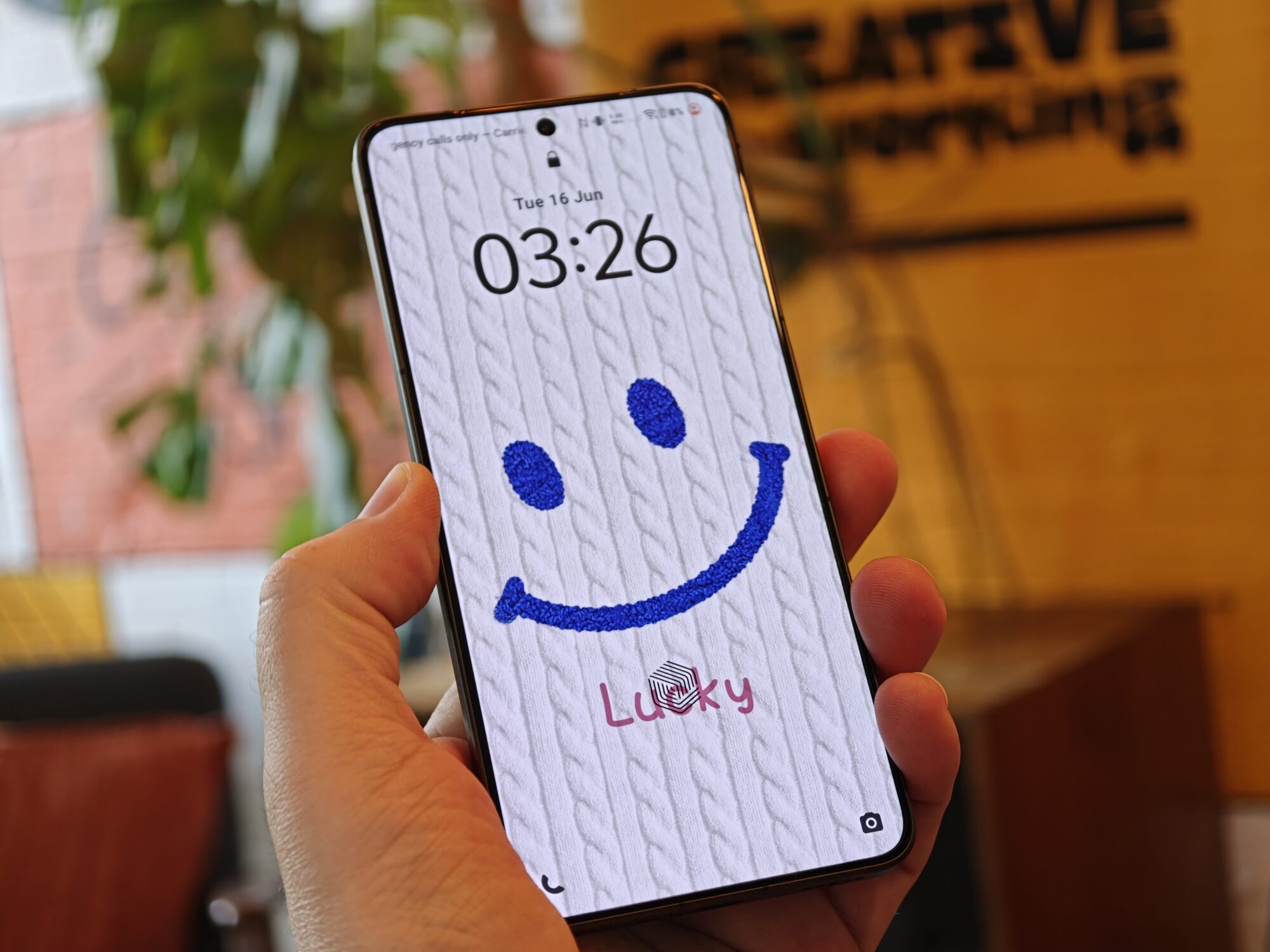
The display performs exactly as a flagship panel should, indoors and out. The 6.82-inch 8T LTPO AMOLED hits 4500 nits at peak, so it stays readable in UK daylight and accurate out of the box, with a vivid mode in settings for anyone who wants the colors pushed harder. Dolby Vision and HDR10+ are both on board.
The 144Hz panel feels slick across the board, with accurate touch response in everything from scrolling to gaming. The only nitpick is auto-brightness, which occasionally needs a manual nudge when lighting shifts quickly, and that's true of almost every phone.
Performance
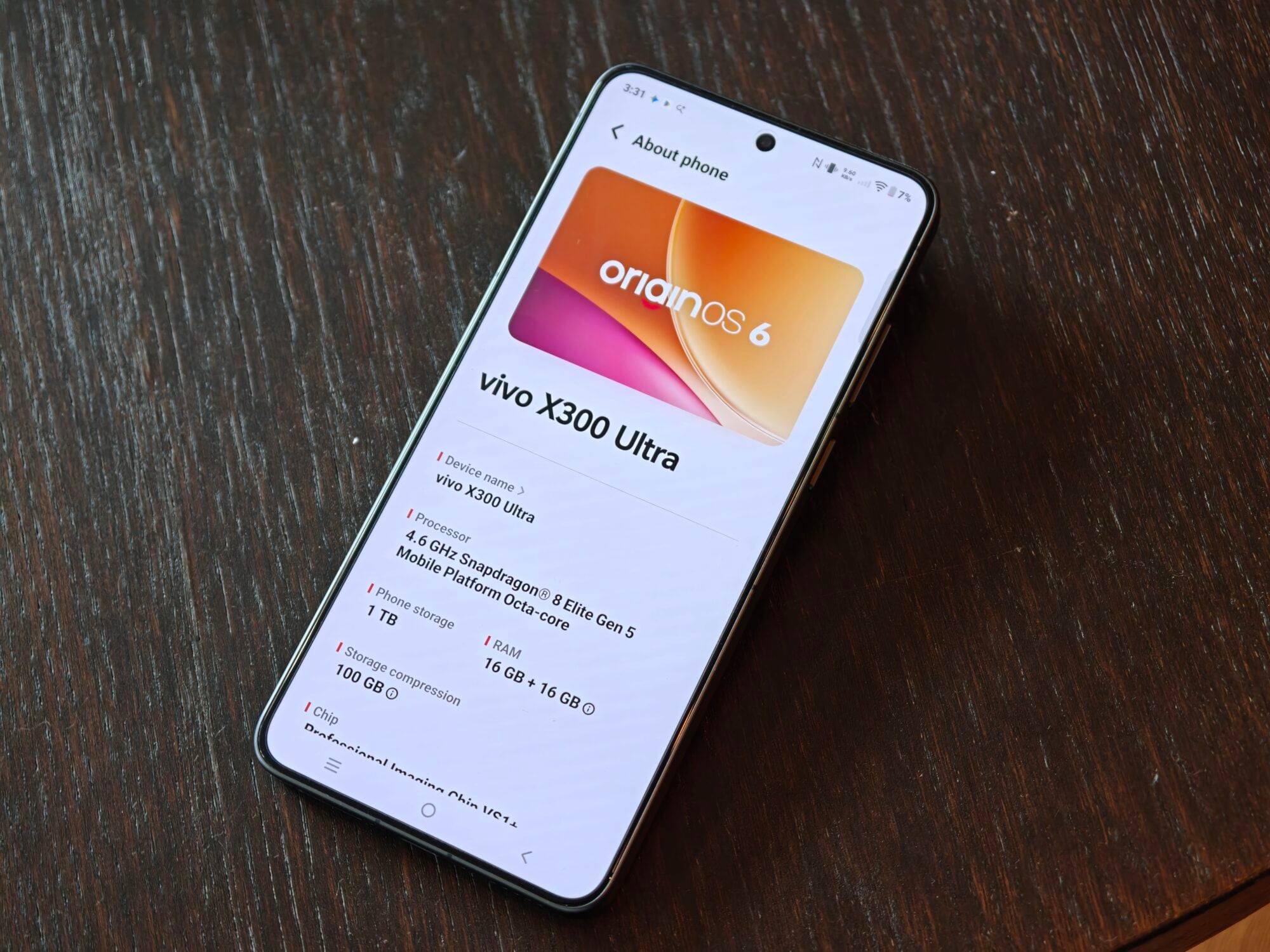
Qualcomm's Snapdragon 8 Elite Gen 5 handles everything thrown at it. Multitasking, gaming, and split-screen scenarios all stay snappy, with zero stutters and no meaningful thermal throttling even under sustained load. Vivo's internal insulation clearly does its job.
I ran extended Call of Duty Mobile sessions without any unusual heat spikes. A month in, OriginOS hasn't developed the slowdown or random stutter that creeps into a lot of skins after the honeymoon period, and RAM management kept apps alive without aggressive culling. It's as slick now as it was on day one.
Battery
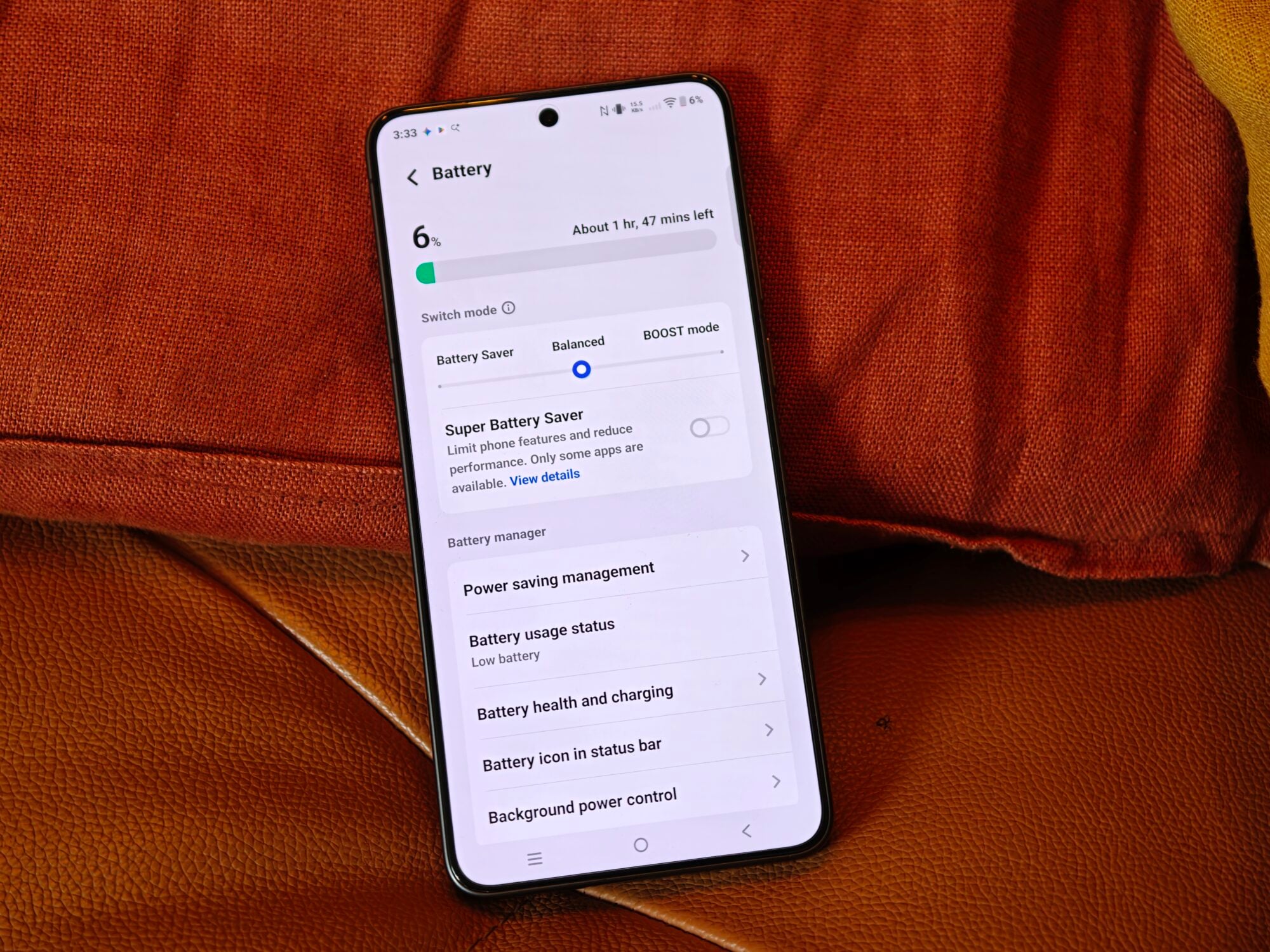
This is where the X300 Ultra quietly shows off. The 6,600mAh battery is good for two days of regular browsing and scrolling, and a long-haul flight of ten-plus hours of video barely dented it. Across ten days in China, shooting photos and video around tourist spots and then browsing and streaming on the commute between them, it still left plenty in the tank.
A light day leaves enough for a second light day, while a heavy day lands you at 10 to 20 percent by bedtime. The 100W wired charging refills the phone in about an hour, and even a five to ten minute top-up delivers a meaningful bump. Wireless charging works fine at 40W, but the battery capacity and wired speed mean you'll rarely reach for it. After a month of daily charging, I've seen no meaningful drop in how long it lasts, which is what you want from a phone you might be importing at a premium.
Software and features
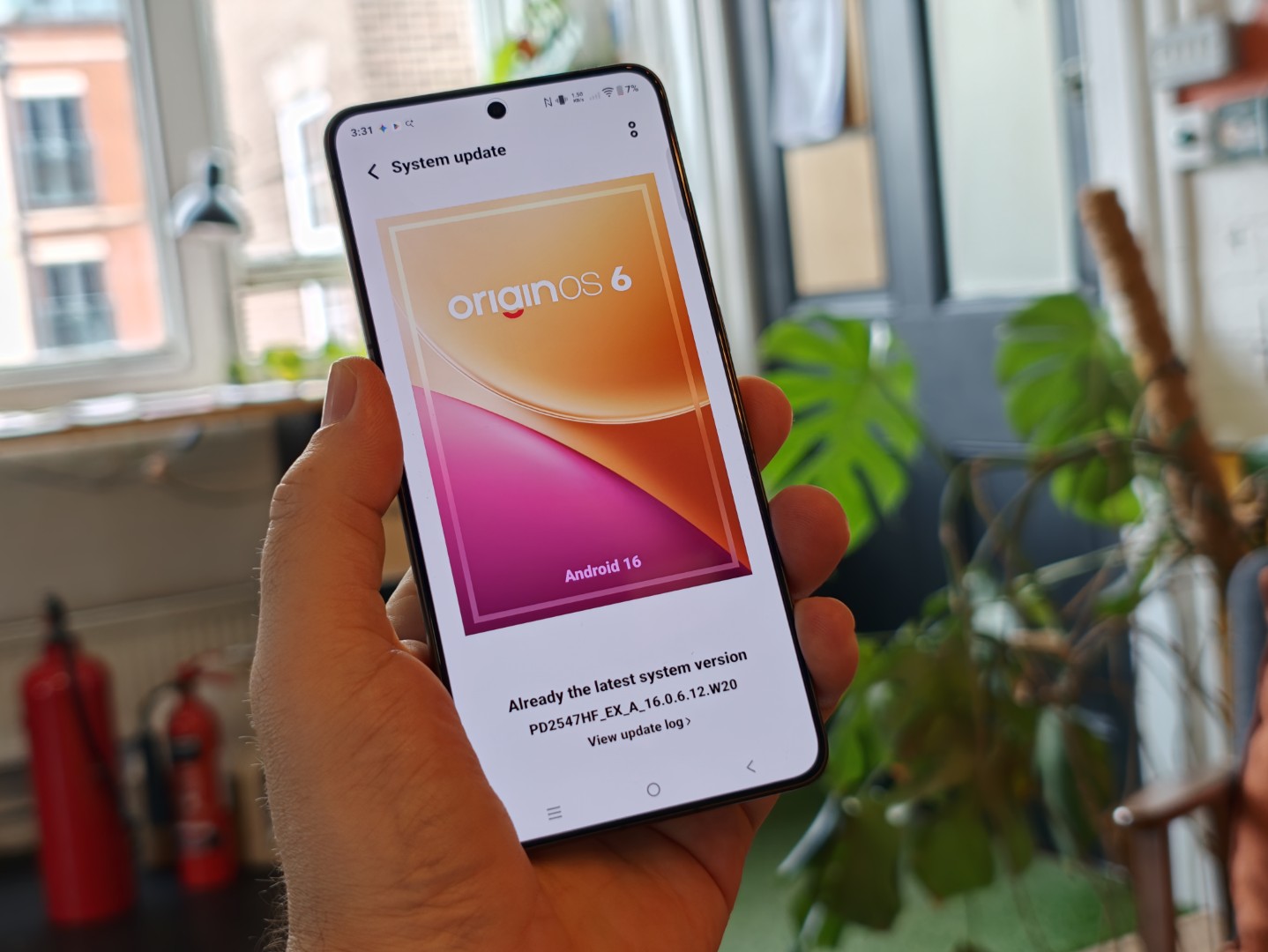
OriginOS 6 is one of the better Android skins going, and the global build, the one most of you will care about, gets the balance right. It layers in genuine customization and freedom without gutting the parts of stock Android that work. You get the automatic wallpaper-based theming familiar from stock Android, but you can also tune it all by hand.
The customization runs deep. You can reshape the home screen grid, swap icon styles, apply themes, and tweak the Always-On Display, right down to the fingerprint unlock icon and the face-unlock animation. Gesture control is generous too, with a configurable swipe-down to pull the notification shade or call up system search, and a double-tap to wake or sleep the screen. There's a one-handed mode for reaching the top of that tall display, plus split-screen, windowed apps, and a side panel for quick multitasking.
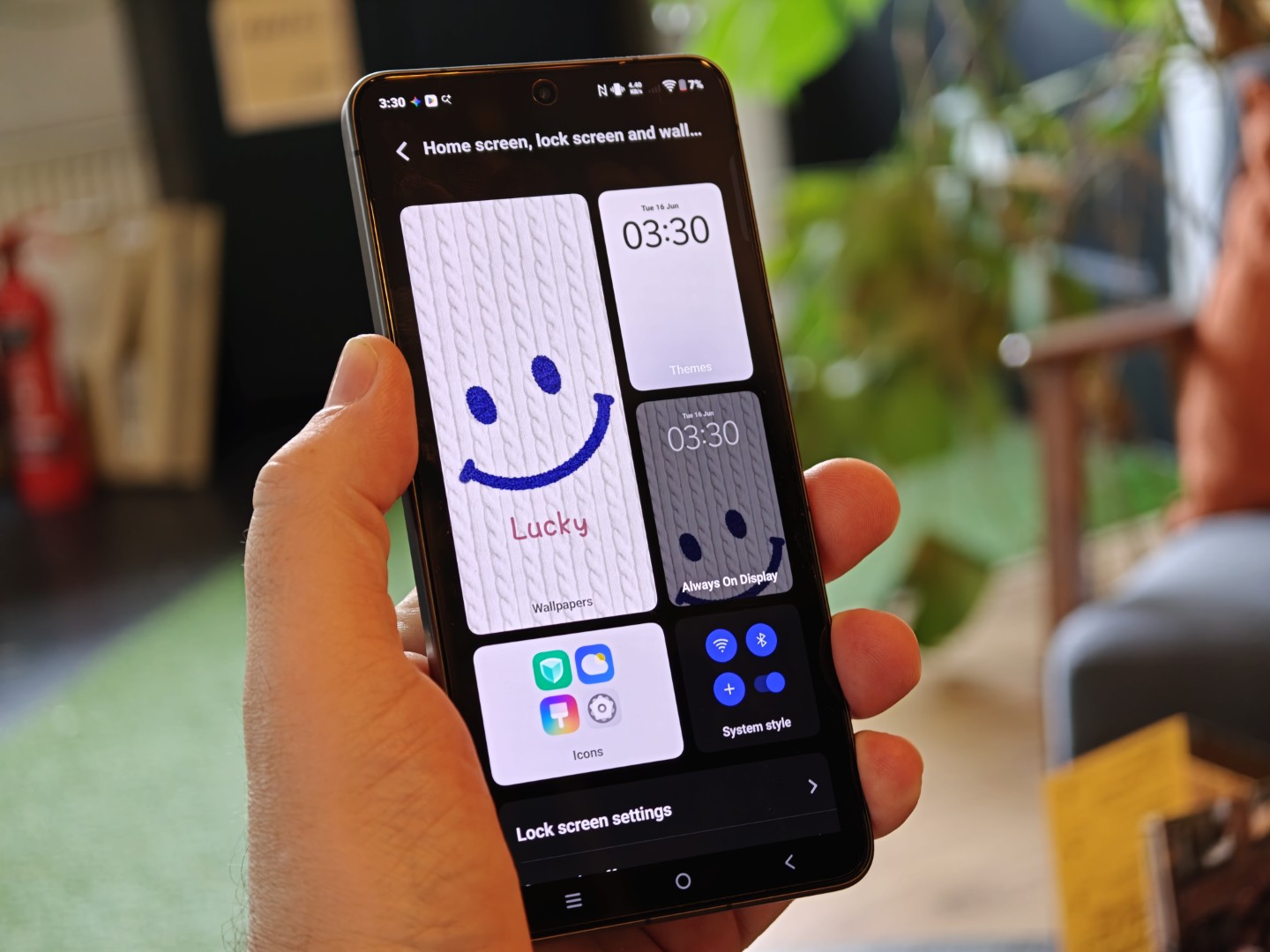
Vivo also bundles the usual grab bag of motion and shortcut extras, along with a Simple Mode that strips the home screen back to a cleaner, larger layout for anyone who finds modern Android busy. It's the kind of skin that rewards a poke through the settings.
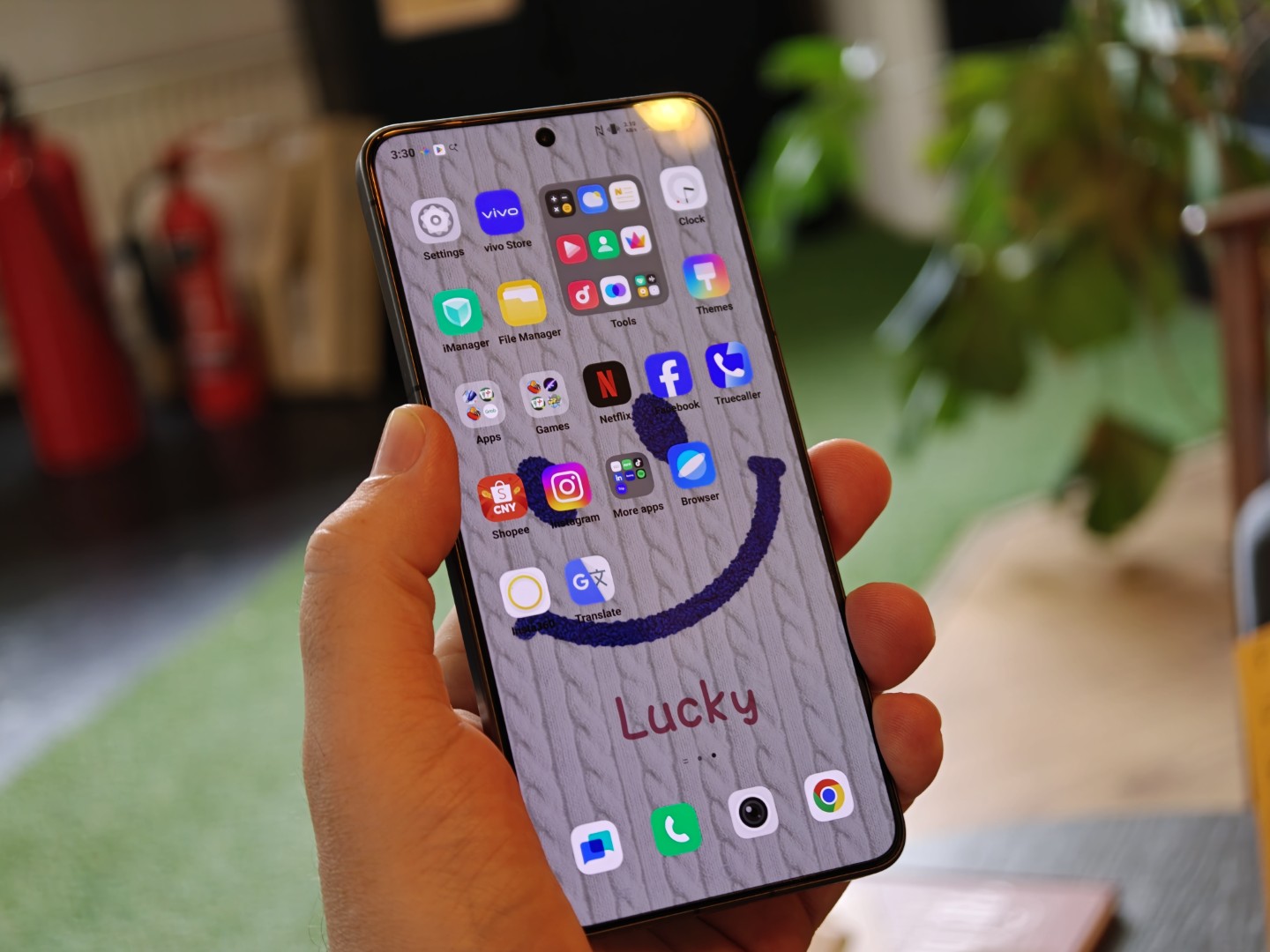
Now the housekeeping. You'll spend a few minutes uninstalling bloatware out of the box, which is worth the effort. The one real irritation is the V-Appstore, which can't be removed or disabled, so you'll need to strip its permissions in Settings to stop it sending notifications or opening links.
Vivo's update commitment is excellent: five major Android upgrades and seven years of security patches. The ability to keep games running in the background instead of being killed is a genuine convenience, and bypass charging is a welcome addition for heavy gamers.
The Photography Kit
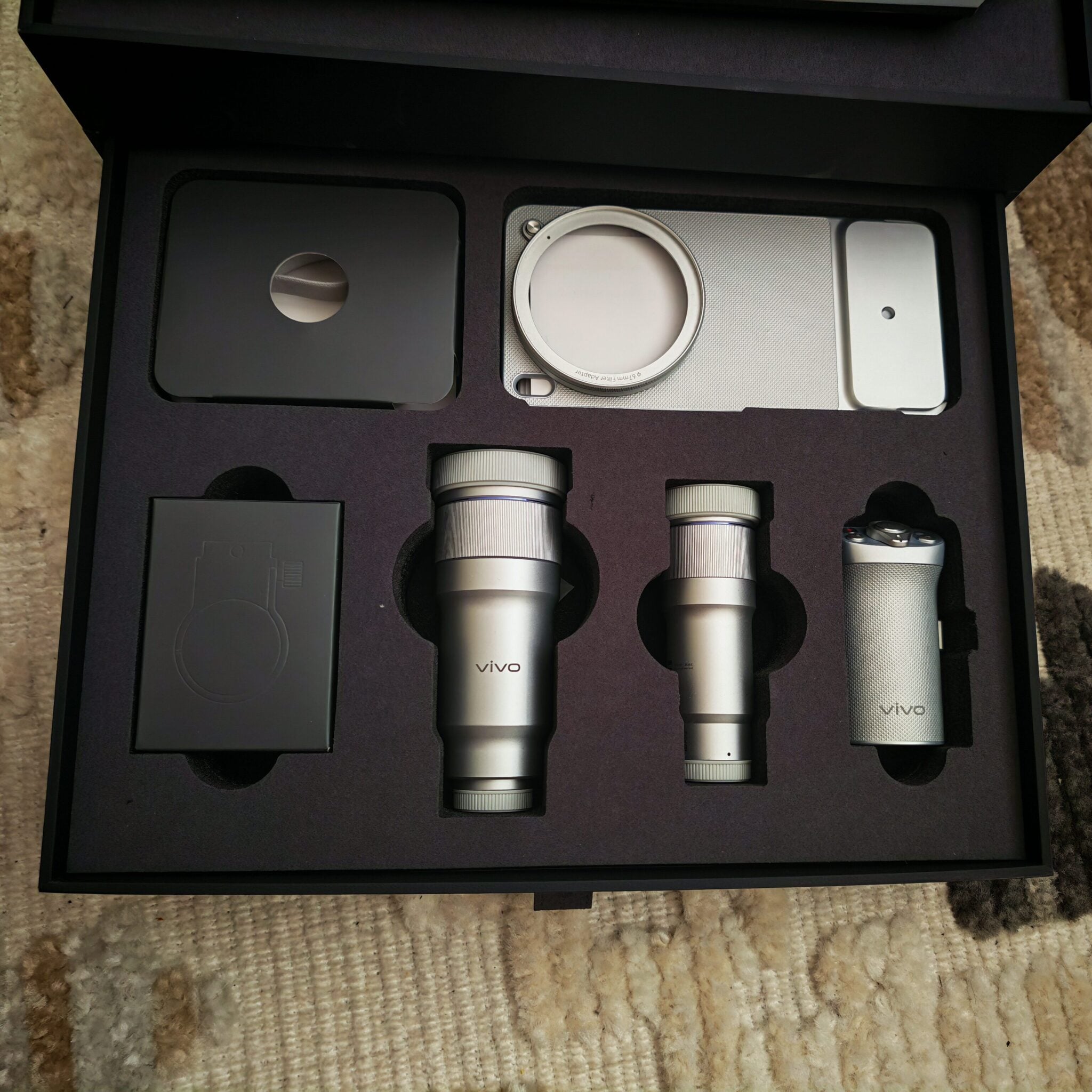
Vivo sells a Photography Kit, and it's a mixed proposition. It pairs a dedicated case with a camera housing ring and interchangeable telephoto lenses, which is impressive on paper. In practice, it removes the entire point of a smartphone camera.
Once assembled, the phone no longer fits in a pocket and becomes unwieldy to carry. If you absolutely need top-tier zoom and don't mind committing to a two-handed rig, the kit is a nice option to have. For everyone else, the phone's built-in cameras are more than enough.
Camera
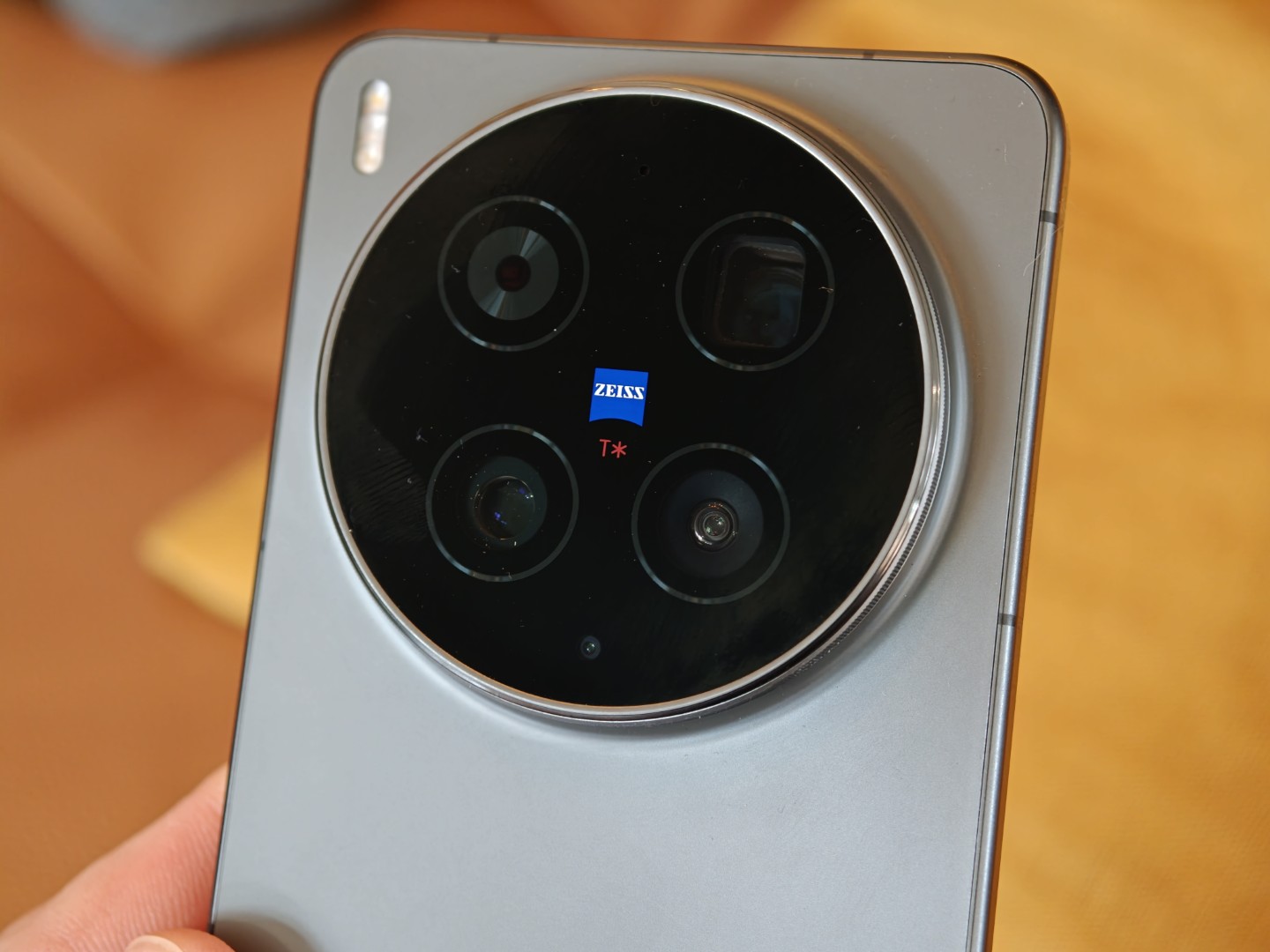
This is the headline act, and it delivers. The triple ZEISS system is unusual: both the 35mm main and the 85mm telephoto are 200MP, backed by a 50MP ultrawide. The 35mm leans on a large LYTIA 901 sensor, while the 85mm periscope uses a 200MP HP0 for reach.
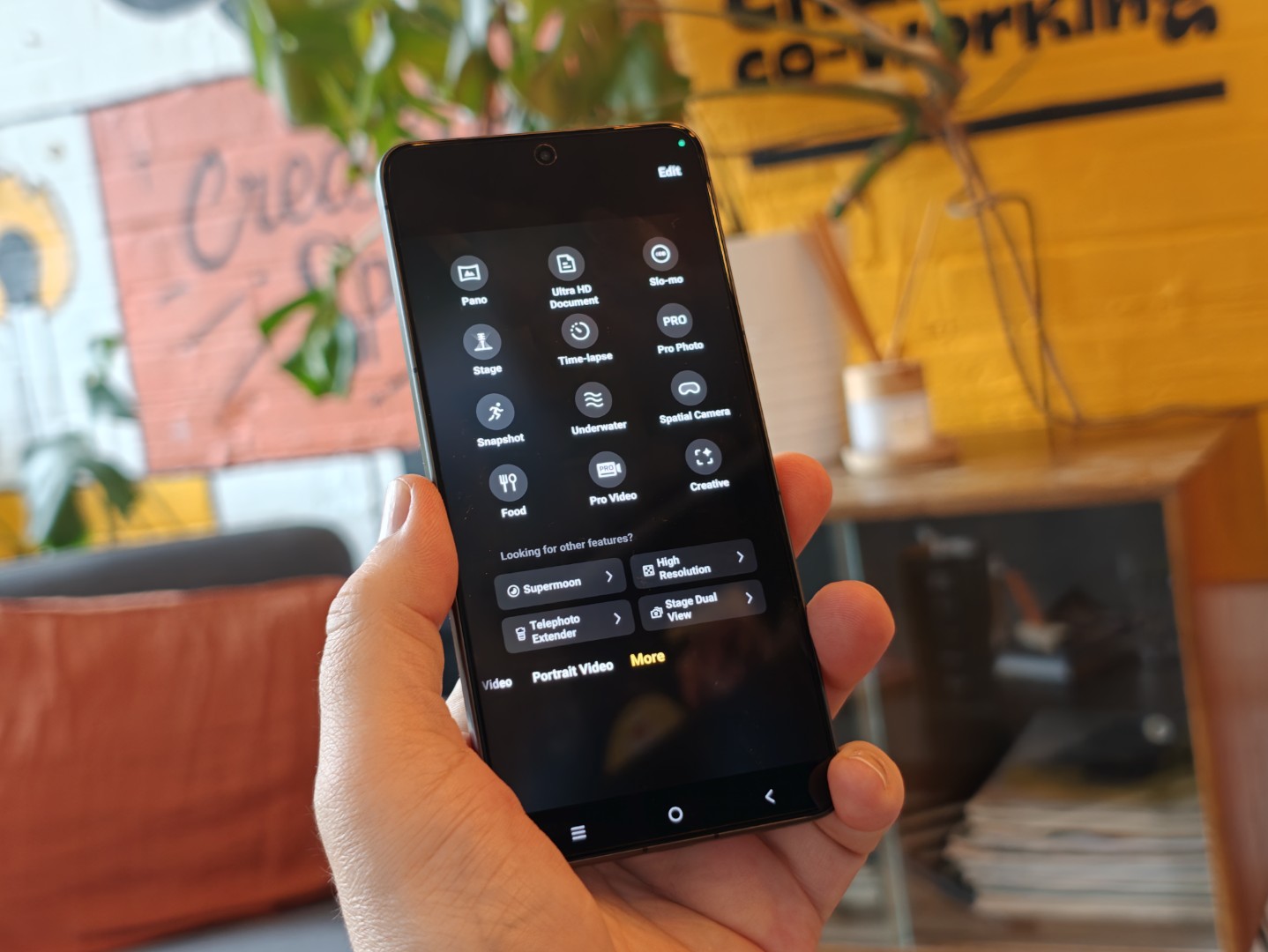
One note before the samples. Some of these shots were taken using Vivo's built-in camera filters and creative modes rather than a flat default profile, which is how a lot of people actually shoot. That means the look of any given frame, its warmth, contrast, or mood, may reflect a deliberate creative choice rather than the sensor's neutral rendering, so judge these on detail and intent rather than treating color as a pure hardware verdict.
Daylight
In good light the main sensor resolves architectural detail cleanly, pulling texture from tiled roofs and rendering dense greenery without smearing it into mush. Across a run of valley and lakeside frames the exposure stays composed under flat, cloudy skies, the kind of light that trips up lesser cameras into either blown highlights or muddy midtones. It's a confident, repeatable daylight performance.







Low light
Shooting inside a dim tram with bright daylight punching through the far end is a genuinely hard ask, and the X300 Ultra holds it together. Detail in the wooden ceiling and brass rails stays crisp, and the bright exterior doesn't bloom across the frame the way it would on a weaker sensor. The deepest shadows pick up some grain at the extremes, but the overall result is composed rather than chaotic, and the black-and-white frame in particular shows how well the tonal range survives when you lean into a creative mode.










Zoom
The 85mm periscope is the standout. Reaching across a valley to a hilltop building, it pulls in roof tiles, window frames, and tower detail with the kind of clarity that usually needs a dedicated camera. Crucially, the detail reads as real, resolved texture rather than the smeared, over-sharpened guesswork that lesser telephotos fall back on. Handheld, the keeper rate is high and the stabilization holds, which is exactly what you want from the lens you'll reach for most on a phone like this.




niceRunStatus: 1001; hdrForward: 0; shaking: 0.000000; highlight: 0; motionR: 0; algolist: 0;
multi-frame: 1;
brp_mask: 0;
brp_del_th: 0.0000,0.0000;
brp_del_sen: 0.0000,0.0000;
delta:1;
bokeh:1;
ispap:1;
papproctime: 2026:06:09 16:32:06;
module: photo;hw-remosaic: false;touch: (0.6271525, 0.5371877);sceneMode: 13631488;cct_value: 0;AI_Scene: (-1, -1);aec_lux: 154.49161;aec_lux_index: 0;albedo: ;confidence: ;motionLevel: -1;weatherinfo: weather:Cloudy, icon:1, weatherInfo:100;temperature: 38;zeissColor: richness;


Video

Video is just as strong. Footage came out steady even from my shaky hands, impressively so without the in-app stabilization switched on. The X300 Ultra leans hard on its Pro Video credentials, with 4K 120fps Dolby Vision and 10-bit Log on the menu, and unlike a lot of marketing claims, this one holds up in the real world.
“In my opinion, the Vivo X300 Ultra is the finest camera phone of the year”.
Verdict
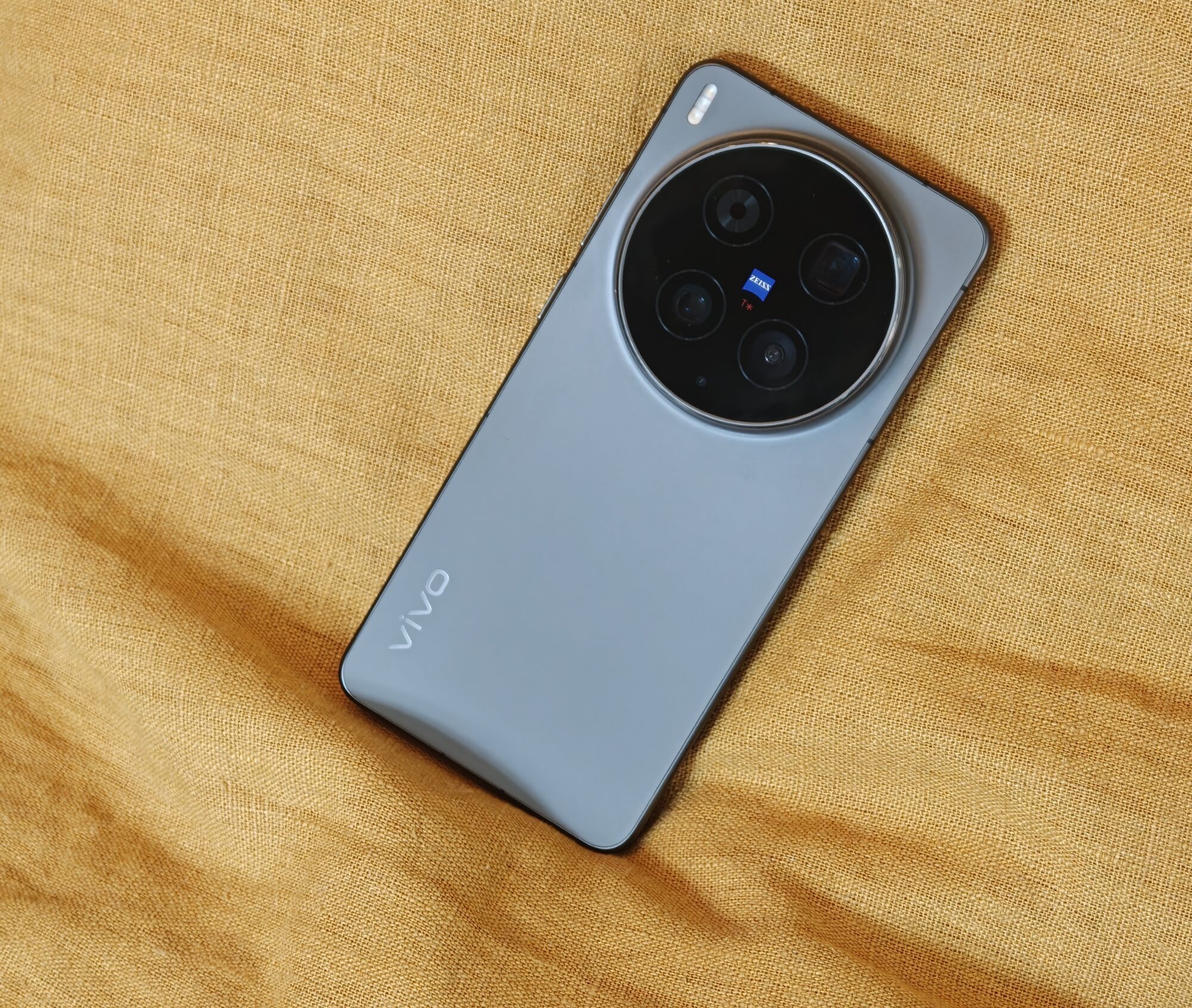
The Vivo X300 Ultra sits right at the top tier of 2026's camera phones, and very little else this year operates at its level. It goes toe to toe with the Galaxy S26 Ultra on camera, battery, charging, and design, which makes its limited availability all the more frustrating. The US isn't part of Vivo's rollout, and neither are the UK or Germany.
So who should import one at around €1,999? If you're serious about using your phone as your primary camera and you want a genuine flagship peak, the X300 Ultra is worth every penny of the import hassle. If that price makes you wince, the X300 Pro and Oppo Find X9 Pro are the move: superb cameras that outclass the rest of the flagship field for far less money.
It's the price and the patchy availability holding this phone back from a universal recommendation, not the hardware. On the strength of that camera system and a battery that refuses to quit, the X300 Ultra is a phone for all occasions. In my opinion, the Vivo X300 Ultra is the finest camera phone of the year.
If the Ultra's cost makes you catch your breath, however, the X300 Pro is the smart-money alternative for savvy consumers.