


Grit, Grief, and Gumption in the Big Apple
Picture New York City in the 1930s, crumbling under its own weight. The series follows Ben Reilly, a seasoned and rather unlucky private investigator. Reilly once wore the mask as “The Spider,” the city’s only superhero. But personal tragedy—the loss of the woman he loved—drove him to retire.
That was the plan, at least. But when Ben is hired to look into a mansion fire at the home of powerful Irish mobster Silvermane, he's pulled back into a world of trouble. The case quickly entangles him with echoes of his wartime past, buried traumas, and the chilling realization that the arsonist possesses superhuman powers as well.
Nicolas Cage, Right at Home in Noir
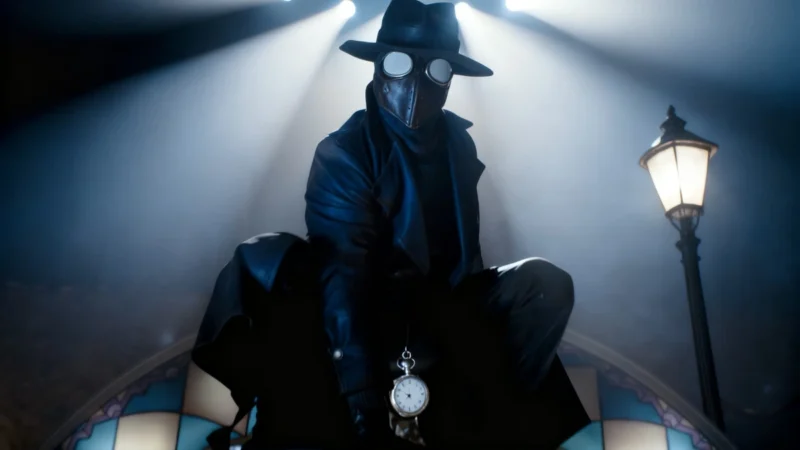
Cage plays Ben Reilly, a role that fits him perfectly. Having previously voiced the character in “Spider-Man: Into the Spider-Verse” (2018) and the 2023 sequel, Cage now brings the fedora and gravitas to live-action. His version of Ben Reilly blends Humphrey Bogart cool with downbeat cynicism—worn out, sharp-tongued, and torn between desire for peace and the pull of heroism. Cage embraces the theatrical aspects of the part, making his Spider anything but your standard Marvel figure in tights.
Brendan Gleeson is quietly threatening as Silvermane, portraying menace with subtlety rather than volume. Lamorne Morris brings an injection of wit as Joe “Robbie” Robertson, a journalist who knows far more than he lets on—including Ben's secret. The supporting cast—Jack Huston as Sandman and Li Jun Li as a sultry cabaret singer—completes a strong ensemble.
Noir Reimagined—A Genuine Standout
So, does “Spider-Noir” live up to the hype? Absolutely. The series has arguably rejuvenated the Spider-Man franchise, especially in the wake of recent missteps like “Morbius,” “Kraven the Hunter,” and “Madame Web.” Where those films chased Marvel Studios' style without matching its vision, “Spider-Noir” charts its own path—going for bold, thoughtful storytelling.
Gone are the endless rooftop leaps—though the pilot pays quick homage. Instead, the show leans into pure 1940s noir: razor-sharp dialogue, sophisticated visuals, and morally ambiguous characters. Fans of classic cinema will find plenty to love, with frequent nods to genre staples like “The Maltese Falcon” and “The Big Sleep.” These influences are woven seamlessly into the script and cinematography, never feeling forced. The jazz-heavy score, reimagining vintage standards, adds further to the smoky atmosphere.
Two Looks, One Unmissable Experience
One noteworthy choice: viewers can select between color and black-and-white versions of the series. The color cut leans into pulp graphic-novel vibes, with nearly exaggerated coloring. But the black-and-white version stands out, really showing off the meticulous cinematography and intensifying the mood. In this format, the visuals evoke classic noir, reminiscent of “Sin City” but with a more understated contrast that adds grit and cohesion. For the fullest impact, the black-and-white option is highly recommended.
Critically, “Spider-Noir” relies on storytelling and character rather than flashy effects. Ben's mask appears sparingly—there’s no glut of special effects or relentless action. Instead, each appearance of “The Spider” is memorable, and Cage’s performance becomes the show’s defining spectacle. While there are the occasional pacing issues, they’re minor and don’t overshadow the experience.
After three episodes, “Spider-Noir” has established itself as a distinctive, mature, and stylish entry among superhero series—a show with a gripping cast and a fresh vision.
AlloCiné publishes over 40 articles a day with film and series news, interviews, streaming recommendations, and movie trivia. Subscribing on Google Discover keeps you up to date with passionate coverage made for fans by fans.