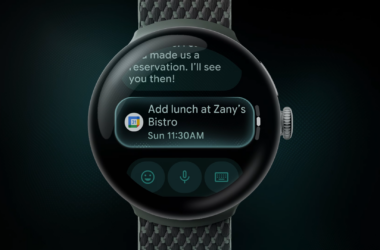


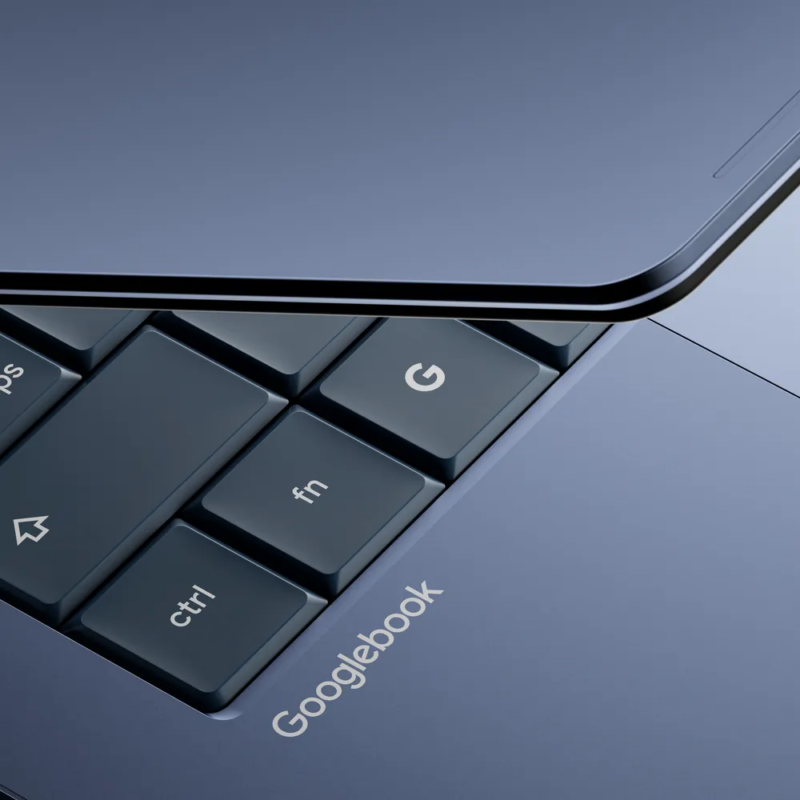
Fifteen years ago, Google launched the Chromebook to answer a cloud-first world. Now, with AI eating everything, it's doing it again. Googlebook is a brand-new laptop category that combines Android's app ecosystem with ChromeOS's browser foundation, and puts Gemini Intelligence at the center of the whole thing.
What Makes It Different
The headline feature is something called Magic Pointer, developed with Google DeepMind. Essentially, the cursor becomes a Gemini shortcut. Wiggle it over a date in an email, and you get a meeting prompt. Hover over two images — your living room and a new sofa — and Gemini instantly visualizes them together. It's the kind of thing that sounds gimmicky until you realize how many times a day you're bouncing between apps trying to do exactly that.
There's also a widget builder powered by Gemini. Ask it to organize your Berlin family reunion with flights, hotels, restaurants, and a countdown, and it builds a live dashboard on your desktop. The point isn't novelty, it's getting that kind of organization without five open tabs and a spreadsheet.
Android Integration
Because the Googlebook runs on the Android ecosystem, phone app interoperability is claimed to be genuinely seamless. You can use your phone apps directly on the laptop display without mirroring or casting workarounds. A feature called Quick Access lets you browse, search, and insert files directly from your phone's storage through the laptop's file browser — no cables, no cloud transfer step.
Hardware and Partners
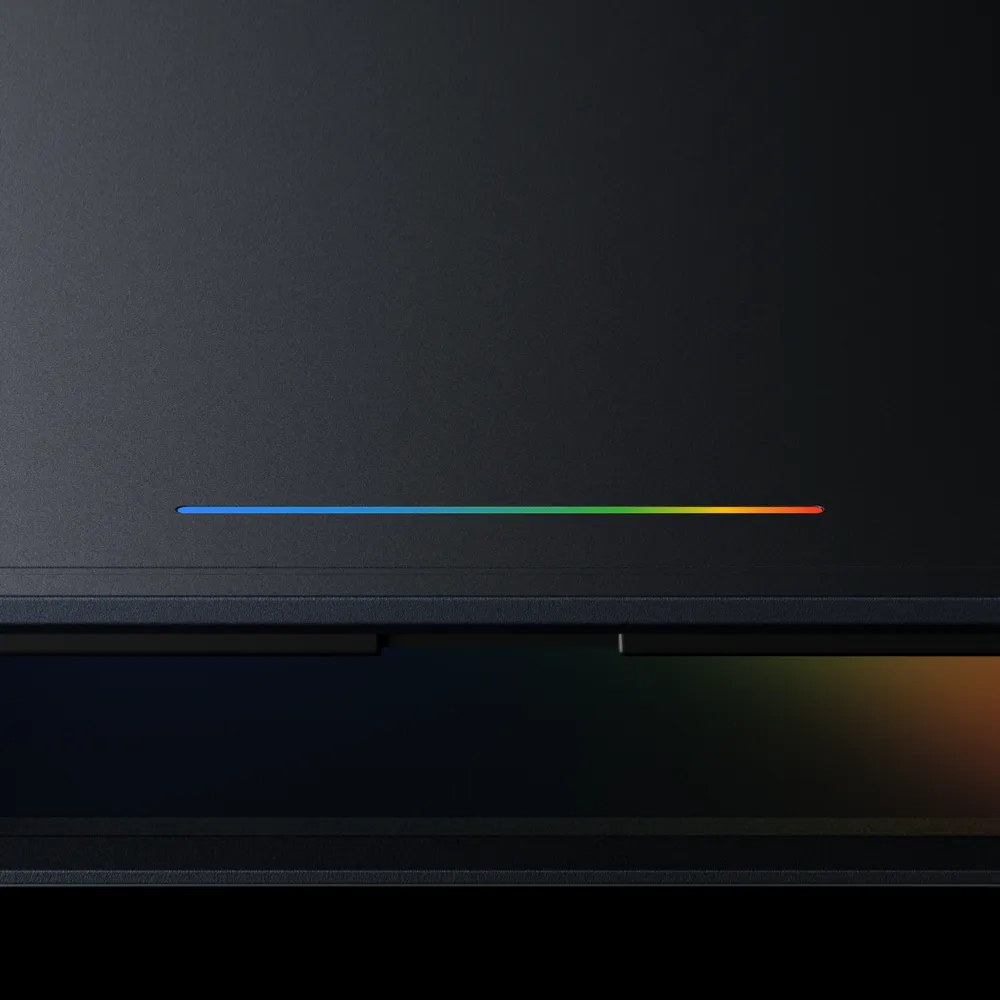
Google is working with Acer, ASUS, Dell, HP, and Lenovo on the first Googlebook devices. Each one will feature a “glowbar” — a design element Google is positioning as the visual identifier for the product line. Think of it as the equivalent of the MacBook's lit-up Apple logo, but presumably more functional. Maybe. Hardware details remain thin, but Google is promising premium materials across the range, and there may be the ability to upgrade some components, such as storage and RAM.
The Bigger Picture
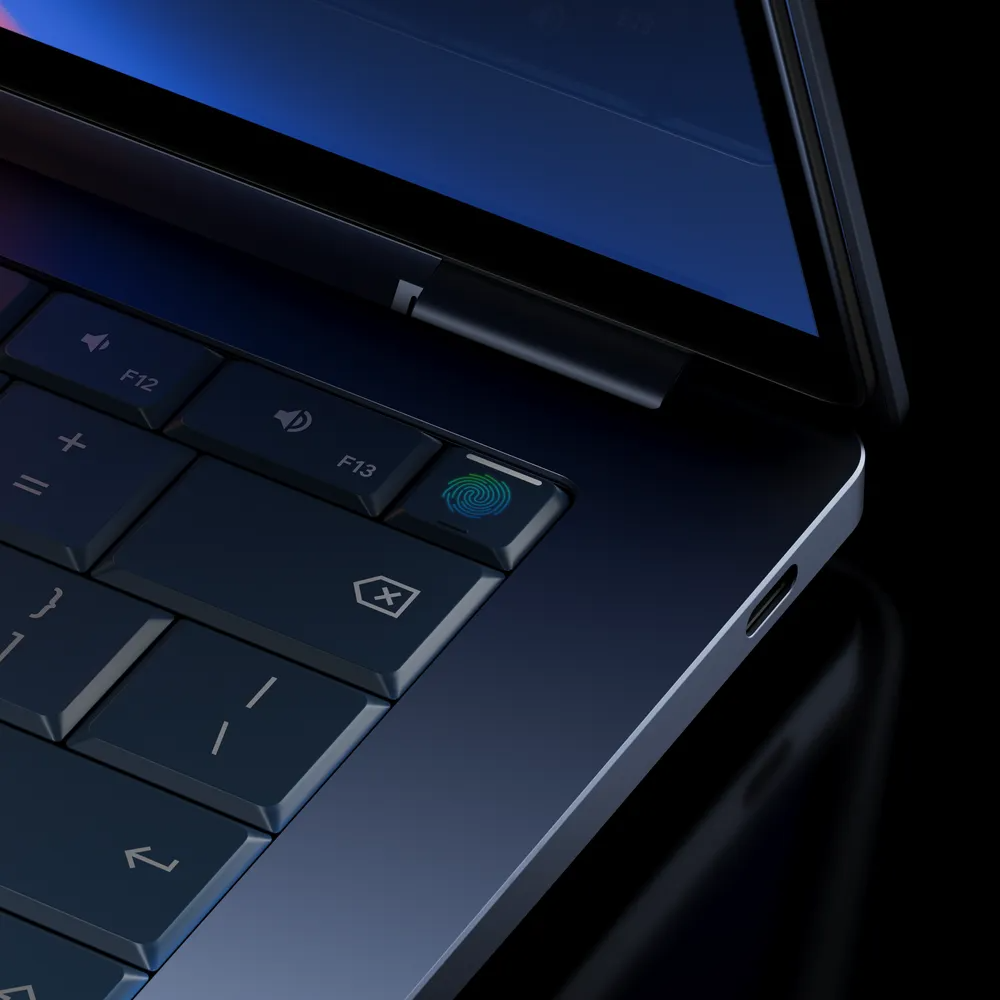
This is Google's clearest statement yet that Android, not ChromeOS, is the future of its computing platforms. ChromeOS hasn't been killed, its browser DNA is baked into Googlebook — but the shift to Android as the base layer gives Google Play access, faster feature rollouts, and better multi-device continuity across phone, watch, car, glasses, and now laptop. Googlebook devices are expected to arrive this fall.
A Question
Google has done what Google does, again. Not that long ago, Google's push into the premium segment was with the Chromebook Plus, which included a year's subscription to Google One AI and more powerful hardware. Will it be possible to upgrade Chrome OS to the new Google Book operating system? Hopefully so, as the new software is still based on ChromeOS.