



Smartphone devices are continuing to evolve and, as time goes on, brightness has become a big focus for high-end devices. Leading the charge, we have the Google Pixel 10 Pro XL and the Huawei Mate 80 Pro Max.
Why are Smartphone Screens Getting Brighter?
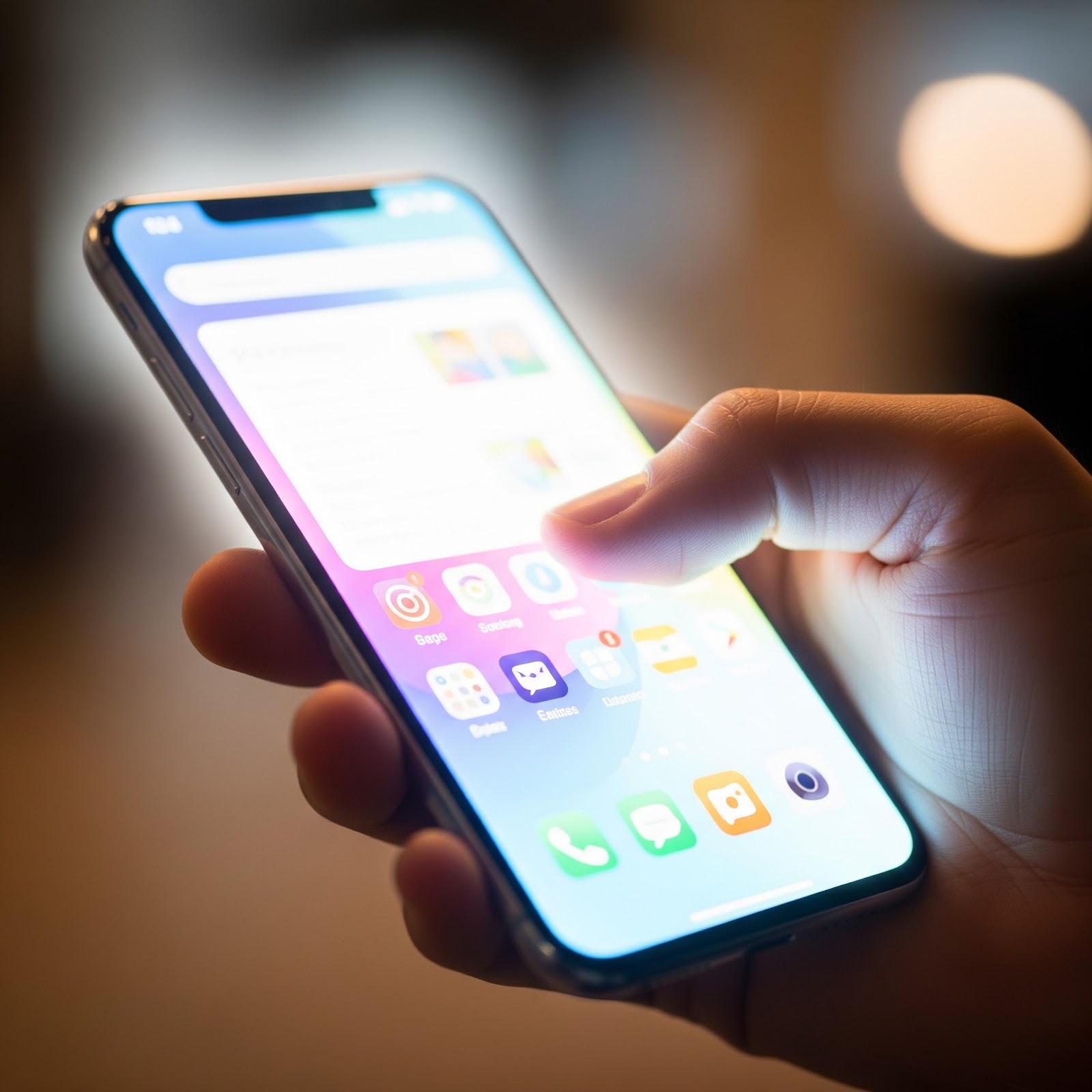
The push for higher brightness levels comes down to a number of factors. Outdoor visibility is a big concern for a lot of people, especially as smartphones are now used on the go. Additionally, we have seen a rise in HDR content from platforms like Netflix and Amazon Prime. As HDR content puts a big focus on brightness as well as quality, having a phone that can support this is essential, as 69% of people watch video content on their phone every week.
There has also been a rise in the number of games that adopt HDR technology, and those that don’t still support vibrant visuals to provide an engaging experience. In iGaming, brightness is essential. Take Big Bass Surf’s Up, for example, one of the many popular slots online, which features bright graphics with a colourful, iconic fisherman and gold-plated bass symbols. The contrast in colour from the orange logo really helps the game to pop on a mobile screen, whether it supports HDR or not. With that said, it doesn’t matter how bright games are; if the phone doesn’t support a high level of brightness, it will never pop as much as it could.
So with 76% of people playing games on mobile, the need for brighter phones has never been more apparent. Whether gaming, streaming, editing photos, or even carrying out a video call for work purposes, having a brighter screen makes colours pop, helps to highlight details, and even stops glare when out on the go, even in direct sunlight. With all of this in mind, it’s not surprising to see that tech companies like Huawei and Google Pixel are making big moves.
Peak Brightness is Making Headlines Right Now
For Android users, peak brightness has become a bit of a big deal. The Pixel 10 Pro XL and the Pixel 9 Pro XL can reach 3,300 nits, meaning the visibility when using the phone outdoors is astonishingly clear, even under bright sunlight. Samsung’s Galaxy 25 Ultra also has an anti-reflective coating. The Mate 80 Pro Max features an OLED screen that’s capable of reaching 8,000 nits in peak brightness, which is the highest number we have ever seen in a smartphone. One thing to take note of is that the extreme level of nits that the Mate 80 Pro Max is able to provide only applies to small portions of the screen, rather than applying to the whole display. With that said, this is the best way to ensure that the right colours pop, while guaranteeing rich clarity that cannot be competed with.
With the brightness of phones increasing, more steps have had to be taken to ensure that thermal management and battery life are safeguarded. Sustained high brightness levels consume more power, but at the same time, advanced tech is helping to counter this. With content creators pushing boundaries from a visual perspective, and app developers finding new ways to make colours pop, peak brightness is going to be a major trend moving forward.