



Alongside its flagship smartphones, Poco has refreshed its tablet ecosystem with the launch of the Poco Pad X1 and Poco Pad M1, two devices designed to bring large-screen versatility, smoother software, and cross-device AI experiences to more users. With powerful chipsets, upgraded displays, and huge batteries, Poco is aiming at both productivity-focused users and binge-watchers alike.
Design and build
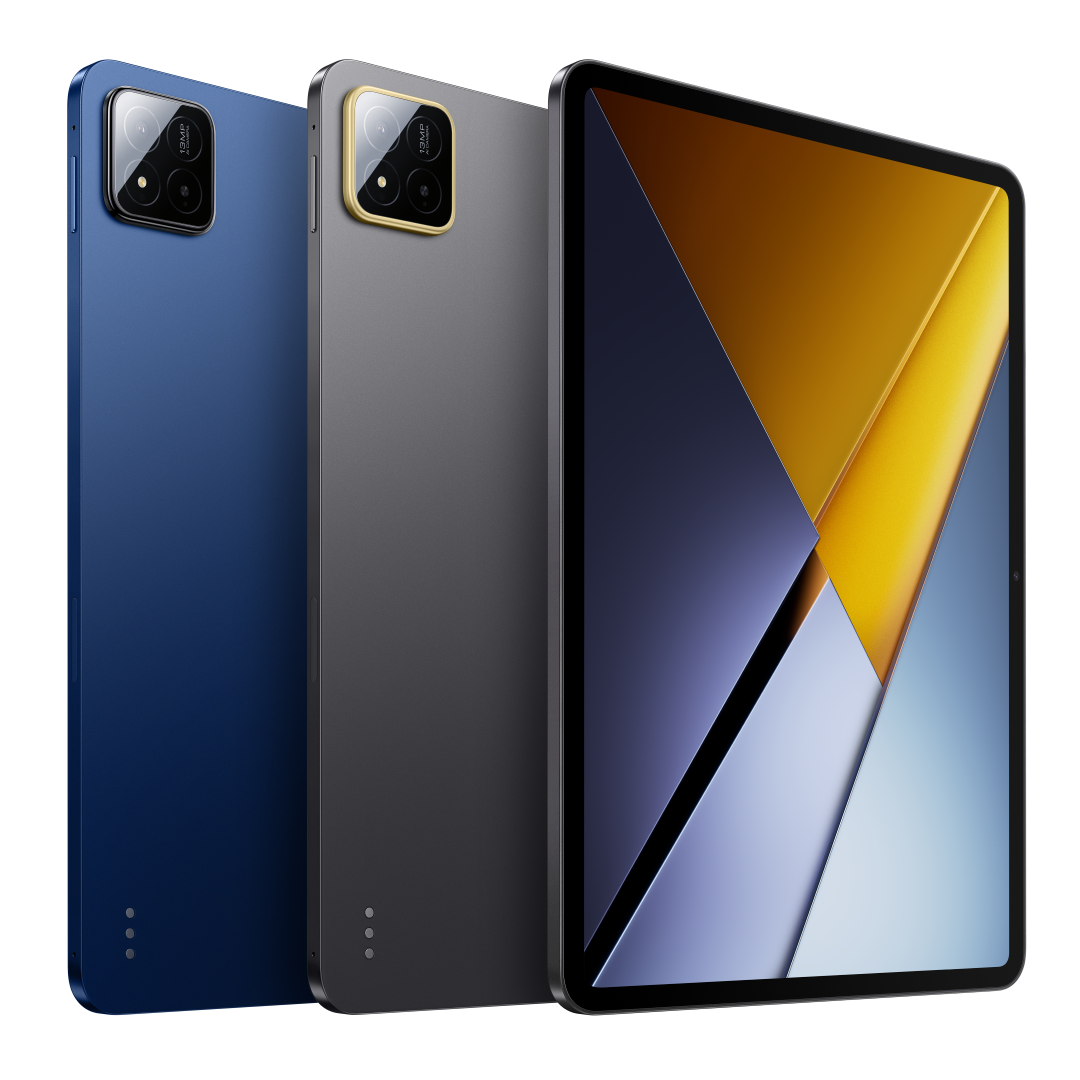
The Poco Pad X1 features a sleek aluminium unibody construction, weighing 500g and measuring 6.18mm thick. It ships in Grey and Blue, with support for accessories including the Floating Keyboard, Standard Keyboard, Focus Pen, and Pad Cover.
The Poco Pad M1 uses a metal unibody as well, with a practical finish, measuring 7.5mm thick and weighing 610g. It comes in Blue and Grey and supports the Poco Pad M1 Keyboard, Smart Pen, and protective cover.
Display
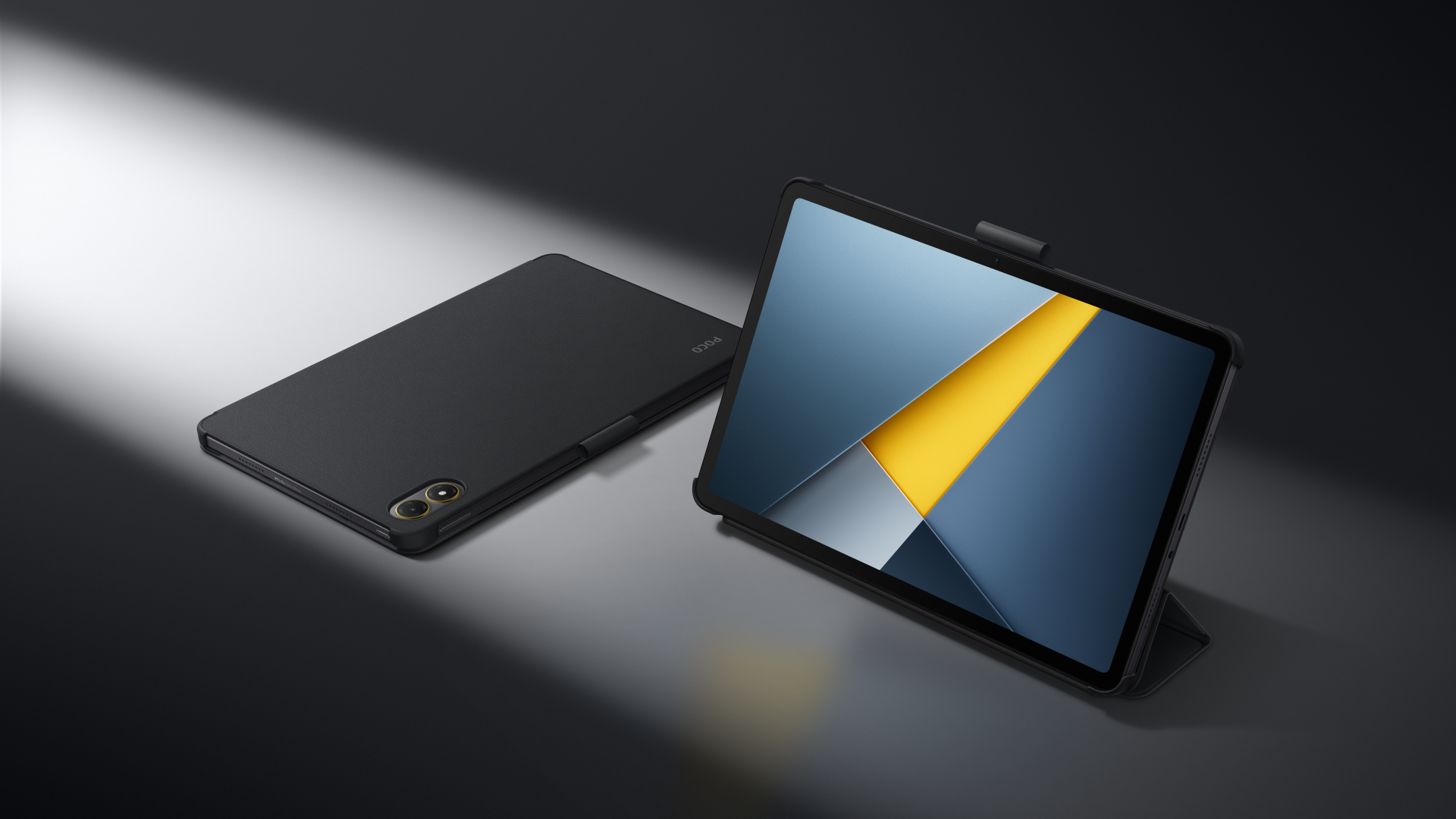
Poco Pad X1 features an 11.2-inch 3.2K display with up to a 144Hz refresh rate, Dolby Vision support, 800-nit peak brightness, DC dimming, and TÜV Rheinland Low Blue Light, Flicker Free, and Circadian certifications. Its 3:2 aspect ratio suits reading and productivity.
Poco Pad M1 offers a larger 12.1-inch 2.5K panel at up to 120Hz, 600-nit brightness, Dolby Vision support, and the same eye-care certifications, designed for streaming and entertainment.
Performance
Poco Pad X1 runs the Snapdragon 7+ Gen 3, paired with 8GB LPDDR5X RAM and 512GB UFS 4.0 storage, achieving up to 1.77 million on AnTuTu and supporting 144Hz gaming in top titles. Xiaomi HyperOS enables cross-device functions such as Call Sync, Shared Clipboard, and Home Screen+ 2.0, plus AI tools through Xiaomi HyperAI and Google Gemini.
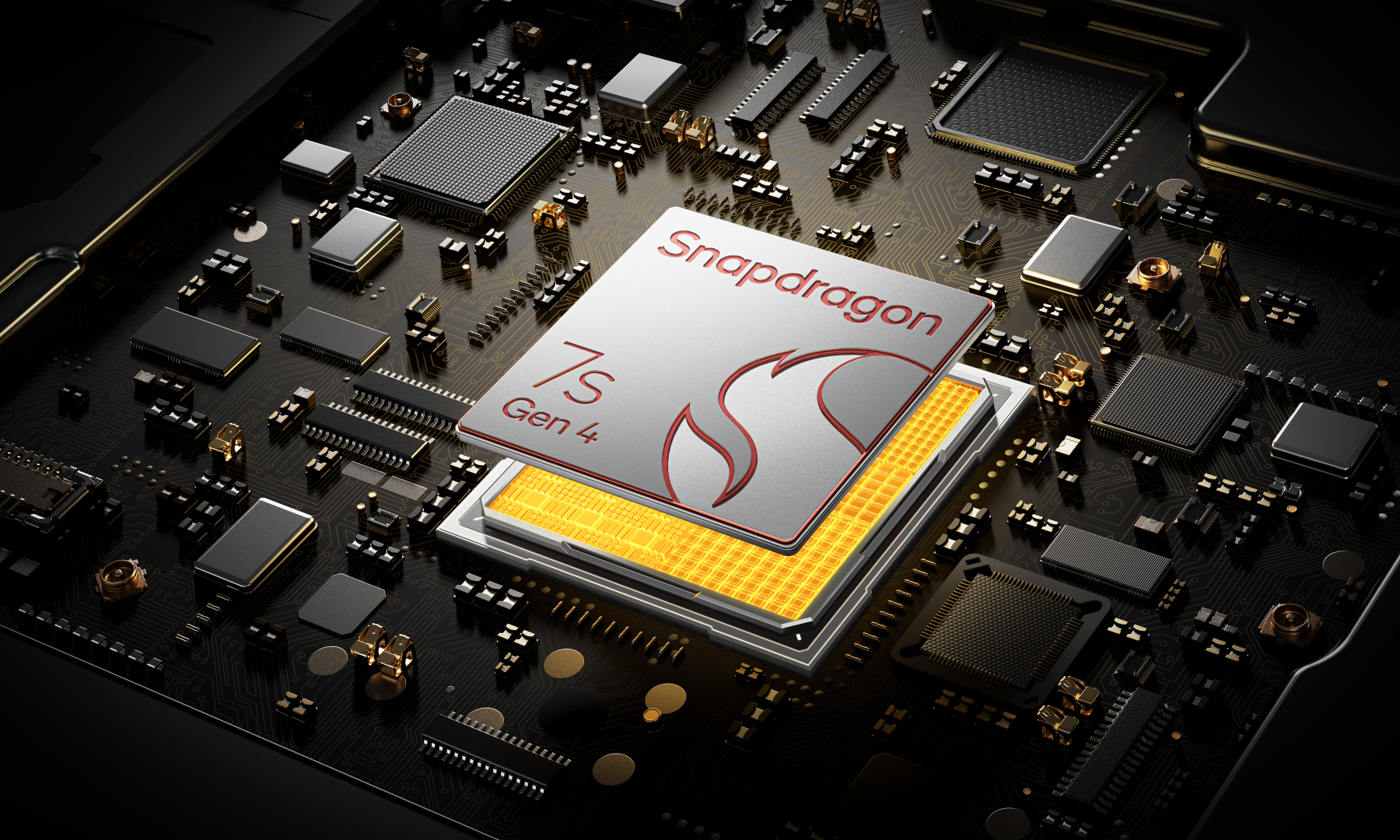
Poco Pad M1 uses the Snapdragon 7s Gen 4 with 8GB RAM and 256GB storage, plus up to 2TB expandable storage. Xiaomi HyperOS again enables cross-device syncing, Circle to Search, and AI features while ensuring smooth multitasking.
Audio
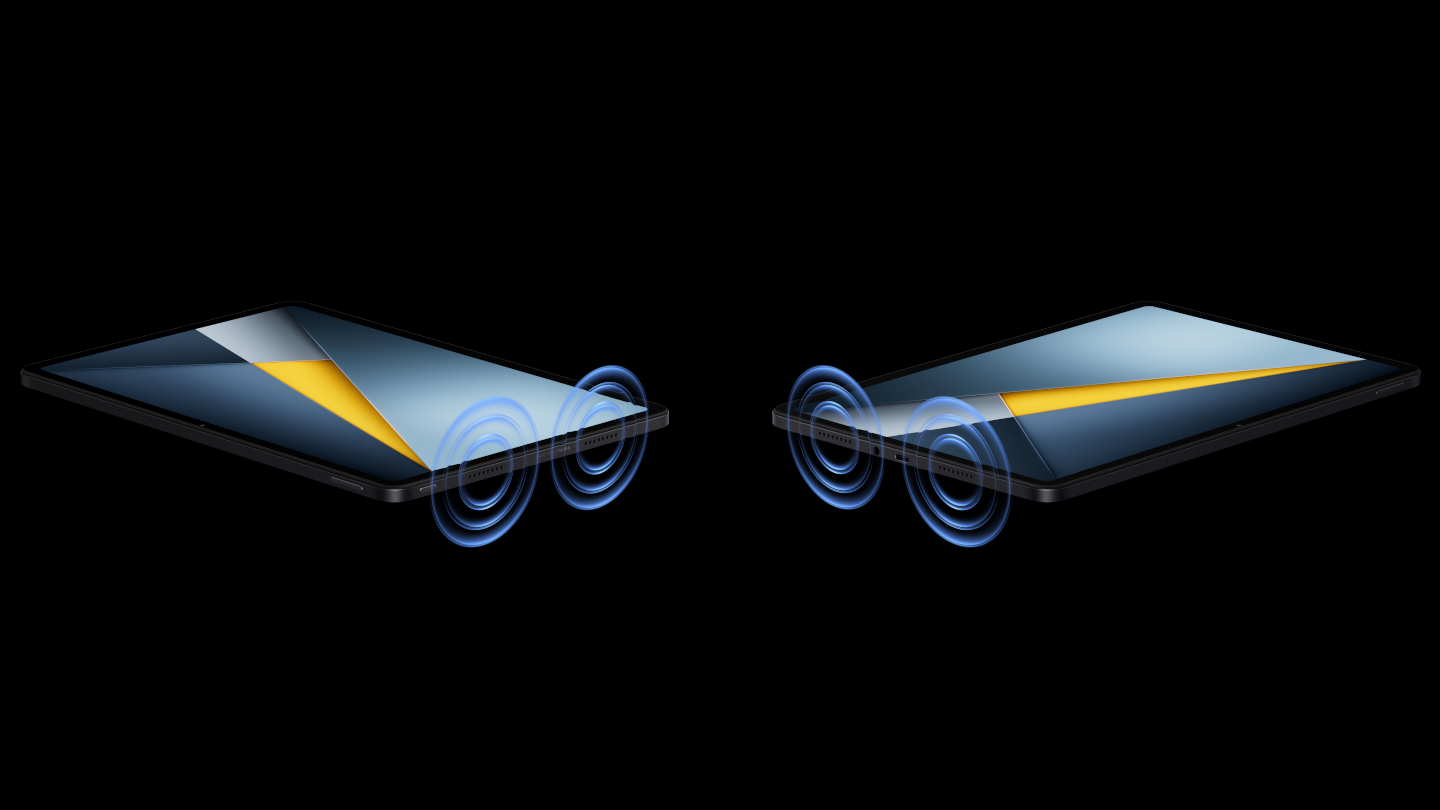
The Pad X1 features quad speakers with Dolby Atmos and Hi-Res Audio, plus a 200 percent volume boost for immersive sound. Not to be sniffed at, the Pad M1 features quad speakers with Dolby Atmos and up to a 300 percent volume boost, along with a 3.5mm headphone jack for wired-audio users.
Battery and charging
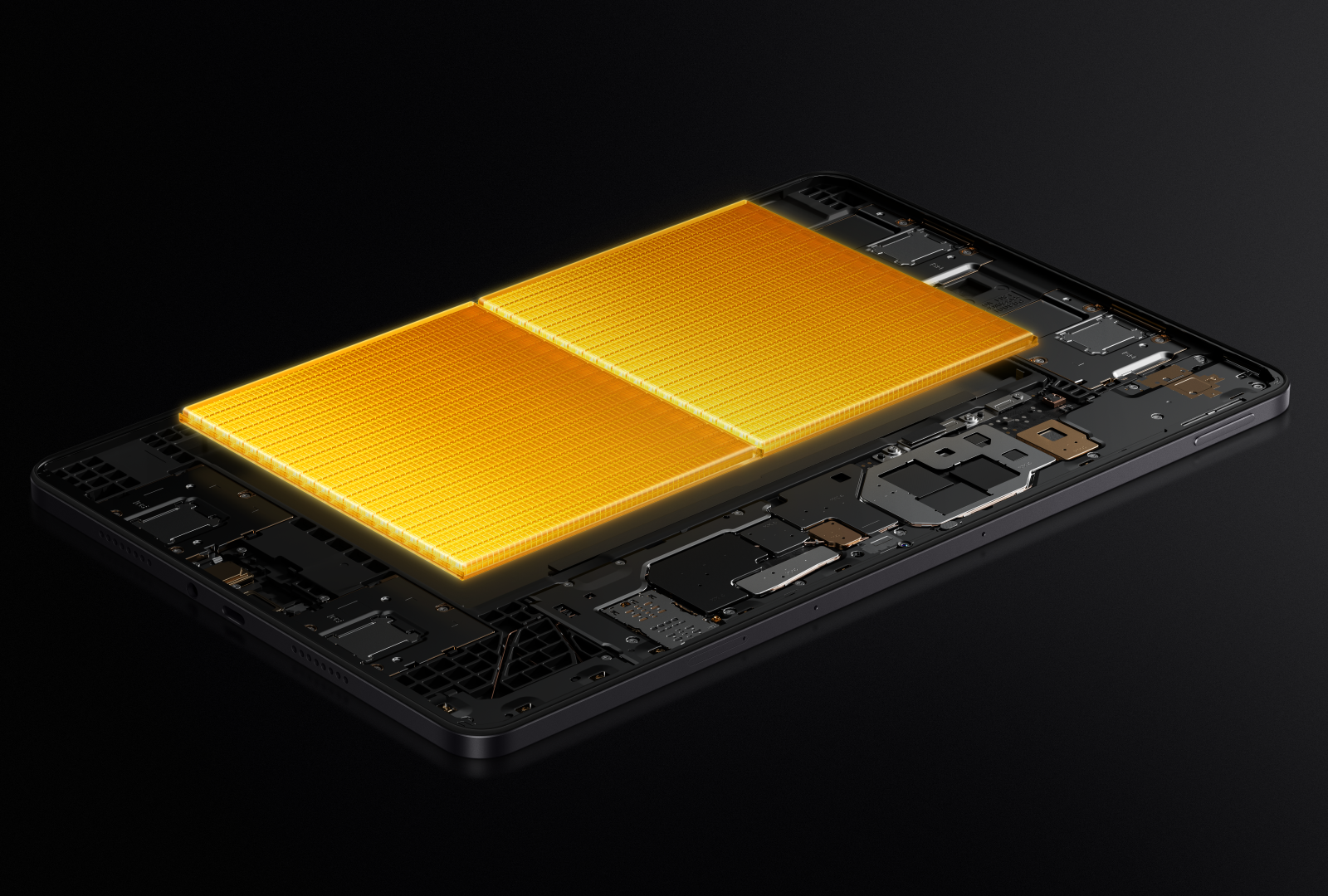
Poco Pad X1 includes an 8850mAh battery with 45W turbo charging for long productivity and gaming sessions. The Poco Pad M1 introduces a 12000mAh battery, Poco’s largest to date, with 33W fast charging and 27W reverse charging to power accessories or phones.
Configurations and availability
Both the M1 and X1 are available in blue and black colorways with 8GB RAM under the hood. The M1 sports 256GB of storage, while the X1 has 512GB.
Pricing
| Configuration | Price (USD) | |
|---|---|---|
| Poco Pad X1 | 8GB + 512GB | RRP $399 / Early Bird $349 |
| Poco Pad X1 Floating Keyboard | — | $199 |
| Poco Pad X1 Keyboard | — | $129 |
| Poco Pad X1 Cover | — | $49 |
| Poco Focus Pen (X1) | — | $99 |
| Poco Pad M1 | 8GB + 256GB | RRP $329 / Early Bird $279 |
| Poco Pad M1 Keyboard | — | $99 |
| Poco Pad M1 Cover | — | $29 |
| Poco Focus Pen (M1) | — | $69 |
Verdict
POCO’s new tablets land with a straightforward message: big screens, big batteries, and zero fluff.
The Pad X1 feels like a productivity machine that moonlights as a gaming slate, while the Pad M1 is an unapologetic entertainment giant with endurance to spare.
For anyone tired of overpriced Android tablets, POCO just dropped two of the most refreshing options of the year.


