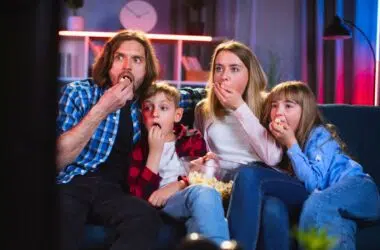



Television used to be the center of everything. Families would gather on the couch, argue over what channel to watch, and sit through the same commercials every night. For decades, that was just how it worked. Then streaming platforms started to creep in, on-demand content became normal, and suddenly the idea of waiting for a weekly episode felt outdated. For Generation Z, the shift has gone even further. They’re not just skipping TV schedules — they’re skipping TV entirely. Live streaming has taken over their screens, not as background noise, but as the main way they consume entertainment.
A Digital Shift: play free plinko casino games
Streaming isn’t just about big-budget titles or competitive esports. It’s about moments, raw energy, and being part of something happening live. You can play free plinko casino games while watching someone else drop their ball and cheer when it lands just right. The Plinko Online project is a good example of how simple ideas work perfectly in streaming culture. It’s quick to load, works smoothly on mobile, and doesn’t bury you behind registration pages. You just click, watch that ball bounce, and hope it finds the highest multiplier at the bottom. There’s nostalgia in the design — a nod to those arcade days — but it feels fresh and modern. That’s exactly what makes it streamable. Viewers enjoy watching someone hit a lucky streak almost as much as playing themselves.
Why Streaming Took Over
The shift isn’t just about technology — it’s about connection. TV shows are one-way communication. You sit, you watch, and that’s it. Streaming turns that into a conversation. The chat is alive, messages fly by in real time, and if you’re lucky the streamer might react to what you wrote. That micro-interaction is addictive because it feels like you’re part of the moment instead of just watching it.
What Makes Streaming Stick
There are a few things that explain why streaming feels like the new television for Gen Z:
- Interactivity – Viewers can send messages, vote on decisions, or even trigger sound effects on stream.
- Authenticity – Streams aren’t edited and polished. They feel real, and that unpredictability is part of the thrill.
- Community – People watch not just for the content but for the chat. Friendships and inside jokes form there.
- Variety – There’s always something new: tournaments, casual streams, late-night talks, music sessions.
A Quick Comparison
| Old Television Habits | Streaming Habits of Gen Z |
| Scheduled programming | On-demand and live anytime |
| Passive watching | Active participation in chat |
| Limited shows per channel | Thousands of live channels |
| Commercial breaks | Direct support via donations |
| No direct interaction | Streamer reads your message live |
This table pretty much sums it up — streaming gives control back to the viewer.
Technology Made It Possible
High-speed internet, better mobile devices, and easier broadcasting tools changed everything. You no longer need a production studio to go live. A phone, a decent mic, and a stable connection are enough. That’s why so many streams feel personal. You’re not watching a network show, you’re peeking into someone’s room.
Mobile Viewing on the Rise
Gen Z doesn’t wait until they get home to watch something. They watch streams on the bus, in bed, between classes. Notifications ping when their favorite streamer goes live and they join instantly. The convenience factor is huge — there’s no appointment viewing, no missing episodes.

The Social Layer
Streaming isn’t just about watching, it’s about hanging out. Discord servers, Reddit threads, and group chats keep the discussion going even after the stream ends. People clip funny moments, turn them into memes, and share them across social media. This makes the whole experience feel bigger than just one broadcast.
When Entertainment Becomes Shared
The big difference between this and traditional television is that viewers now feel ownership of the culture. They create reaction videos, remix moments, and sometimes even influence what happens next on stream. Streamers often take suggestions from chat, which means viewers help shape the content in real time.
The Future of Streaming
The next big step is likely going to be immersive tech. Augmented reality (AR) and virtual reality (VR) are starting to mix with live streaming. Soon, you might not just watch a broadcast — you might stand inside a virtual venue with other viewers, see their avatars, and interact in ways that feel almost physical.
Why This Feels Like the New TV
For Gen Z, watching streams has replaced flipping channels. They have favorite streamers the way older generations had favorite TV hosts. They know schedules, catch regular shows, share highlights with friends, and even spend money to support their favorite creators. This is television 2.0 — but it’s faster, louder, and more personal.
Final Thoughts
Game streaming didn’t just sneak in and sit alongside television — it completely rewired how young audiences think about entertainment. It’s interactive, always available, and constantly surprising. Whether you’re watching someone clutch a tough match, testing a quirky title, or just chatting with viewers about life, it feels alive in a way TV never did. This is the living room of the future, except now it’s in your pocket, on your desk, and with you wherever you go. And for Generation Z, that’s exactly how they want it.