




In the visually-driven world of e-commerce, the quality of product images can make or break a sale. For fashion retailers especially, showing clothing on models rather than flat lays or mannequins has consistently proven to boost conversion rates. However, traditional fashion photography comes with significant challenges: it's expensive, time-consuming, and logistically complex. Enter AI-powered fashion model technology—a revolutionary approach that's democratizing access to professional-quality on-model imagery.
The Evolution of Fashion Product Photography
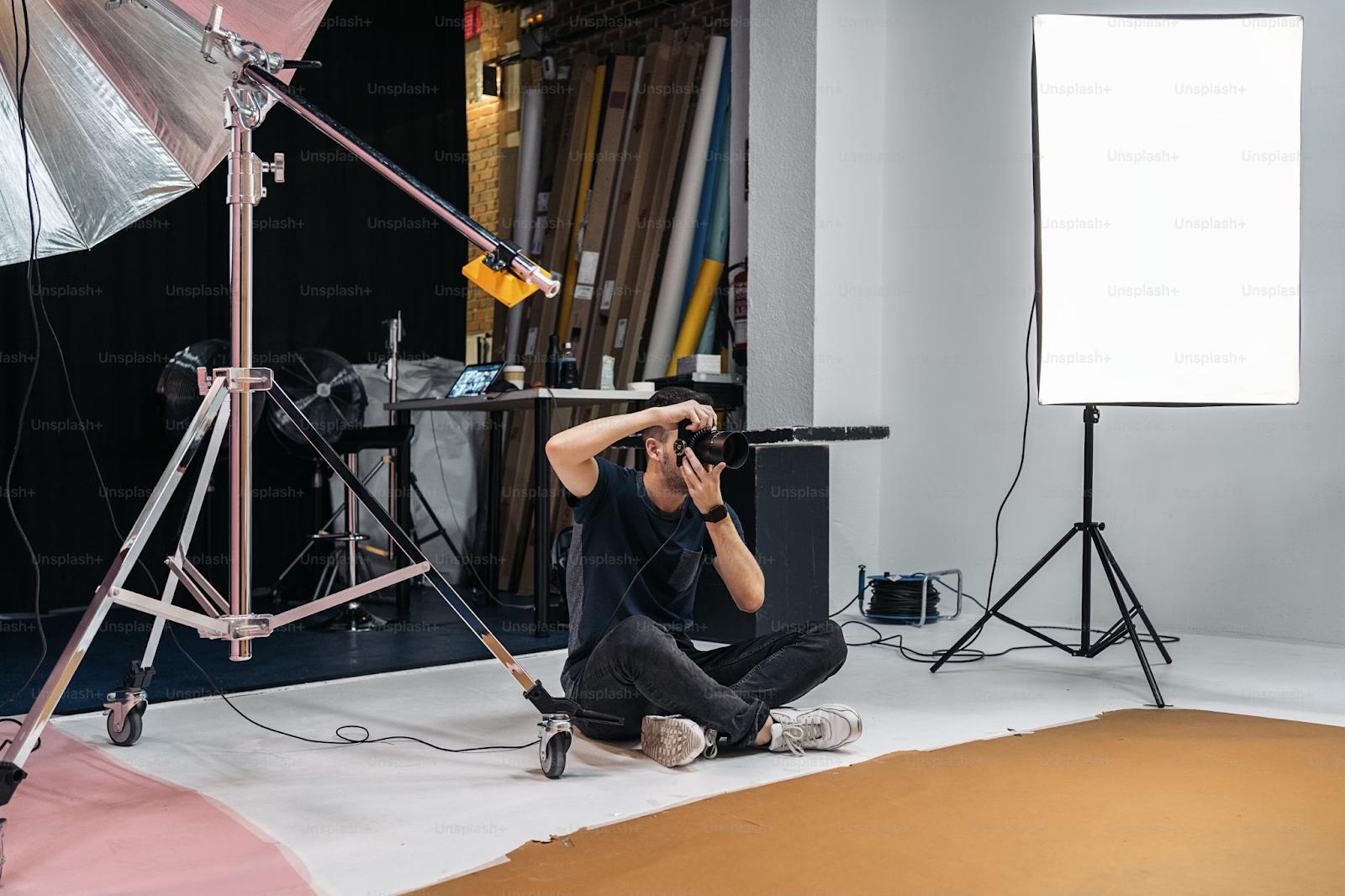
To appreciate the significance of this technological shift, we should first understand how fashion product photography has evolved:
Stage 1: Basic Product Shots – The early days of e-commerce featured simple product photos against white backgrounds—functional but uninspiring.
Stage 2: Mannequin Photography – Retailers began using mannequins to show how garments might hang on a body, but these still lacked relatability.
Stage 3: Human Models – The gold standard became professional models, which significantly improved conversion rates but at substantial cost.
Stage 4: AI Fashion Models – Today's emerging technology allows brands to digitally place products on realistic AI-generated models without physical photoshoots.
The Real Costs of Traditional Photo Shooting
Traditional fashion photography is a resource-intensive process. A single professional photoshoot typically involves:
- Model fees ($500-2,000+ per day)
- Photographer costs ($1,000-5,000+ per day)
- Studio rental ($500-2,000 per day)
- Hair and makeup artists ($300-1,000+ per day)
- Stylists ($300-1,000+ per day)
- Post-production editing ($20-100+ per final image)
For a small business or emerging brand, these costs can be prohibitive. Even for established retailers, the expense and time required for photoshoots create significant limitations on how many products can be showcased on models.
Beyond the financial considerations, traditional photoshoots present other challenges:
- Scheduling complexities with multiple professionals
- Limited diversity in model representation
- Inflexible results (can't easily change backgrounds or model poses)
- Long lead times from shoot to website publication
How AI Fashion Model Technology Works
AI fashion model tools use sophisticated algorithms to analyze product images and then digitally render those products on realistic virtual models. The technology combines several advanced capabilities:
1. Garment Analysis
The system examines product images to understand the garment's structure, fabric properties, and design details. This analysis allows the AI to predict how the clothing would drape and fit on a human form.
2. Digital Rendering
Using physics-based simulation, the technology creates a realistic representation of how the garment would look when worn, including natural wrinkles, folds, and shadows.
3. Model Diversity
Unlike traditional photography where each model represents an additional cost, AI systems can render products on a diverse range of body types, skin tones, and sizes with no incremental expense.
4. Background Flexibility
Products can be visualized in various settings and environments without the need for location shoots or complex studio setups.
The Business Impact of AI Fashion Models
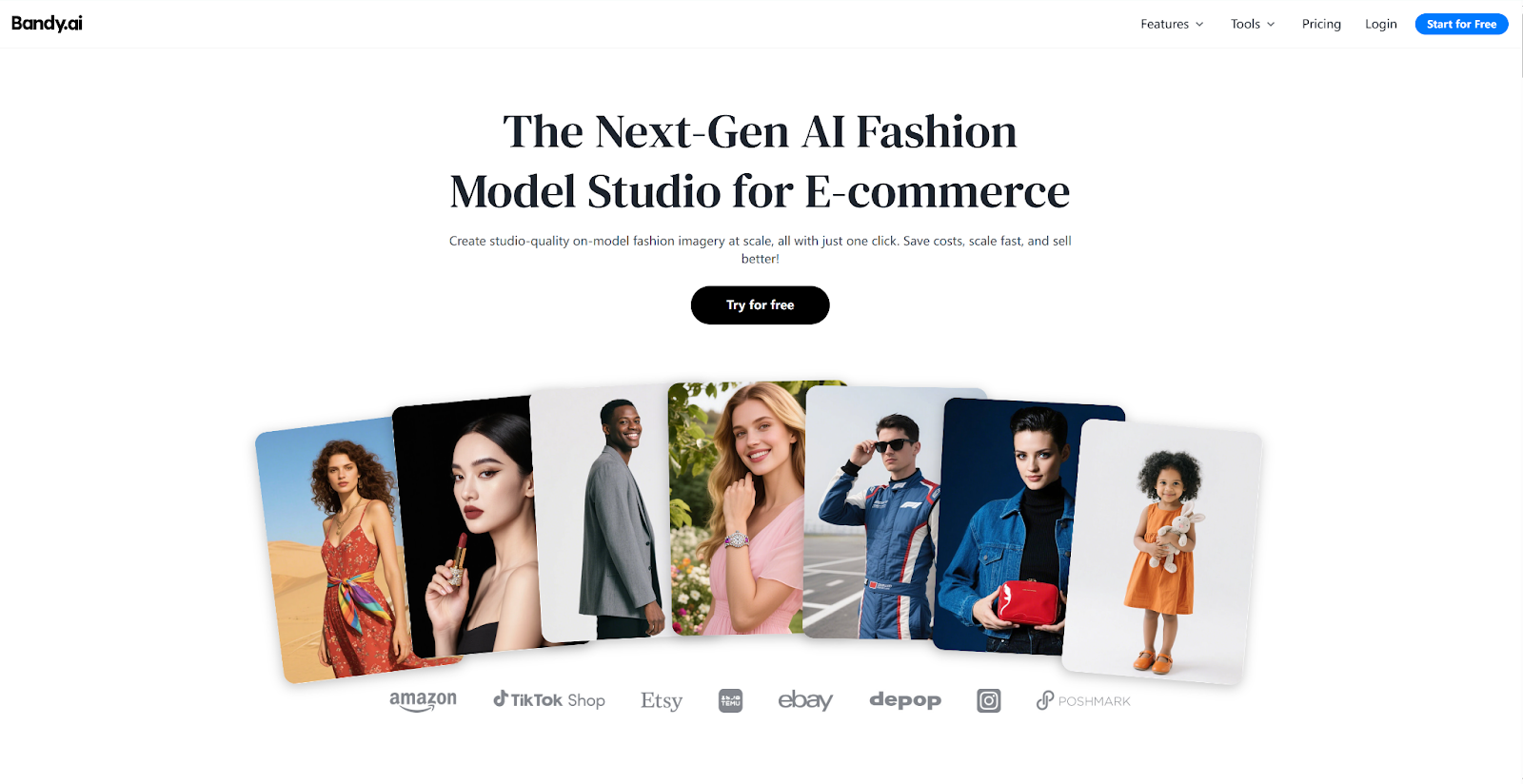
The implications of AI fashion models extend far beyond simple cost savings:
Speed to Market
In the fast-paced world of fashion e-commerce, timing is crucial. AI model technology allows new products to be visualized and published online within minutes or hours, rather than days or weeks required for traditional photography.
Expanded Product Coverage
With traditional photography, budget constraints often mean only best-selling items or new collections get the full on-model treatment. AI technology makes it economically feasible to show every product on models, improving the shopping experience across the entire catalog.
Enhanced Diversity and Inclusion
AI fashion models enable brands to show products on a wider range of body types, ages, and ethnicities without the additional costs that would entail in traditional photography. This helps customers see how products might look on people who resemble them.
Testing and Optimization
The technology allows for rapid A/B testing of different models, poses, and backgrounds to identify which presentations drive the highest conversion rates.
Real-World Applications
Brands across the spectrum are finding creative ways to implement AI fashion model technology:
Small Independent Designers
For emerging designers with limited budgets, the technology provides access to professional-quality on-model imagery that would otherwise be out of reach.
Mid-Size Retailers
These businesses are using AI models to supplement traditional photography, ensuring comprehensive coverage across their product lines while reserving human model photoshoots for key campaign imagery.
Large Enterprise Retailers
Major brands are integrating AI fashion models into their workflows to accelerate time-to-market for new products and to create consistent imagery across thousands of SKUs.
Marketplace Sellers
Individual sellers on platforms like Etsy, eBay, and Amazon are leveraging the technology to create professional-looking listings that stand out from competitors.
The Future of Fashion Visualization
The technology behind AI fashion models continues to evolve rapidly. Looking ahead, we can anticipate several developments:
Increased Personalization
Future iterations may allow shoppers to see products on models that match their specific body measurements or even on digital versions of themselves.
Video Capabilities
As the technology advances, we'll likely see AI models showcasing garments in motion, providing even more information about how products look when worn.
In-Store Applications
The technology could extend to physical retail through augmented reality mirrors that show shoppers in different outfits without actually trying them on.
Getting Started with AI Fashion Models
For brands interested in exploring this technology, tools like Bandy AI offer accessible entry points. The process typically involves:
- Uploading product images (ideally on a transparent background)
- Selecting model characteristics (body type, pose, etc.)
- Customizing backgrounds and settings
- Downloading the finished on-model images
The learning curve is generally much shorter than mastering traditional product photography, making the technology accessible even to those without technical expertise.
Conclusion
While AI fashion models aren't intended to completely replace human models and photographers—there remains significant value in the creativity and authenticity of traditional fashion photography—it provides a powerful complementary tool that expands what's possible in e-commerce product presentation.
As online shopping continues to grow and visual merchandising becomes increasingly important, AI fashion models are positioned to become a standard part of the e-commerce toolkit, helping brands showcase their products in the best possible light without breaking their budgets.

