




The wearable technology is progressing at a rate that requires speed and precision in the design process. Fitness trackers, sports sensors, consumer electronics, industrial monitoring, and medical devices all demand small compact components that must be robust, reliable, and ergonomically efficient.
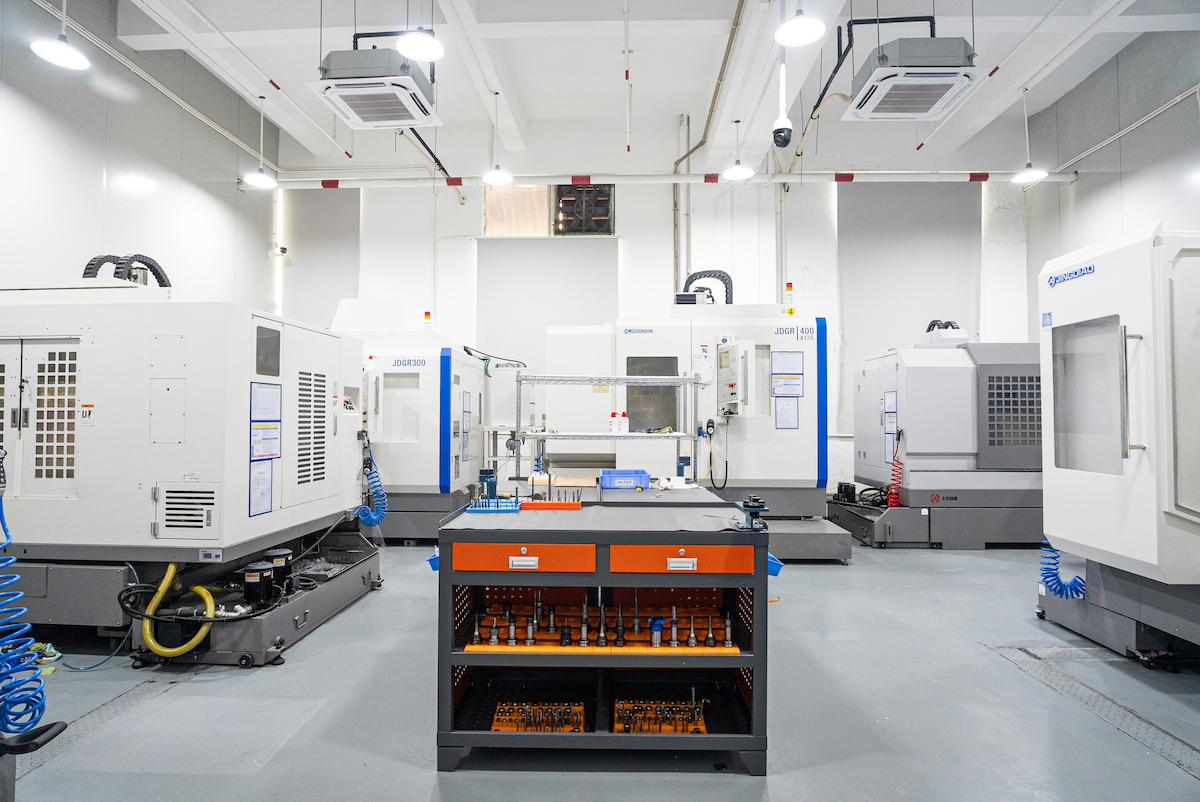
Two key pillars, rapid prototype manufacturing to validate fast and CNC machined parts to achieve structural accuracy, are required to achieve this balance. Development in the initial stages is primarily concerned with tolerance management and functional test, whereas sport and lifestyle use are preoccupied with durability and ease. Regulatory requirements at industrial and healthcare scales push machining accuracy and repeatability to higher levels.
Lastly, scaling strategies will guarantee that what was successful at prototype will be replicated in full production. Collectively, these steps demonstrate the potential of innovations in machining in facilitating the transformation of an idea to a functioning wearable device swiftly, reliably, and effectively.
Precision in the Development of Next Generation Wearables
The wearable products are characterized by early-stage validation. Engineers require quick cycles that are comparable in performance to real-life and not just digital models. In this case, the rapid prototype manufacturing allows to quickly produce functional samples with specific tolerances. Such prototypes enable mechanical fit test, ergonomic tests, and thermal test well before mass production kicks in.
The importance of CNC machined parts is not less significant. When compared to printed models that are not sturdy or well-treated on the surface, machined prototypes will give you the feeling and sturdiness with sustained loads. This contributes to their necessary part in modeling common wear circumstances. CNC machining provides accuracy and repeatability whether the platform is holding a smartwatch, sensor housing, or flexible clip.
When these two methodologies are combined, the design cycle is reduced. A team is able to advance the idea to the level of functional assessment within days to match the development with market needs.
Sports and Fitness Technology Applications
Sports technology requires highly catalytic elements, which are subject to an evident mechanical load and are subjected to the environment. Fitness bands, GPS trackers and wearable sensors still have a challenge to movement under sweat conditions, repeatedly bending and loading impacts. CNC machined parts are relied on by engineers to perfectly replicate these stresses in test samples. Using high-quality components, it is possible to perform fatigue testing and sealing validation prior to making a commitment to production molds.
This sector also benefits from rapid prototype manufacturing, which helps the design. Miniature housings, wristbands, and clasps can be modified in size and shape depending upon the user feedback. This feedback loop is of paramount importance in the sport market, where comfort combined with beauty and appeal is more of a consideration than utility.
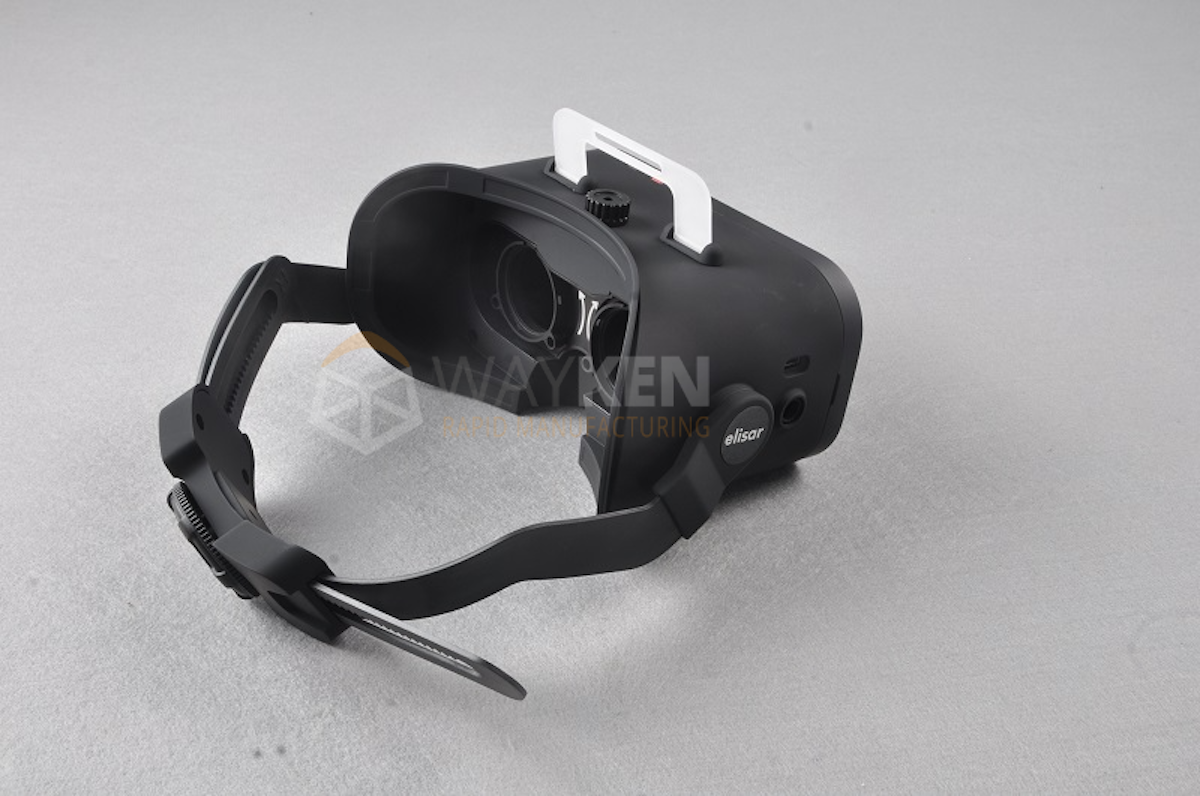
Both of these technologies partner to allow sports wearables to be durable and to also be light and convenient. Precision machining makes housings waterproof, and fast prototyping makes form factors easier to test by varying body sizes.
Consumer Electronics and Lifestyle Devices
Consumer electronic and electric devices, including augmented reality glasses and wireless earbuds, smart jewelry and wearable health trackers, always push the enclosure size and integration limits of explained functionality. There is no margin of error in this industry as we use it to characterize usability. A misalignment of a hinge within a single millimeter can undermine durability, cause electrical connection points to fail, or can render a complete device insecure. CNC machined parts give a stable route to defeat the challenges. Engineers can create multi-layered hinges, ultra-thin shells, and miniature connectors which retain their dimensional integrity throughout the daily wear process, frequent replenishment, or in the presence of the environment.
Rapid prototyping manufacturing is equally important in closing the gap between design intent and ergonomic validation. Full size prototypes enable designers to trial user experience, test of comfort, weight balance, tactile experience and appearance without committing to expensive tooling or mass-production. This is an iterative stage to success in consumer-oriented industries as perception usually takes precedence over technical specifications.
Combining accuracy machining with rapid prototyping, manufacturers guarantee that both functionality and visual appearance will stay the same. Such hybrid treatment not only speeds up market preparation but also reduces financial risk, which reinforces competitiveness in a constantly evolving consumer electronics business environment.
Industrial and Healthcare Monitoring Devices
The wearable technology is not limited to consumer market to industrial safety and healthcare. Sensors are used to track fatigue, posture and occupational exposure to hazards. Patients count on medical wearables to monitor vital signs on an uninterrupted basis. Such applications require a high level of comfort as well as extreme reliability.
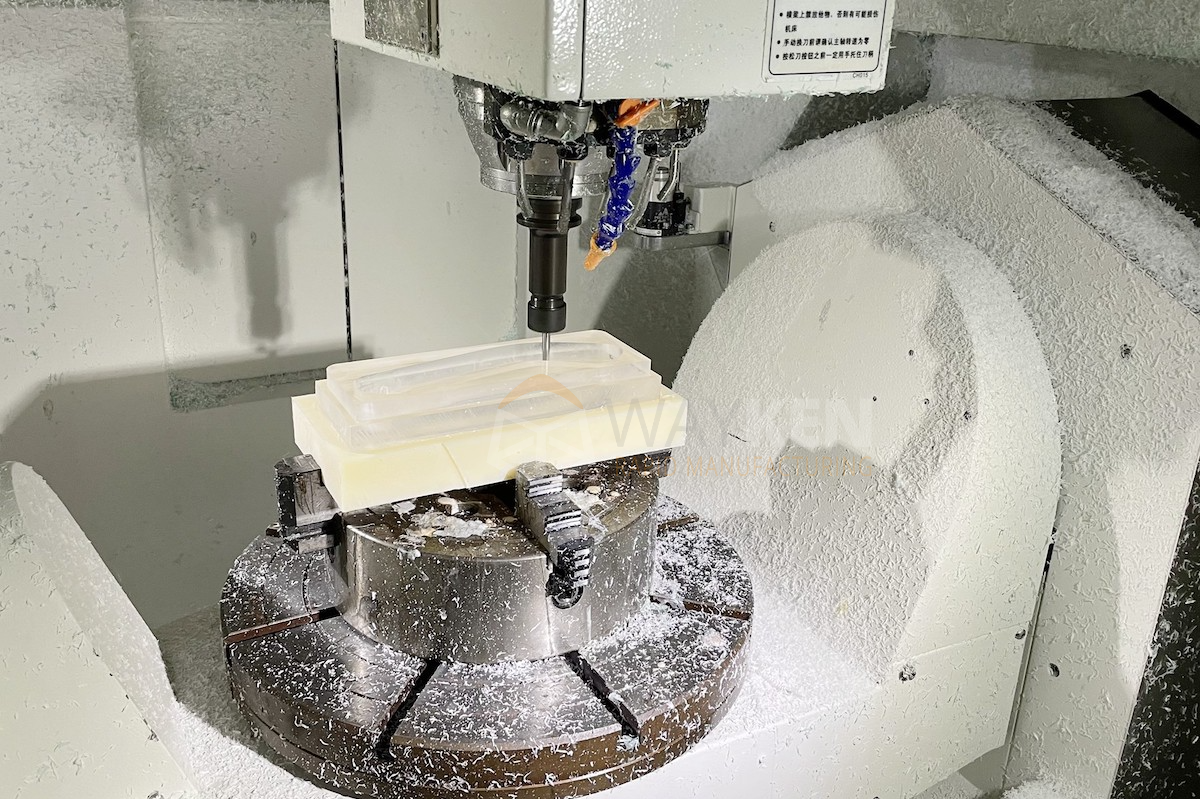
In case of industrial grade equipment, CNC machined parts will guarantee vibration and dust resistance as well as high temperature. Sensor modules have machined casing that provides sealing at demanding conditions. Simultaneously, the process of building rapid prototypes accelerates the testing of how to mount, strap the part, and protect the battery. This will enable engineers to establish reliability during field trials prior to transition to regulated production.
Accuracy means something different in healthcare. Devices should be subjected to very high levels of biocompatibility and sterilization. CNC machined parts furnish make it possible to correct housings, clips, and implantable parts, which need guaranteed perfect accuracy of the dimensions at an early design stage. Using rapid prototype production, development teams are able to worry over shapes quickly that increase patient comfort without exceeding regulatory testing standards.
Such a dual channel can process safety and speed, making wearable technology viable in a life-or-death setting. By ensuring redundancy and rapid response, devices achieve both reliability and user trust.
Conclusion
The wearable technology is a success that depends on accuracy, velocity and dynamism. The developers reduce design cycles and optimize ergonomics through the rapid prototype manufacturing. In the CNC machined parts, they ensure structural safety and reliability in the various applications. These strategies collectively make the process quicker and allow industries, such as sports and lifestyle or medical and industrial safety, to scale the provision of reliable wearable solutions.

