


You could almost casually call Google Photos an editing app, and you wouldn’t be wrong. It started as a simple place to back up images, but has become a full-blown creative studio hiding behind an innocent gallery interface. Buried inside are smart tools built from Gemini that now do far more than crop and brighten.
You can correct lighting with a tap, and even change picture elements with Magic Editor. These tools have been trickling in over the years, and gone unnoticed unless you go digging through editing options. But the latest update makes the transformation impossible to ignore.
AI takes over your gallery in this new update
Google Photos is stepping out of a utility role and fully embracing creativity. It's rolling out two powerful features that turn your static pictures into either short videos or stylized illustrations.
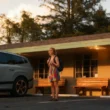
The first tool animates a photo into a six-second video, using the Veo 2 AI engine. Parts of your image gently shift to give the illusion of life and you'll pick the prompt that makes it happen. Facial features might breathe, lights might flicker, trees might sway, depending on what’s in the frame and how creatively the tool interprets the scene.

The second feature is called Remix and is more like a sketch artist. You feed it a photo, and it redraws it completely in any chosen style, including anime, comic book, hand-drawn sketch, and 3D render.

Those selfies you don't like could easily be turned into a manga character or a Pixar-style rendering instead of hiding them or deleting them permanently. When these features go live, you'll see a new Create tab in the Photos app. It will sit in-between the Collections and Search tabs to make the interface cleaner and unify AI tools. It's set to roll out sometime in August.
Related: Essential Tips for Google Photos Cleanup
Let intelligence meet your creativity halfway
As Google leans deeper into generative tools, they're getting serious about rules and conduct. Conditions now apply to its latest features as every image or video you make will carry visible and invisible watermarks.
The visible one will let casual viewers know that it's generated content. The last thing we need is more confusion as it's becoming harder to tell what's been artistically created with human hands or faked with machines.
The invisible watermark will be a product of SynthID, in that it embeds metadata into the file itself. Metadata can persist even if you edit the file or reupload it elsewhere. These changes aren’t limited to Photos.

The photo-to-video tool is also landing on YouTube Shorts. It works similarly there where you'll still pick an image, and AI generates a six-second animation. But the context, this time around, is more public-facing and meant for sharing.
Initially, this feature is coming to users in the US, Canada, Australia, and New Zealand. However, Google plans to bring it to more regions later in the year. At the same time, YouTube is launching what it calls an “AI playground”.
It's where users can try out generative tools, browse galleries of examples, and play with pre-filled prompts. This curated zone is majorly for experimentation, so that you will have a low-pressure way to test what’s possible with AI before building something for a wider audience as a creator. Hopefully, it doesn't make them hike pricing for plans as they've done before.

