



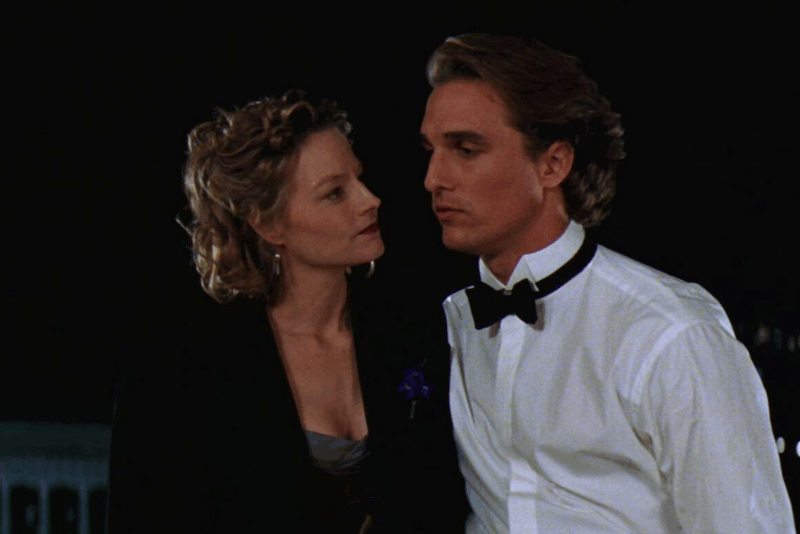
Streaming services have become a treasure trove for discovering overlooked cinematic gems. Netflix has just added Robert Zemeckis' thought-provoking 1997 sci-fi masterpiece ‘Contact' to its library. This philosophical journey starring Jodie Foster deserves a second look, especially for its groundbreaking visual techniques and deep exploration of science versus faith.
A cosmic journey rediscovered on Netflix
Science fiction enthusiasts have a new reason to celebrate as Robert Zemeckis' underappreciated classic ‘Contact' has landed on Netflix's streaming platform. Released in 1997, this thoughtful exploration of extraterrestrial communication often gets overshadowed by more action-packed entries in the genre. Based on renowned astronomer Carl Sagan's novel, the film offers a rare combination of scientific accuracy and philosophical depth that continues to resonate with viewers nearly three decades later.
Starring Jodie Foster as Dr. Ellie Arroway, the film follows a dedicated SETI scientist's quest to detect signals from distant civilizations. When she finally intercepts a mysterious transmission from the star Vega, it triggers a global race to decipher its meaning and build the enigmatic machine described in the alien instructions. Unlike many sci-fi blockbusters, ‘Contact' prioritizes intellectual curiosity over spectacle, making it a refreshing addition to Netflix's sci-fi catalog.
The film's arrival on the streaming giant provides an excellent opportunity for both first-time viewers and those looking to revisit this cerebral adventure. While often absent from discussions about the greatest sci-fi films, Contact stands as one of the most scientifically credible and emotionally resonant entries in the genre, deserving far more recognition than it typically receives.
Revolutionary filmmaking techniques that still impress
What makes ‘Contact' particularly remarkable is Zemeckis' innovative approach to visual storytelling. The film features one of cinema's most ingenious and technically challenging sequences – the famous “mirror shot” featuring young Ellie. In this seamless scene, we watch as the character runs upstairs to a medicine cabinet, with the camera seemingly following her through a mirror – an optical illusion that required sophisticated composite work long before today's advanced CGI techniques.
Visual effects supervisor Ken Ralston revealed that this memorable sequence combined two separate shots with a blue screen strategically placed on the mirror during filming. The first segment was later composited onto this surface in post-production, creating the illusion of impossible camera movement. This technical achievement exemplifies Zemeckis's commitment to pushing cinematic boundaries while serving the emotional core of the story.
Beyond this standout moment, the film features numerous visually striking sequences, including the breathtaking journey through wormholes and the awe-inspiring representation of distant star systems. These elements weren't just visual flourishes but served to immerse viewers in Ellie's profound experience of cosmic discovery. The film's ability to blend groundbreaking techniques with emotional storytelling makes it worthy of rediscovery by today's audiences.
Star-studded cast elevating philosophical sci-fi
Jodie Foster delivers one of her most compelling performances as the brilliant and determined Dr. Ellie Arroway. Her portrayal of a scientist driven by both professional curiosity and personal loss creates an emotional anchor for the film's heady concepts. Foster's ability to convey complex scientific ideas while maintaining emotional authenticity makes the film accessible, despite its intellectual ambitions.
The supporting cast provides exceptional depth, with Matthew McConaughey offering a nuanced performance as Palmer Joss, a theologian who challenges Ellie's purely scientific worldview. Their philosophical debates form the heart of the film's exploration of the relationship between science and faith. Veterans like Tom Skerritt, James Woods, John Hurt, and William Fichtner round out the ensemble, each bringing gravitas to their respective roles.
David Morse's brief but pivotal role as Ellie's father creates emotional resonance that echoes throughout the narrative. These performances collectively elevate the material beyond typical genre fare, creating a rich tapestry of human perspectives on one of humanity's most profound questions: Are we alone in the universe?
Where science meets faith in modern storytelling
Unlike many science fiction films that position science and religion as opposing forces, ‘Contact' creates a sophisticated dialogue between these worldviews. Zemeckis presents both perspectives with respect and nuance, refusing to provide easy answers to the existential questions raised by the possibility of extraterrestrial contact. This approach is becoming increasingly relevant in today's polarized discourse surrounding scientific authority and spiritual belief.
The film's central question—whether something must be empirically proven to be accurate or meaningful—resonates powerfully throughout its narrative. Ellie's journey becomes both a scientific discovery and a spiritual awakening, challenging viewers to reconsider their perspectives on truth and faith. Few sci-fi films dare to explore these philosophical territories with such intellectual honesty and emotional depth.
For viewers accustomed to more action-oriented science fiction, ‘Contact' offers a refreshingly contemplative alternative that prioritizes ideas over explosions. Its willingness to sit with uncomfortable questions rather than rushing to neat conclusions makes it particularly worth revisiting in our current era of quick consumption and instant gratification. The film rewards patient viewing with insights that continue to provoke thought long after the credits roll.
With its addition to Netflix's streaming library, this forgotten sci-fi gem has the opportunity to find the appreciation it has long deserved. Whether you're discovering it for the first time or returning for a fresh perspective, ‘Contact' promises a thought-provoking journey to the stars and into the human condition.