




The S25+ launched with its siblings earlier in the year as a mainstream big-screen model in the lineup. It struck a nice balance between size, power, battery life, and price. Months later, Samsung dropped the S25 Edge that was supposedly the reimagined S25 phones in a slimmer and lighter form factor. Maybe even the slimmest smartphone Samsung has ever made. Let's unpack their most important features and conclude on which phone offers more value for the price.
Specs overview: Galaxy S25+ Vs S25 Edge
| Images: | 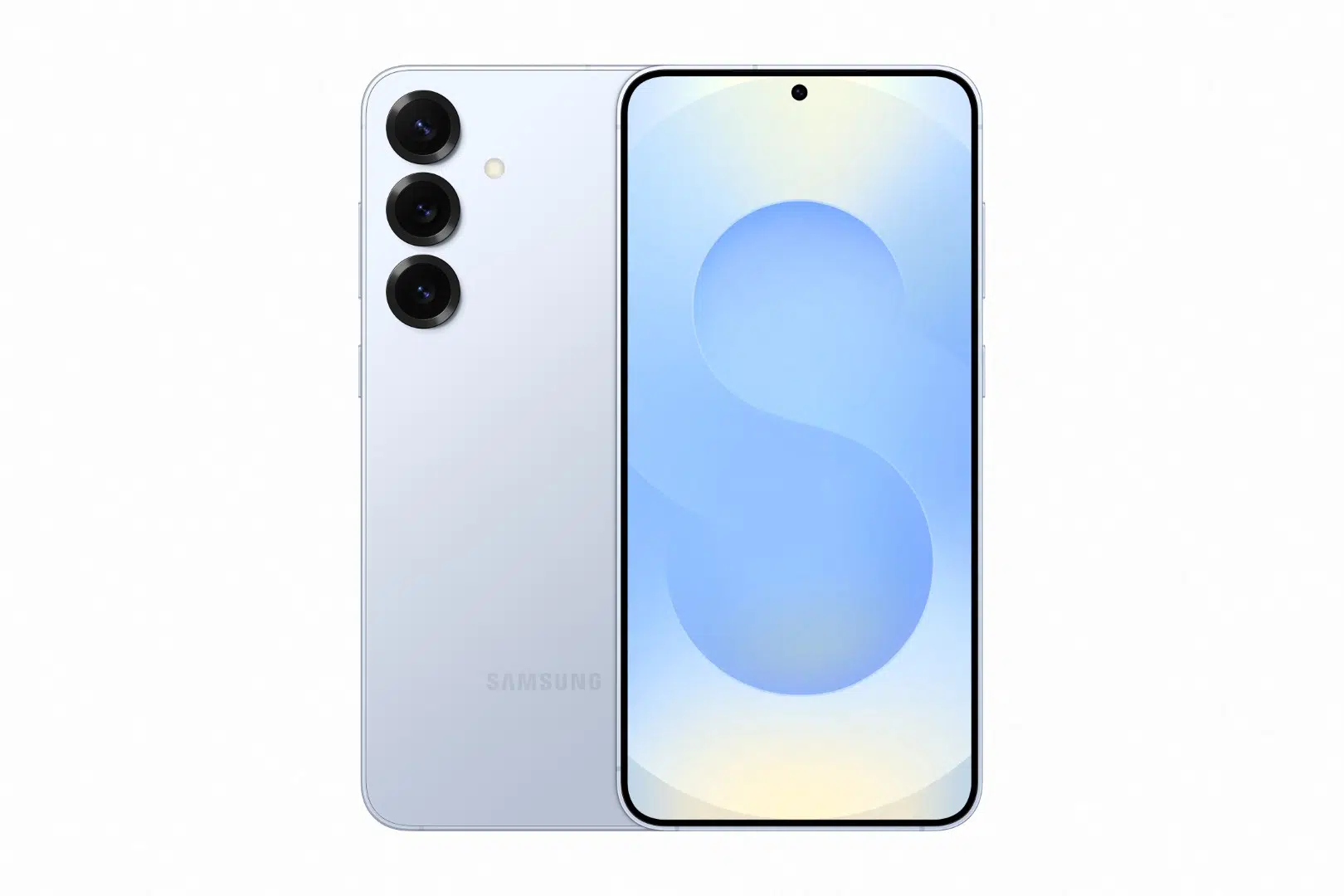 | 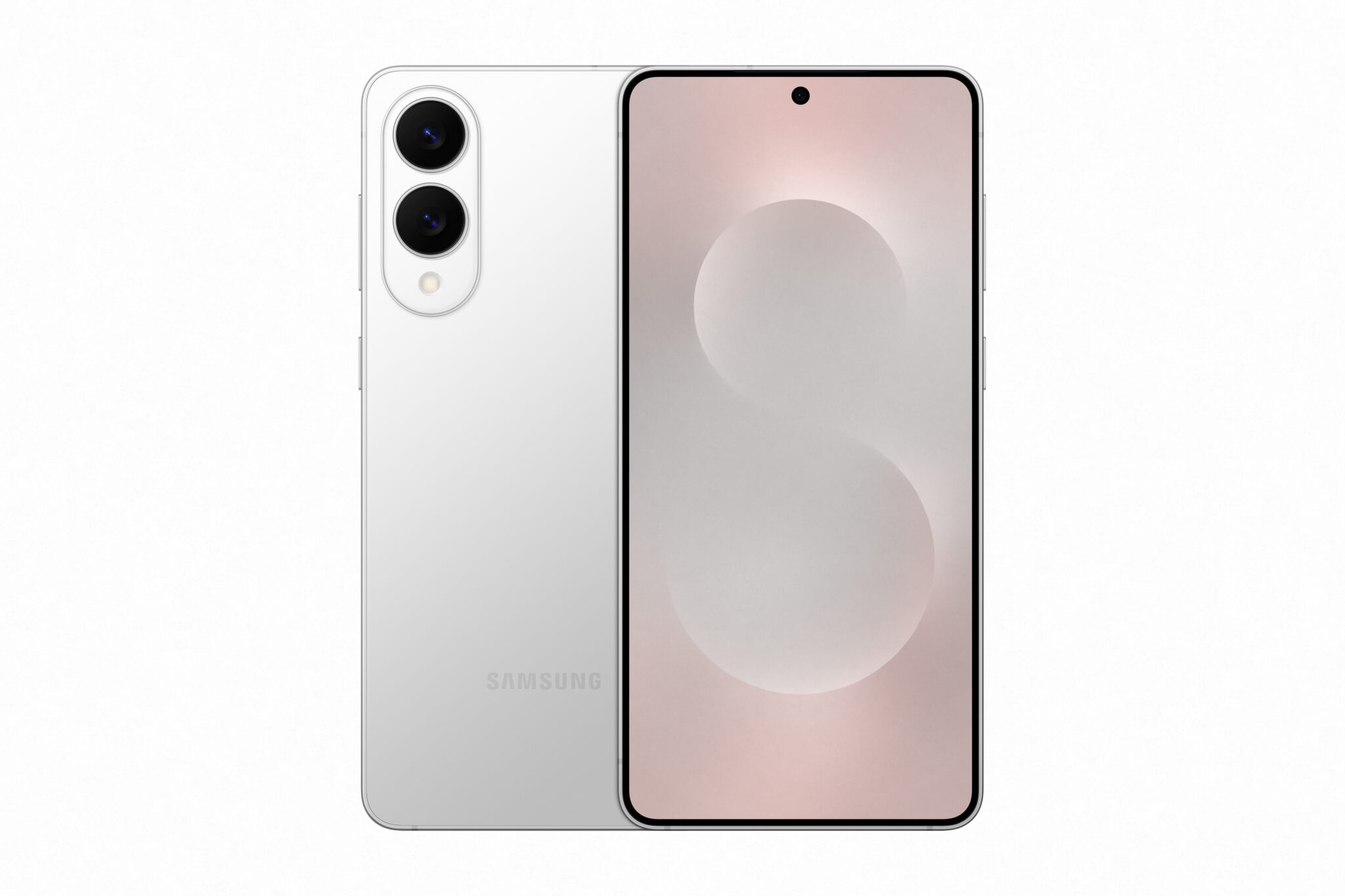 |
|---|---|---|
| Component | Galaxy S25+ | Galaxy S25 Edge |
| Display | 6.7-inch Dynamic LTPO AMOLED 2X, 1440 x 3120 pixels, 120Hz, 2600 nits peak | 6.7-inch LTPO AMOLED 2X, 1440 x 3120 pixels, 120Hz, 1416 nits measured |
| Processor | Snapdragon 8 Elite (3nm), Adreno 830 | Snapdragon 8 Elite (3nm), Adreno 830 |
| RAM | 12GB LPDDR5X | 12GB LPDDR5X |
| Storage | 256GB, 512GB UFS 4.0 | 256GB, 512GB UFS 4.0 |
| Main Camera | 50MP wide (OIS) + 10MP telephoto (3x optical zoom) + 12MP ultrawide | 200MP wide (OIS) + 12MP ultrawide |
| Front Camera | 12MP | 12MP |
| Battery | 4900mAh | 3900mAh |
| Charging | 45W wired, 15W wireless, 4.5W reverse wireless | 25W wired, 15W wireless (reverse wireless not advertised) |
| Build | Armor Aluminum 2 frame, Gorilla Glass Victus 2 front & back | Titanium frame, Gorilla Glass Ceramic 2 front, Gorilla Glass Victus 2 back |
| Thickness & Weight | 7.3mm, 190g | 5.8mm, 163g |
| Water Resistance | IP68 | IP68 |
| Software | Android 15, One UI 7, 7 years of major updates & security | Android 15, One UI 7, 7 years of major updates & security |
| Price | Starting from $1,000 | Starting from $1,100 |
Design
The Galaxy S25+ carries forward the familiar Galaxy S-series design language. On the back, you get three distinct cameras vertically aligned along the top-left, each housed in its own metal ring that’s slightly raised off the panel. The back glass curves subtly into the frame, and the frame itself uses Samsung’s Armor Aluminum 2, while both front and back panels are protected by Gorilla Glass Victus 2.

The phone weighs 190g and is 7.3mm thick, and really does hit a middle ground that works well for most users. On the front, the display is nearly bezel-less with slightly rounded corners and there’s a centered punch-hole selfie camera.
On the other hand, Samsung has engineered the S25 Edge specifically for slimness. It's merely 5.8mm thick and weighs 163g, making it one of the thinnest and lightest phones they’ve ever made.
The frame is flat, squared-off, and crafted from titanium to add strength. That Titanium design is available in three colorways. The front is protected by Gorilla Glass Ceramic 2, while the back uses Victus 2 and gives off an almost jewelry-like quality. Although it looks fragile, it handles bending excellently.

Most notably, the camera design has changed. Instead of the familiar triple-stack, the S25 Edge has an elongated pill-shaped camera island housing only two cameras that are vertically aligned and positioned toward the top-left side of the back.
The phone’s sides are completely flat with sharp edges and prominent chamfers. Undoubtedly, its slimness comes at the cost of certain hardware features, which we’ll cover eventually. Brace yourself.
Display
The S25+ and S25 Edge are nearly identical. Each phone features a 6.7-inch LTPO AMOLED 2X panel running at 1440 x 3120 resolution, with a 120Hz adaptive refresh rate and HDR10+ certification. Both also use Samsung’s latest display technologies and look fantastic at first glance.
However, the Galaxy S25+ is a physically larger phone with a thicker chassis and a larger battery that gives it far more headroom to sustain peak brightness. Samsung rates the S25+ at 2600 nits peak brightness, and in testing, it actually gets close to that figure, particularly in direct sunlight and during HDR playback. More importantly, it can maintain higher brightness for longer.

In less complicated words, you can take the phone outdoors on a hot day, fire up YouTube HDR or Netflix, and the screen will still deliver vivid results, especially because of Samsung's characteristically tuned AMOLED glass.
The S25 Edge, however, screams trade-offs from the start. Thermal dissipation is not something people commonly consider when buying a phone. But I think it's one factor you'll never ignore in the future after buying the Edge.

First, Samsung officially rates the Edge’s peak brightness around 1,416 nits. It fluctuates much more aggressively than the brighter ratings on the S25+. Worse, the thin body can’t spread heat as effectively, and the system will throttle screen brightness far sooner to avoid overheating.
So you'll enjoy your phone better indoors rather than outside on a hot day. Again, both phones offer great factory calibration in terms of color. But the S25+ delivers more natural and balanced and balanced results. The Edge sometimes skews a little cooler or delivers oversaturated results under certain lighting conditions. You’d likely only notice this in side-by-side comparison, but as a reviewer, it’s worth pointing out.
Performance and memory
The Galaxy S25+ and S25 Edge use Qualcomm’s Snapdragon 8 Elite chipset paired with 12GB of LPDDR5X RAM and either 256GB or 512GB of UFS 4.0 storage. The chip is among the best Android chips you can get. It's TSMC’s second-gen 3-nanometer process, and carries two high-frequency Oryon V2 Phoenix L cores that clock up to 4.47 GHz, six additional Phoenix M cores, and the powerful Adreno 830 GPU.
It practically flies in everything from demanding games to creative apps. Booting is just around 15 seconds, and the 120Hz refresh rate makes scrolling everywhere incredibly smooth.
The Galaxy S25+ the key advantage of space since Samsung has packed a fairly large vapor chamber and a well-designed thermal stack to manage heat inside it. The Edge simply doesn’t have the physical volume to include a comparable cooling solution.

Samsung is using the titanium frame as a kind of passive heat spreader, and it helps a bit. But there’s no escaping the fact that the internals are crammed together with much less thermal headroom.
In light tasks, you shouldn't experience any issues. The Edge is just as fast and snappy as the Plus phone. But if you try to take advantage of 4K video rendering, AI-enhanced photography, and other demanding tasks, you'll notice some heating.
That aside, let's discuss memory. Samsung’s phones offer 12GB of RAM for every memory choice, nothing more and nothing less. Storage is also a tie as both phones offer 256GB or 512GB of UFS 4.0 storage. Apps install almost instantly and transferring files through USB-C 3.2 is nearly as fast as using a modern SSD.
The lack of a 1TB option is a shame, particularly on the Edge which is positioned as a premium designer device. A 1TB option would have suited its niche audience, and having no microSD slot on either phone is a missed opportunity, given their already many limitations.
Battery
The Galaxy S25+ comes with a 4,900mAh battery, paired with 45W wired charging, 15W wireless, and 4.5W reverse wireless. The S25 Edge trims down the capacity aggressively to a 3,900mAh battery, a full 1000mAh smaller than the S25+.
Charging drops to 25W wired and 15W wireless and reverse wireless wasn’t advertised. It wouldn’t be necessary anyway, considering that you barely have enough battery to last the day for yourself.
The battery capacity on the S25+ is much more reasonable for the hardware. In fact, if Samsung had leaned a bit more, we would’ve seen this comfortably hit 5000mAh or even 5100mAh, which is very achievable in a phone of this size and thickness. Reasonable is not a word I can't associate with the Edge. It's definitely… something.
Cameras
The S25+ has three cameras: 50MP wide, 10MP telephoto with proper 3x optical zoom, and a 12MP ultrawide lens. These combinations are more versatile than the options on the Edge. You can take portrait pictures with actual optical compression, zoom in on details without everything turning to mush, and capture group shots or landscapes with the ultrawide lens. The phone also uses Samsung’s overly marketed ProVisual Engine to refine images with HDR across all three lenses.

On the other hand, the S25 Edge offers a 200MP main sensor that should awe anyone, especially with its insane level of detail. You can crop images to your heart's content and still have plenty of resolution left. However, there's no dedicated telephoto lens and you're stuck with digital cropping.

To its credit, the high-res main lens still delivers respectable short-range zooms of 2x and even 3x under the right lighting. If you push beyond that, image quality will degrade. The selfies are roughly even since both phones use a 12MP front camera with strong 4K video resolution capabilities.
Related: OnePlus 13 vs Galaxy S25+ comparison
Software
Both the Galaxy S25+ and S25 Edge ship with Android 15 running One UI 7 out of the box. Feature-wise, there’s no difference, so you'll see all the Galaxy AI introduced recently, including Circle to Search, Live Translate, Transcript Assist, and Reimagine.
You also get to experience Samsung’s usual multi-device integration with Galaxy Buds, Watches, Tabs, and SmartThings products. One UI 7 this year brings a few meaningful refinements. For one, it’s better optimized for the tri-band Wi-Fi 7 stack and Ultra Wideband (UWB) features that both the S25+ and S25 Edge support.

AI-driven battery management has been pushed harder, with more intense adaptive performance modes that attempt to stretch battery life based on usage patterns. Ironically, they're more necessary on the Edge with its smaller battery.
Both models are promised seven years of Android OS upgrades and security patches. So whether you choose the S25+ or the S25 Edge, longevity is guaranteed.
Which side of Samsung's Galaxy do you belong in?
If you're considering both phones to replace your current device, buy the Galaxy S25+. It's just way better. It offers a well-rounded package for the price. The S25 Edge, on the other hand, is harder to justify.
Agreed, there’s a niche of users who genuinely love ultra-thin, ultra-light phones, and for them, the Edge may be appealing. But that audience is small. Samsung’s decision to launch an entirely separate model for that niche, while stripping down most of the features on the S25+, then charging even more than its predecessor, doesn’t add up for the average buyer.
If you specifically want one of the thinnest phones Samsung has ever built and are ready to live with the compromises, then go for it. But it can't be overstated that you’ll get more value and day-to-day satisfaction from the Galaxy S25+. It’s the clear winner.
