




Plastic is one of the most versatile and widely used materials in the world. From packaging to automotive parts, it plays a critical role in modern manufacturing. Understanding the plastic manufacturing process is crucial for businesses and individuals interested in producing plastic products. This blog will guide you through the key steps, methods, and considerations in plastic manufacturing.
What is Plastic?
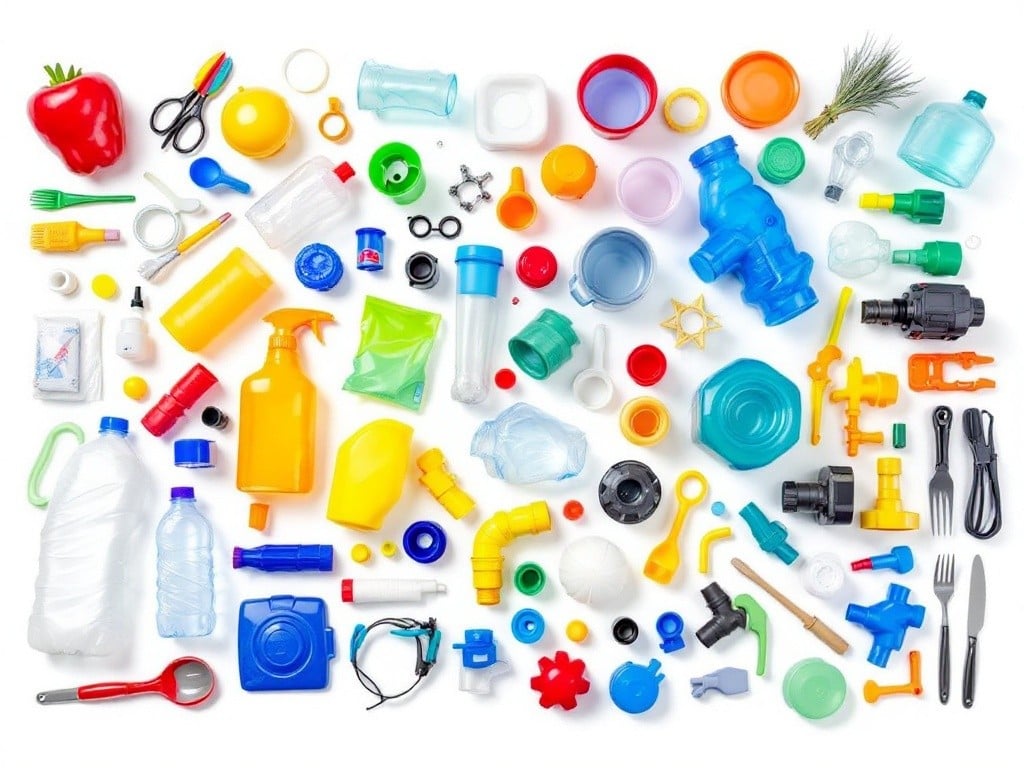
Plastic is a synthetic material made from polymers, which are long chains of molecules derived primarily from petroleum or natural gas. It can be categorized into thermoplastics, which can be melted and reshaped multiple times, and thermosetting plastics, which cannot be remelted after curing. Thermoplastics like polyethylene and polypropylene are widely used for consumer products and packaging due to their recyclability. In contrast, thermosetting plastics such as epoxy are valued for their durability and heat resistance, making them ideal for automotive and electrical components. Selecting the appropriate type of plastic ensures that the final product meets both functional and aesthetic requirements.
For businesses looking for reliable sourcing, plastic manufacturers in China provide high-quality materials tailored to meet diverse manufacturing needs.
Raw Materials for Plastic Manufacturing
The primary raw materials used in plastic production include:
- Petroleum and Natural Gas: These are the primary sources of monomers like ethylene and propylene, which are polymerized to form plastics.
- Additives: Chemicals added to improve plastic properties, such as stabilizers, plasticizers, and pigments.
- Recycled Plastic: Increasingly, manufacturers use recycled plastics to reduce environmental impact.
Sourcing high-quality raw materials is essential to ensure the final product’s performance and durability.
Steps in Plastic Manufacturing
1. Polymerization
Polymerization is the foundational step where monomers, small chemical units, are chemically bonded to create polymers. This process comes in two main forms: addition polymerization, where monomers bond without by-products, and condensation polymerization, where bonding releases small molecules like water. The choice of polymerization method determines the molecular structure and properties of the plastic, such as its flexibility, strength, and heat resistance. Advanced polymerization techniques can also produce specialized plastics tailored for high-performance applications in industries like aerospace and healthcare.
2. Compounding
Compounding involves mixing the raw polymer with various additives to enhance its properties. Additives include colorants for aesthetics, reinforcements like glass fibers for strength, and stabilizers to resist environmental factors such as heat and UV light. The compounded mixture is then typically processed into pellets or granules for easier handling in subsequent manufacturing stages. This standardization ensures consistent material quality, which is crucial for large-scale production and maintaining product reliability across batches.
3. Forming and Shaping
The forming and shaping stage transforms the compounded material into the desired product. Methods like injection molding involve injecting molten plastic into a mold to create complex shapes, making it ideal for mass production of automotive parts and toys. Extrusion pushes melted plastic through a die to produce uniform items like pipes and films, while blow molding uses air pressure to shape hollow objects like bottles. Thermoforming, which molds heated plastic sheets, is commonly used for packaging. Each method is chosen based on the product’s design and application, ensuring efficiency and precision in production.
4. Finishing
Finishing is the final step that enhances the functionality and appearance of the plastic product. This can include trimming to remove excess material, surface treatments for added textures or coatings, and assembly to combine plastic parts with other materials like metal fittings. These processes ensure that the product meets all quality standards and is ready for use or sale. Proper finishing not only improves the product’s aesthetics but also its performance, making it suitable for the intended application and appealing to end users.
Types of Plastic Manufacturing Methods
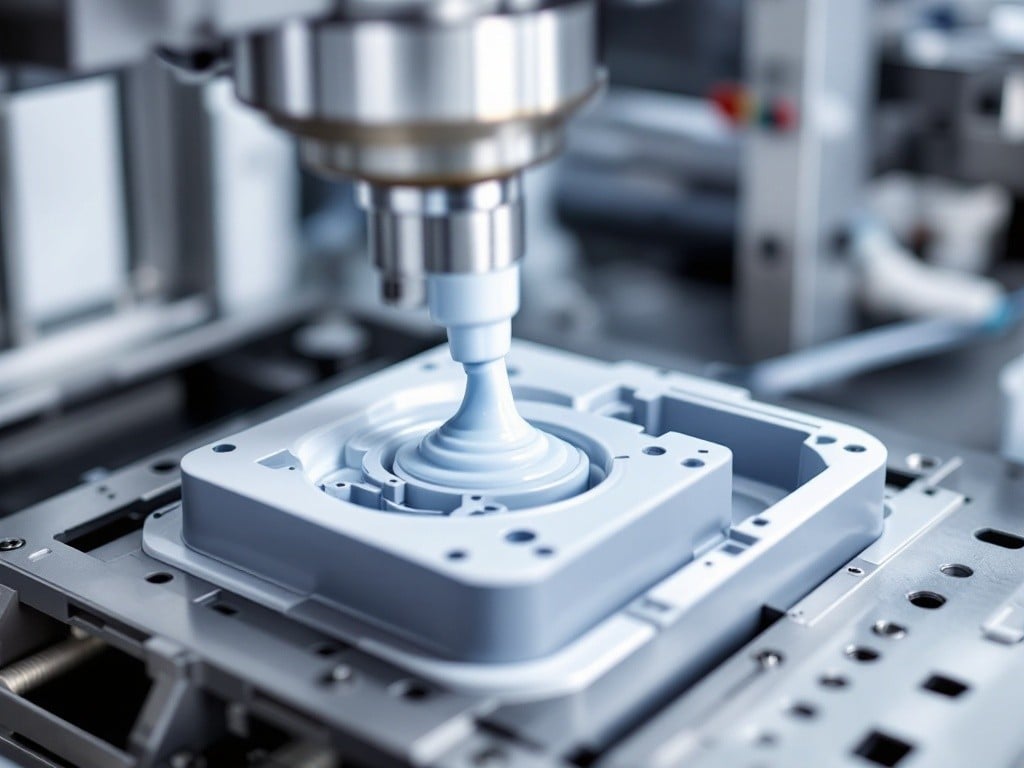
1. Injection Molding
Injection molding is the most commonly used plastic manufacturing process. Key steps include:
- Heating plastic until it melts.
- Injecting it into a mold under high pressure.
- Cooling and ejecting the molded part.
Advantages:
- High precision and repeatability.
- Suitable for mass production.
- Can produce complex shapes with intricate details.
2. Extrusion
In extrusion, plastic is melted and pushed through a shaped die. Common products include pipes, tubing, films, and profiles for construction applications.
Advantages:
- Cost-effective for continuous production.
- Produces long and uniform products with minimal waste.
3. Blow Molding
Blow molding is used to create hollow plastic products. The process involves:
- Forming a parison (a tube of molten plastic).
- Expanding it into the shape of a mold using air pressure.
Advantages:
- Ideal for lightweight and hollow products like bottles, containers, and drums.
- High-speed production suitable for mass manufacturing.
4. Rotational Molding
This method is used for creating large, hollow items like tanks, kayaks, or playground equipment. Key steps include:
- Adding plastic powder to a mold.
- Rotating the mold while heating to evenly coat the interior.
- Cooling to solidify the product.
Advantages:
- Uniform wall thickness.
- Low tooling costs, making it suitable for small production runs.
5. 3D Printing
3D printing is a newer method for producing plastic products layer by layer using a digital model. It’s commonly used for prototyping and small-batch production.
Advantages:
- Highly customizable, enabling the creation of complex geometries.
- Minimal waste compared to traditional methods.
- Ideal for quick iterations during the design phase.
Challenges in Plastic Manufacturing
Manufacturing plastic involves challenges such as:
- Raw Material Costs: Fluctuations in petroleum prices can impact production costs.
- Environmental Regulations: Complying with stricter laws can increase operational complexity.
- Technological Advancements: Keeping up with new technologies requires continuous investment.
- Market Competition: Competing with low-cost manufacturers can pressure pricing and margins.
Addressing these challenges requires strategic planning and innovation.
Conclusion
Manufacturing plastic is a multi-step process that involves polymerization, compounding, shaping, and finishing. With various methods like injection molding, extrusion, and 3D printing, businesses can produce a wide range of plastic products. While challenges exist, adopting sustainable practices and ensuring quality control can lead to successful operations.
Whether you’re a small business owner or part of a large enterprise, understanding the fundamentals of plastic manufacturing can help you make informed decisions and achieve your production goals.

