



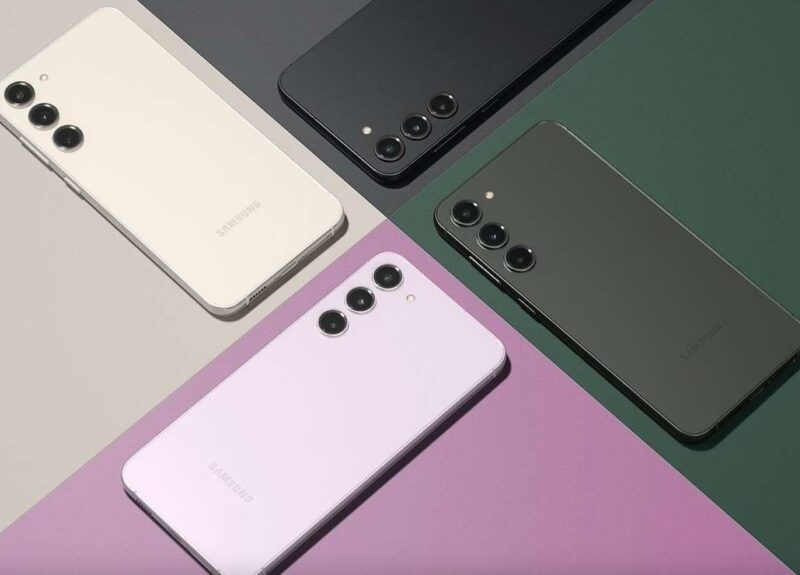
The revolution in the gaming landscape has ushered in a new era, as blockchain technology powers the way to GameFi, a combination of gaming and decentralized finance. However, this evolution is being driven by blockchain platforms like Solana that are known for their ability to process transactions at the high speed, high scalability and low cost. The coalescence between Solana’s blockchain technology and Android devices promises in its wake the reinvention of the gaming world, providing millions of mobile users access to GameFi by 2025.
To understand the growth of the Solana ecosystem it is important to understand the role Solana Price plays. Market sentiment, network adoption, and ability to power applications like GameFi and Solana price are influenced by each other. GameFi and its need for seamless in game economies and NFT marketplaces is well supported by Solana’s blockchain with its high throughput and low transaction fees. These things all make it a preferred platform for developers, and gamers alike.
How GameFi Arrived on Solana
GameFi (a shorthand for gaming finance) refers to putting two and two together by combining gaming with blockchain-enabled monetary incentives; player rewards are earned in the way of cryptocurrencies, NFTs, or in-game assets holding real-world value. One of the factors that makes Solana such a major player in the GameFi space is that it’s able to handle a great deal of transactions fast and cheap, an important consideration when we’re talking about games with thousands or even millions of daily users.
Key Features That Make Solana Ideal for GameFi:
High Speed: With over 65,000 transactions per second, you’ll have no lag ruining your gameplay.
Low Fees: Starkly different from Ethereum, transaction costs on Solana are usually less than $0.01, and microtransactions in gaming become economical.
Robust Ecosystem: A growing ecosystem of GameFi projects, NFT marketplaces, and decentralized applications (dApps) relies on the base layer of the Solana network.
How Android Devices Serve as a Gateway to GameFi
GameFi services will be delivered on Android devices with a global reach and at an affordable price. However, by 2025, Android technology will be improved to heavily boost the gaming experience of blockchain-based titles. Key trends include:
Improved Hardware: Blockchain games will run on high quality graphics with smooth gameplay facilitated by the enhanced GPUs and processors.
Better Connectivity: With 5G networks, we’ll have low latency, which is needed for real time gaming.
Crypto Integration: This will make access to Solana based games easier by leveraging native support for crypto wallets and decentralized applications.
With more than 70% of the global smartphone market, Android can push its blockchain's gamification concepts to over a million users and potentially drive millions of users to access GameFI ecosystems built on Solana.
How Solana and Android Can Change Mobile Gaming
1. Play-to-Earn Models
The cornerstone of GameFi is Play to Earn (P2E). Players can participate in games in order to earn rewards, which can be Solana tokens or NFTs. Players are paid, and these funds can be sold, traded, or used in the game; therefore, there is an economic reason for using the app as well.
Example: An RPG game on Solana based on Android could let players claim NFTs at the finish of quests or Solana tokens after a battle has been won. Then, these assets could be sold in various NFT marketplaces on Solana, or users could use them to upgrade in-game items.
2. NFT Marketplaces
The blockchain of Solana allows users with NFT creation and trading at a fraction of the cost compared to other platforms. Solana’s ecosystem can be available to Android apps so they could offer gamers an elegant way to buy, sell and present their NFTs.
Use Case: Solana could be used by a mobile card trading game on Android to allow an NFT marketplace where players can trade rare cards at cheap transaction fees.
3. Decentralized Economies
Solana GameFi titles allow each player to have full ownership of their assets while playing the games using a decentralized in-game economy. These economies can scale globally and reach many different user bases because Android is an accessible platform.
Impact: For players in emerging markets, GameFi on Android devices could become a source of income alongside the fun that gaming gives.
The Impact on Solana Price
We can predict that the incorporation of Solana into the GameFi sector can greatly affect its price by 2025. Here’s how:
Increased Demand for SOL: As new blocks of GameFi projects start on Solana, the need for SOL tokens (for transactions and staking) will go up.
Higher Network Activity: Integrating GameFi on Android will raise the number of transactions on the Solana blockchain further reinforcing the utility and thus increasing investor confidence.
Ecosystem Growth: GameFi projects that succeed, can attract institutional investors and retail investors. This will further assist in growing Solana adoption, and price growth.
Challenges and Solutions
While the future of Solana-powered GameFi on Android looks promising, there are challenges to address:
1. User Education
Crypto wallets and blockchain technology aren’t known to many gamers. The key will be simplified onboarding processes and educational resources.
2. Scalability
However, at the same time, Solana is highly scalable but the growth of GameFi could strain its services. The network’s infrastructure is in the process of being upgraded to ensure that demand can be handled on an increased scale.
3. Security
Security of player assets and transactions is, of course, of the utmost importance. Hacks and frauds were too easy to impose so developers had to put in place robust measures to fight against them.
The Future of Mobile GameFi
In 2025, Solana’s blockchain capabilities, mixed with the reach of Android worldwide will bring mobile GameFi as the everyday way of playing games. Key trends to watch include:
Cross-Platform Integration: Cross play between mobile, PC and console platforms will become increasingly common gameFi titles.
AR/VR Gaming: Games of the future using the Solana blockchain could be realized as immersive AR/VR GameFi experiences on Android devices.
Enhanced Monetization: Innovative monetization models will be experimented with by developers, wherein part of the application's revenue will come from traditional in app purchases, whereas remainder from blockchain driven rewards.
GameFi, on Solana, is the next big thing for Android devices and will transform gaming by 2025. This has created a perfect medium for building decentralized gaming experiences, and with its high speed and low fees, its growing ecosystem makes Solana the perfect foundation. Meanwhile, Android provides a platform ensuring that these are experiences that reach a worldwide audience.
With the pace of adoption increasing for GameFi, the Solana Price will closely reflect the utility and market demand of the platform. The opportunity to participate in the next generation of gaming and blockchain innovation provides an exciting opportunity to synergise Solana and Android for both players and investors alike.