



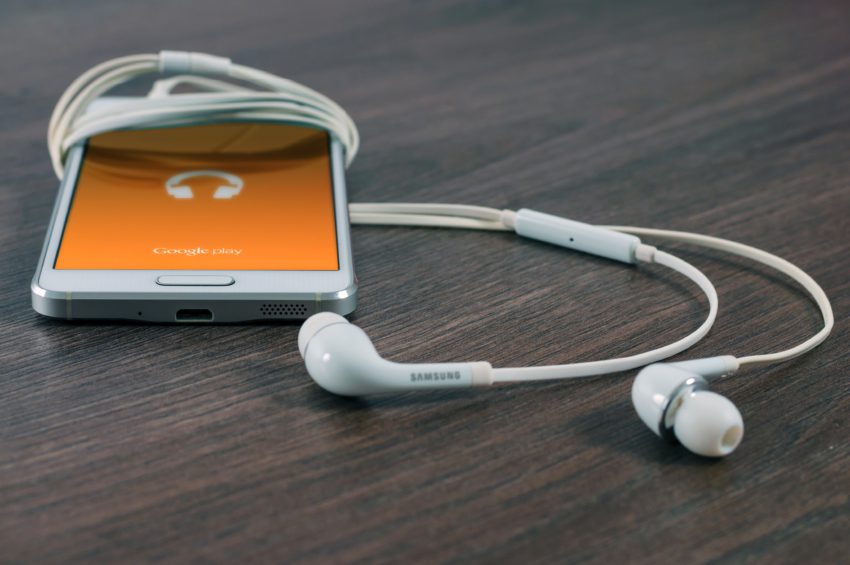
Google Play Music has evolved over the years, but Google is putting the nail in its coffin with YouTube Music. We're seeing some (but not all) of Play Music's features make their way into Google's new and improved YouTube Music app, and that means eventually some old GPM features are going to be shut down.
That's happening at the end of this month, too, according to an email Google has sent out to some smaller artists. They'll be shuttering the artist hub, which means smaller musicians won't be able to upload music to the service anymore. Existing music will no longer appear in the app, either. But you know what? That's not surprising for a Google product.
In fact, axing great features and killing off excellent apps in favor of worse successors seems to be par the course for Google. Sometimes good apps just go by the wayside even without replacements.
Inbox is gone in favor of Gmail, despite many of Inbox's best features still missing from Google's main email app, and Allo flailed around for a couple years without ever gaining traction, even though that won't actually stop Google from burying Hangouts.
Google has a legitimately terrible record with cool apps and services, and that casts a pretty dark shadow over their upcoming Stadia streaming service. And Stadia is more like Google Play Music than you might think.
Whether or not Google plans to make Stadia a subscription pass service or a storefront, it has the potential to see the same problems that Google Play Music is facing. If the service allows you to stream games from a catalog without buying them individually, what evidence do you have that Google's going to fight to keep enough games on its service? That's a problem all subscription services have, and that's a massive hurdle Google will have to face.

And if it's not a subscription service, but instead you do have to buy your games individually, what happens in three years when Google gets bored of Stadia and shutters the service? You only bought those games on Stadia instead of a long-term platform like Steam or on a disc for your PlayStation. When Stadia goes belly up, so does your collection of games worth hundreds or potentially thousands of dollars. We're still not sure if that's not going to happen with purchased Play Music songs. And if anyone's going to struggle with backwards compatibility when/if Stadia 2 is a thing, it's Google.
The platform is also unique in that developers won't be able to port their games directly over from Windows or other game consoles, and that's yet another layer of complexity if Google gets distracted and doesn't pay attention to the service for months at a time, as Google is known to do.
Stadia is a technological marvel, and there's no arguing that. If a different company was in charge of it, I'd say it'd be worth jumping in early just to be a part of that. But with Google? You're just asking to get burned. Sit this one out.

I tend to find Google’s app and new services strategy to be really haphazard. They also “fail fast” by shuttering anything they don’t believe in really quickly.
While that’s good for the business, it leaves a lot of people hanging.
So a whole lot of what ifs and fear mongering. I assumed there’d be facts and logic. Google has successes and failures. This might be a success like Android or Gmail or Search or Chrome or any of the hundreds of Google success stories at this point.
Counterpoint:
Yes, their development model is frustrating for endusers. Even if they make the migration to Youtube Music painless, it’s bother. That’s the defining characteristic of longterm Google product usage. Bother.
I agree with most of this article, but FYI you can download high quality, DRM-free MP3s of your Google Play Music purchases which will work forever.
@Jared: fair that we don’t yet know how the pricing will work. Obviously if it’s a subscription model you are stuck in the trap of paying each month to gain access to games, not that this in and of itself is enough to deter gamers, especially the kind that dole out cash for their fav games on a regular basis or subscribe to things like Xbox Live and PlayStation Now.
However, I argue that GPM and Stadia are in two completely different product classes. When GPM launched, it was an also-ran service with a smaller library competing uphill against Spotify and Pandora, two well-known names in the streaming music category, and Google launched it under the Google brand, differentiating itself in no meaningful way other than by its connection to Google.
But Stadia is positioned to be the first-in-mind for game streaming. No game streaming service launched previously has made it to critical mass (think PS Now, OnLive, etc.). Thankfully, this time Google has launched a new brand (and not something called Google Games or Google Gaming) and is in a technological position that makes it difficult, if not impossible for near competitors Sony or MS to catch up.
MS could build something like this, and I believe they are, but it will be exclusive to Xbox gamers and their ecosystem. Stadia will reap the advantages of being open to any device running Chrome (and likely other browsers soon after) as well as its deep integration with YouTube, two critical factors difficult to replicate.
Going back to GPM, consider that Google had no similar competitive leg-ups to Spotify or Pandora who were already top-of-mind for consumers (and artists) in the music streaming space. Google had little, if any insider access to the music industry, they did not integrate well with YouTube (which is many user’s defacto streaming service), and they did not provide any compelling reason to switch (I switched anyway out of convenience, but I do find that Spotify has a superior recommendation engine).
I see merits to your comparison, but not all Google products are alike and are treated alike.