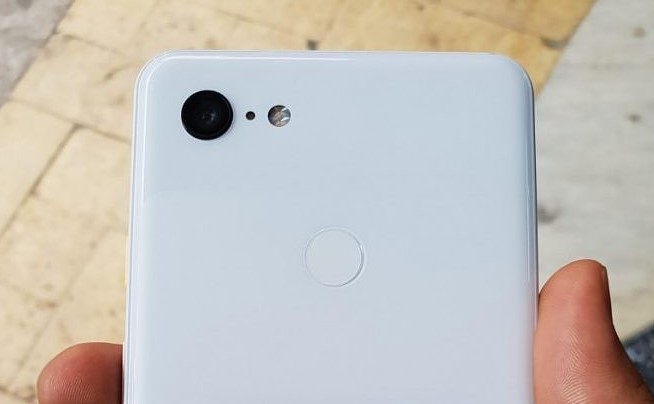


With under display fingerprint scanners continuing to capture the imagination of smartphone buyers who want to be on the cutting edge and see smartphones abandon the buttons or physical scanners currently used, there is a big race going on to get the technology to market by the bigger players. Thus far, only smaller companies like Vivo have managed to produce actual devices for the market with UDF scanners. Primarily due to supply issues, bigger companies like Apple and Samsung are still working to get the technology into their products. Newly released patent applications in the U.S. reveal Samsung has filed patents for UDF capable scanners that can utilize a variety of techniques to capture the fingerprint including ultrasonics.
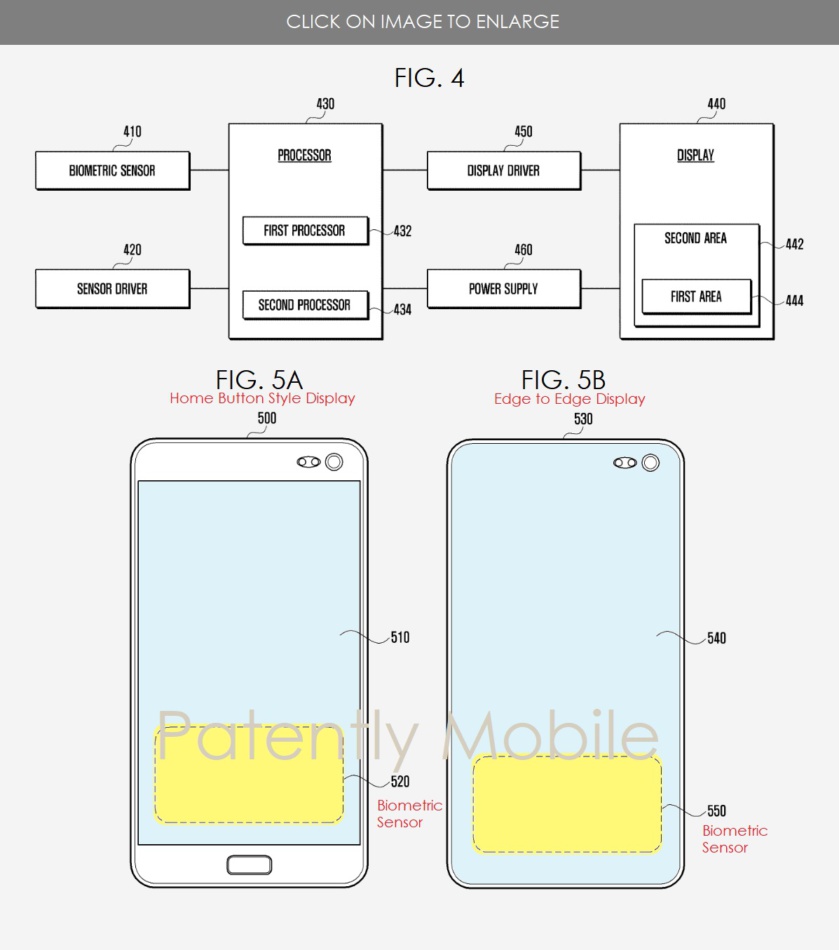
In the drawings provided by Samsung for the patent application, the company shows how the fingerprint sensor can be located under a portion of a smartphone display whether the phone uses a traditional display or one that is edge-to-edge. The application also notes that several different technologies could be used to capture the fingerprint. Those include an ultrasonic transmission/reception module, which appears to be Samsung's preferred method to be able to address shortcomings they believe exist with other methods. Other potential methods include infrared light, optical image sensors, or electrostatic electrode patterns.
Samsung also notes in the patent application that the sensor could be used in more places that just under the screen. The next most obvious location might be within the back side of a smartphone. Other potential locations could include the edges of a device or even a button.
The big question for most with regard to this is how close Samsung may be to actually producing such a sensor and in large enough numbers to be able to ship with a leading product. There may be some holding out hope that the technology made it into the forthcoming Galaxy Note9. However, a more likely scenario points to the UDF being included in the Galaxy S10 slated to be released in early 2019.
source: Patently Mobile