
Every phone launch is meant to be a triumph, with the big stage, the glossy adverts and the queues outside the shops. Sometimes it goes horribly wrong instead.
Here are 20 launches that turned into nightmares. One recall cost billions, one $1,980 phone broke in reviewers' hands, and one reception problem forced Apple to call a press conference. One handset was pulled after just 48 days on sale.
Some of these flops cost fortunes, a few played out live on stage, and a handful changed the phone in your pocket today.
1. Samsung Galaxy Note 7 (2016)
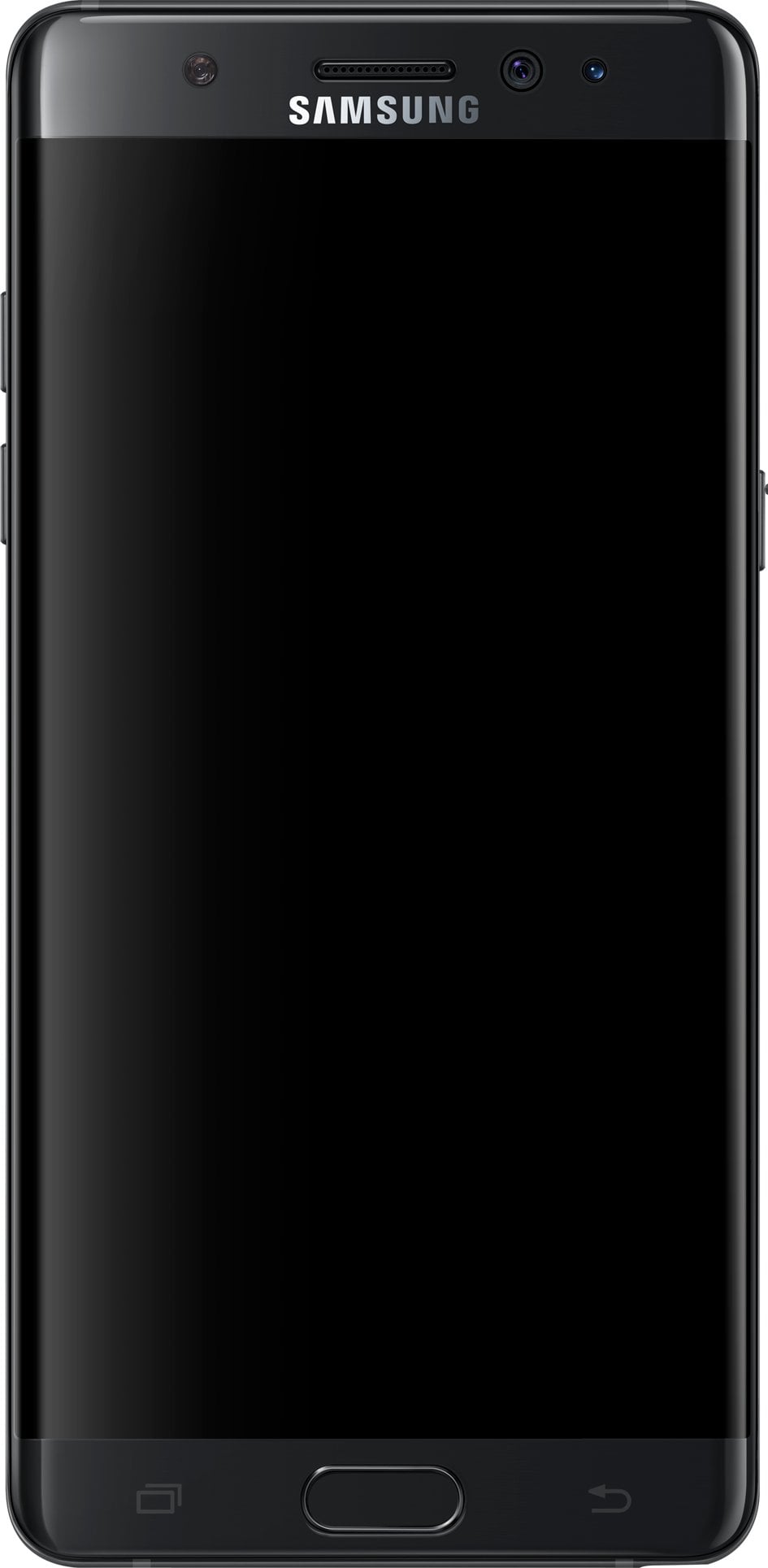
No phone launch has gone up in smoke quite like this one. Samsung's Galaxy Note 7 was recalled, and then the company gave up on it altogether.
Samsung said that discontinuing the phone would cost about $3 billion over two quarters. That brought the total cost of the recall to at least $5.3 billion.
That is billions of dollars spent on a phone that was supposed to be a flagship.
The fallout: Samsung discontinued the Note 7 entirely, which makes it one of the costliest launch disasters any phone maker has suffered.
2. Apple iPhone 4 ‘Antennagate' (2010)
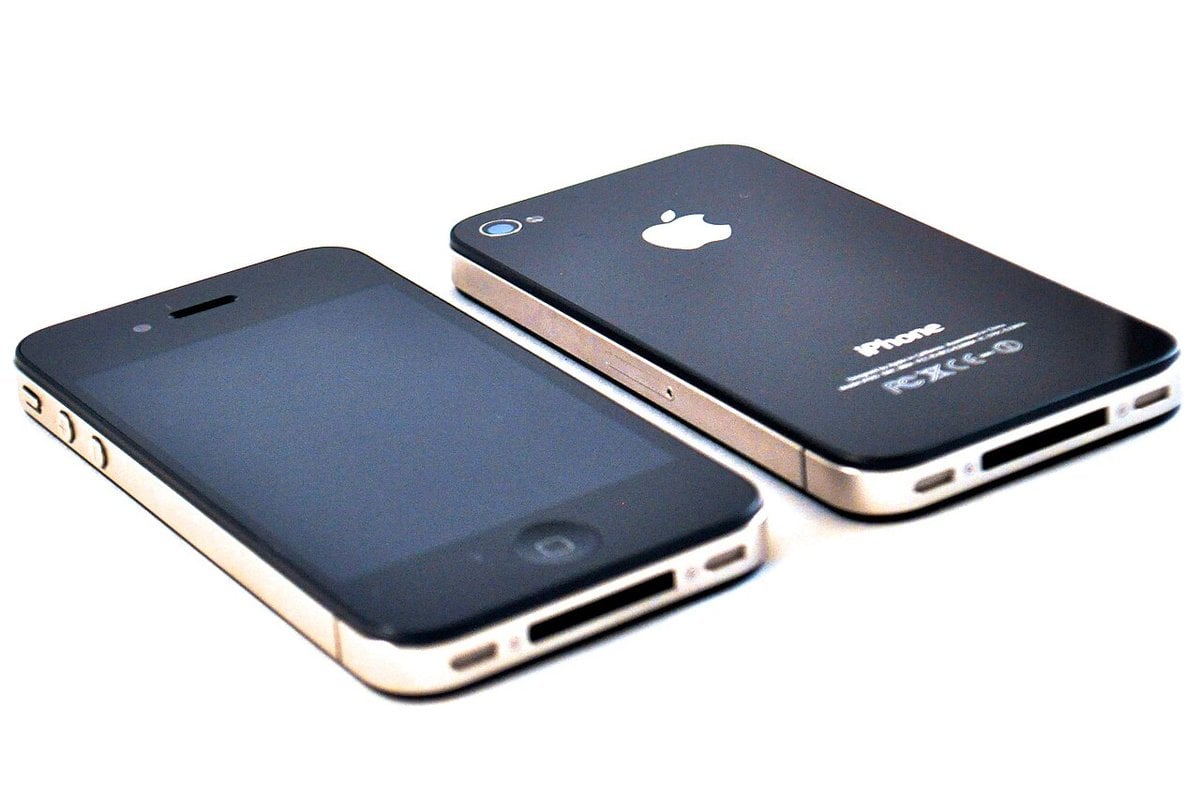
The iPhone 4 should have been another easy win for Apple. Instead, owners started complaining about its reception, and the complaints grew loud enough that Apple called a press conference on July 16, 2010 to address them.
To calm things down, Apple ended up handing out free bumper cases to owners. It also faced a class action lawsuit over the problem.
The fallout: The free-case programme has long since ended, but Antennagate is still remembered as one of the defining launch controversies.
3. Samsung Galaxy Fold (2019)
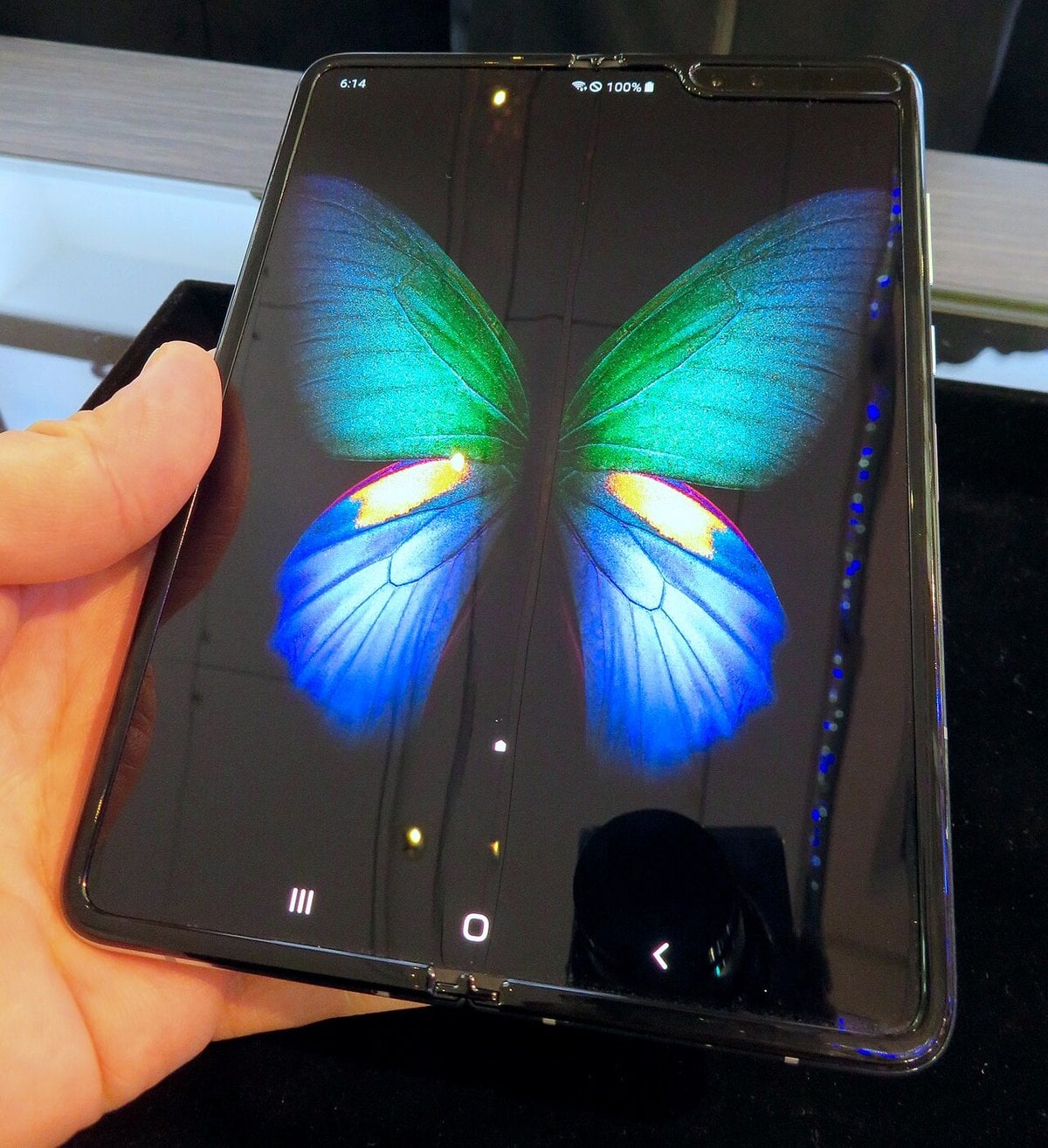
Samsung's first foldable was meant to be the future. Instead, several review units failed after about a day of use.
Some of the failures appeared to follow reporters peeling off what looked like a disposable screen protector. It was actually an integral layer of the display.
Three days before the planned April 26 on-sale date, Samsung indefinitely delayed the $1,980 phone and asked reporters to send their review samples back.
The fallout: A launch that should have been Samsung's big moment turned into a hasty recall of its own review units.
4. Apple iPhone ‘Batterygate' (2017)
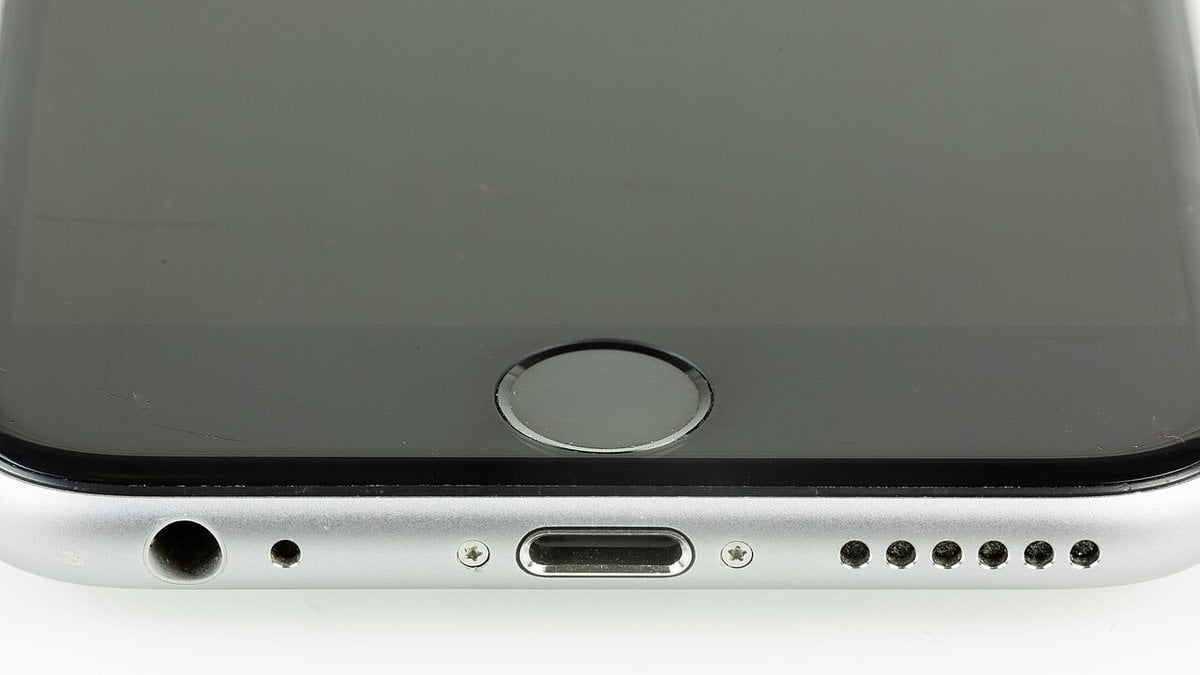
‘Batterygate' was the name given to the discovery that Apple was throttling older iPhones to preserve battery life. Owners who suspected their phones had slowed down turned out to be right.
Reuters reported that Apple agreed to pay up to $500 million to settle the US case without admitting wrongdoing. At least $310 million of that had to go to affected consumers.
The named plaintiffs were set to receive $1,500 to $3,500 each. The attorneys stood to collect over $90 million.
The fallout: A quiet software tweak ended up costing Apple a settlement worth up to half a billion dollars.
5. Apple iPhone 6 ‘Bendgate' (2014)
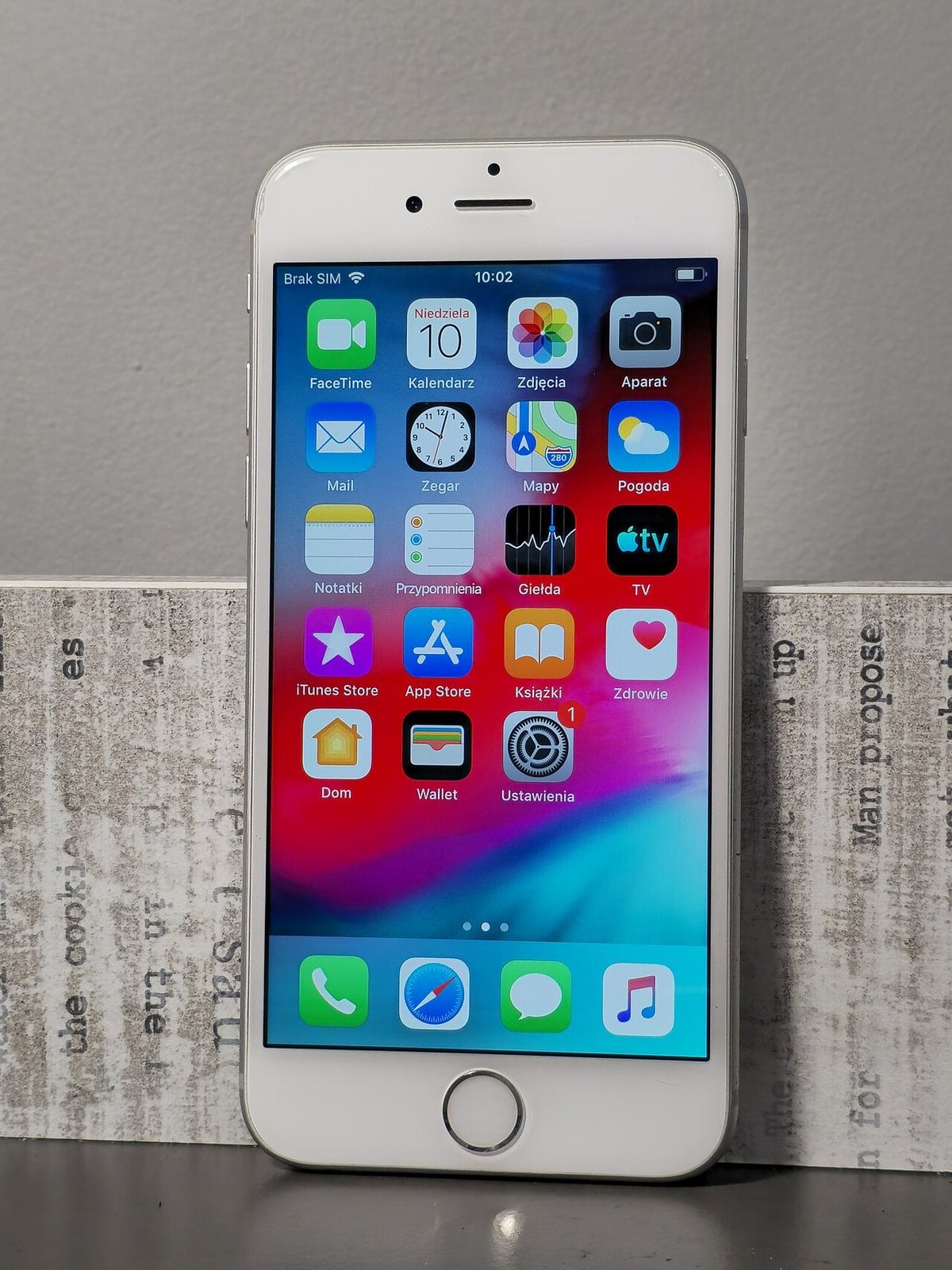
Apple's bigger new phone, the iPhone 6 Plus, ended up at the centre of ‘Bendgate', a row over whether the phone could bend. Consumer Reports decided to find out for itself.
In its bend tests, the iPhone 6 Plus withstood 90 pounds of force before it started to deform, and 110 pounds before it separated.
The smaller iPhone 6 handled 70 pounds before deforming and 100 pounds before separating. That made the Plus the stronger of the two.
The fallout: The phone at the heart of the storm turned out to be the tougher of Apple's two new models in Consumer Reports' testing.
6. Apple iPhone X Face ID demo fail (2017)
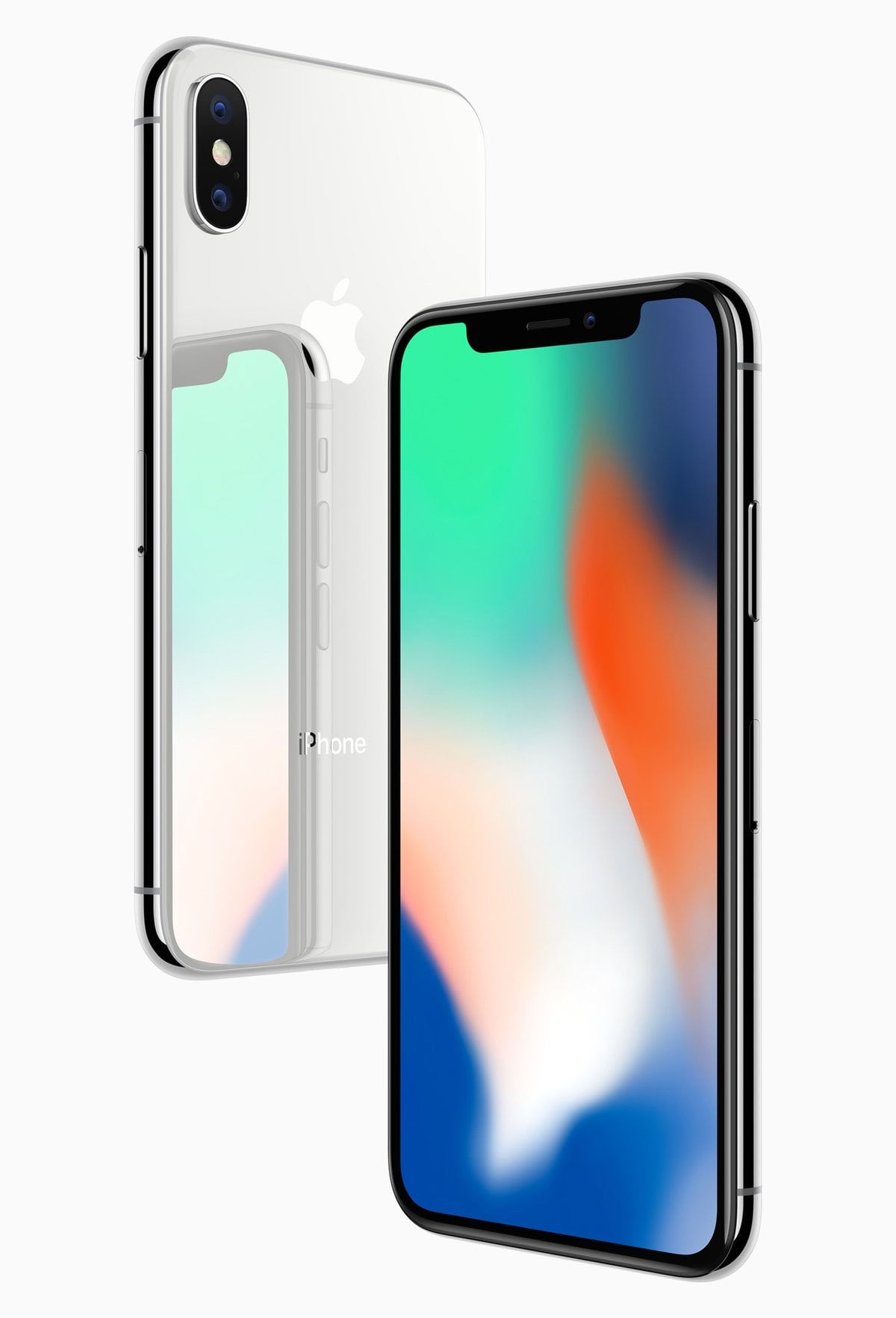
Apple unveiled the 5.8-inch all-screen iPhone X at the Steve Jobs Theater at Apple Park. The headline feature was Face ID, and Craig Federighi was there to show it off live.
It did not go to plan. Federighi had to switch to a backup iPhone X after finding Face ID had been disabled on his first demo phone, and Macworld reported he needed three attempts to unlock it.
Apple said Face ID was working as intended. The phone had locked itself out after being handled by staff.
The fallout: The stage moment was awkward, but Face ID went on to become standard on iPhones.
7. Apple Maps on the iPhone 5 (2012)
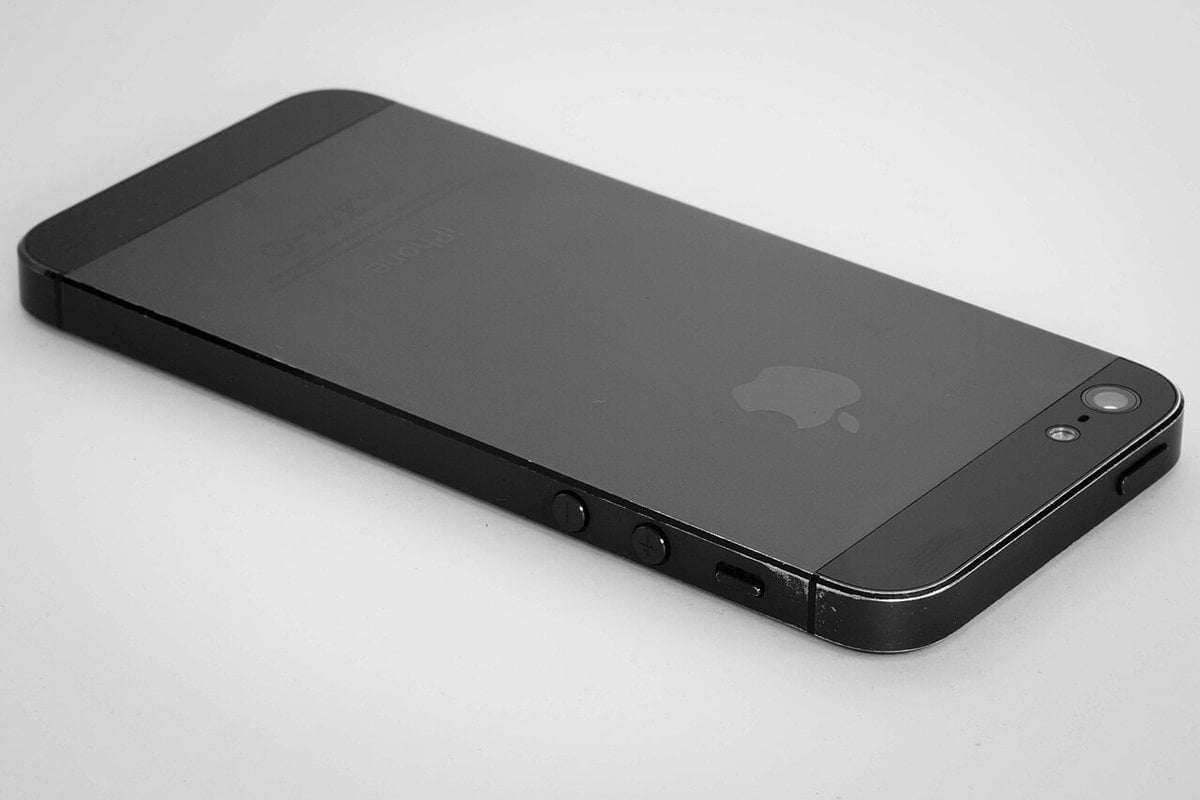
With the iPhone 5, Apple replaced Google Maps with its own Maps software. The app was widely panned, and the problems soon earned a nickname: ‘Mapplegate'.
On September 28, 2012, Tim Cook apologised for Apple Maps in a letter. The Washington Post called the apology rare and candid.
The fallout: Apple's boss had to say sorry in public, which the company has very rarely done.
8. Microsoft Kin (2010)
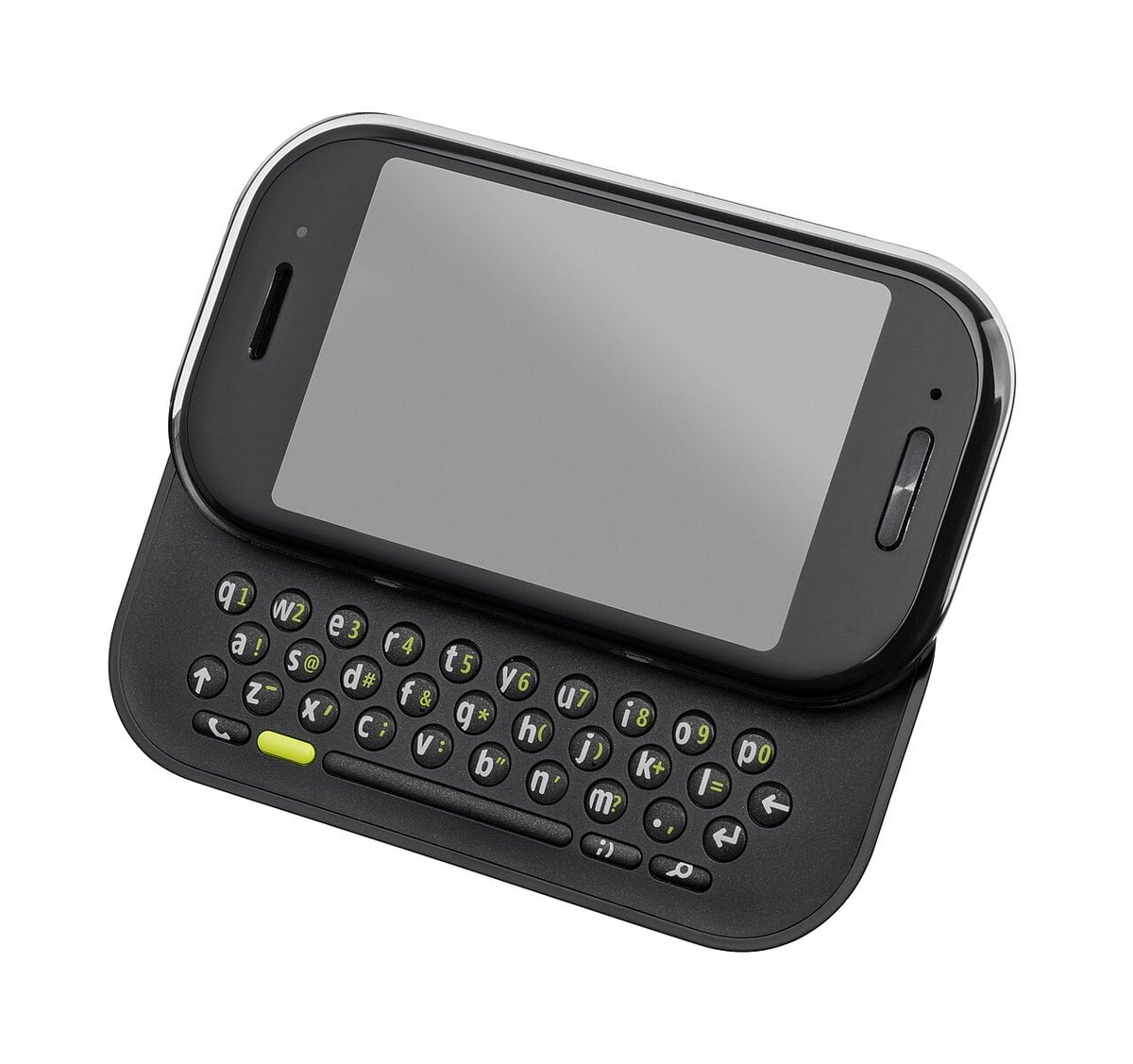
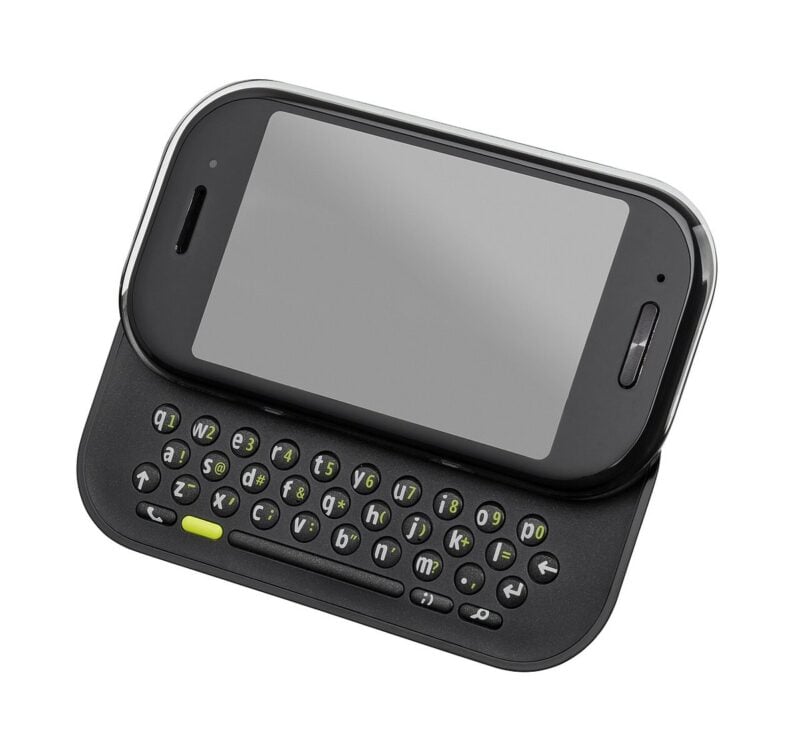
Microsoft built the Kin for heavy social-media users aged roughly 15 to 30. Sharp made it and Verizon Wireless sold it, and its Loop home screen pulled in Facebook, Twitter and MySpace feeds.
The phone left out a lot. It had no app store, no games, and no calendar or instant-messaging client.
Microsoft discontinued the original Kin after only 48 days on the US market and cancelled its planned European release.
The fallout: The Kin was gone in under two months, before Europe ever got to see it.
9. Palm Pre and HP (2009 to 2011)
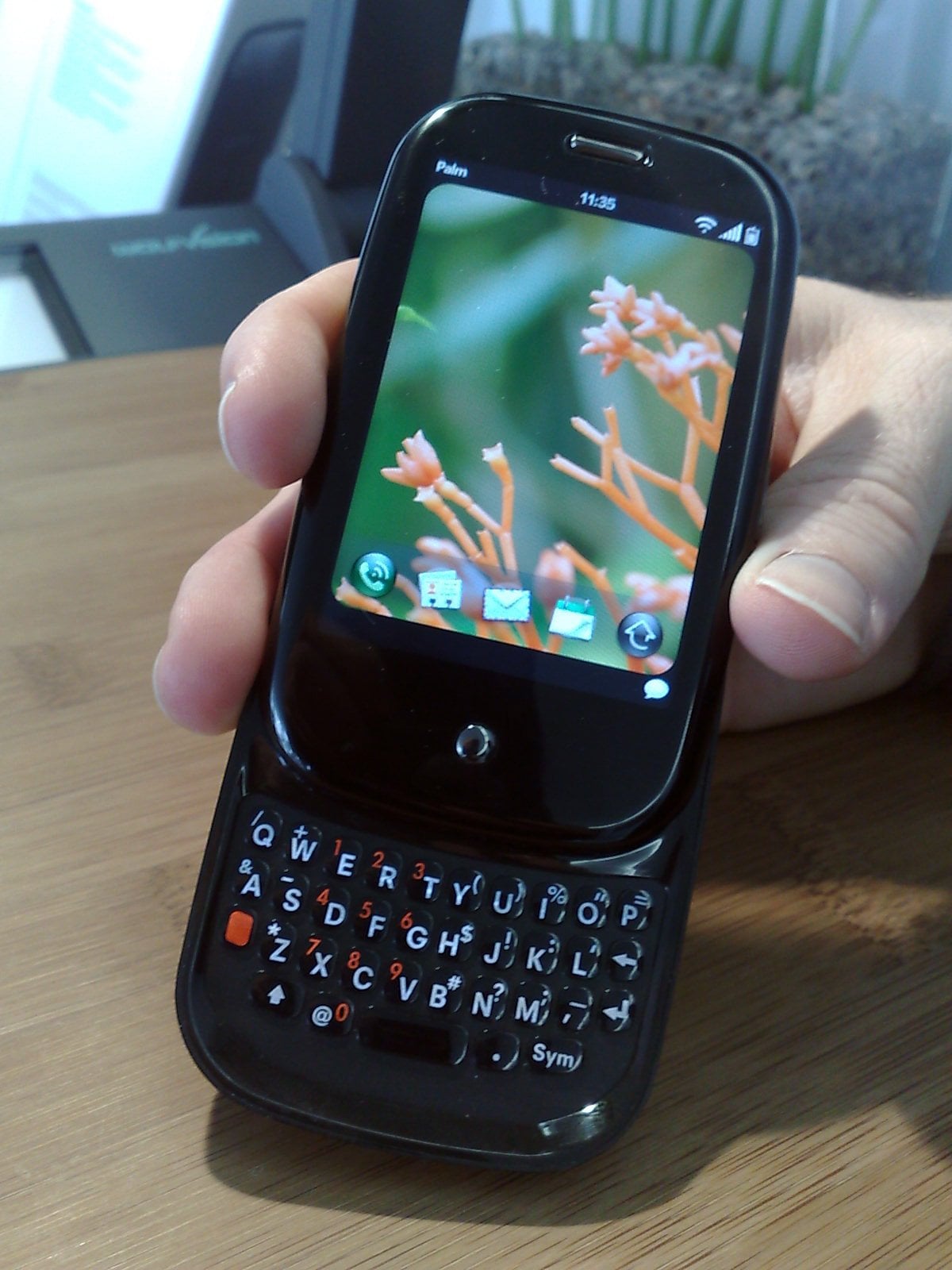
Palm's Pre arrived running its own webOS software, and it caught the eye of a much bigger company.
Bit-tech reported that HP acquired Palm for $1.2 billion. That was a huge bet on a phone platform that would not survive.
The fallout: HP spent $1.2 billion on Palm, yet as of November 2026 webOS is discontinued as a phone platform.
10. BlackBerry Storm (2008)
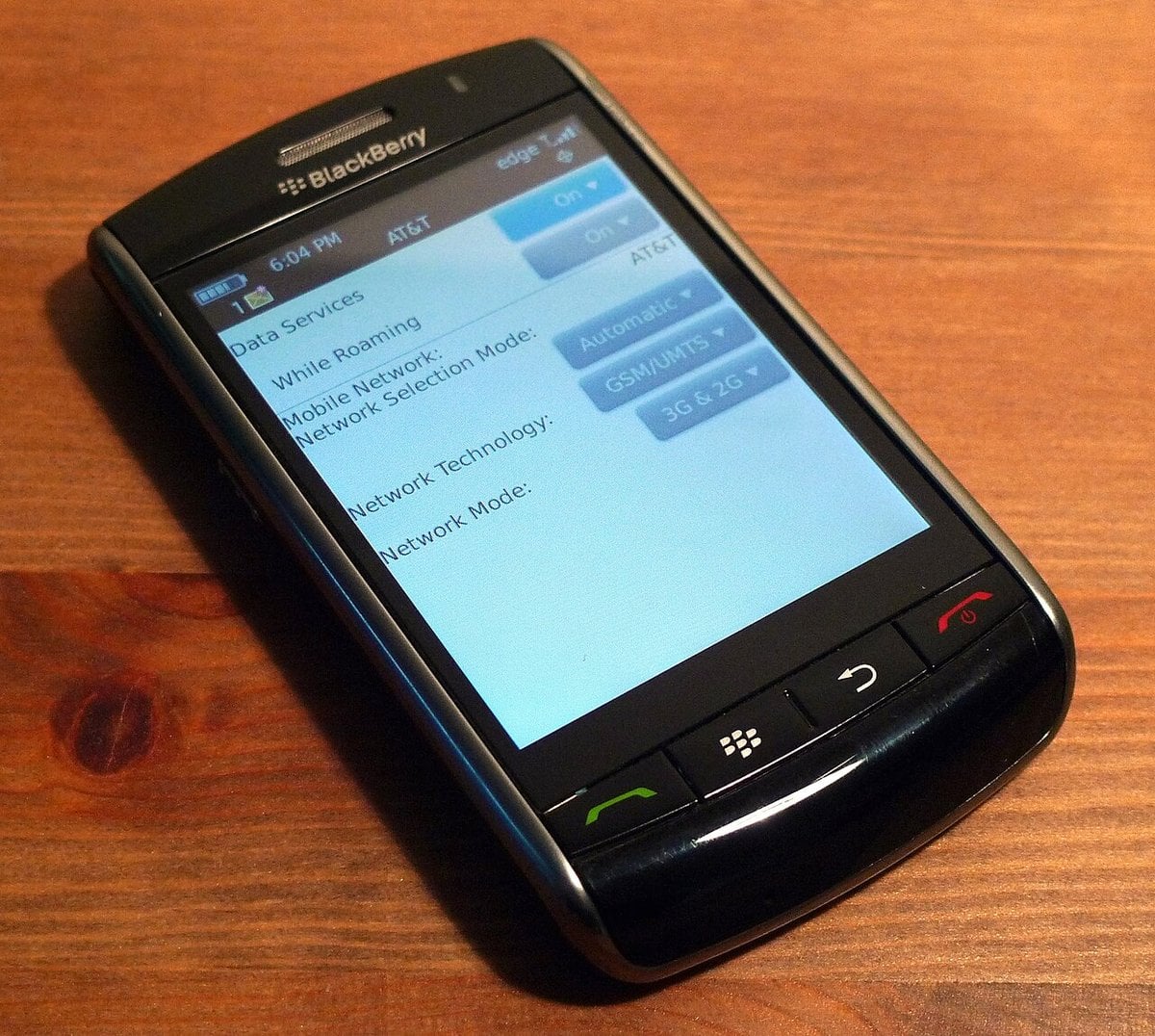
The BlackBerry Storm went on sale at Verizon with high hopes. InformationWeek's first review found it highly buggy out of the box, with many frustrating glitches, though newer firmware later improved its marks slightly.
Then came the return rates. InformationWeek reported that, according to sources it called credible, Verizon shops were seeing Storm returns of anywhere from 35% to 50% depending on the market, though those reports were unconfirmed.
Verizon disputed them. It called the Storm its best-selling device and said it had the lowest return rate of any of its PDAs.
The fallout: Whoever was right about the returns, the Storm's buggy start became the story of its launch.
11. Samsung Galaxy Note 5 S Pen bug (2015)
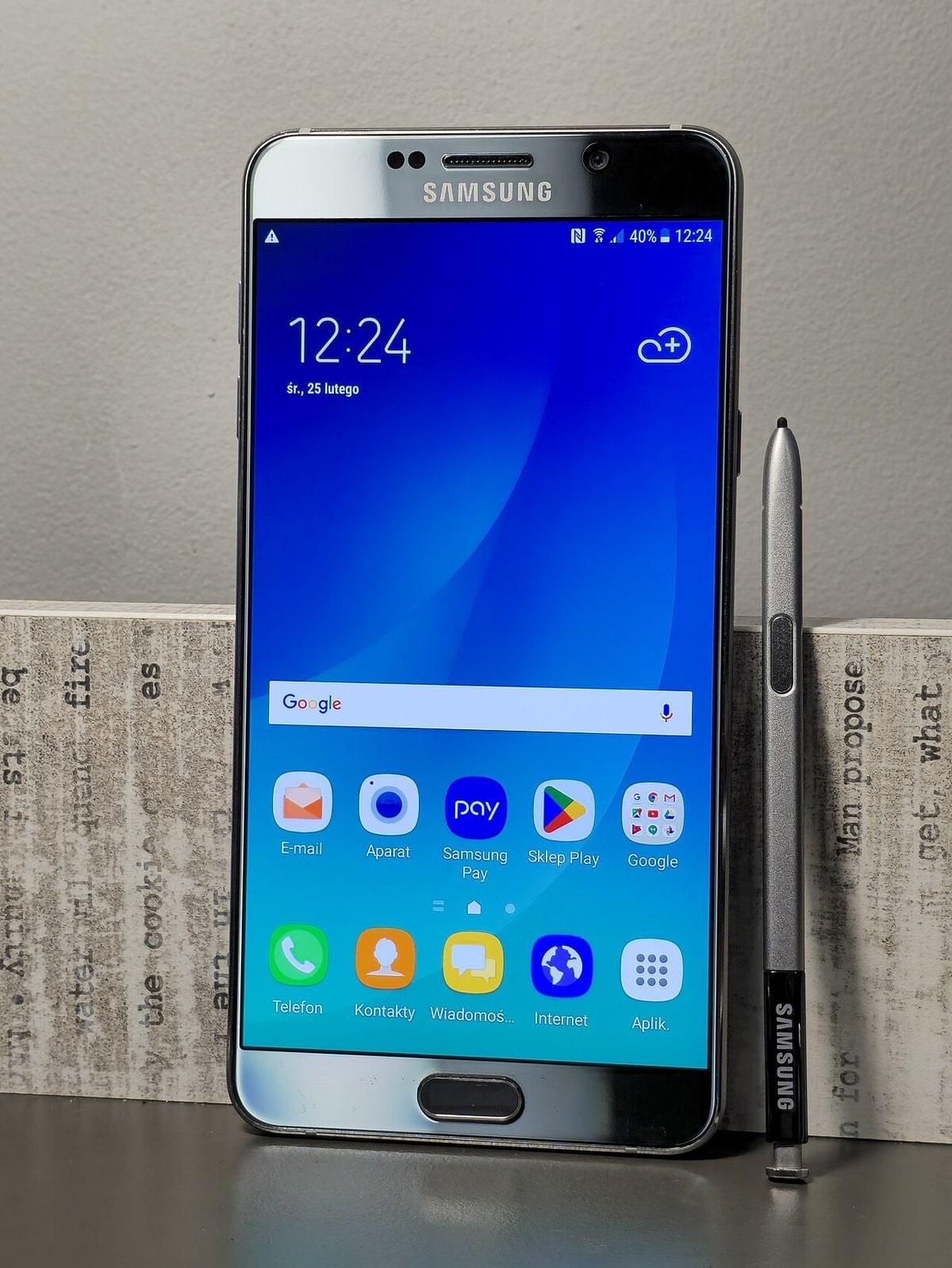
The Note 5's stylus slid neatly into the phone, as long as you put it in the right way round. Inserted upside-down, the S Pen could get stuck, and Samsung faced intense criticism for the design flaw.
A jammed stylus could not go in all the way, so part of it stuck out from the bottom edge. BGR reported that a video showed it could permanently ruin the phone, and nicknamed the affair ‘Penghazi'.
Samsung reportedly updated the Note 5 hardware to stop the S Pen getting stuck, though it gave few details.
The fallout: Samsung's showcase stylus became a warning sticker in waiting, until a quiet hardware change reportedly fixed it.
12. Google Pixel 4 (2019)
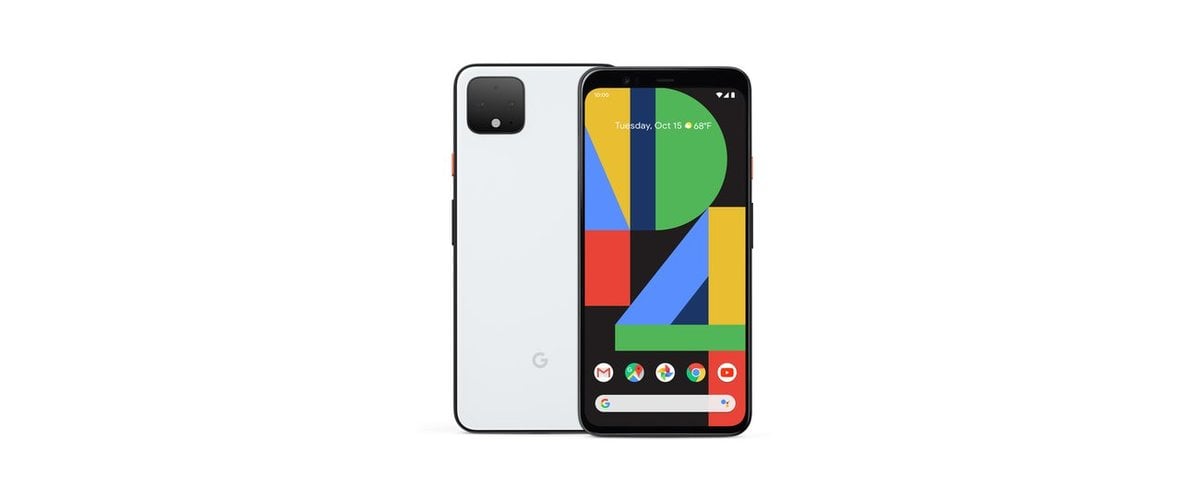
Google gave the Pixel 4 face unlock, but at launch it lacked a ‘require eyes to be open' option. That meant the phone could be unlocked with the user's eyes closed.
Google added the feature in the second Android 11 developer preview in March 2020, about six months after launch. It reached regular Pixel 4 and 4 XL owners in the April 2020 update.
The fallout: Pixel 4 owners waited around six months for a fix to one of the phone's most talked-about flaws.
13. Nokia N-Gage (2003)
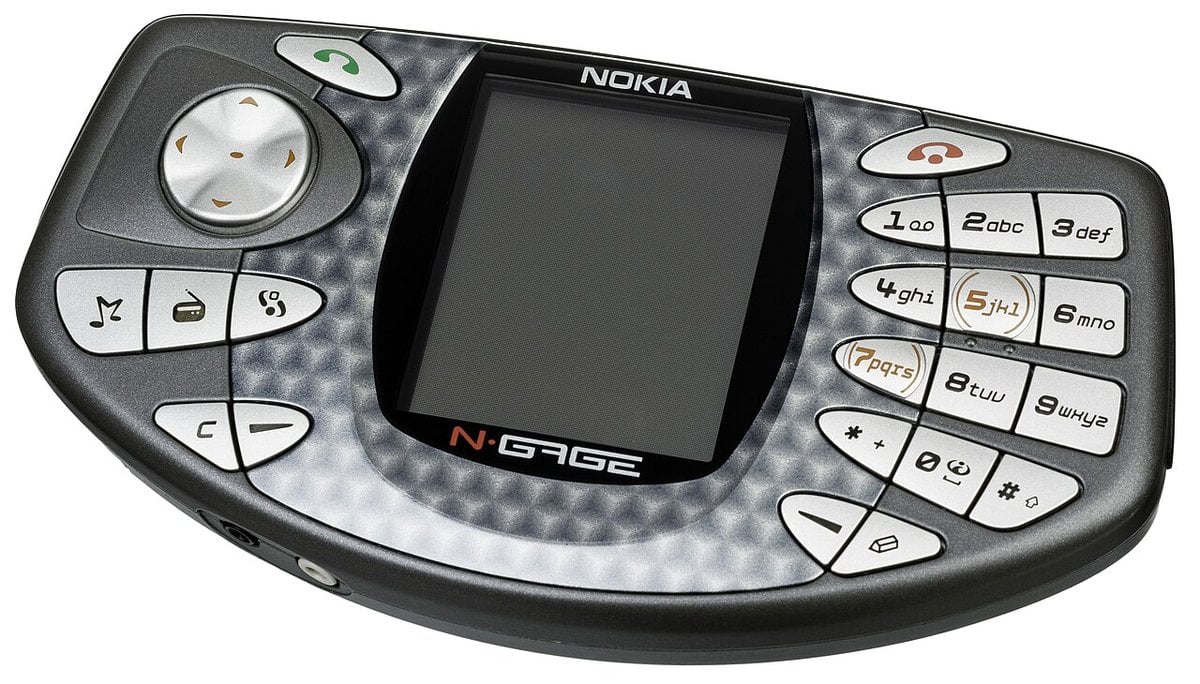
Nokia wanted a phone that doubled as a games console. It also gave the phone a strange way of making calls: ‘sidetalking', where you hold the phone edge-on to your ear.
Nokia used the design on the N-Gage and the 7700 during 2002 and 2003. Before launch, it showed sidetalking to partners at press events and trade fairs.
It did not pay off. An academic article on sidetalking says N-Gage sales did not meet expectations.
The fallout: The N-Gage is remembered less for its games than for making people talk into the side of their phone.
14. Sony Ericsson Xperia Play (2011)
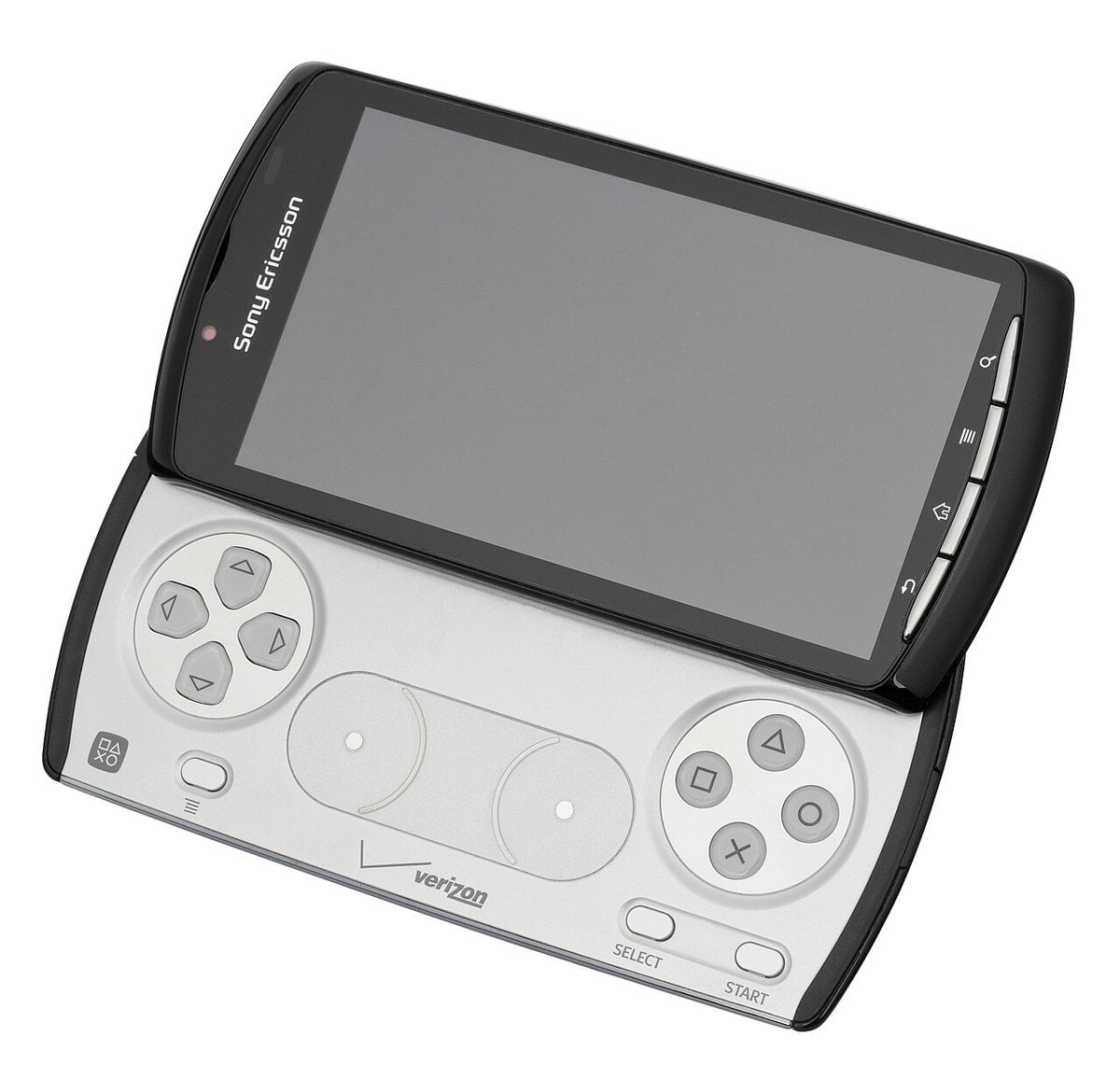
Sony Ericsson's gaming phone had a slide-out controller and a big promise. It first went on sale on April 1, 2011 in the EU, and reached North America on May 26, 2011.
Support for classic PlayStation 1 games was promoted from launch. But in May 2011 it was reported that game sales were dismal, in the hundreds rather than the thousands.
Sony Ericsson said it was not concerned about the very low early sales of PSOne games.
The fallout: Sony never released a direct successor, so the Xperia Play remains a one-off.
15. Motorola Rokr E1 (2005)
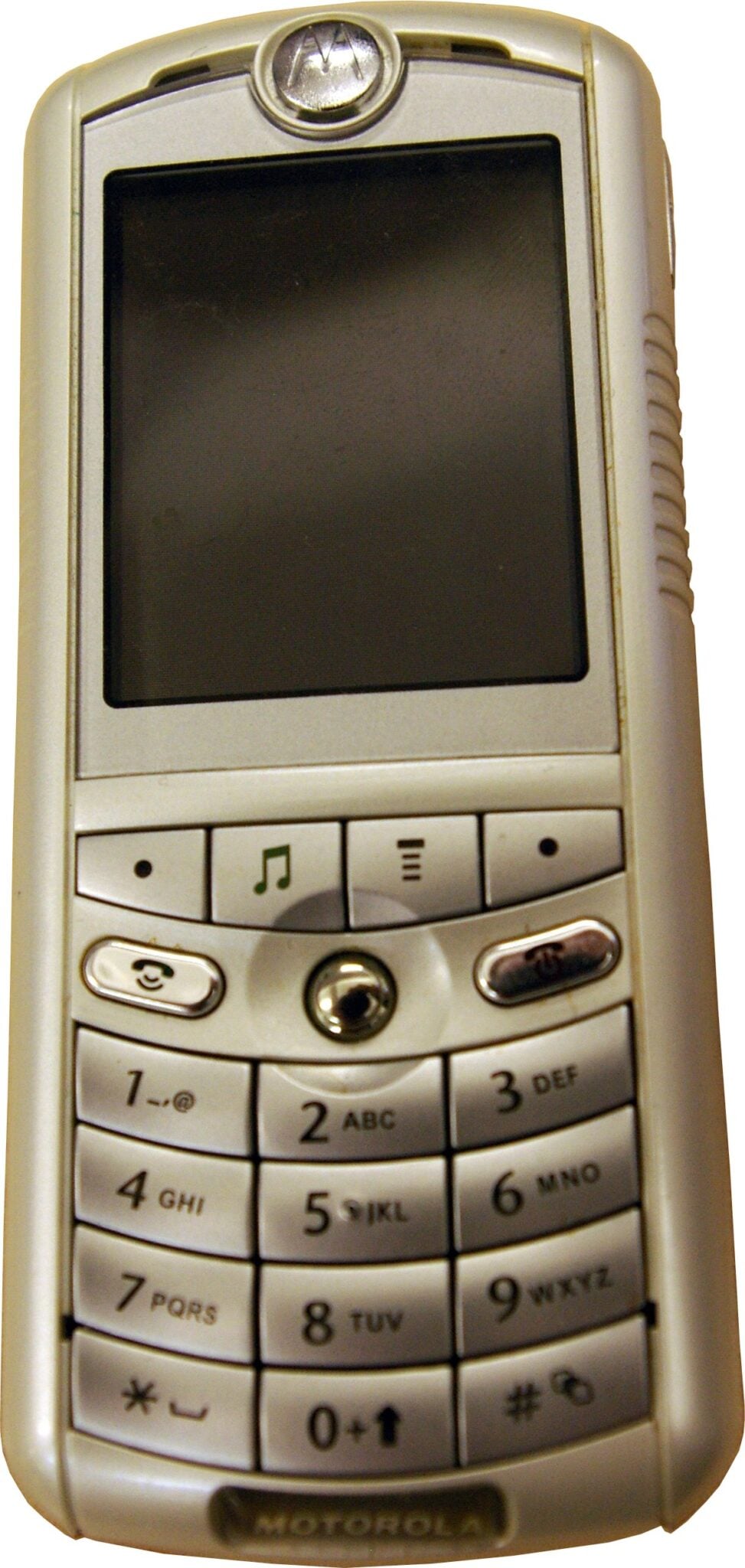
The Rokr E1 was the first phone to come with iTunes, which made it a big deal. It was also artificially limited to 100 songs.
In practice, its included 512MB microSD card couldn't hold many more than that anyway. GSMArena calls the phone a dud that paved the way for the iPhone and suggests the experience influenced Steve Jobs.
The fallout: This flop may have helped push Apple towards building a phone of its own.
16. Essential Phone (2017)
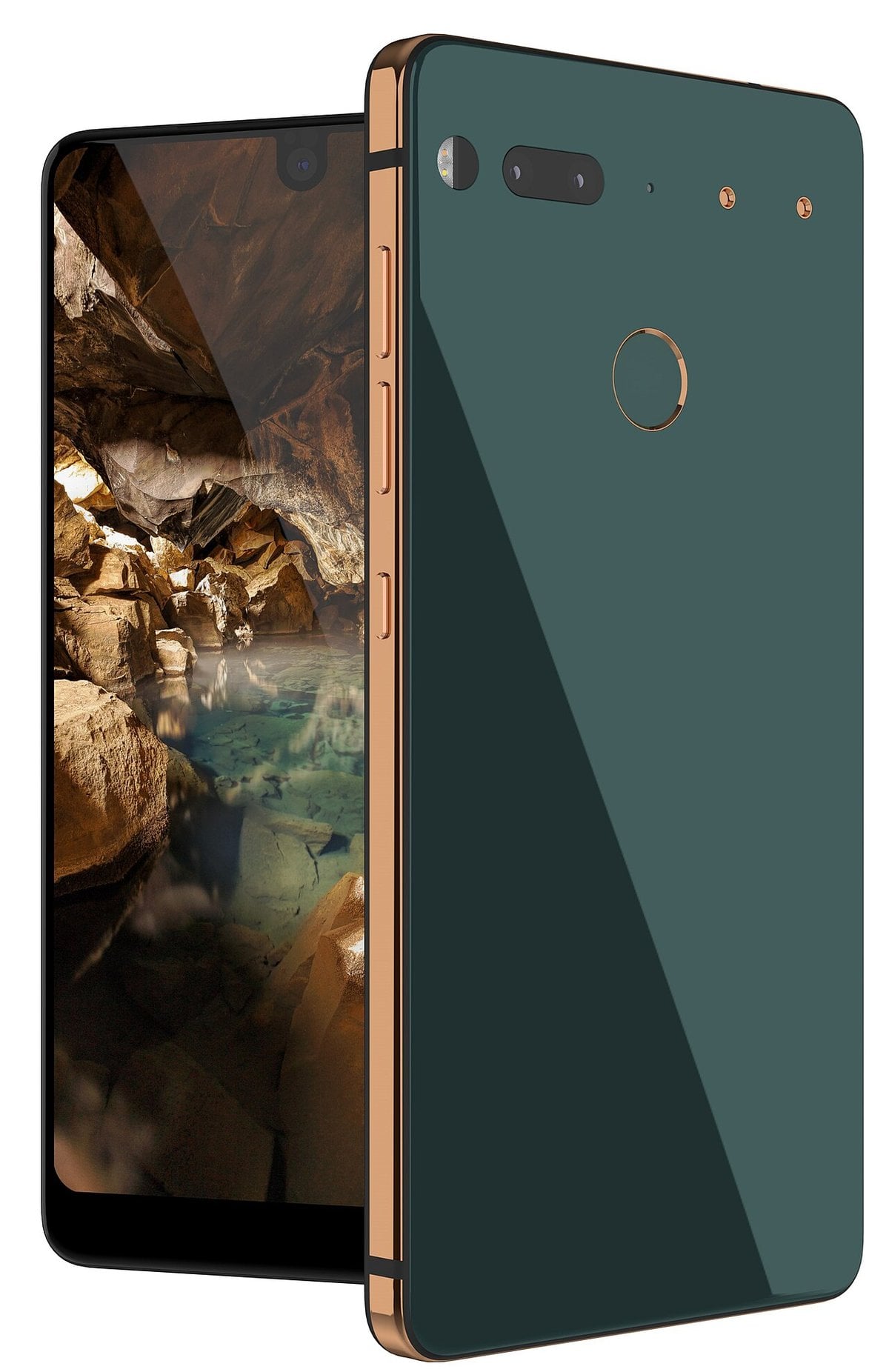
Andy Rubin's start-up Essential launched its first phone in 2017, and it arrived with plenty of attention.
The company did not last. Engadget reported on 12 February 2020 that Andy Rubin's Essential was shutting down.
The fallout: Essential was gone less than three years after its phone went on sale.
17. Nokia X (2014)
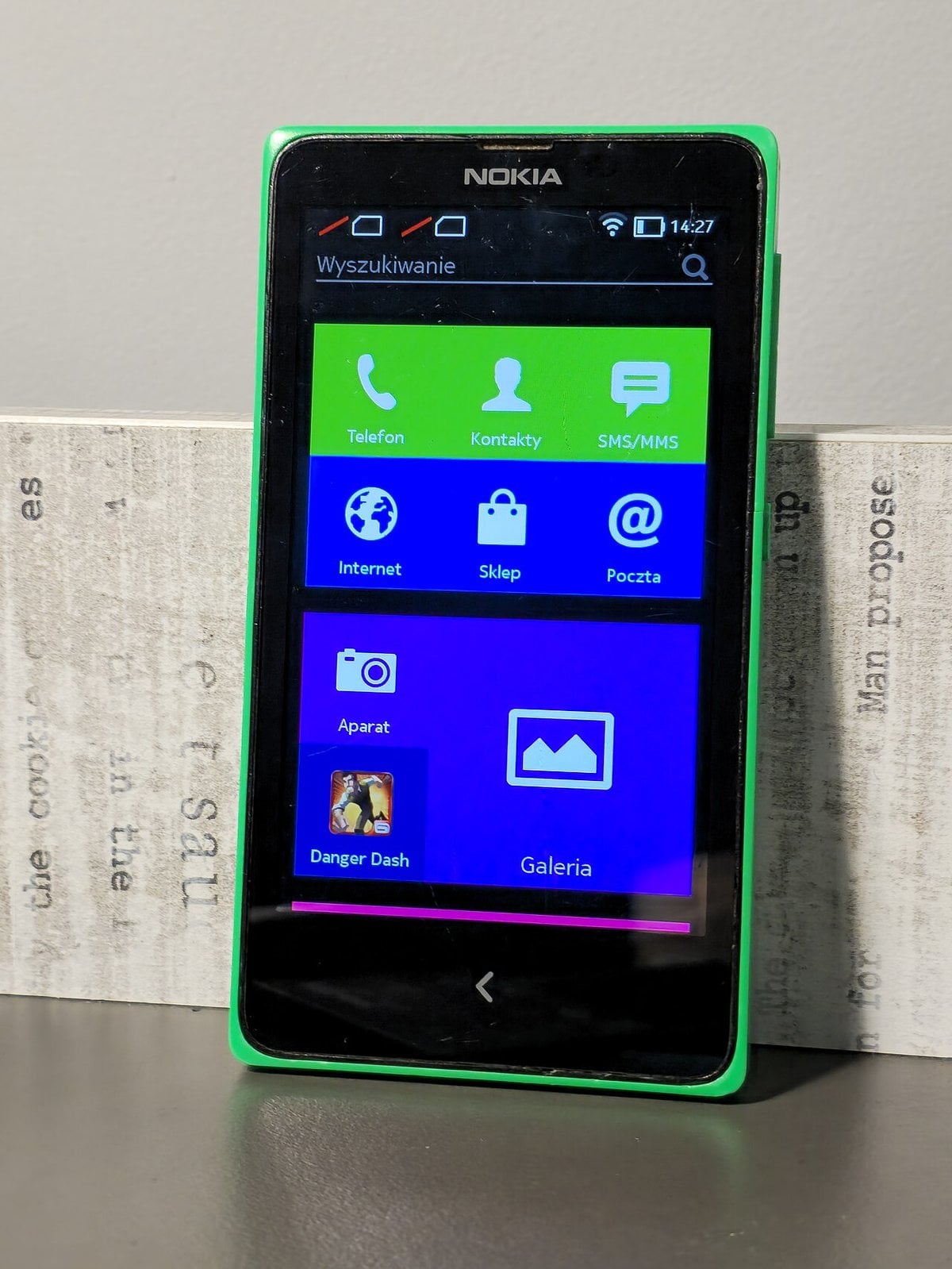
Nokia surprised everyone with an Android-based phone, the Nokia X, which was first released on 24 February 2014. On 17 July 2014, about five months later, Microsoft announced it would discontinue the whole line.
The follow-up fared even worse. The Nokia X2 was released on 24 June 2014 and discontinued on 17 July, about three weeks later.
On the same day, Stephen Elop said select future Nokia X devices would move to Windows Phone as low-cost models.
The fallout: Nokia's Android experiment was killed off in a single announcement, just weeks after its second model arrived.
18. HTC One M9 (2015)
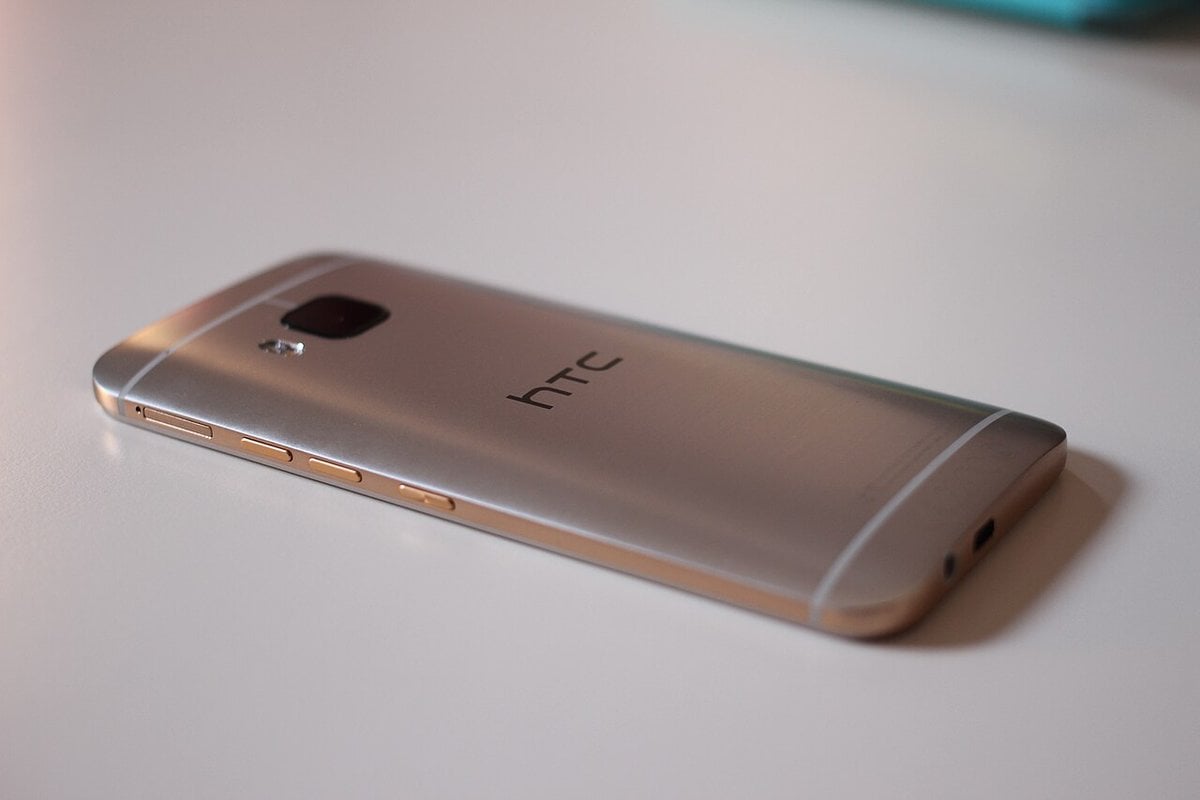
The One M9 was HTC's big flagship for 2015, but buyers did not turn up in the numbers it needed.
Within months, the chip inside it was taking the blame. Ubergizmo ran a May 2015 article titled ‘Poor HTC One M9 Sales Blamed On The Snapdragon 810'.
The fallout: HTC's flagship ended up remembered for the processor blamed for its weak sales.
19. Firefox OS phones
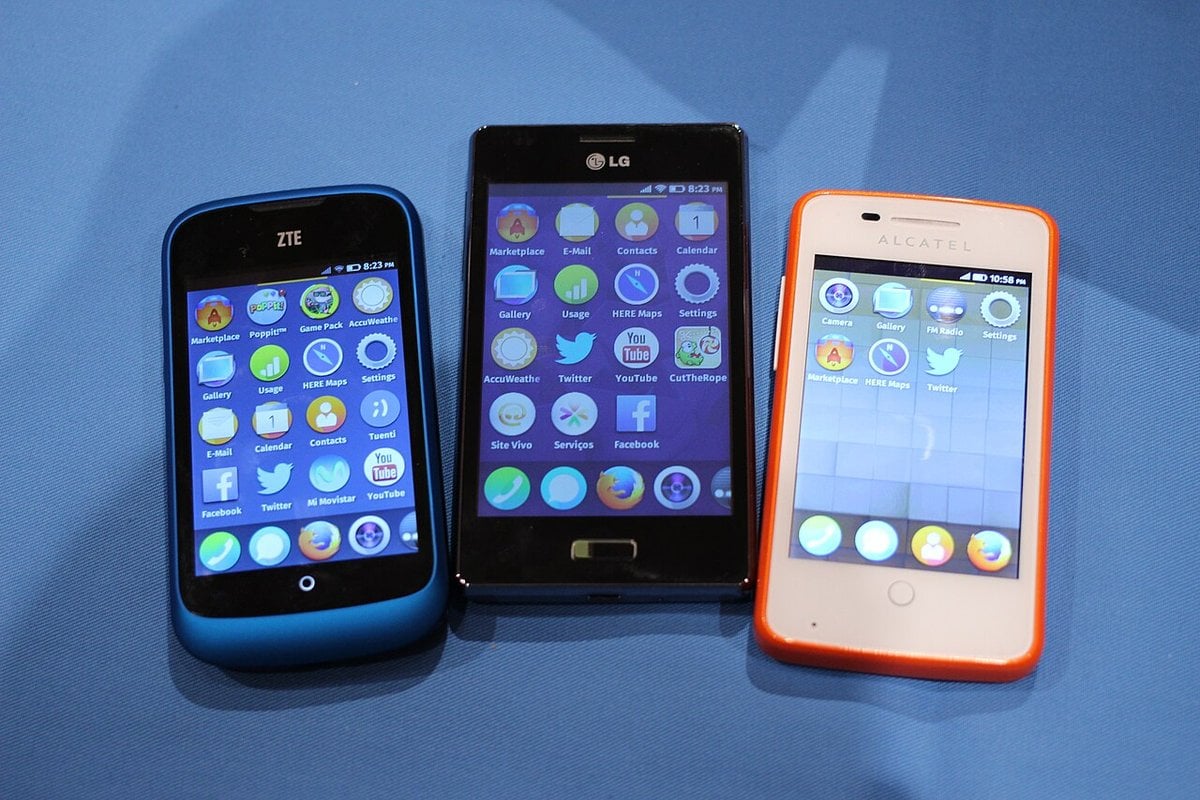
Mozilla, the company behind the Firefox browser, tried to build its own phone software. It hoped to carve out a spot alongside the big players.
It didn't last. The Register reported on 4 February 2016 that Mozilla was killing Firefox OS for smartphones in favour of ‘Connected Devices'.
The fallout: Mozilla walked away from smartphones and moved its attention to other connected gadgets.
20. LG G Flex (2013)
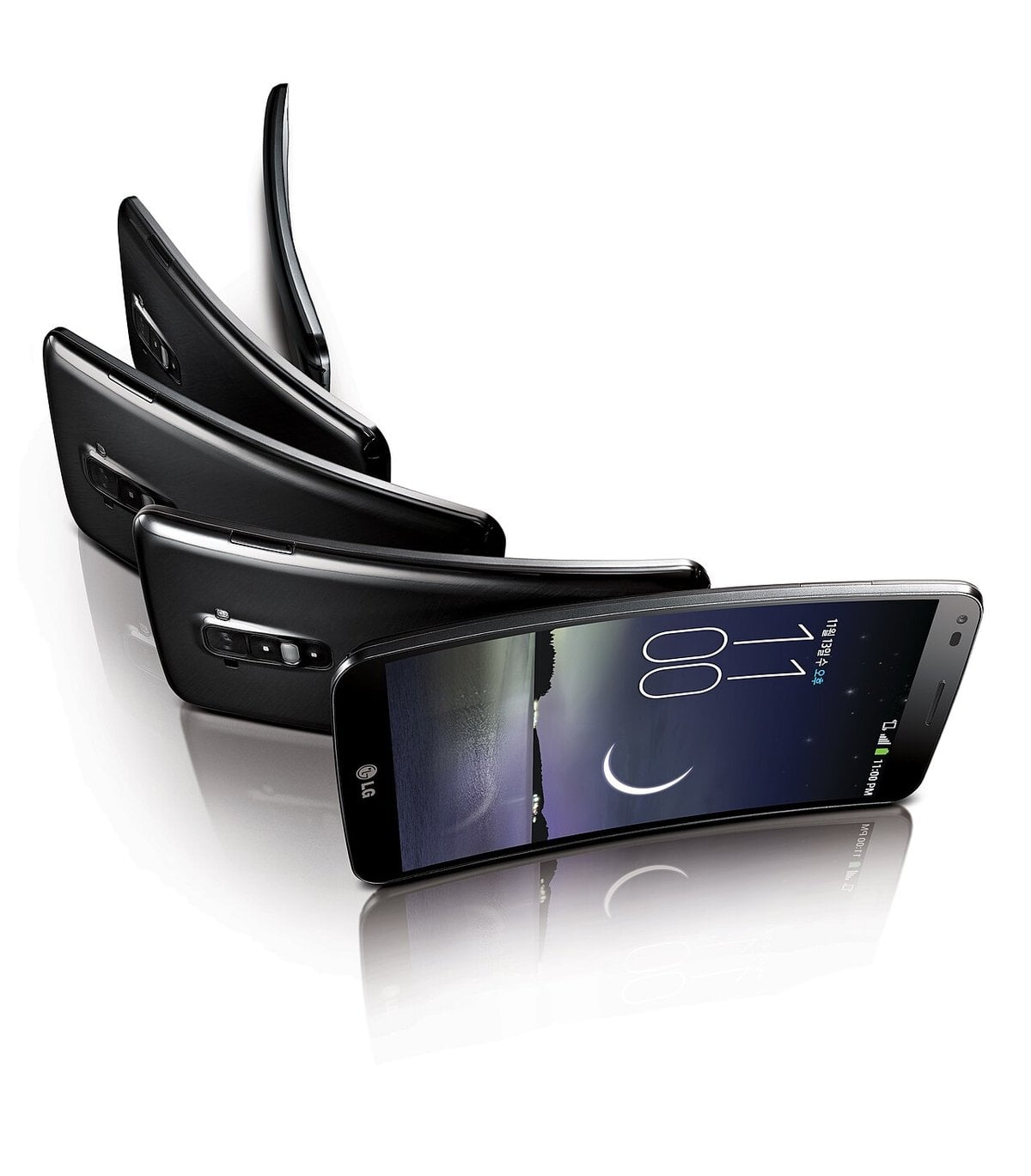
LG bet big on novelty with the G Flex. AT&T called it its first smartphone with a curved screen, and it came with a 6-inch curved OLED display, a curved 3,500 mAh battery and a self-healing back case.
It cost $299.99 on a two-year contract when it went on sale in the US on 24 January 2014. AT&T also offered it at $26.74 a month over 26 months, or $34.75 a month over 20 months.
It shipped running Android Jelly Bean 4.2.2.
The fallout: People remember the curve and the self-healing back far better than the phone itself.
The 20 at a glance
| Phone | Year | What went wrong |
|---|---|---|
| Samsung Galaxy Note 7 | 2016 | Recalled and scrapped at a cost of at least $5.3 billion |
| Apple iPhone 4 | 2010 | Reception complaints, free cases and a lawsuit |
| Samsung Galaxy Fold | 2019 | Review units failed and launch was delayed |
| Apple ‘Batterygate' | 2017 | Throttling led to a settlement of up to $500 million |
| Apple iPhone 6 ‘Bendgate' | 2014 | Bending row put the phones through stress tests |
| Apple iPhone X Face ID demo | 2017 | Live demo needed a backup phone |
| Apple Maps on iPhone 5 | 2012 | Panned app led to a public apology |
| Microsoft Kin | 2010 | Pulled after 48 days on sale |
| Palm Pre and HP | 2009 to 2011 | $1.2 billion deal for a platform that died |
| BlackBerry Storm | 2008 | Buggy launch and disputed return rates |
| Samsung Galaxy Note 5 | 2015 | S Pen could jam if inserted backwards |
| Google Pixel 4 | 2019 | Face unlock worked with eyes closed |
| Nokia N-Gage | 2003 | Sidetalking design and weak sales |
| Sony Ericsson Xperia Play | 2011 | Game sales in the hundreds |
| Motorola Rokr E1 | 2005 | iTunes phone capped at 100 songs |
| Essential Phone | 2017 | Company shut down in 2020 |
| Nokia X | 2014 | Line axed within months |
| HTC One M9 | 2015 | Poor sales blamed on its chip |
| Firefox OS phones | Ended 2016 | Mozilla abandoned smartphones |
| LG G Flex | 2013 | Curved gimmick outshone the phone |
Did You Know?
The Galaxy Note 5's S Pen problem may have been fixed by a clever redesign: Phandroid received images from an anonymous source showing a new S Pen detection system that works either way round.
The Bottom Line
From billion-dollar recalls to demos that fell apart on stage, even the biggest names in phones have had launches they would rather forget. Apple, Samsung, Google and Microsoft all appear more than once on this list.
Plenty of these flops taught the industry something, too. Some fixes, like Face ID and the Pixel 4's eyes-open setting, came out of the mess and are part of the phones people use today.