
Before every phone became the same glass rectangle, makers tried almost anything. There were round screens, see-through displays, built-in projectors, keypads shaped like rotary dials and screens that swivelled sideways.
Some of these phones were jewel-covered showpieces worth more than a house, and one is valued at millions. Others were flops so badly received that a games console reportedly outsold one of them 100 to 1.
Here are 20 of the strangest, starting with the most extravagant.
1. Vertu Signature Cobra
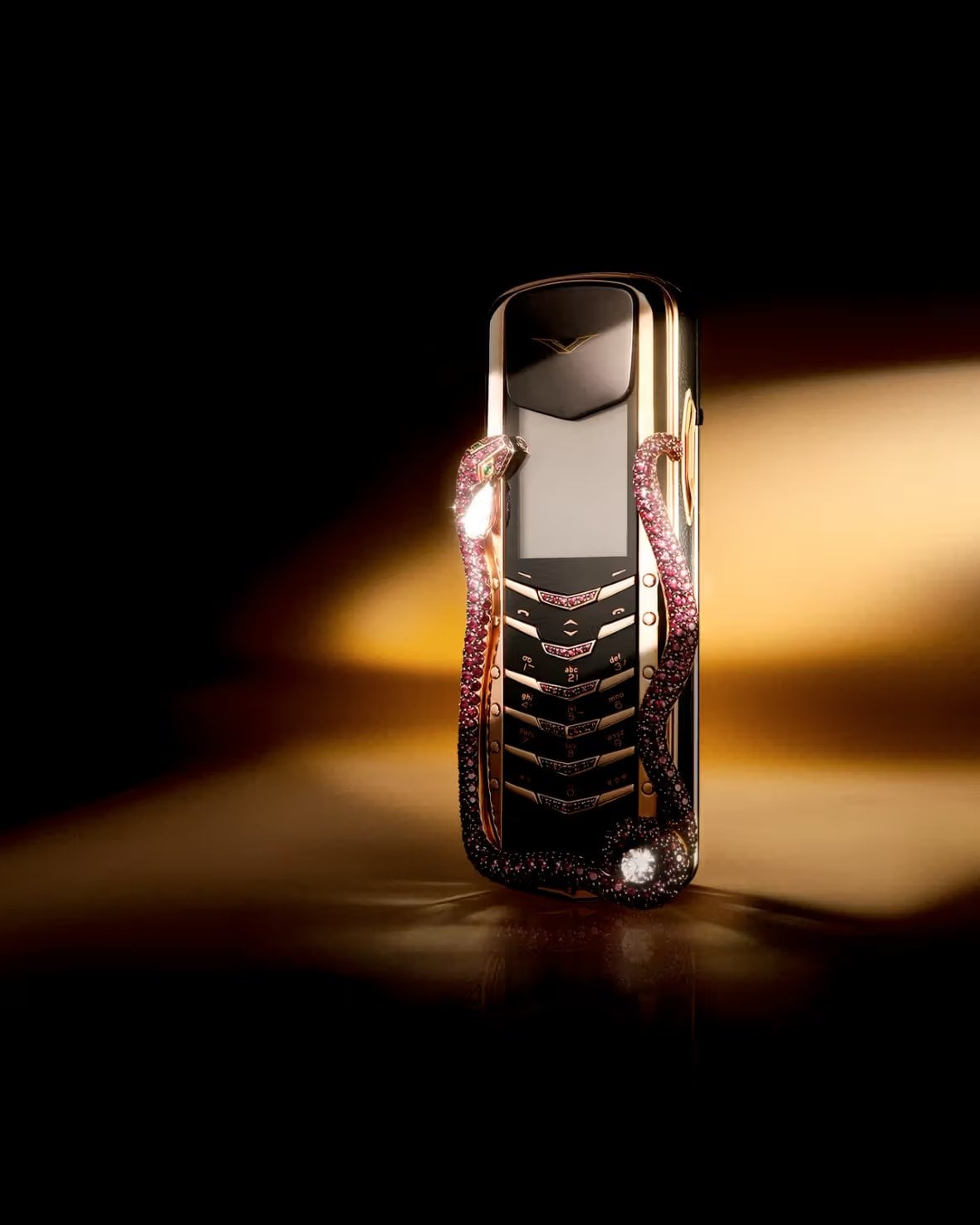
Most phones keep their looks simple. The Vertu Signature Cobra has a snake wrapped around it. Vertu's own site describes it as a keypad phone made with diamonds and gold, with a cobra built from 439 rubies.
The price is even more startling. The same Vertu page lists the Signature Cobra at $504,308. That is a listed price, not a confirmed sale, and Vertu treats the Cobra as one of its rarest phones.
The weird bit: It is a button phone with a ruby snake on it, listed at more than half a million dollars.
2. Goldstriker iPhone 3GS Supreme
This is an ordinary iPhone 3GS inside a jeweller's fantasy. Stuart Hughes's Goldstriker iPhone 3GS Supreme has a casing made from 271 grams of 22-carat gold, with 136 diamonds set into the front bezel.
The home button holds a rare 7.1-carat diamond. The whole phone took ten months to design and make.
It is valued at about $3.2 million. TechRadar reportedly put its value at £1.92 million, roughly $3.2 million at the time, but that is a reported value and not a published sale price.
The weird bit: The most valuable part of a phone worth millions is its home button.
3. Motorola DynaTAC 8000X
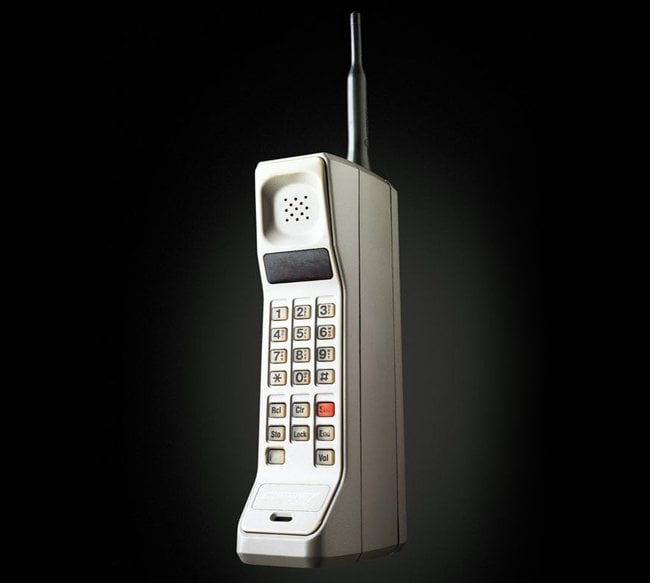
Every phone on this list goes back to this brick. The DynaTAC was unveiled on 6 March 1983 as the first commercially available handheld cellular phone, and TIME says it stood 13 inches tall.
Nobody quite agrees on its weight. Sources give anything from 1.75 lb to 2.5 lb. Everyone agrees it was expensive, though. It cost $3,995 and gave half an hour of talk time per charge.
It also had to wait for permission. The phone only received FCC approval on 21 September 1983, and the DynaTAC line is now a museum and collector piece.
The weird bit: Your first mobile call would have cost you nearly $4,000 and lasted 30 minutes at most.
4. Nokia N-Gage
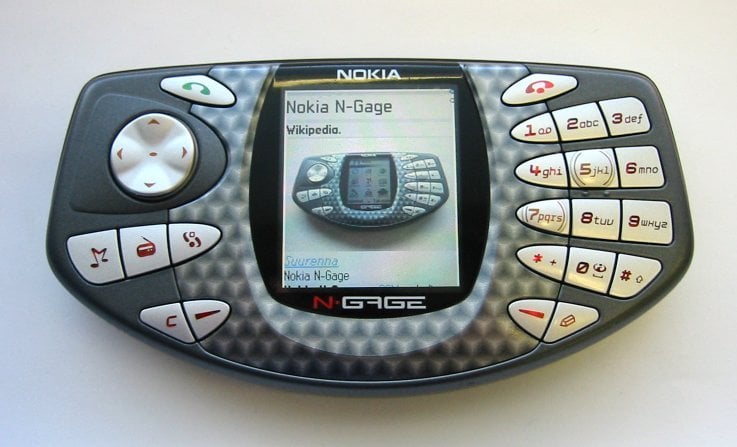
Nokia wanted one gadget to be both your phone and your games machine. The N-Gage was announced on 4 November 2002 and released on 7 October 2003, aimed straight at handheld gamers.
It launched at US$299, and buyers stayed away. In its first weeks on sale in the US, it was reportedly outsold by the Game Boy Advance 100 to 1.
The weird bit: A phone giant took on Nintendo with a gaming phone and lost badly.
5. Motorola Aura
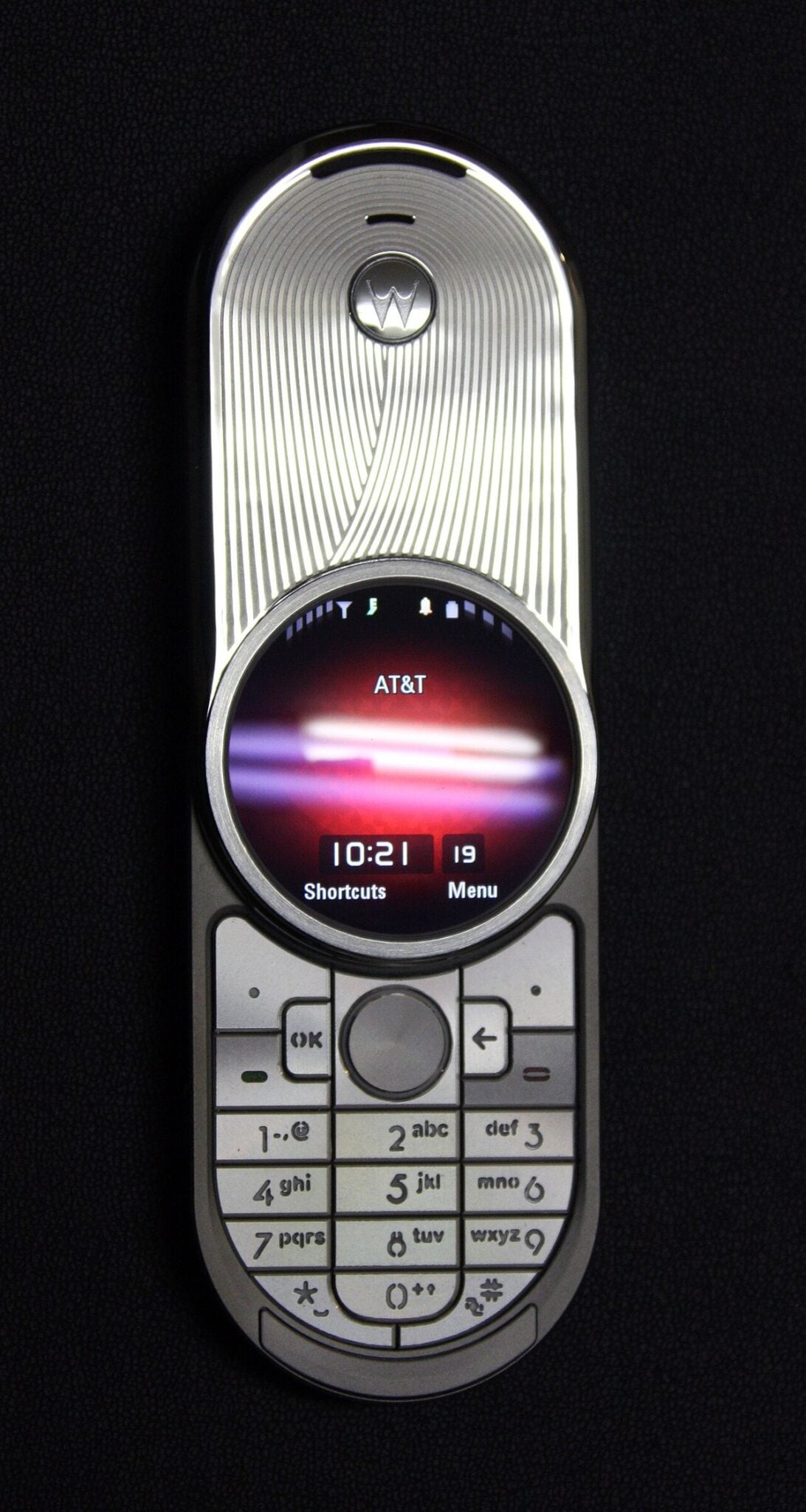
In October 2008, Motorola introduced the Aura as a luxury GSM phone, and it looked like nothing else on sale. Its main feature was a perfectly circular screen, 480px across and showing 16 million colours at 300 dpi.
That round display sat under sapphire crystal, and the phone was built from more than 700 individual components. It launched at about US$2,000, and Wikipedia says it reached buyers in December 2008.
For anyone who wanted even more sparkle, Motorola also made a Diamond Edition set with 90 diamonds.
The weird bit: A round sapphire-covered screen on a phone that cost about as much as a used car.
6. Motorola ROKR E1
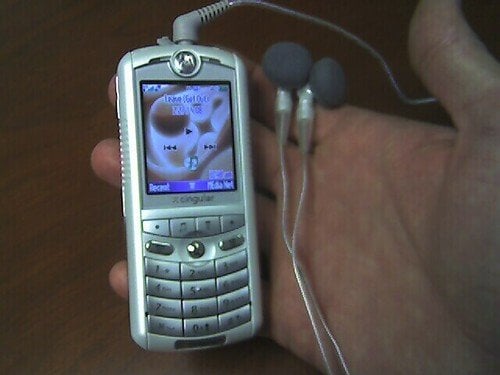
Before the iPhone, Apple teamed up with Motorola. Apple, Motorola and Cingular announced the ROKR E1 in September 2005, on the same day as the iPod nano, and it was the first phone that iTunes supported.
There was a catch. It held only 100 songs, which you loaded by random autofill or manually over USB, and Cingular was the only US carrier to sell it. Its specs included a 176×220 display, a VGA camera and Bluetooth.
Reviewers weren't impressed. A CNET review said the 100-song limit and slow performance would disappoint iPod users. Apple's own iPhone replaced it in 2007.
The weird bit: Apple's first music phone came with a 100-song limit.
7. LG Wing
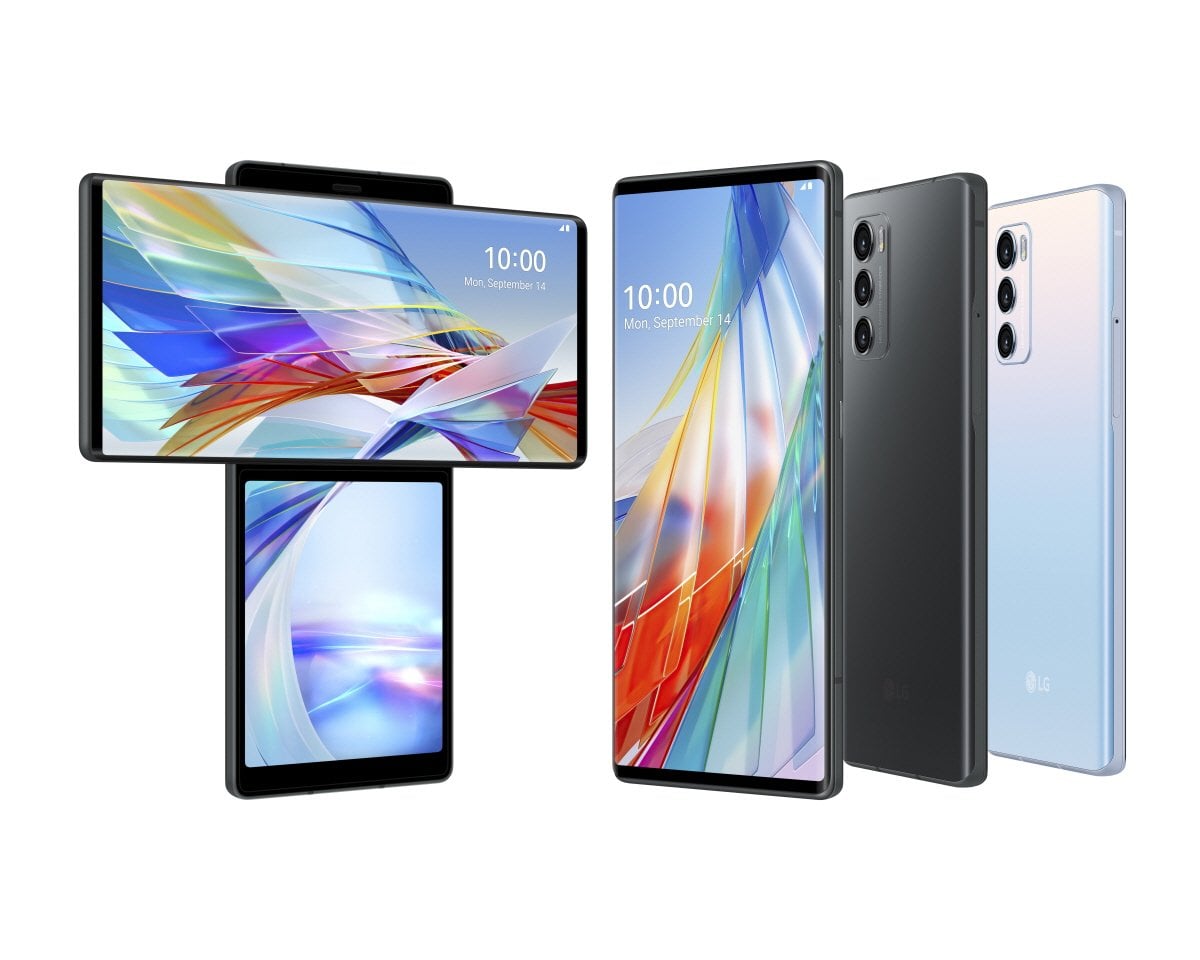
The LG Wing looked normal until you pushed its main screen. The screen swivelled sideways to show a second display underneath, forming a T shape, and Android Central says it's a design you won't really find anywhere else.
It turned out to be LG's last flagship smartphone. The year after it launched, LG announced it was leaving the smartphone business, so the Wing never got a successor.
Android Central also says it was expensive for what you got. The cheaper, plainer LG V60 had a more powerful Snapdragon chip and a bigger battery.
The weird bit: Its screen spun sideways into a T shape, and LG quit phones the following year.
8. YotaPhone 2
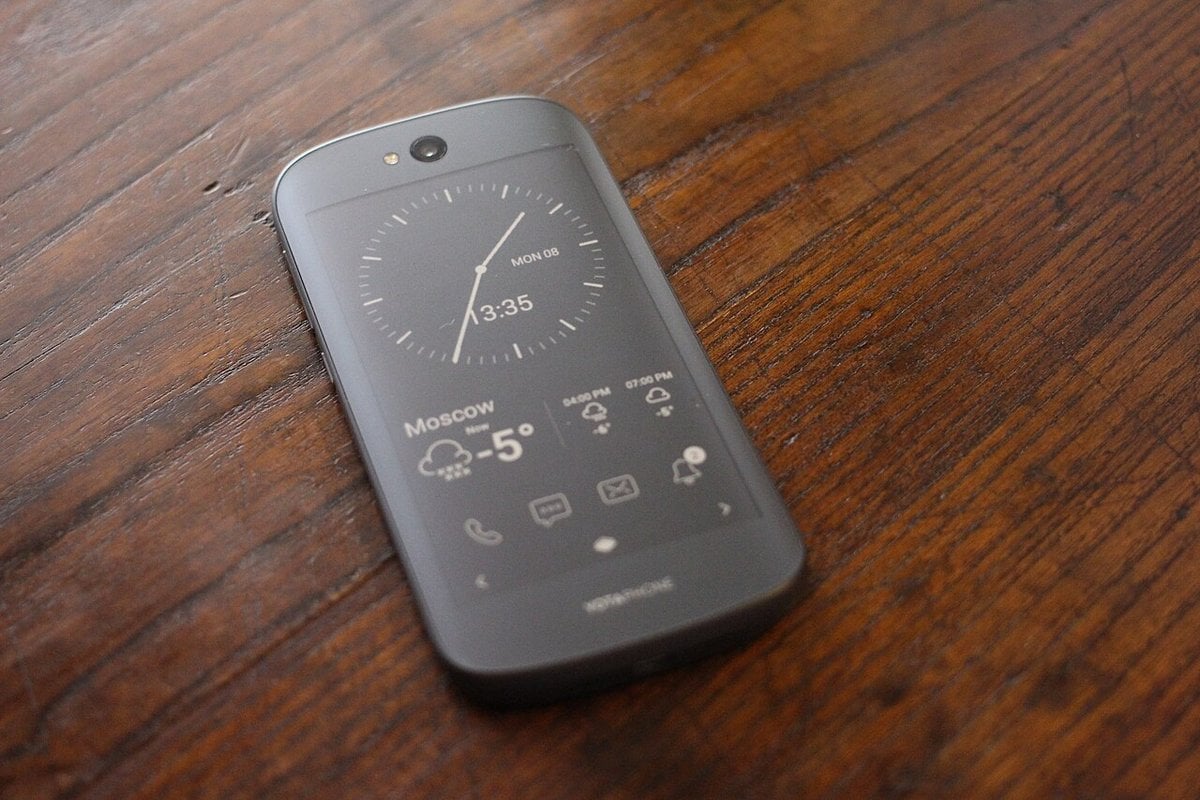
Turn the YotaPhone 2 over and you find a second screen. It had a 5-inch 1080p AMOLED display on the front and a 4.7-inch E Ink display on the back, like a tiny e-reader.
Underneath, it was a serious Android phone, running Android 4.4 KitKat on a Snapdragon 801 chip with 2GB of RAM and 32GB of storage. Tech Advisor's review still criticised the slow e-ink screen and bad ghosting, and it called the £440 price a barrier.
SpecEagle lists a December 2014 release and a launch price of $700. In 2015, Yota turned to Indiegogo to reach more countries, and early-bird reservations cost $525 plus shipping.
The weird bit: It was a normal smartphone on one side and an e-reader on the other.
9. Samsung Galaxy Beam
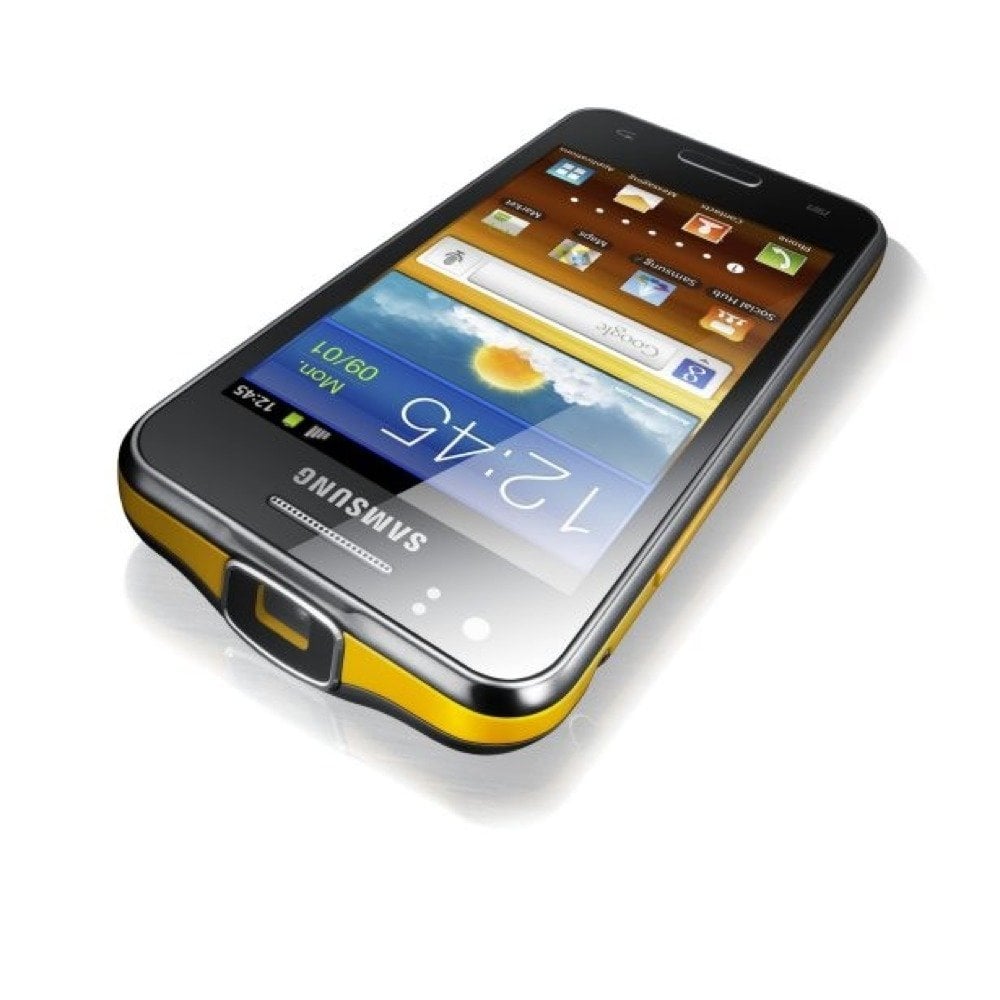
Imagine a phone that could throw a film onto your bedroom wall. Samsung announced the Galaxy Beam on 26 February 2012 and released it that July, with a projector built into the handset.
It used a Texas Instruments DLP pico projector with a 640×360 resolution and a rated output of 15 lumens. That isn't very bright, and the projector worked best in a dark room.
Fitting all of that in still left a fairly normal-sized phone, at 12.5 mm thick and about 145 g.
The weird bit: It was a smartphone with a cinema projector built into it.
10. Sony Ericsson Xperia Pureness
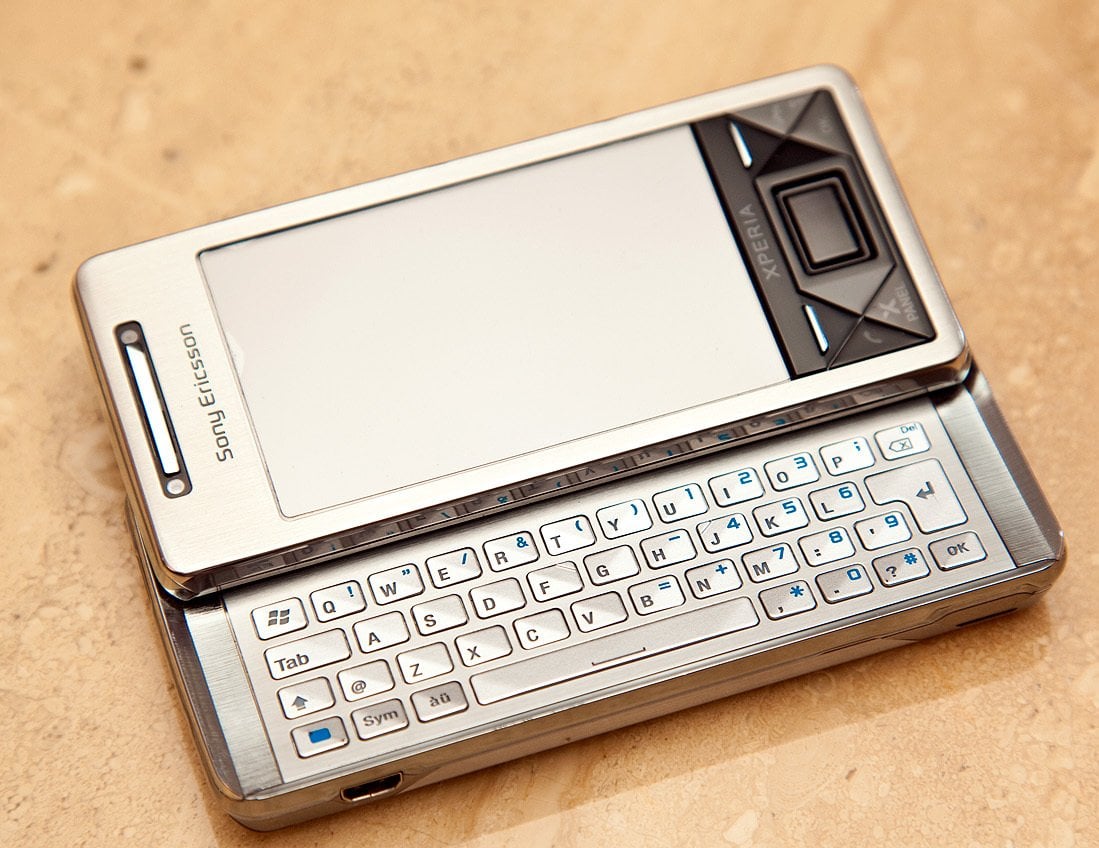
The Xperia Pureness had a screen you could see straight through. Announced in September 2009 and launched that November, it had a transparent greyscale display made with scratch-resistant glass.
The keypad had a hidden gradient design that only showed up when the backlight came on. Despite the Xperia name, it was the only feature phone in the Xperia line, and it had a 1.8-inch display and no camera at all.
It was a niche luxury model at the time and has since become a collector's item.
The weird bit: Its see-through screen almost vanished, yet it had no camera.
11. Nokia 3650 / 3600
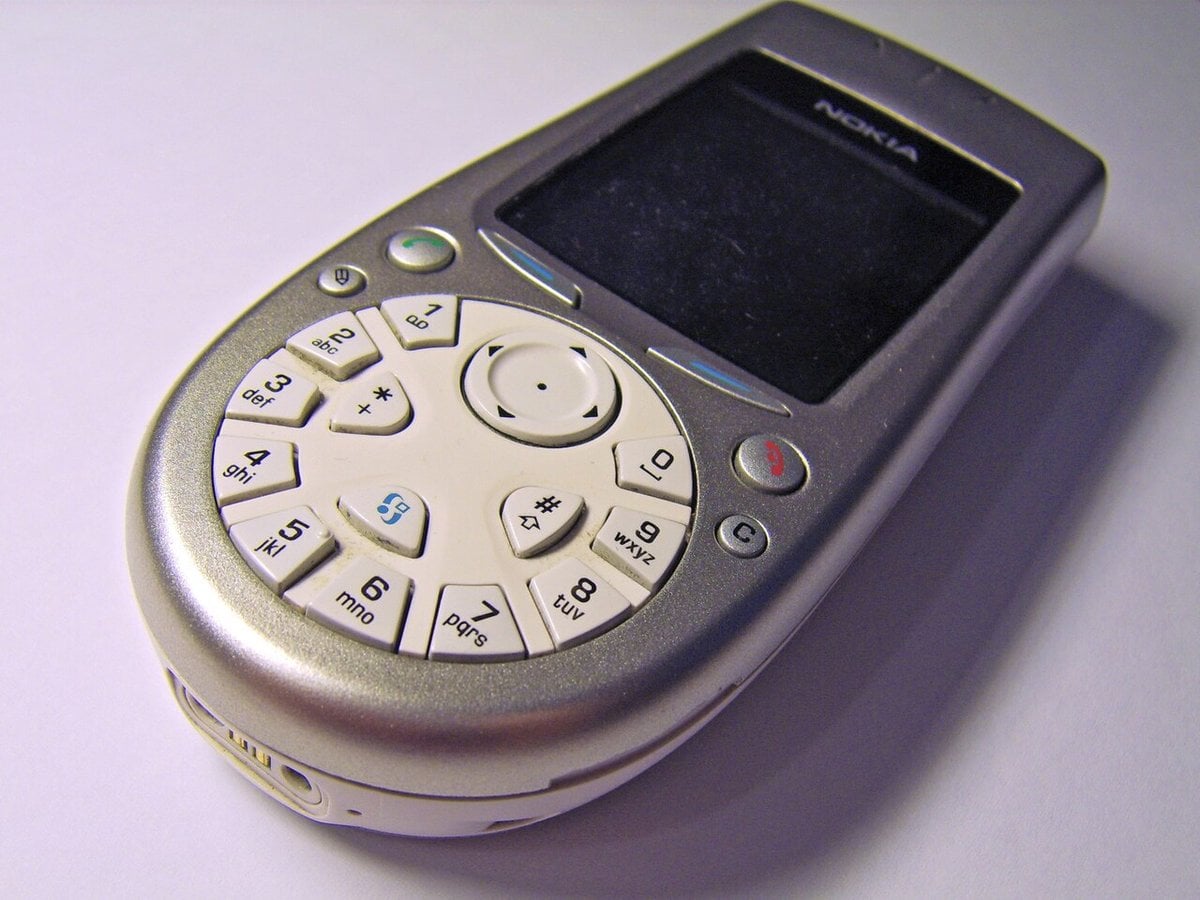
Nokia announced the 3650 on 6 September 2002, and it had one of the strangest keypads ever. The buttons were arranged in a circle, inspired by an old rotary dial phone.
It looked brilliant but was awkward to use, because it proved unpopular and impractical for text messaging. Elsewhere it was quite advanced for its day, with a 0.3-megapixel VGA camera, a 2.1-inch screen with 4,096 colours, and video clips of up to 15 seconds.
North America got its own version, the 3600. After users complained, Nokia replaced the circular keypad with a conventional one in the 3660 and 3620.
The weird bit: Its keypad copied a rotary dial, which made texting a real struggle.
12. Nokia 9000 Communicator
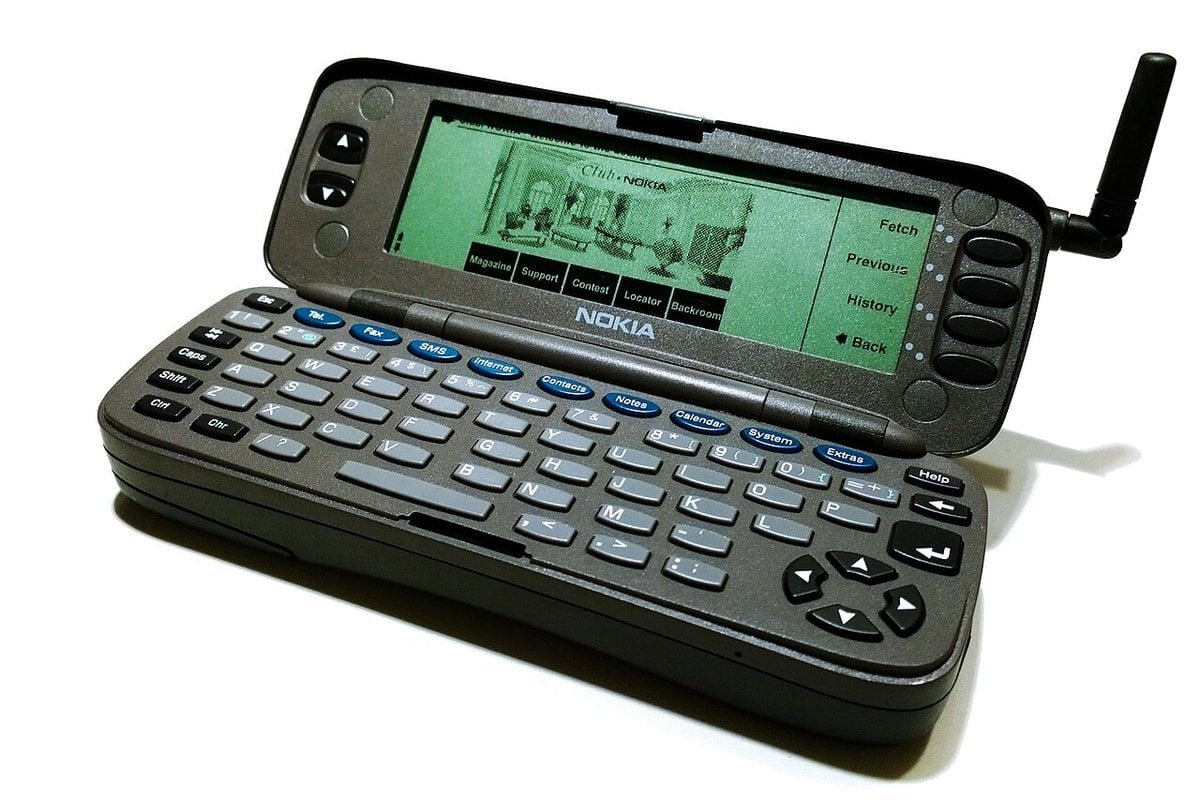
Long before smartphones, Nokia made a phone that opened up like a tiny laptop. The 9000 Communicator was announced at CeBIT 1996 and went on sale on 15 August 1996, with a 24 MHz Intel i386 processor and 8 MB of memory.
Inside the flip was a 640×200 monochrome display. The whole thing weighed 397 g, more than double many modern phones.
It started Nokia's Communicator series, which ran until 2007 and ended with the E90.
The weird bit: It was a phone powered by a chip from the PC world.
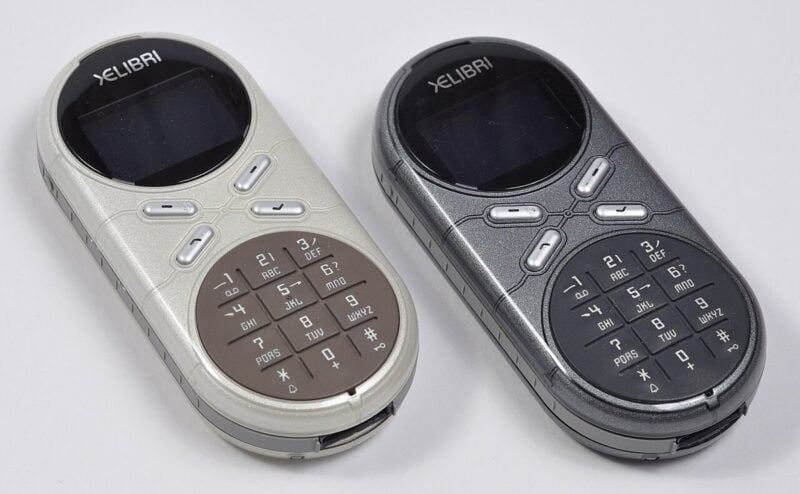
13. Siemens Xelibri series
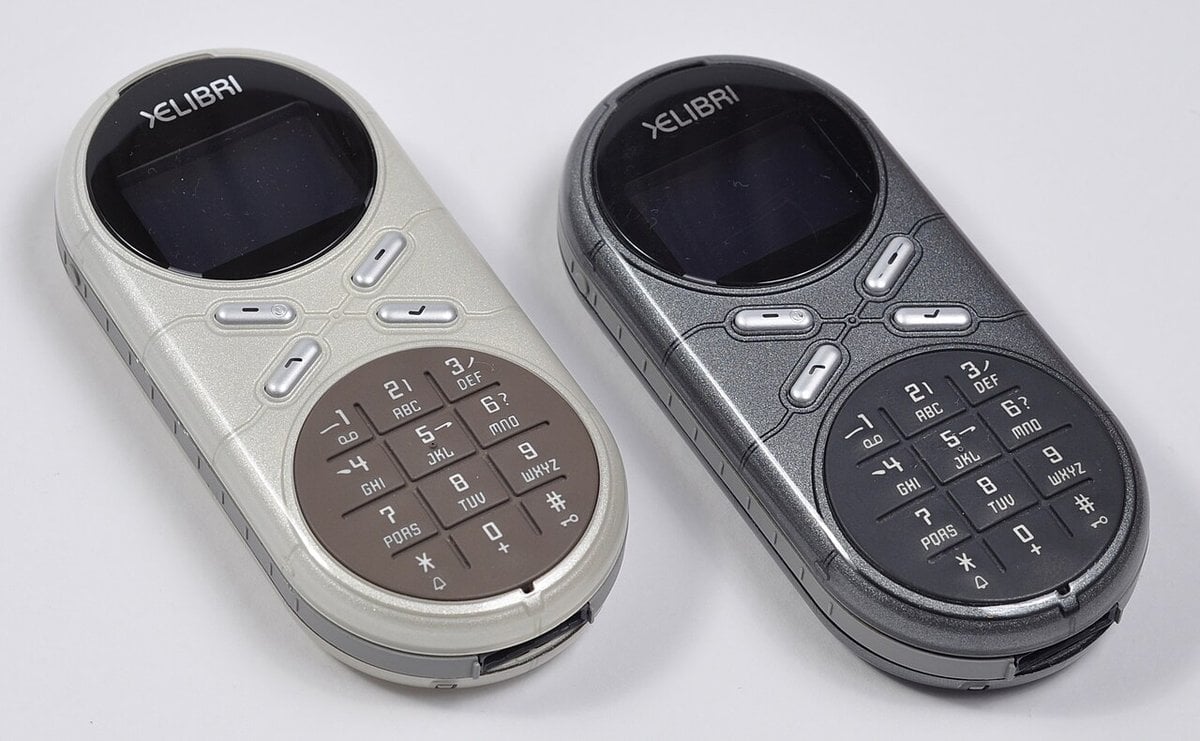
In January 2003, Siemens Mobile launched Xelibri as a line of fashion phones, meant to be worn and shown off as much as used. The first collection, Space on Earth, was designed in-house, and the design firm IDEO created the second one, Fashion Extravaganza.
Shoppers weren't convinced. Only 780,000 units were sold in 2003, which was less than 2% of Siemens' total handset sales.
Siemens dropped the range in May 2004, after two collections and eight models. A year later it sold its whole phone business to BenQ.
The weird bit: A big phone maker made phones as fashion accessories, and they lasted less than a year and a half.
14. Nokia 8800 Sapphire Arte
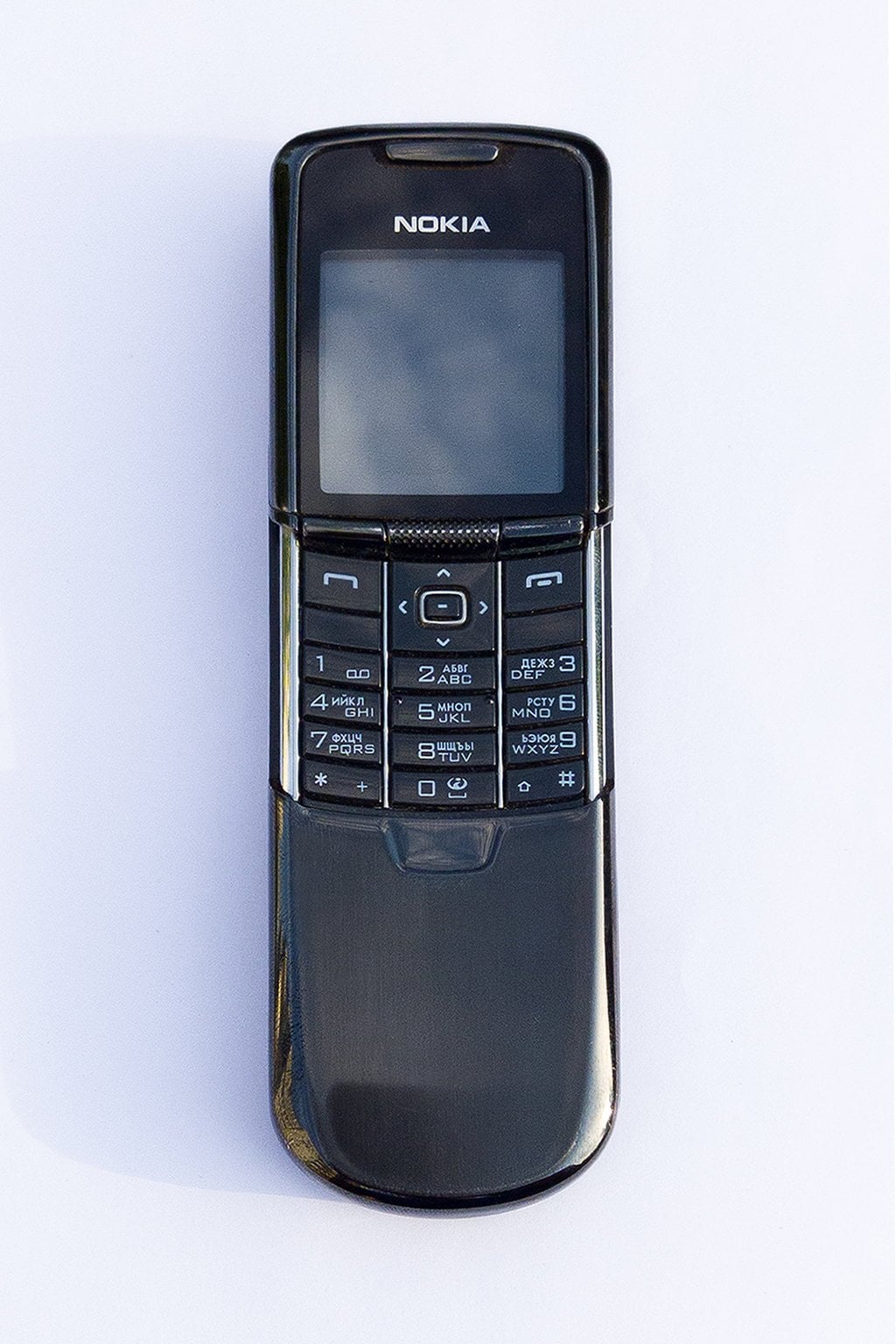
Nokia's 8800 range was its upmarket line, and the Sapphire Arte went further than the rest. One listing aggregator says it is prized for its sapphire crystal d-pad and premium leather accents.
It is long discontinued, but collectors still want it. As of November 2026, Alibaba's marketplace guide puts used units at an estimated $310 to $890, which is a resale estimate and not the launch price.
People even still restore them. Replacement leather sets are sold for about $50 on eBay.
The weird bit: Its navigation button was made of sapphire crystal.
15. Nokia 5510
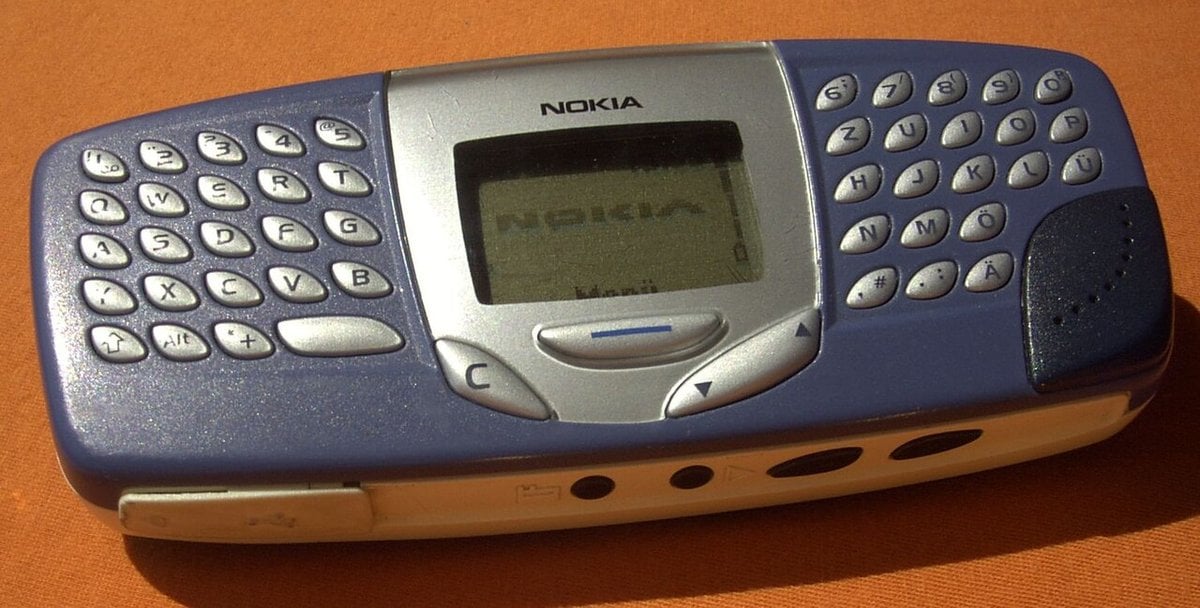
Released in December 2001, the Nokia 5510 had a full QWERTY keyboard split in half around the display. You held it sideways, a bit like a game controller.
It was also Nokia's first phone with a music player, and it played both MP3 and AAC files from 64MB of internal storage. All of this ran on a tiny 84×48 monochrome screen.
The idea lived on in later models, and the Nokia 3300 and the 6800 series are among its successors.
The weird bit: It combined a keyboard split around the screen with an MP3 player, years before smartphones did both.
16. Nokia 7380
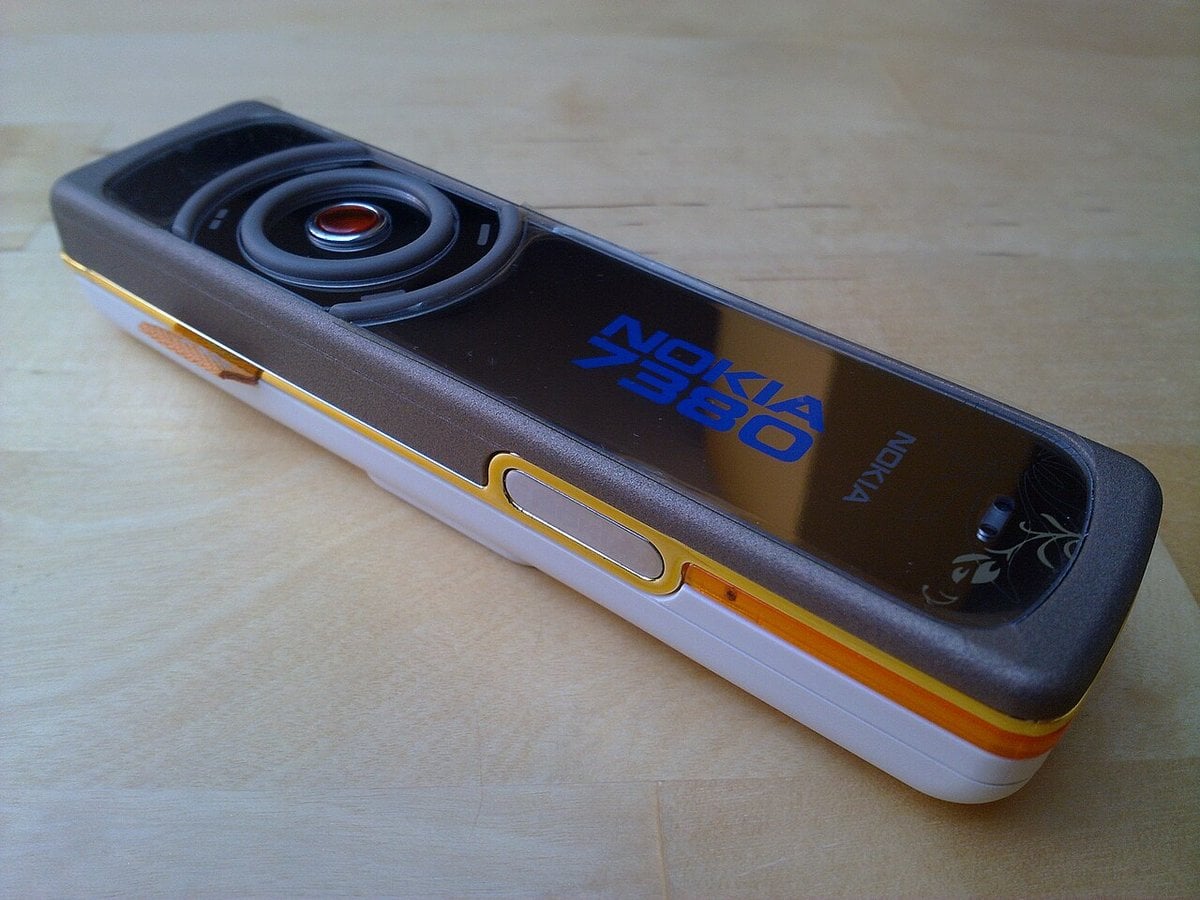
The Nokia 7380, codenamed Paris, was a lipstick-style fashion phone announced on 19 October 2005. It belonged to Nokia's L'Amour Collection with the 7360 and 7370 and went on sale in early 2006.
Looks came first. It had 64 MB of storage, of which 52 MB was usable, and no memory card slot. It also had no Wi-Fi, although it did have Bluetooth and EDGE.
The weird bit: It was a phone designed to look like a lipstick tube.
17. Sharp Aquos Crystal
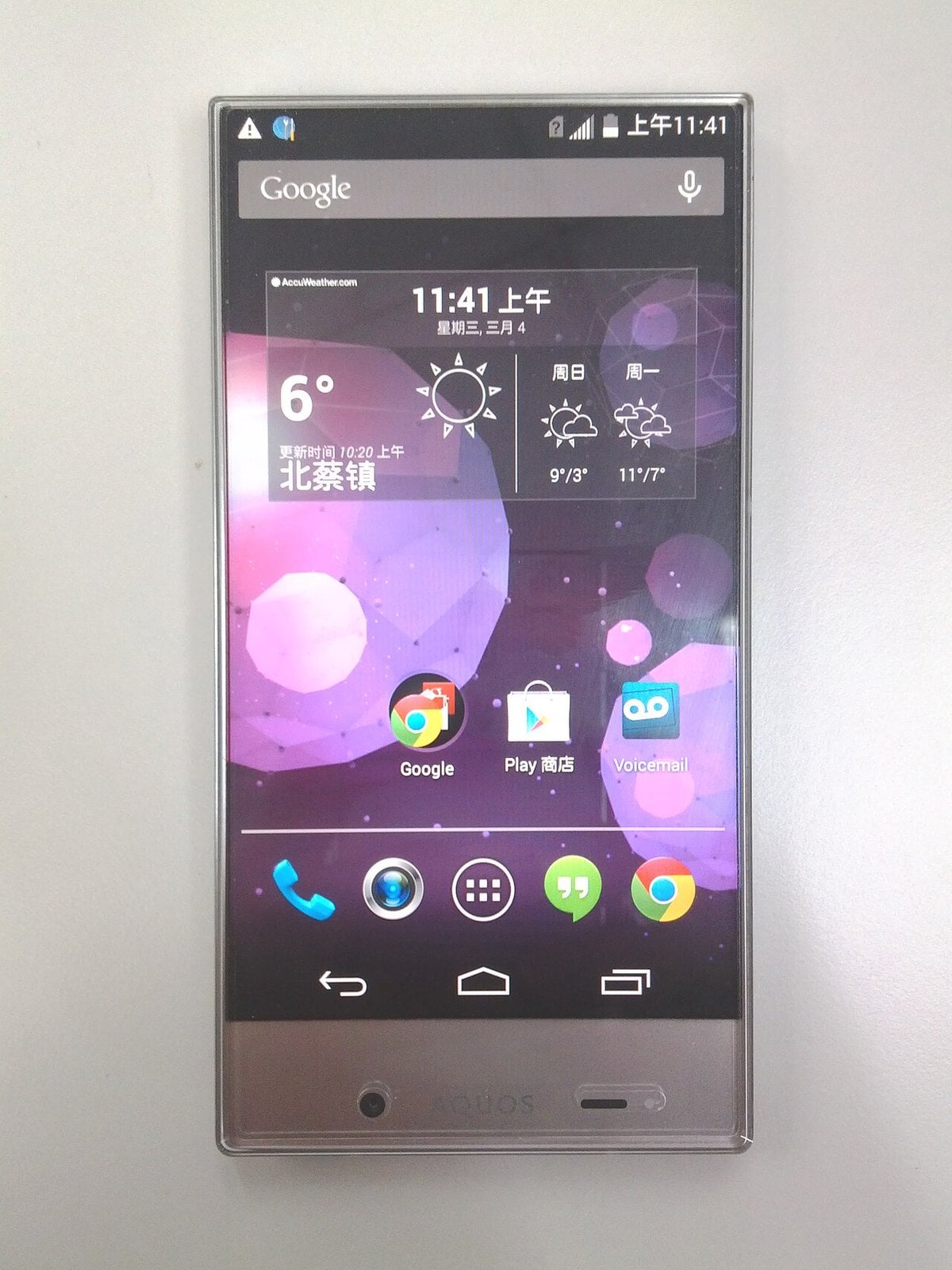
Years before skinny bezels were normal, this phone looked like a screen floating in the air. Sprint announced the Sharp Aquos Crystal on 19 August 2014 as a mid-range handset with an almost bezel-less design, and it was reportedly Sharp's first US phone in years.
It had a 5-inch edge-to-edge 720p display, a Snapdragon 400 chip and Harman Kardon speakers. Off contract it cost $239.99 at Sprint, or $149.99 through Boost Mobile.
The weird bit: A cheap mid-range phone had the borderless look that flagships took years to copy.
18. Fairphone 1
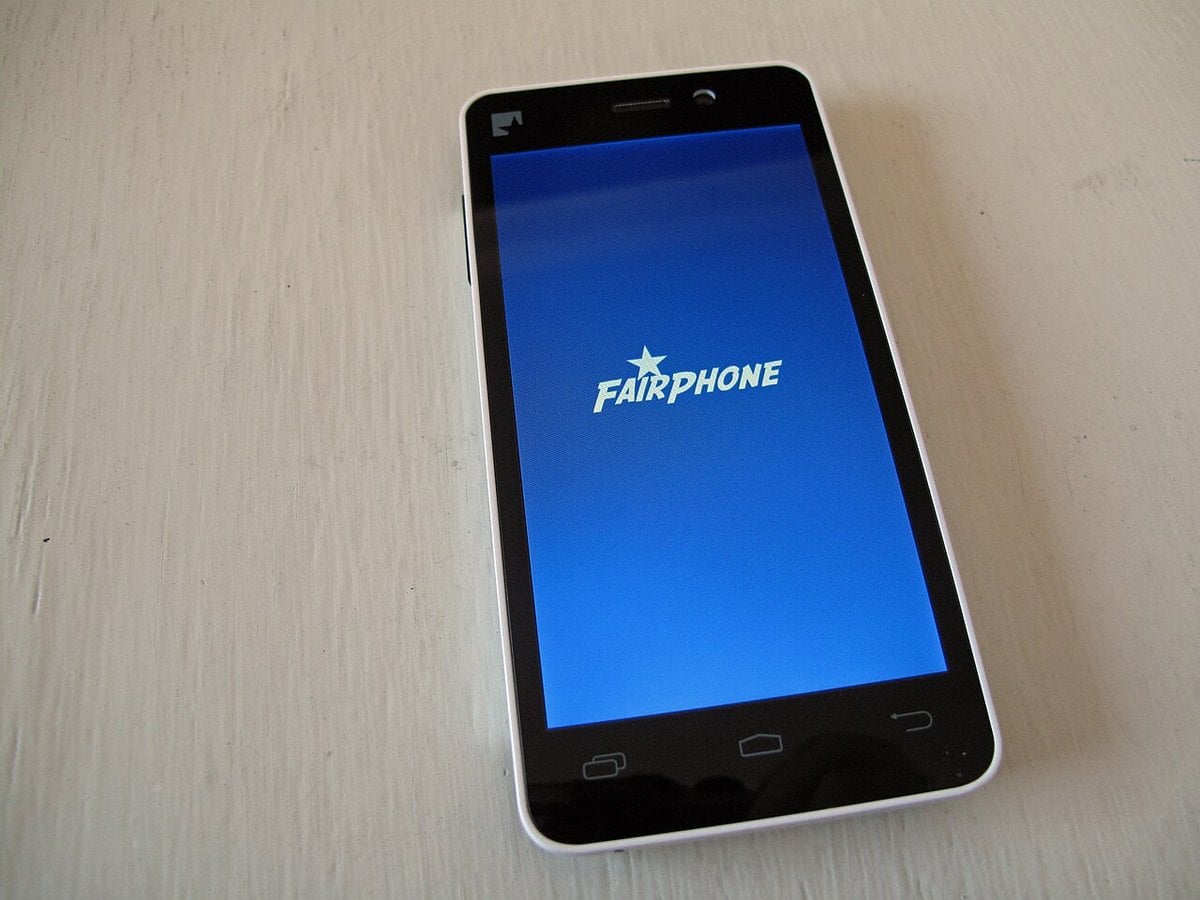
The Fairphone began as an awareness campaign by Bas van Abel. By January 2013 it had become a social enterprise he co-founded with Miquel Ballester.
In mid-2013, customers paid for the first 25,000 phones through crowdfunding, at €325 each. The company had never built a smartphone before, and a case study describes quality problems during manufacturing.
The weird bit: Buyers paid for the phone before it existed, to a company that had never made one.
19. Siemens SL10
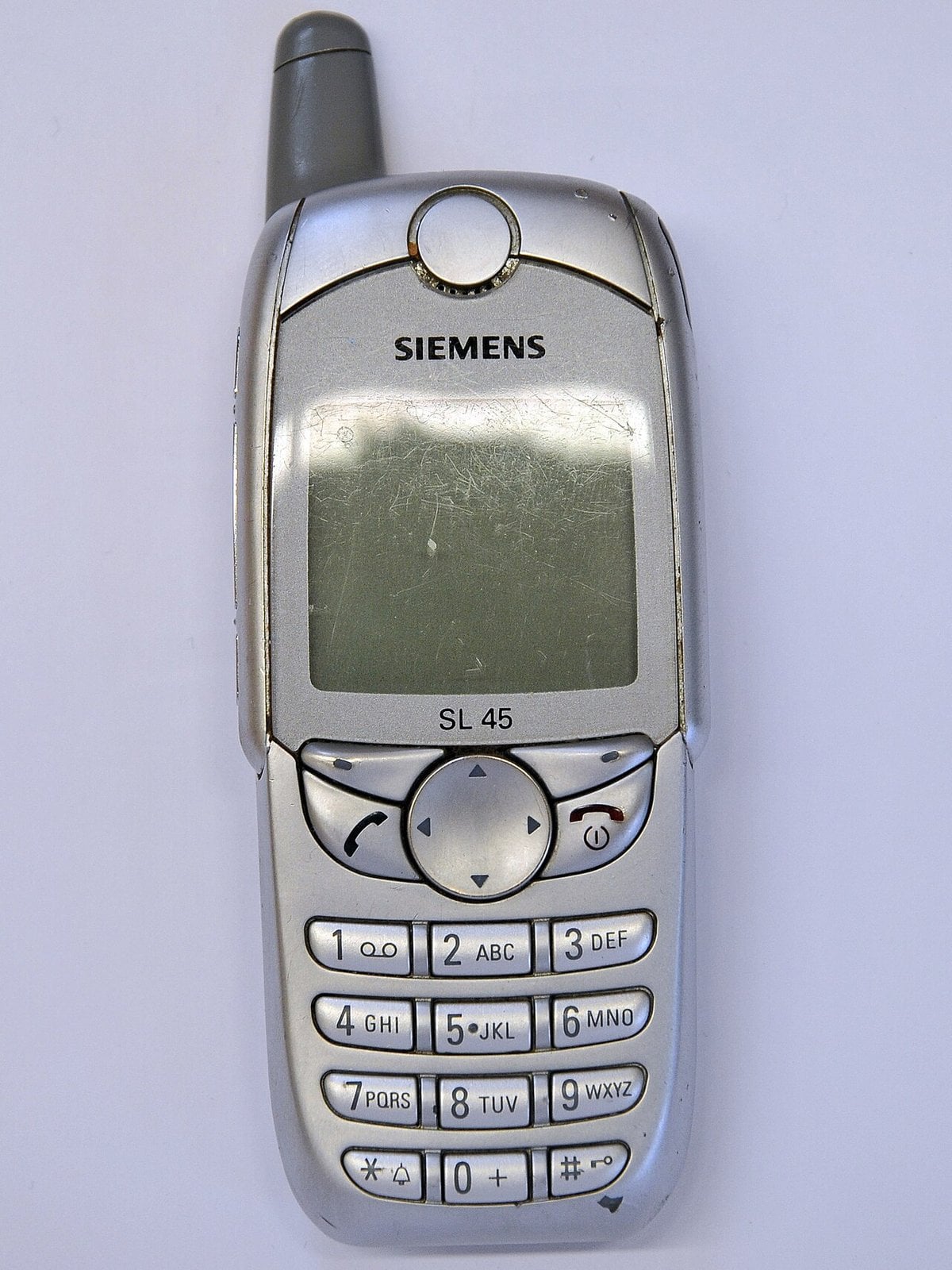
Siemens announced the SL10 in January 1999, and it used a slider design years before sliders became fashionable. It was a GSM 900 phone that measured 129 x 50 x 26 mm and weighed 138 g with its battery.
Its 550 mAh battery was rated at up to 46 hours of standby and 3 hours of talk time. There was no WAP, no browser and no Bluetooth, and data crawled along at only 9600 bps.
The weird bit: It used a slider design in 1999, long before most phone makers tried one.
20. Nokia 5700 XpressMusic
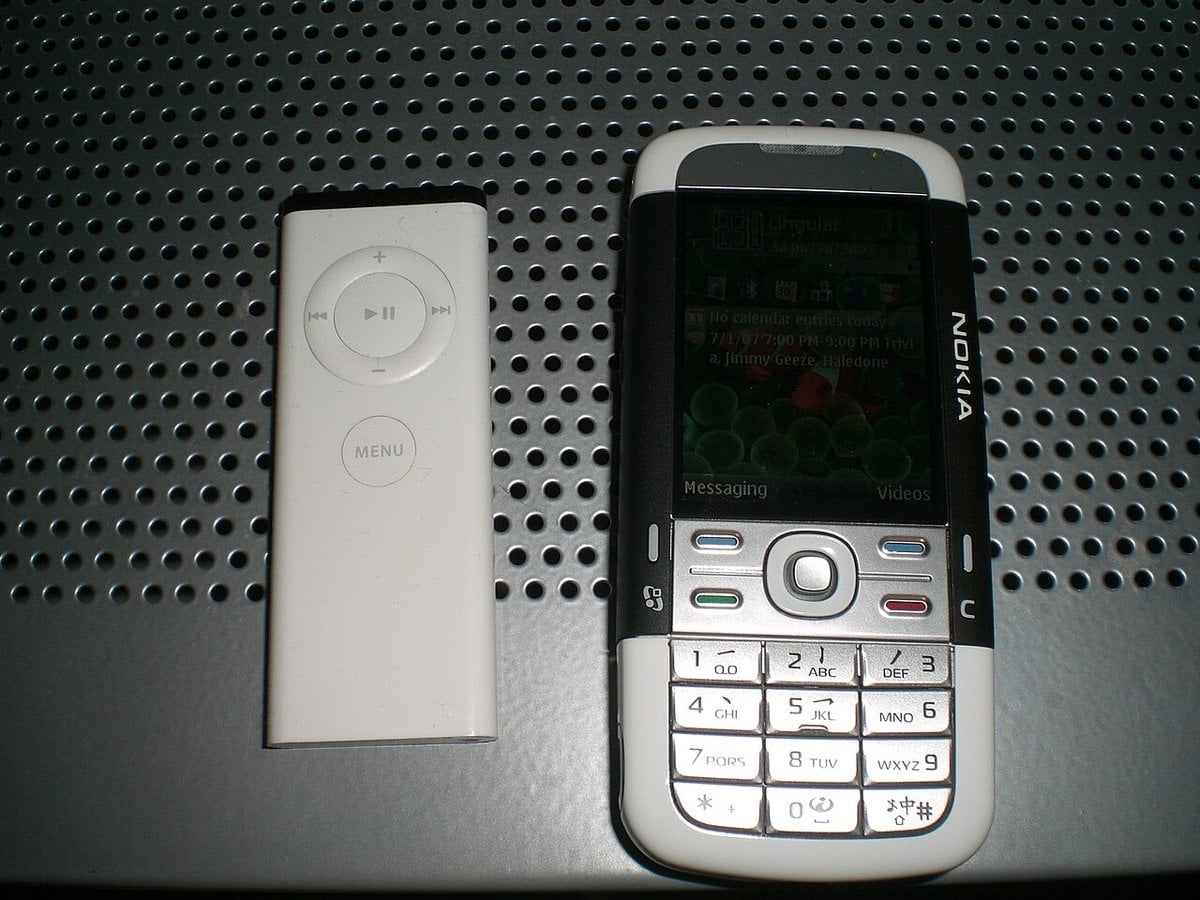
Nokia announced the 5700 XpressMusic on 29 March 2007 as the successor to the Nokia 3250, and it went on sale that April.
That family tree explains why it belongs here. The 3250 had a form factor Nokia called ‘Twist'. The music line later settled down, and the 5700's successor, the 5320, was a plain candybar.
The weird bit: It followed a music phone whose design was simply called ‘Twist'.
The 20 at a glance
| Phone | Maker | What made it weird |
|---|---|---|
| Vertu Signature Cobra | Vertu | A ruby cobra, listed at $504,308 |
| Goldstriker iPhone 3GS Supreme | Stuart Hughes | Gold and diamonds, valued at about $3.2 million |
| DynaTAC 8000X | Motorola | The first handheld phone, at $3,995 |
| N-Gage | Nokia | A gaming phone that flopped |
| Aura | Motorola | A round sapphire screen |
| ROKR E1 | Motorola | An iTunes phone with a 100-song limit |
| Wing | LG | A swivelling T-shaped screen |
| YotaPhone 2 | Yota | An e-ink screen on the back |
| Galaxy Beam | Samsung | A built-in projector |
| Xperia Pureness | Sony Ericsson | A see-through screen |
| 3650 / 3600 | Nokia | A rotary-style keypad |
| 9000 Communicator | Nokia | A 1996 phone that opened like a laptop |
| Xelibri series | Siemens | Phones sold as fashion accessories |
| 8800 Sapphire Arte | Nokia | A sapphire d-pad and leather |
| 5510 | Nokia | A keyboard split around the screen |
| 7380 | Nokia | Shaped like a lipstick |
| Aquos Crystal | Sharp | Almost no bezels in 2014 |
| Fairphone 1 | Fairphone | Crowdfunded by its buyers |
| SL10 | Siemens | A slider in 1999 |
| 5700 XpressMusic | Nokia | Descended from the ‘Twist' music phone |
Did You Know?
The Galaxy Beam wasn't Samsung's first projector phone. The company had already made the AnyCall W7900, the AMOLED Beam W9600 and the Galaxy Beam I8520 before it.
The Bottom Line
From a $3,995 brick in 1983 to a ruby-covered phone listed at more than half a million dollars, phone makers have never been short of bold ideas. Many failed, and some failed spectacularly.
Plenty of these oddities were simply early, though. Sliders, music phones, second screens and nearly bezel-less displays all looked strange at first, and several of those ideas became normal later.