
Most of us trust the gadgets we carry in our pockets, plug in on the kitchen counter or rely on every time we drive. Now and then, though, something goes badly wrong, and millions of products have to come back.
These are 20 of the biggest recalls on record. They include a phone that became a global headline for all the wrong reasons, the must-have Christmas gift that set homes alight, sleep machines recalled in their millions, and a famous car that became a lesson in safety versus cost.
Some of these may already have passed through your home, or may still be sitting in your bag, on your wrist or by your front door. Let's start with the one almost everyone remembers.
1. Samsung Galaxy Note 7
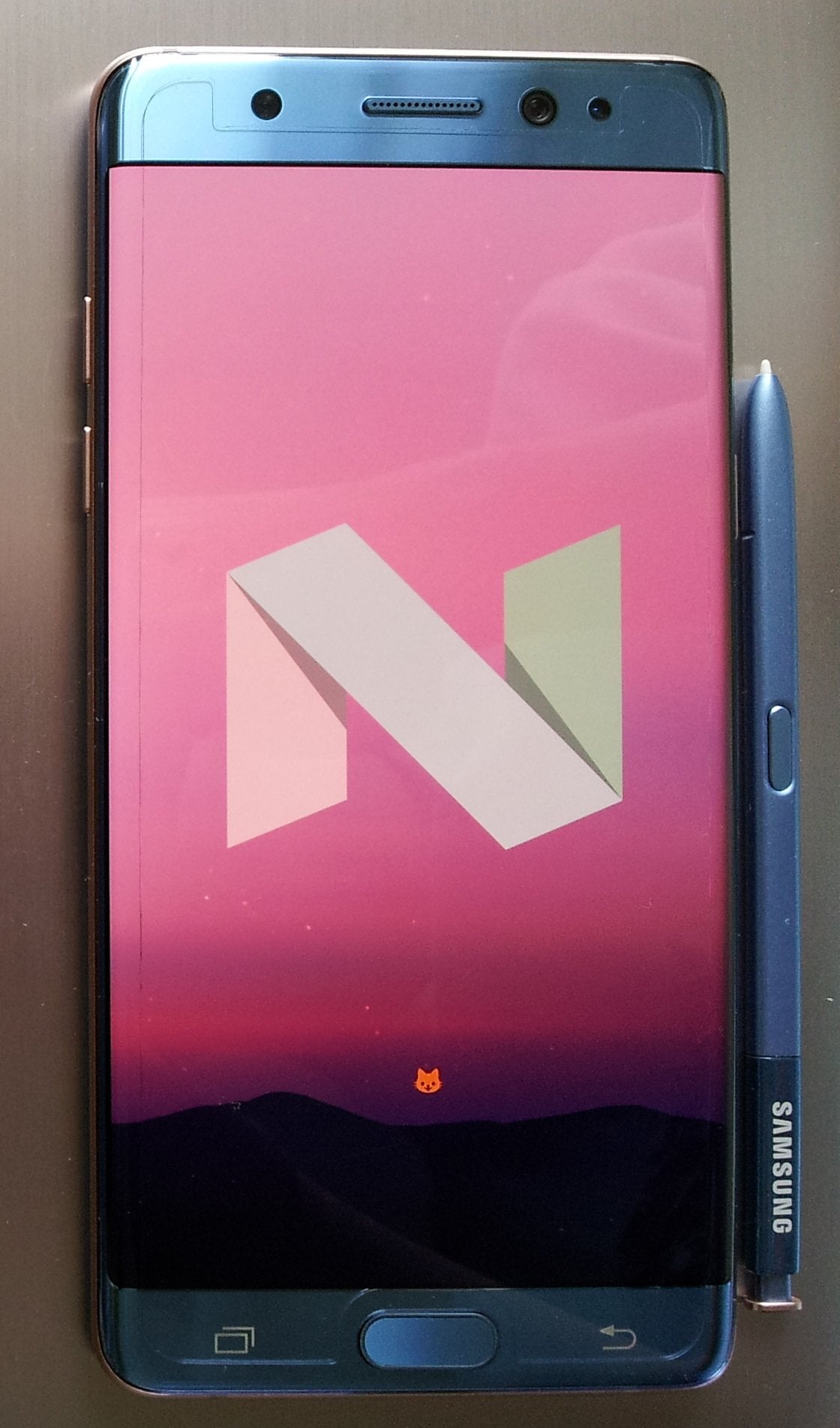
In 2016, Samsung's flagship phone became famous for the worst possible reason. The US Consumer Product Safety Commission announced an official recall after reports of batteries catching fire or exploding.
The numbers were alarming. Samsung had received 92 US reports of overheating batteries, including 26 reports of burns and 55 reports of property damage such as fires in cars and a garage.
The US recall alone covered roughly 1 million phones. Analysts estimated Samsung could lose $5 billion in revenue once the cost of replacing 2.5 million units was counted.
Why it mattered: It showed that a single battery fault could cost even the world's biggest phone maker an estimated $5 billion.
2. Hoverboards
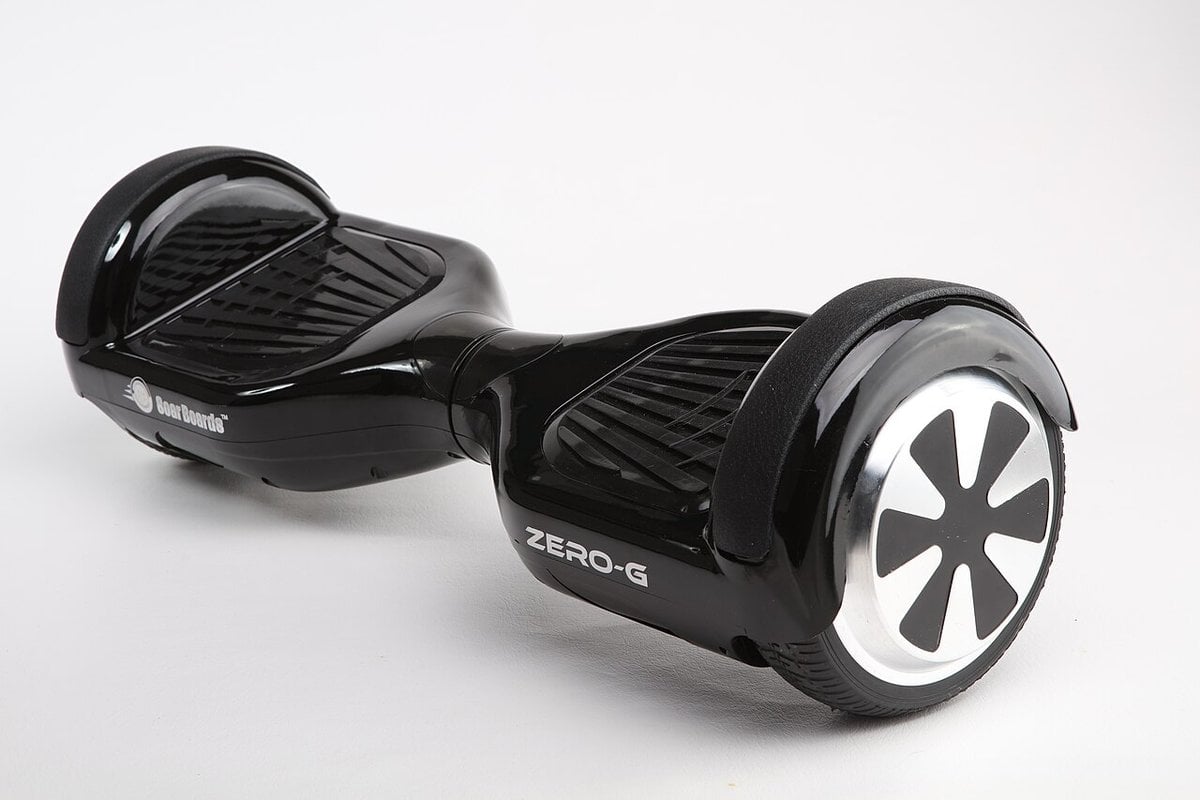
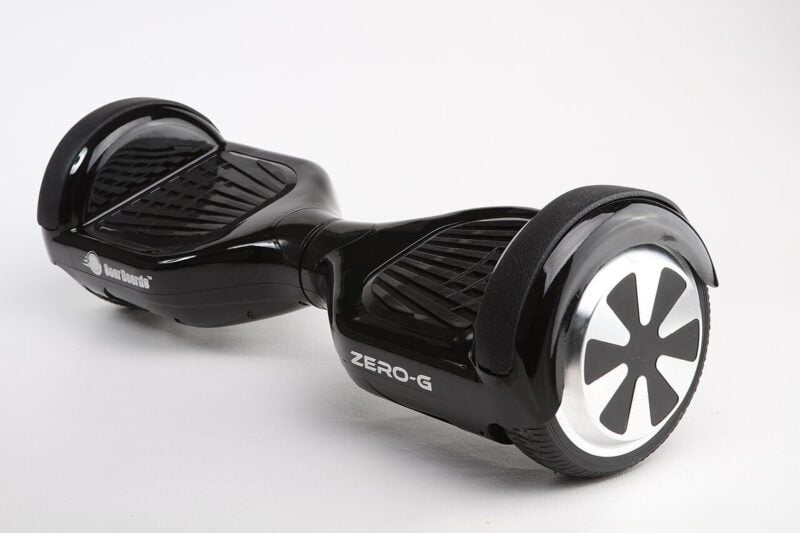
For one holiday season, everybody wanted a hoverboard. Then photos and videos of them on fire or spewing smoke started spreading online.
On 6 July 2016, the US Consumer Product Safety Commission announced a recall of more than 500,000 hoverboards because of fire hazards. It covered boards from eight manufacturers and importers that used lithium-ion battery packs, plus 4,300 sold by Overstock.com and 1,300 sold by a Pennsylvania store.
Swagway was the biggest name caught up, with 267,000 of the recalled units. Its $400 Swagway X1 had the most injury reports, at 16.
Why it mattered: The year's hottest gift turned into a fire risk in living rooms, and more than 500,000 had to come back.
3. Philips CPAP Machines
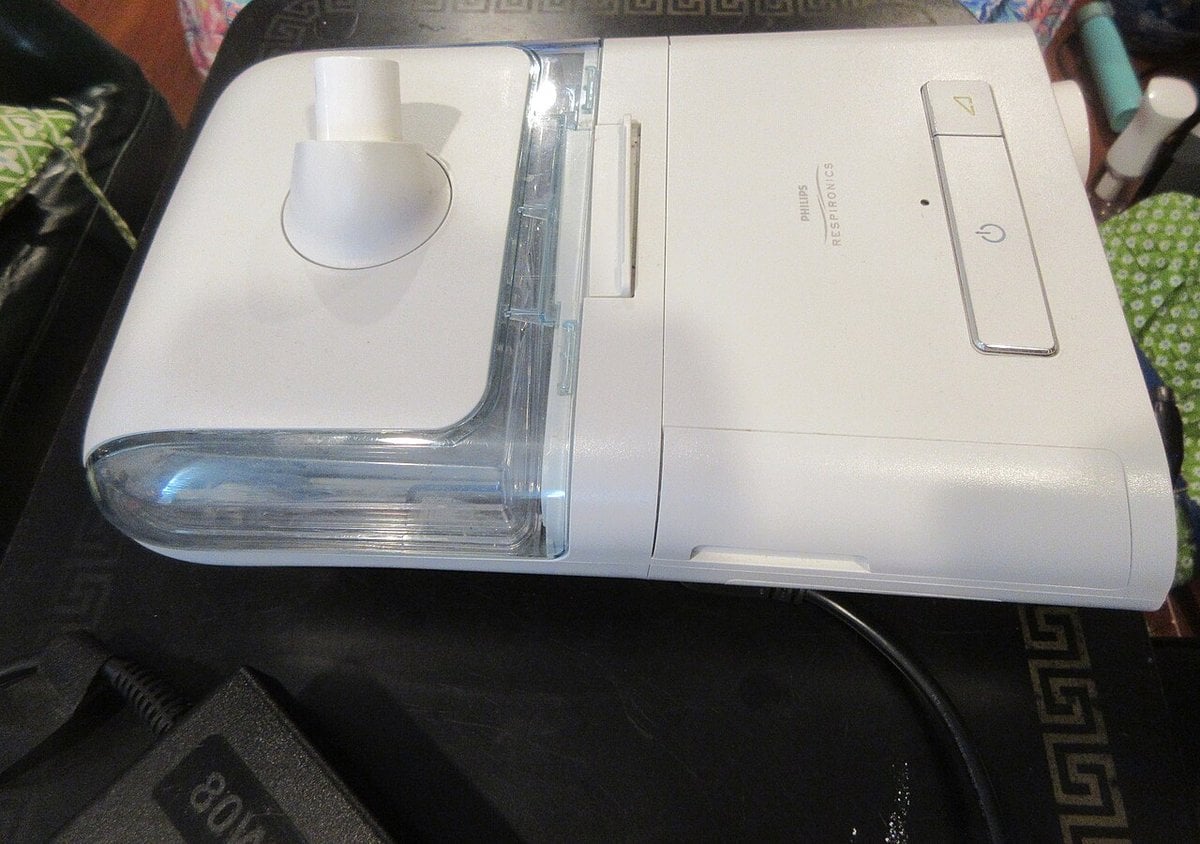
Millions of people rely on a CPAP machine to breathe properly through the night. That trust took a serious knock in June 2021, when Philips Respironics started a voluntary recall that affected an estimated 15 million CPAP devices worldwide.
That makes it one of the biggest recalls of any device on this list. These were machines people used every single night, often for years.
The fallout has been huge. Since the recall began, the FDA has received more than 116,000 medical device reports linked to these machines.
Why it mattered: With an estimated 15 million devices affected, it showed that a recall can reach right into people's bedrooms while they sleep.
4. Dell Laptop Batteries
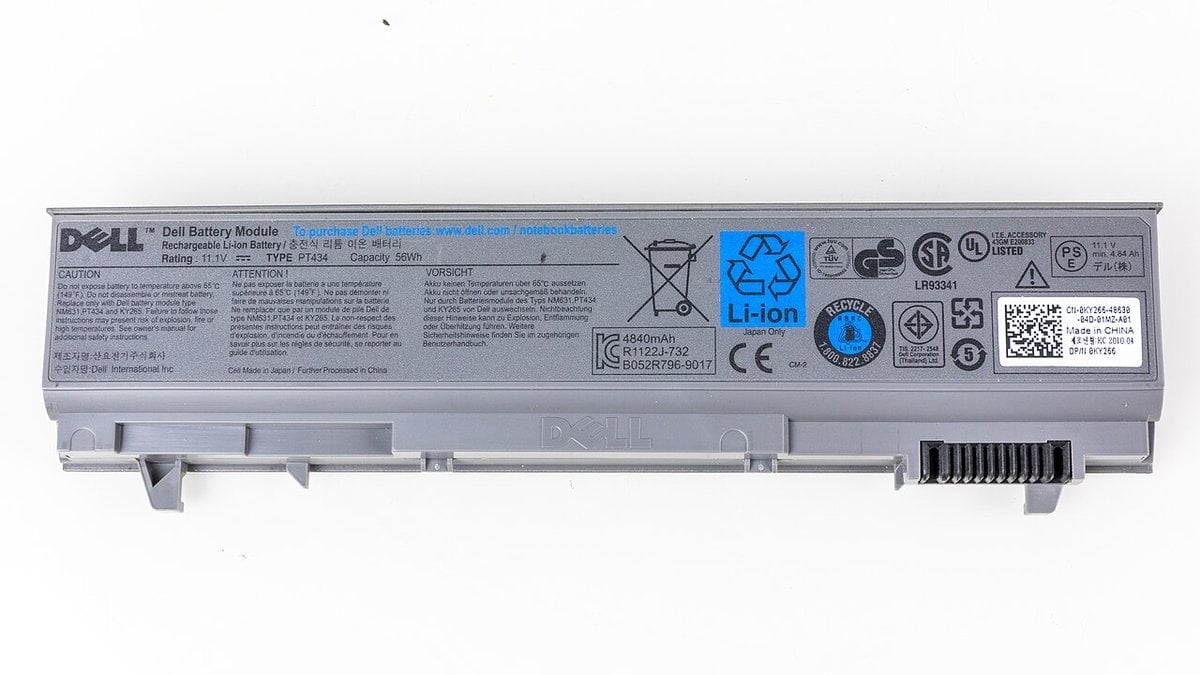
In late June 2006, a Dell notebook appeared to spontaneously combust at a conference in Osaka, Japan. A man with a camera phone captured the moment on video.
On 14 August 2006, Dell recalled 4.1 million Sony-made lithium-ion batteries because they could overheat and pose a fire risk. They had shipped with laptops, or as replacements, sold from 1 April 2004 to 18 July 2006.
According to TechCrunch, the affected machines made up roughly 18% of the notebooks Dell sold in that period. The Register called it the largest consumer electronics recall in US history at the time.
Why it mattered: It became a landmark battery recall in consumer electronics, and a camera phone video helped bring it into the open.
5. Sony Laptop Batteries
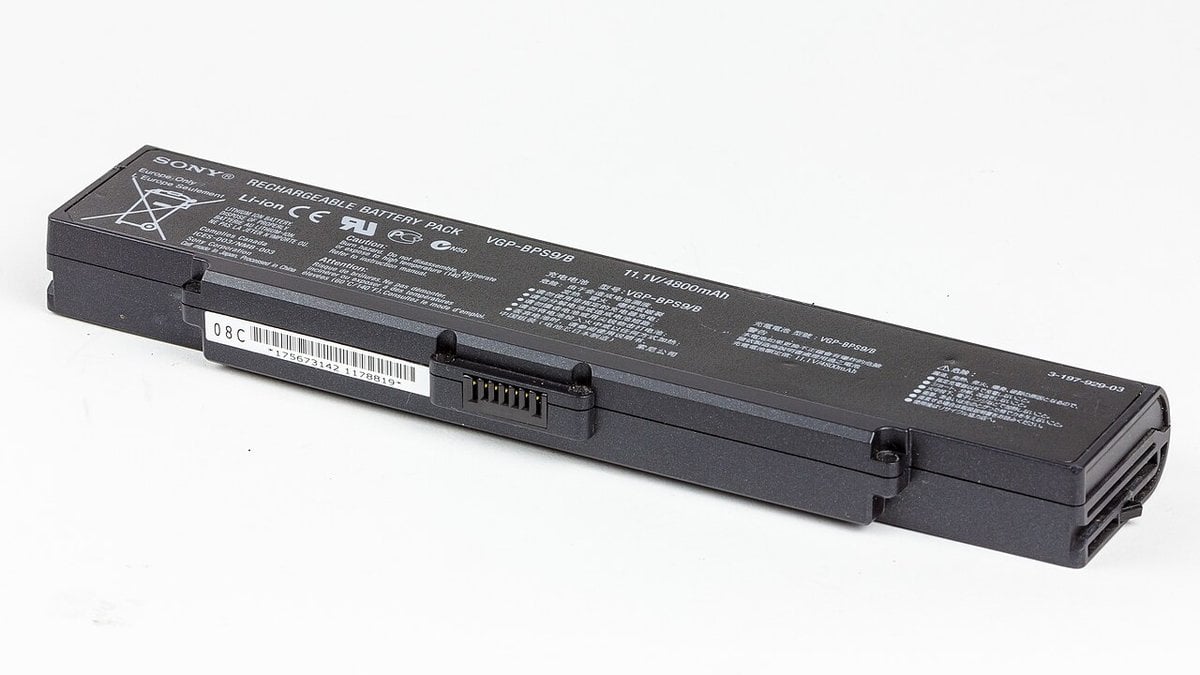
Sony didn't just make the batteries that let Dell down. Its 2006 to 2007 recall covered nearly 10 million batteries and affected almost every major PC maker, Dell included.
Apple was caught up too. In August 2006, it recalled 1.8 million Sony-made batteries that came with its iBook G4 and PowerBook G4 notebooks.
The bill was steep. Sony reportedly took a $432 million loss in 2006 because of the recall.
Why it mattered: One supplier's faulty cells ended up in laptops from almost every big brand, and Sony reportedly lost $432 million in a single year.
6. Takata Airbag Inflators
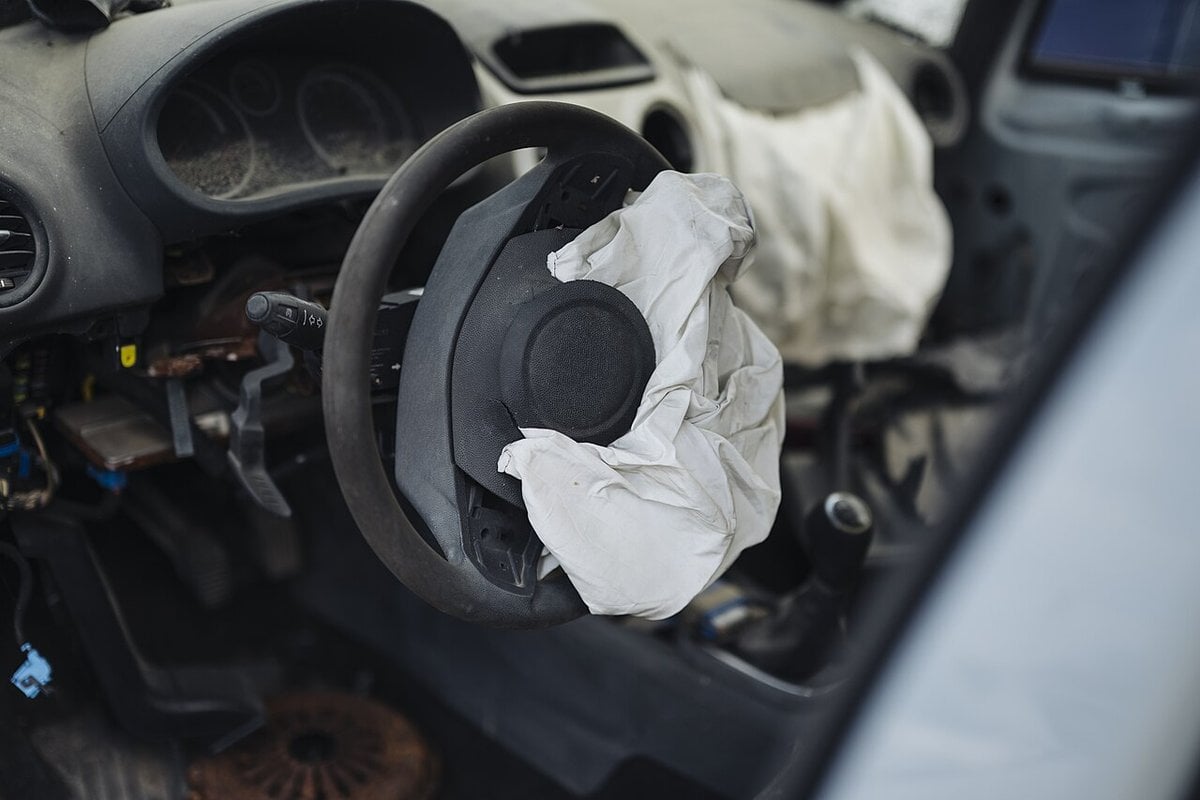
This one is not something you carry in your pocket, but it shows how a small part can cause widespread danger. The first Takata-related recall, started by Honda on 11 November 2008, covered only 3,940 vehicles.
The early ruptures involved 2001 and 2002 Honda Accords and Civics and a 2003 Toyota Corolla. In May 2014, Takata confirmed three ruptures reported to US regulators and said it knew of three more passenger inflator ruptures.
By June 2014, the problem was serious enough that the National Highway Traffic Safety Administration called a conference call with Takata and the affected carmakers. From there, the recall grew far beyond its small 2008 start.
Why it mattered: It grew from a few thousand cars into one of the most closely watched safety recalls on the road.
7. Ford Pinto Fuel Tank Recall
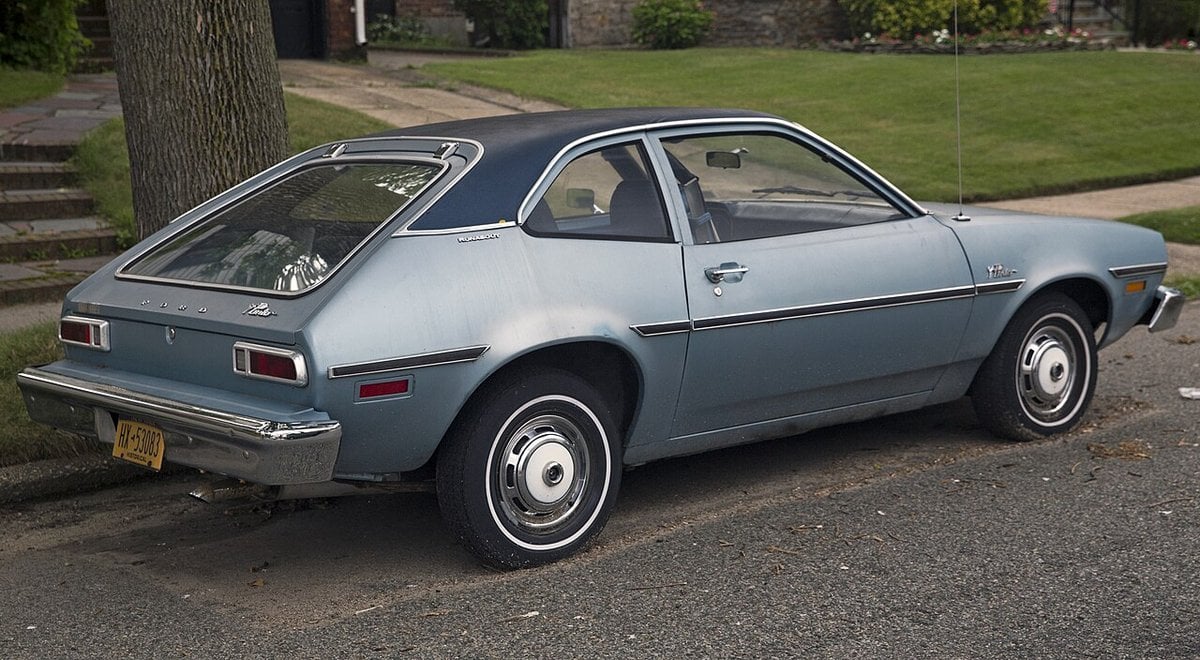
Few recalls are as infamous as this one. In 1978, Ford announced the recall of 1.5 million Pinto subcompacts, according to a New York Times report.
The fix involved fuel-system modifications meant to make the cars more resistant to leaks and fire in rear-end crashes. That came only after Ford had spent months defending the safety of the Pinto's fuel system.
The Pinto is long discontinued. The recall lives on, though, and is still taught as a case study in safety versus cost.
Why it mattered: It became one of the best-known examples of a company weighing safety against cost, and it is still studied today.
8. Keurig Mini Plus Coffee Makers
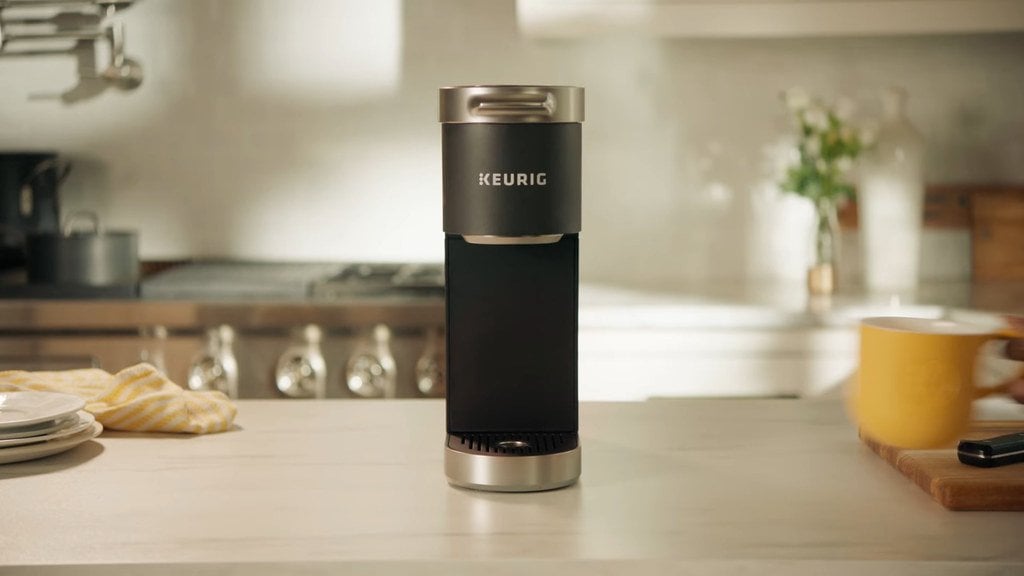
A morning coffee shouldn't come with a burn. Keurig's Mini Plus brewer was recalled after at least 90 reports of burn injuries and 200 reports of hot water spraying from the machine, according to the CPSC.
The scale was enormous. The CPSC estimated that 6.6 million units were affected in the US, with another 564,000 in Canada, all bought before July 2014.
The fix was simple. Owners could register for a free repair kit and keep using the brewer in the meantime.
Why it mattered: It put millions of kitchen countertops on alert over a machine most people used half asleep.
9. Cuisinart Food Processors
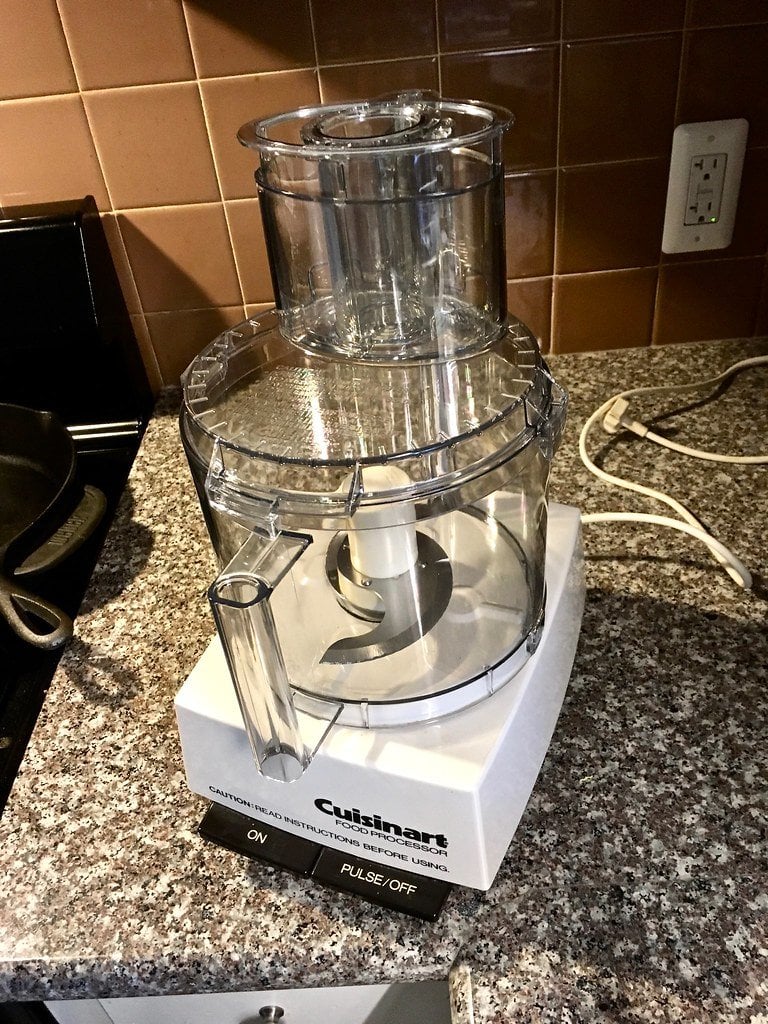
Not every big recall involves a battery. Cuisinart recalled more than 8 million food processors in the US and another 300,000 in Canada because the blades could break off and leave metal pieces in food.
The faulty blade was easy to spot because it had four distinctive rivets. The recall was announced by Health Canada and the US Consumer Product Safety Commission.
Cuisinart food processors are made by Conair, a company based in Stamford, Connecticut. Kitchens across North America suddenly had to check a gadget that many owners rarely gave a second thought.
Why it mattered: With more than 8 million units in the US alone, it is the largest recall in this list by unit count.
10. Samsung Galaxy Fold
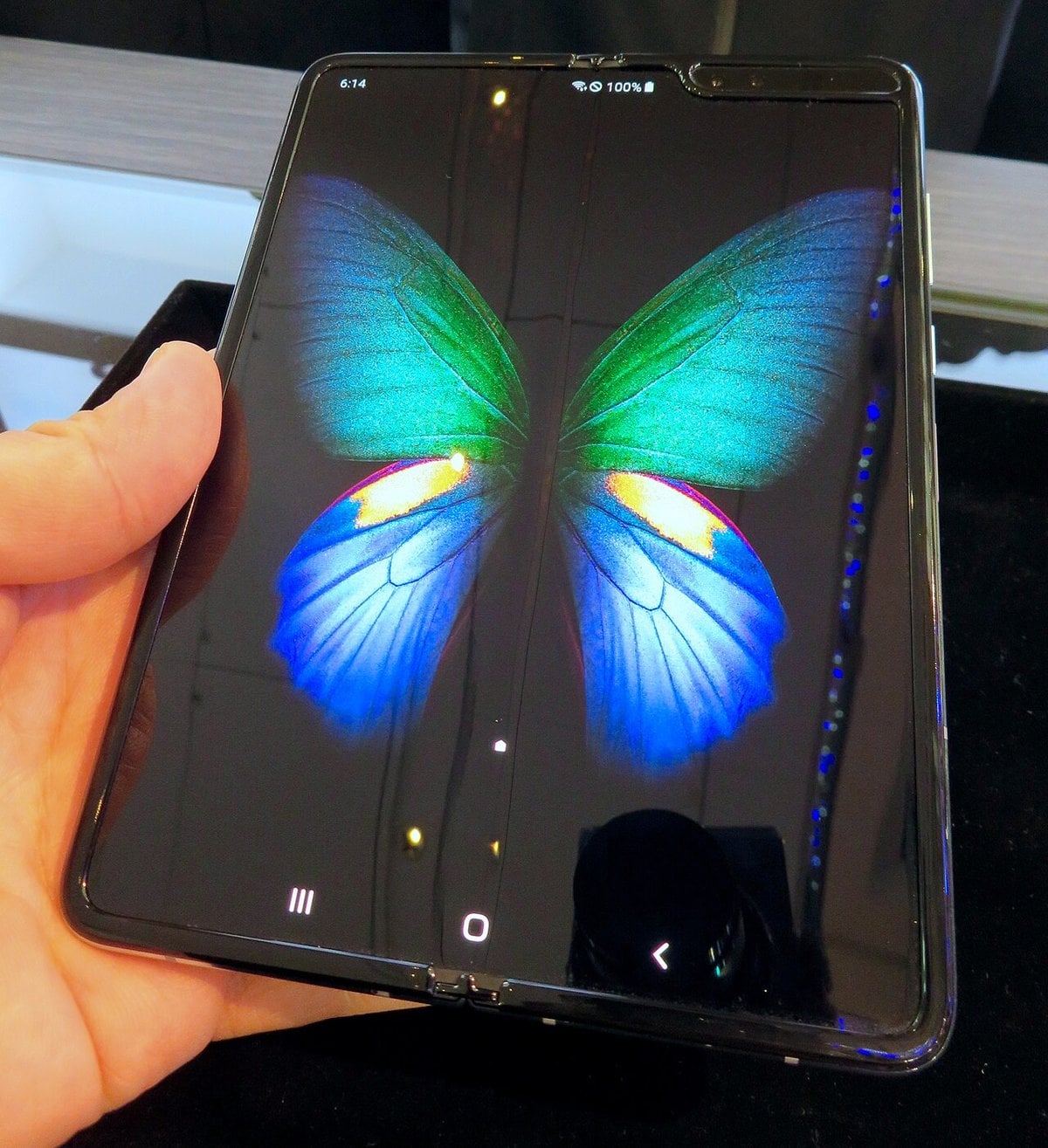
Samsung's first foldable phone cost $1,980 and was meant to show off the future. Instead, several review units failed in journalists' hands before it even went on sale.
Samsung indefinitely delayed the release and asked reporters to return their loaned review samples. That pushed back the planned on-sale date of 26 April 2019.
The story did not end there. Samsung has since released several newer Fold generations.
Why it mattered: It showed that a brand-new kind of phone can stumble in public before a single shopper owns one.
11. Apple MacBook Pro 15-inch Battery Recall
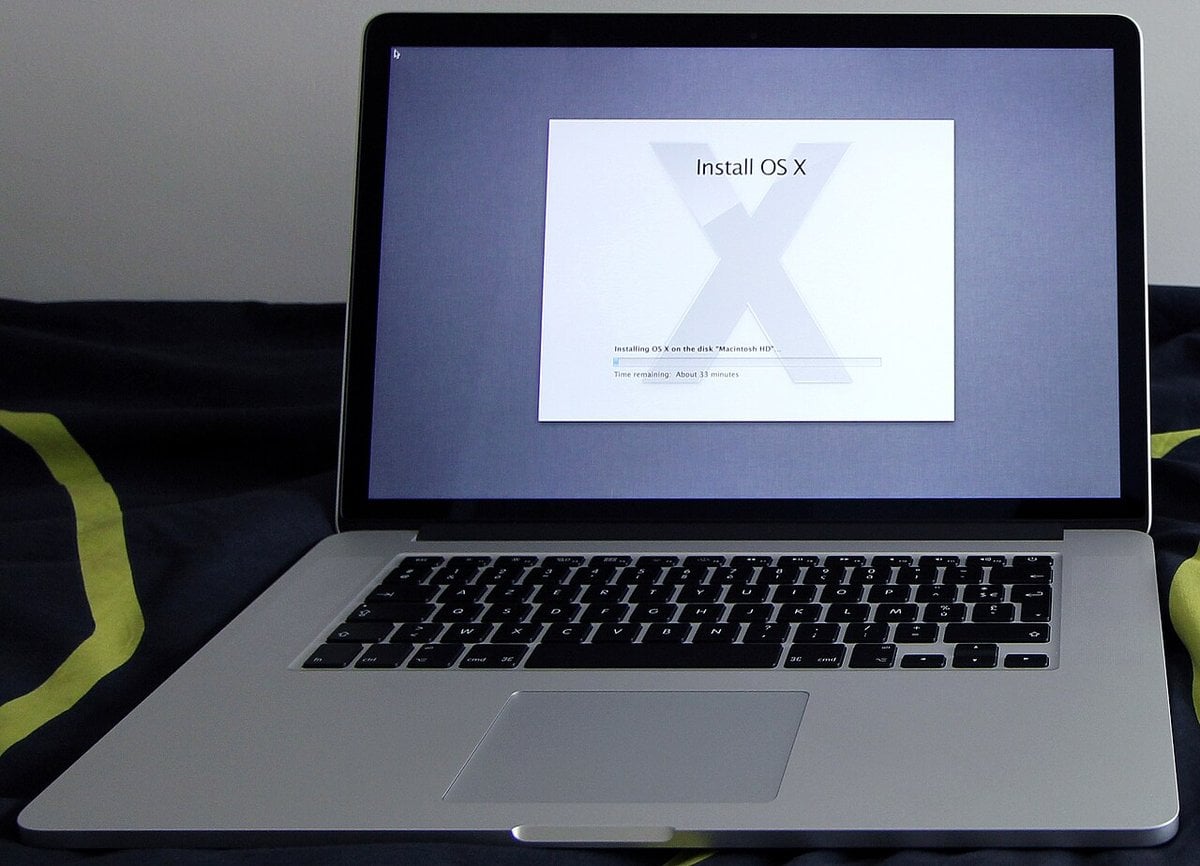
This 2019 battery recall came with a twist that frequent flyers noticed. The FAA confirmed that affected 15-inch MacBook Pros were banned from flights until Apple replaced the battery.
For anyone who travelled with one, the battery swap was not optional. An affected laptop had to stay off the plane until the new battery was fitted.
Why it mattered: It proved that a battery recall can follow you all the way to the airport gate.
12. Samsung Top-Load Washing Machines
Phones were not Samsung's only headache in 2016. That year, Samsung and the CPSC announced a recall of about 2.8 million top-loading washing machines.
That is a lot of laundry rooms. Coming in the same year as the Galaxy Note 7, it made 2016 a very bad year for the brand.
Why it mattered: It showed that a recall can reach the biggest appliance in the house, not just the smallest gadget.
13. Anker PowerCore 10000 Power Banks
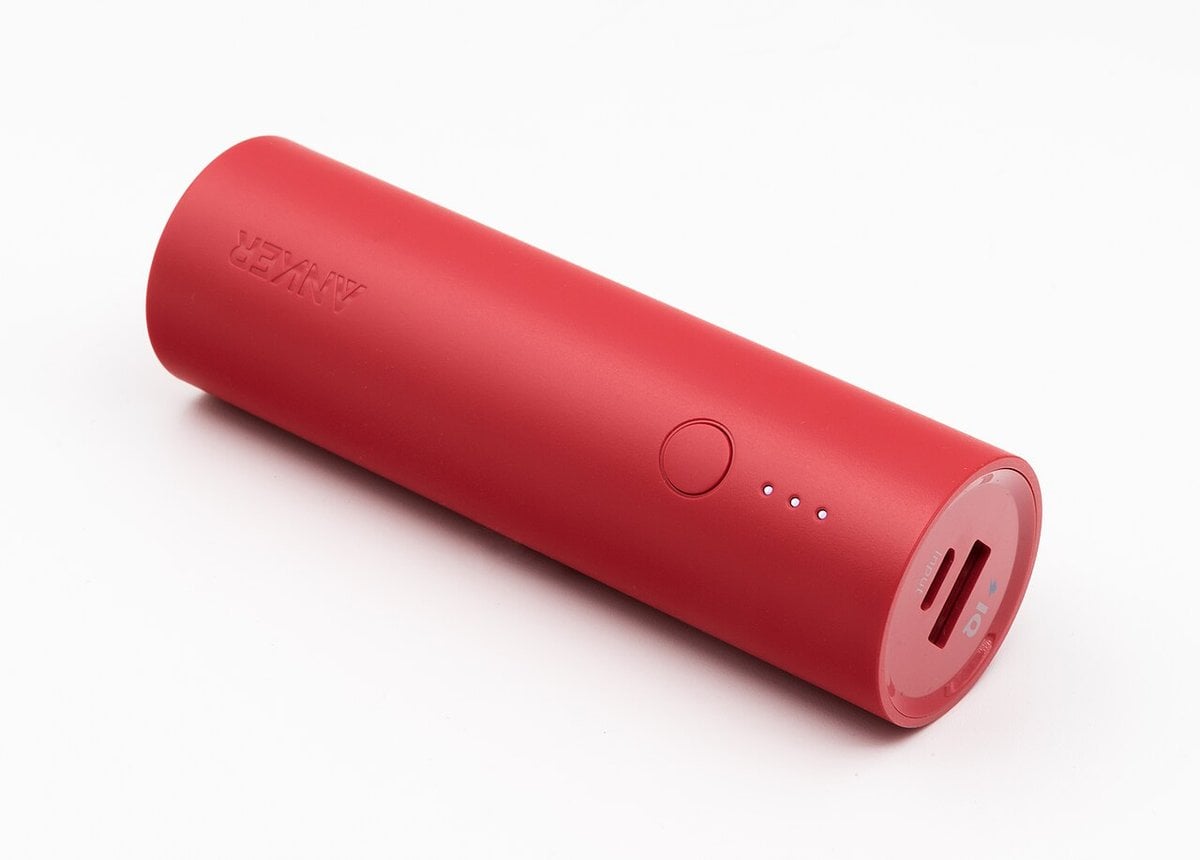
If you're an Android owner, there's a fair chance an Anker charger is in your bag right now. Anker recalled more than 1.1 million PowerCore 10000 portable chargers in the US after reports of fires and explosions.
The CPSC said the lithium-ion battery inside could overheat, and Anker received 19 reports of fires and explosions. The model to look for is the PowerCore 10000, model number A1263.
These were everyday buys. They were sold on Anker's website, Amazon, eBay and Newegg between June 2016 and December 2022 for about $27.
Why it mattered: It proved that a cheap, trusted accessory sold for more than six years can carry the same battery risks as a flagship phone.
14. Ring Video Doorbell (2nd Generation)
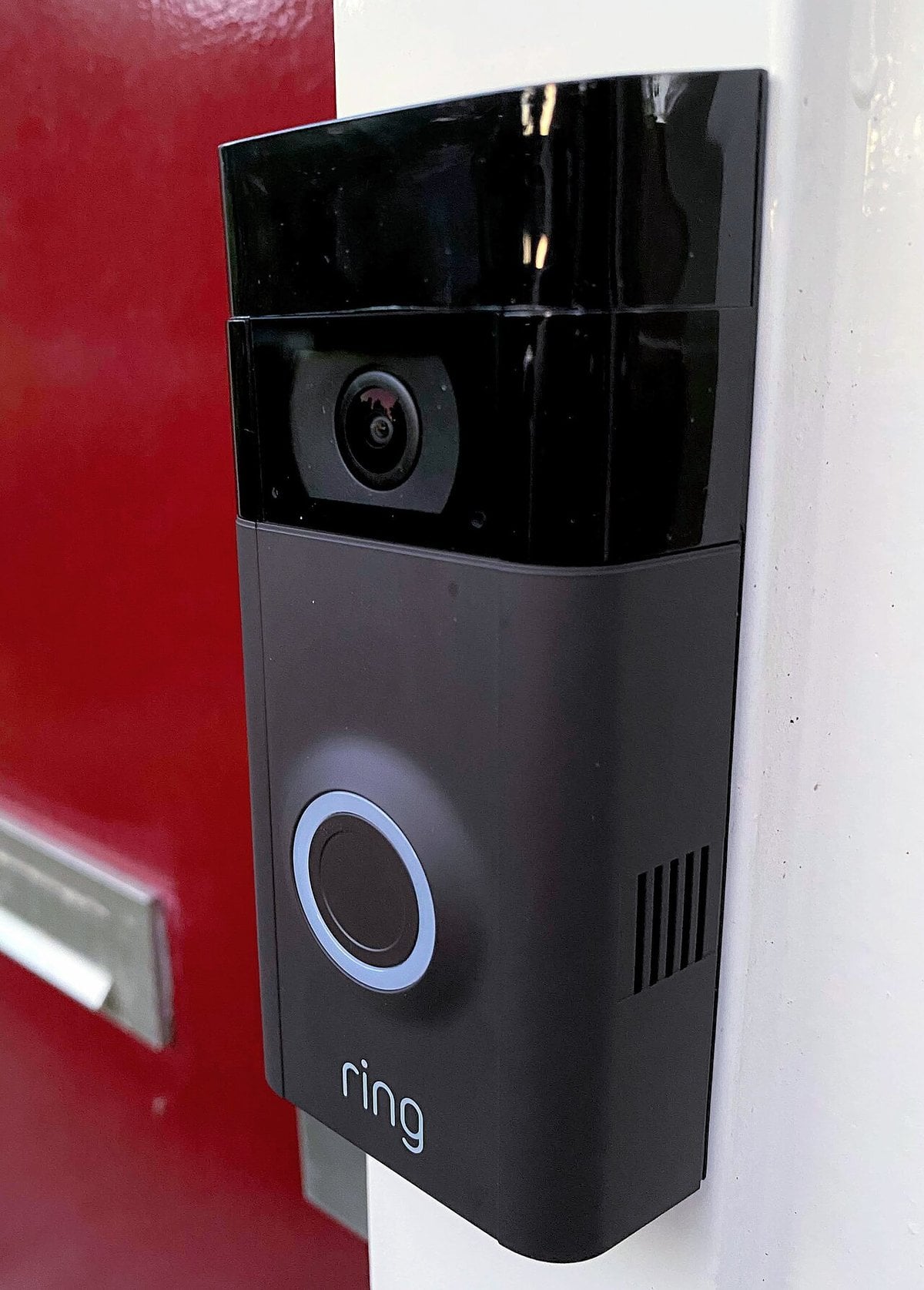
Smart doorbells are meant to make your home safer. Yet the CPSC announced a recall of about 350,000 Ring Video Doorbell (2nd Generation) units sold in the US, plus about 8,700 more in Canada.
The problem was the screws. The CPSC said the battery can overheat when incorrect screws are used for installation, and Ring received 85 reports of wrong screws being fitted, with 23 of those doorbells igniting.
The recall covers model number 5UM5E5 with certain serial numbers. Owners were told to stop installing the doorbells and contact Ring for revised installation instructions.
Why it mattered: It showed that a single wrong screw can turn a security gadget into a fire hazard on your front door.
15. HP Laptop Batteries
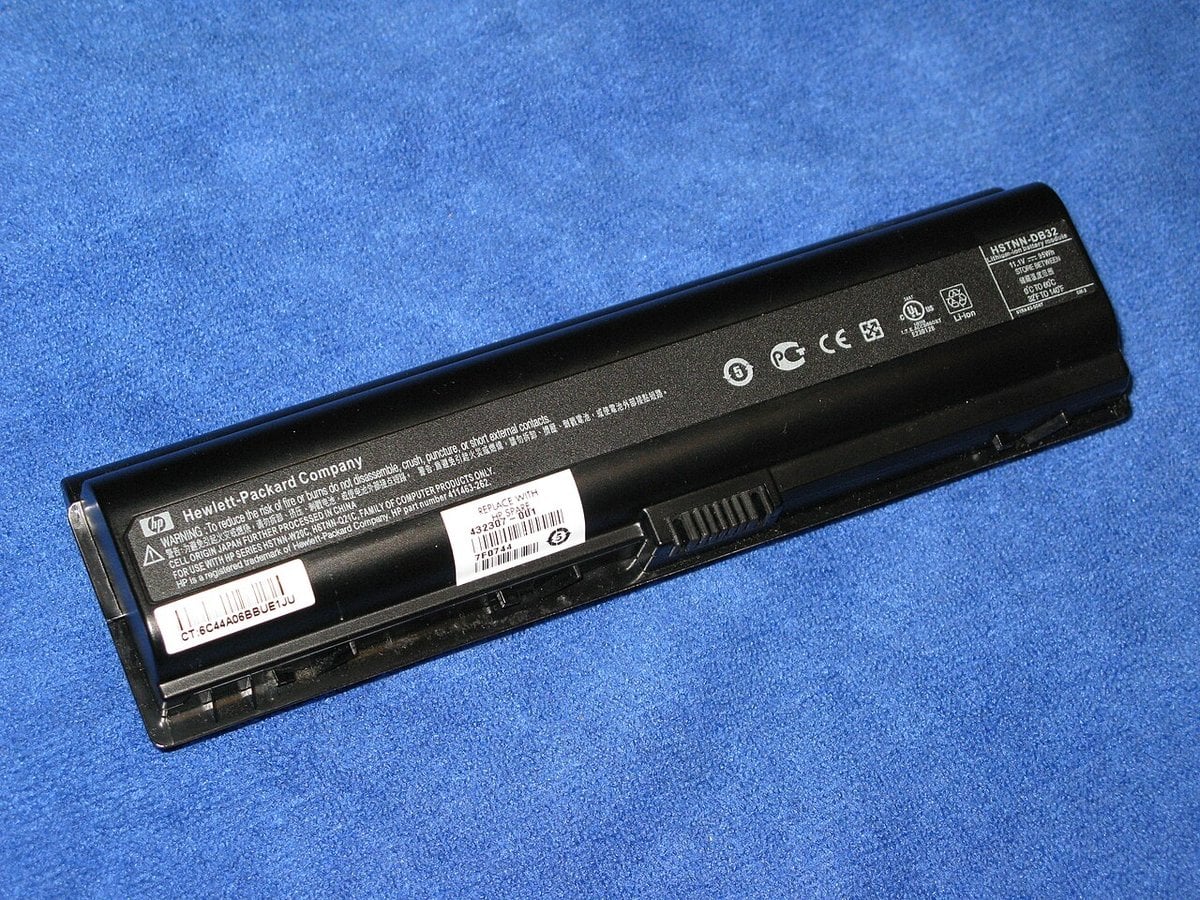
HP's battery trouble came in more than one wave. Its recall was eventually expanded to 128,500 laptop batteries because the lithium-ion cells could overheat and catch fire.
The original 50,000-battery recall was reportedly posted by the CPSC in January 2018, and the expansion added 78,500 more. HP reported eight new incidents of battery packs overheating, melting or charring, including one minor injury and two cases of property damage totalling $1,100.
To help owners check, HP set up a website with a downloadable battery validation tool.
Why it mattered: It showed that a recall can quietly grow long after the first notice goes out.
16. Fitbit Force Wristband
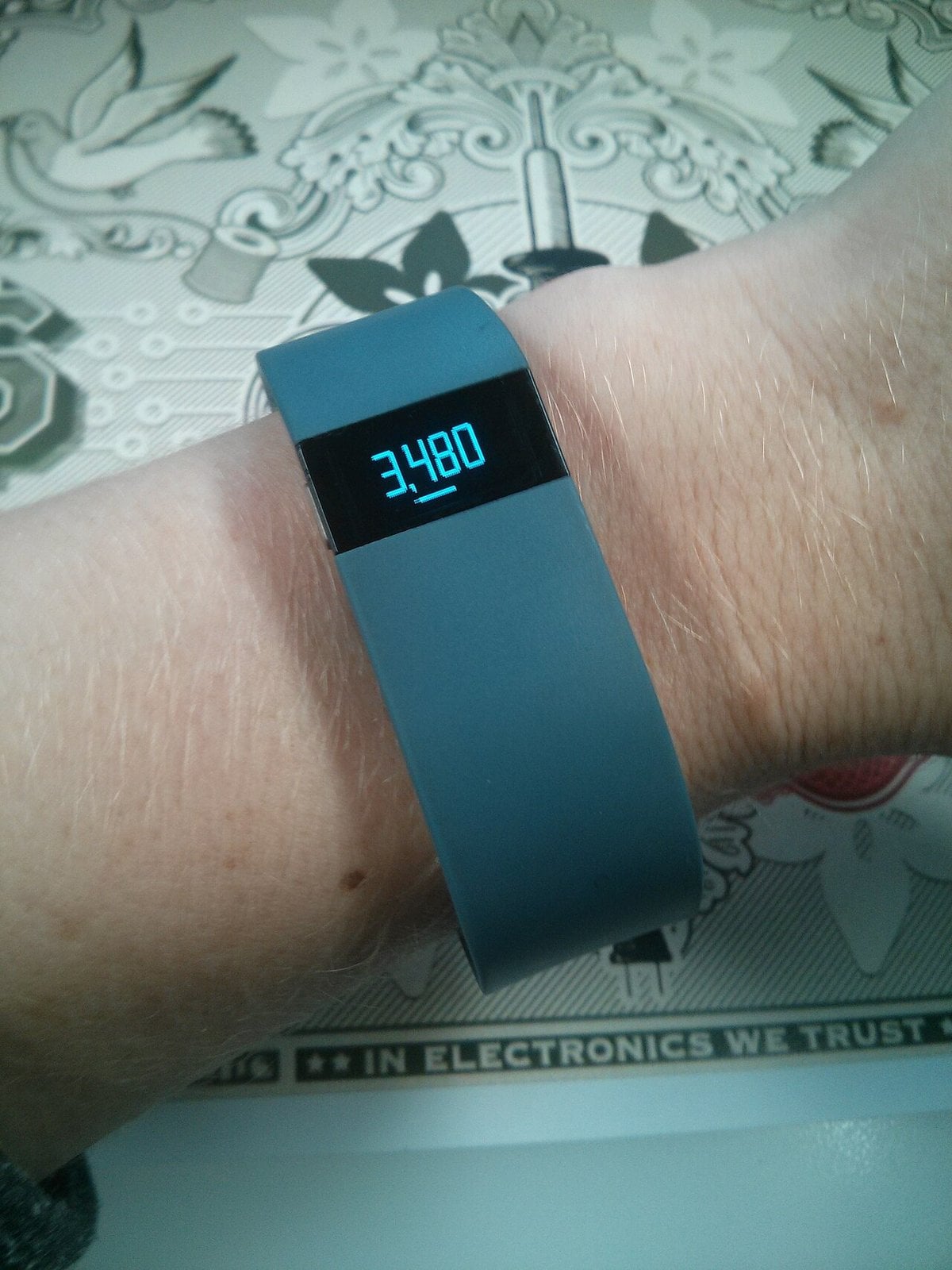
A fitness tracker is supposed to be good for you. The Fitbit Force, described as the most popular fitness tracker on the market at the time, was recalled over thousands of complaints of itchy rashes and burns on users' wrists.
The Force sold for $129. Fitbit had issued a voluntary recall in February 2014, before the CPSC's formal announcement in March.
The Force was never reissued. Fitbit is now part of Google.
Why it mattered: It proved that even a gadget sold for your health can end up hurting the people wearing it.
17. Nintendo Wii Remote Wrist Straps
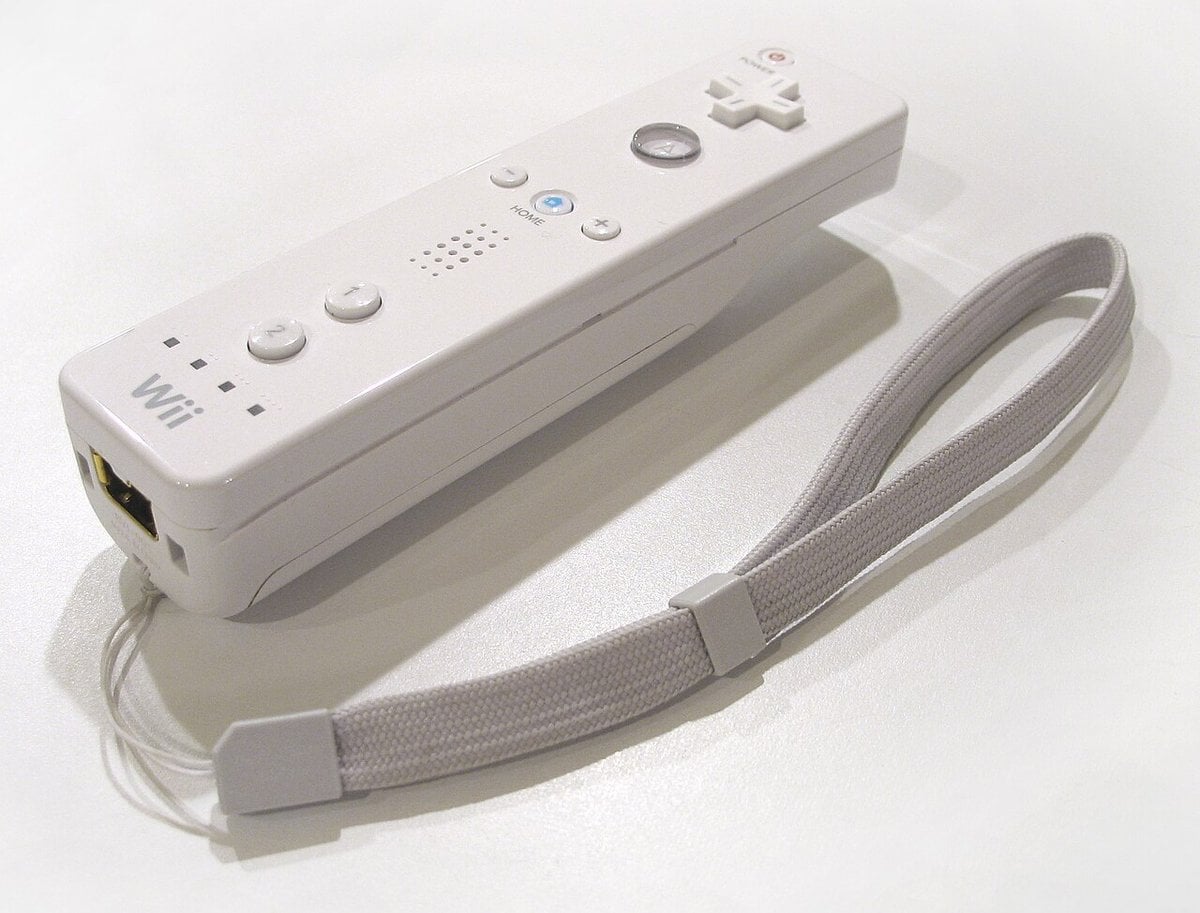
The Wii got whole families waving their arms in the living room. Sometimes they waved a little too hard.
Nintendo said it would replace 3.2 million wrist straps for its Wii controllers after reports that the controllers flew out of players' hands.
Not every recall involves fire. This one was about a simple strap that had to hold on during an enthusiastic game of virtual tennis.
Why it mattered: It showed that even a basic accessory can need a recall when millions of people use it with real energy.
18. Apple PowerBook 5300
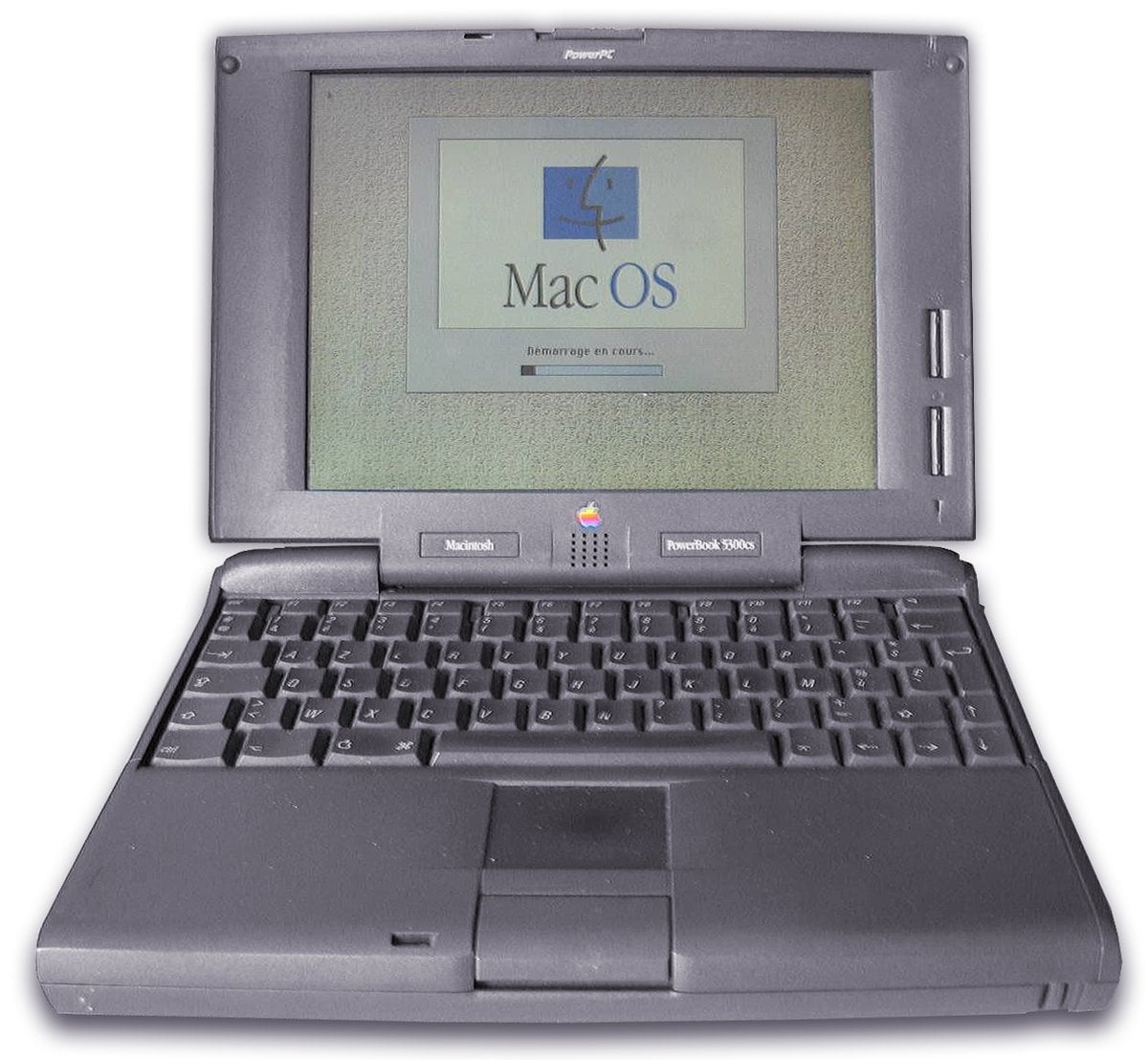
Long before Dell's troubles, Apple had its own battery scare. The PowerBook 5300 launched in 1995 with a Sony-supplied lithium-ion battery, a new technology for Apple laptops at the time.
A few of those batteries caught fire, reportedly not while in consumers' hands. Apple recalled the batteries and replaced them with less efficient nickel-metal-hydride packs.
The 5300 series lasted about a year before Apple ended it. Six Colors calls it one of Apple's greatest product failures.
Why it mattered: It was an early warning about lithium-ion laptop batteries, more than a decade before the big Sony and Dell recalls.
19. Apple Watch Series 2 and Series 3 Screens
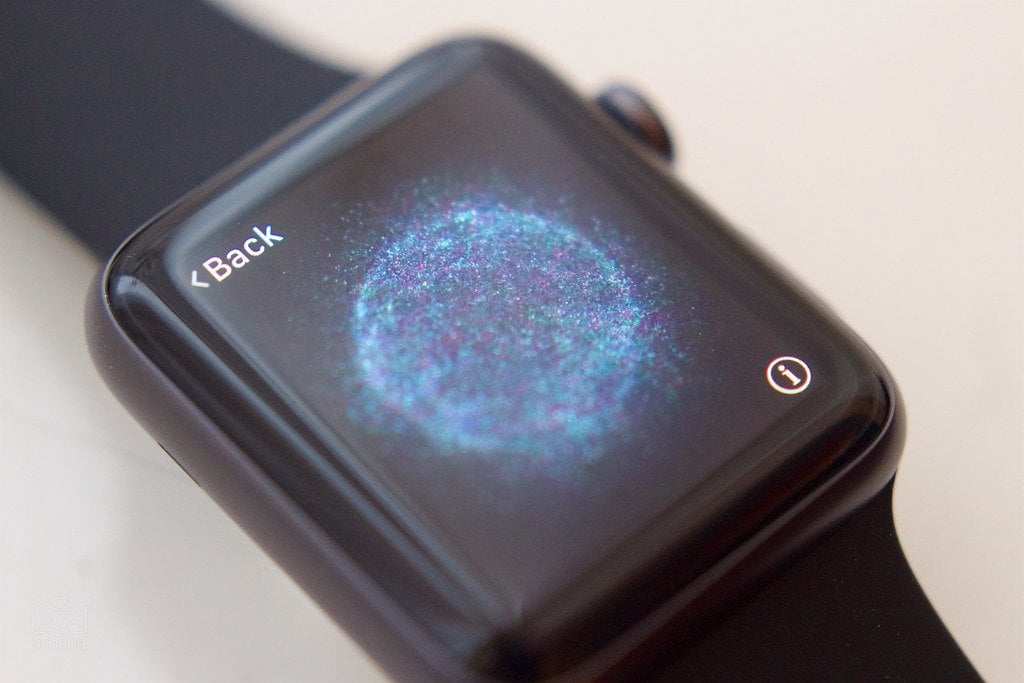
This one was a repair program rather than a safety recall. Apple launched a screen replacement program for aluminum Apple Watch Series 2 and Series 3 models to deal with a crack that forms on one side of the screen and spreads around it.
Apple said that, under very rare circumstances, a crack may form along the rounded edge, and it would replace affected screens free of charge. The repair could not be done in store and took about 5 business days.
Apple never gave the number of affected units, so the true scale is unknown. Coverage ran for three years after first sale, or one year from the program's start, so it has long since expired.
Why it mattered: It showed that problems with a hugely popular wearable can be fixed quietly, without anyone learning how many were hit.
20. Philips Hue Outdoor Power Supplies
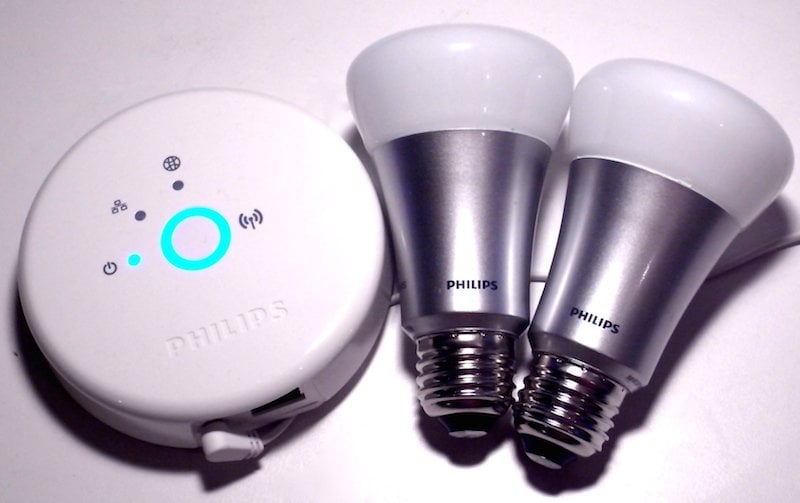
Smart lights in the garden can be a real treat. Signify, which owns Philips Hue, recalled certain 40-watt outdoor power supplies because water could get in and create a potential shock hazard. The bulbs themselves were not affected.
Six outdoor products were involved: the Lily and Lily XL spotlights, and the Calla, Calla Large, Econic and Impress pedestal lights, sold between 2018 and 2020. Health Canada posted the recall notice on 7 December 2020.
Signify said it had found only “very rare cases” of defective units and called the replacement program voluntary. According to Gearbrain, affected date codes end in year 19 with week 41 or earlier, and as of November 2026 it is worth checking with Signify whether the program is still open.
Why it mattered: It reminded smart-home fans that the plain power box outside can matter as much as the clever bulb.
The 20 at a glance
| Recall | Scale | The problem |
|---|---|---|
| Samsung Galaxy Note 7 | About 1 million phones in the US | Batteries catching fire |
| Hoverboards | More than 500,000 units | Fire hazard from batteries |
| Philips CPAP Machines | An estimated 15 million worldwide | Sleep machine safety recall |
| Dell Laptop Batteries | 4.1 million batteries | Overheating and fire risk |
| Sony Laptop Batteries | Nearly 10 million batteries | Faulty cells across many brands |
| Takata Airbag Inflators | Started with 3,940 vehicles | Inflators rupturing |
| Ford Pinto | 1.5 million cars | Fuel leaks and fire in rear crashes |
| Keurig Mini Plus | An estimated 6.6 million in the US | Spraying scalding water |
| Cuisinart Food Processors | More than 8 million in the US | Blades breaking into food |
| Samsung Galaxy Fold | Launch delayed, review units returned | Review units failing |
| Apple MacBook Pro 15-inch | Affected 15-inch models | Batteries, banned from flights |
| Samsung Top-Load Washers | About 2.8 million machines | Washing machine safety recall |
| Anker PowerCore 10000 | More than 1.1 million | Fires and explosions |
| Ring Video Doorbell (2nd Gen) | About 350,000 in the US | Wrong screws, overheating battery |
| HP Laptop Batteries | 128,500 batteries | Overheating and fire risk |
| Fitbit Force | Thousands of complaints | Rashes and burns on wrists |
| Nintendo Wii Wrist Straps | 3.2 million straps | Controllers flying out of hands |
| Apple PowerBook 5300 | Batteries recalled | Lithium-ion batteries catching fire |
| Apple Watch Series 2 and 3 | Number not disclosed | Cracking screens |
| Philips Hue Outdoor Power Supplies | Six outdoor products | Water entry, shock hazard |
Did You Know?
HP announced its expanded battery recall in January 2019, but the US government shutdown stopped the CPSC from posting it, so the recall went largely unnoticed until March 2019. For about two months, many owners had no idea their laptop battery was on the list.
The Bottom Line
Batteries are the thread running through most of this list, from the Galaxy Note 7 and hoverboards to Dell, Sony, HP and Anker. But kitchen gadgets, doorbells, washing machines and even fitness trackers show that almost anything in your home can end up recalled.
If you own anything on this list, it takes a minute to check the model number or date code against the maker's recall page. It's a small job that could save you from a very big problem.