
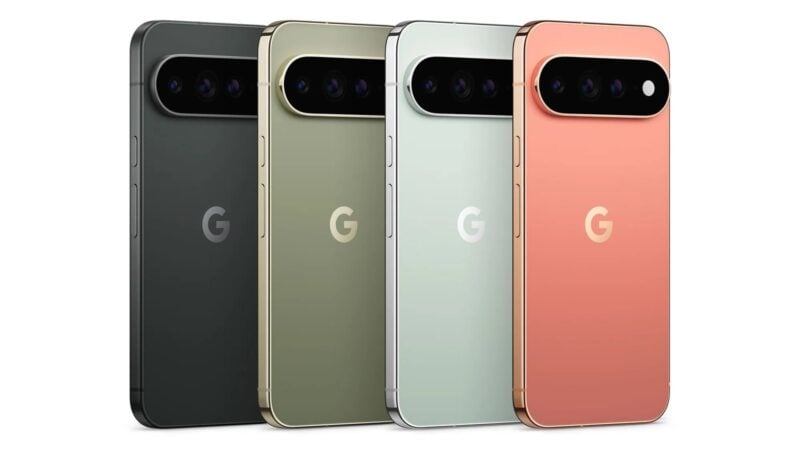
Google has confirmed that Android's built-in App Lock won't reach phones on older Android versions through a Google Play system update. To get Google's version of the feature, your phone will need a full Android OS update. That narrows the list of devices that will get it when it launches next year.
The answer came from Google's Mishaal Rahman in a Reddit thread, as spotted by Android Authority. A user had asked whether App Lock could reach earlier Android releases through Google Play system updates. Rahman's answer was short:
“Because app lock utilizes new APIs in the core Android platform, the current implementation can't be backported to previous Android versions via Google Play system updates.”
In the same thread, Rahman said Google's product team plans to release App Lock with Android 17 QPR3 in the first quarter of 2027.
Why a Play System Update Can't Deliver It
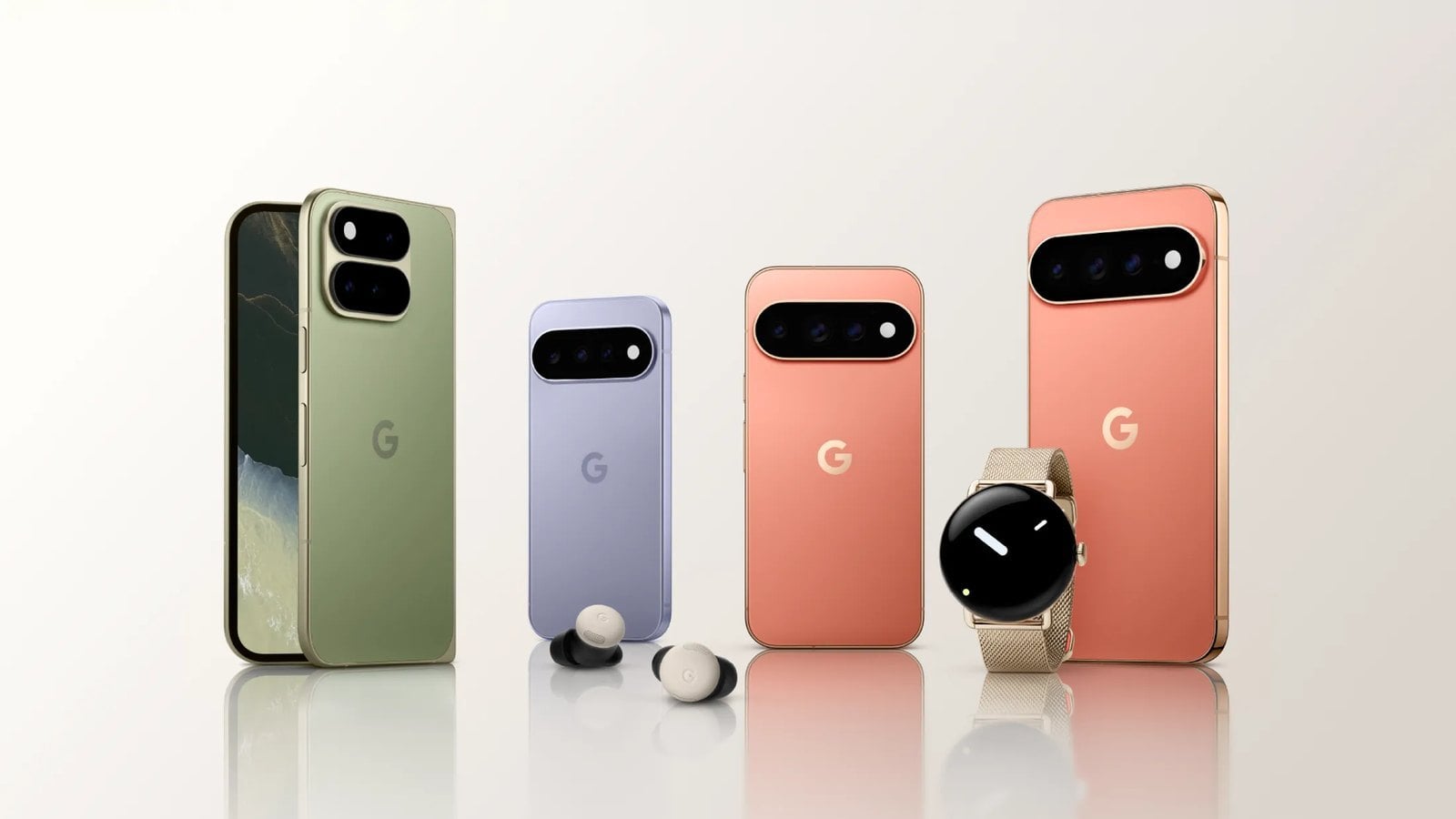
Google Play system updates let Google refresh some parts of Android without waiting for phone makers to ship a full firmware update. Google has used them more and more to get features and fixes onto older phones. But they only cover certain modules of the operating system, not the whole platform.
App Lock goes deeper than that. It needs new APIs in the core of Android, so the code has to arrive as part of an OS release. You can't install it on top of an older version later. If your phone isn't due for the Android release that includes the feature, Google can't send it to you another way.
What Google's App Lock Does
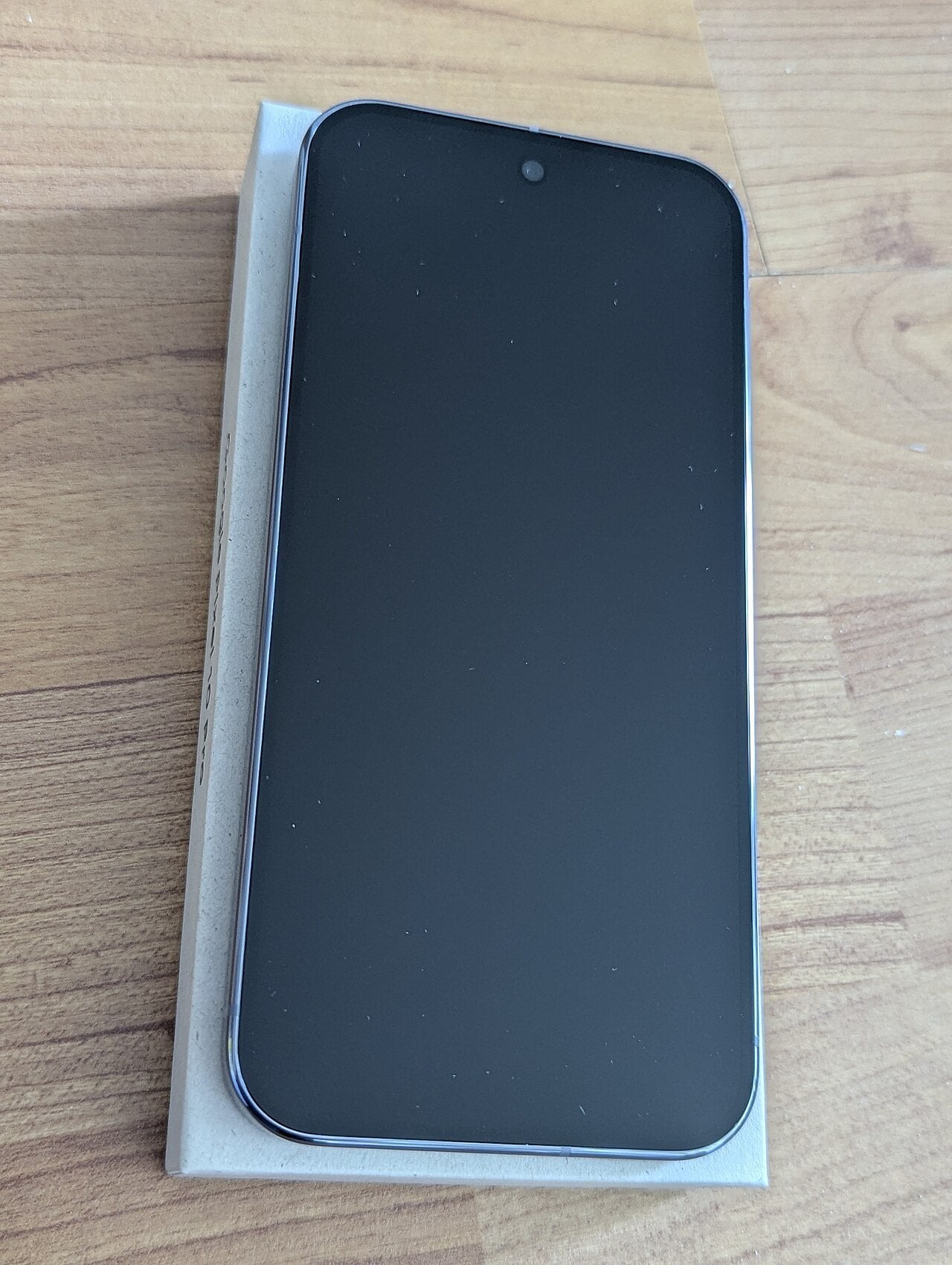
App Lock came back in Android 17 QPR3 Beta 3 for Pixel testers in late October. Rahman said at the time that a locked app can't be opened without your device credential (PIN, pattern or password) or a biometric. Google's version uses the same credential that unlocks your phone, not a separate app-lock PIN.
Locking an app also changes how it shows up across the system. That's a big reason the feature can't work as an add-on:
- It hides notification content from locked apps
- It removes the app's home screen widgets and shortcuts
- It blurs the app's preview in the Recents menu
- It hides direct share targets from locked apps
Third-party app lockers on the Play Store have offered a basic version of this for years. They can't reach notifications, Recents and the share sheet the way a system feature can.
Samsung Got There First With One UI 9.5
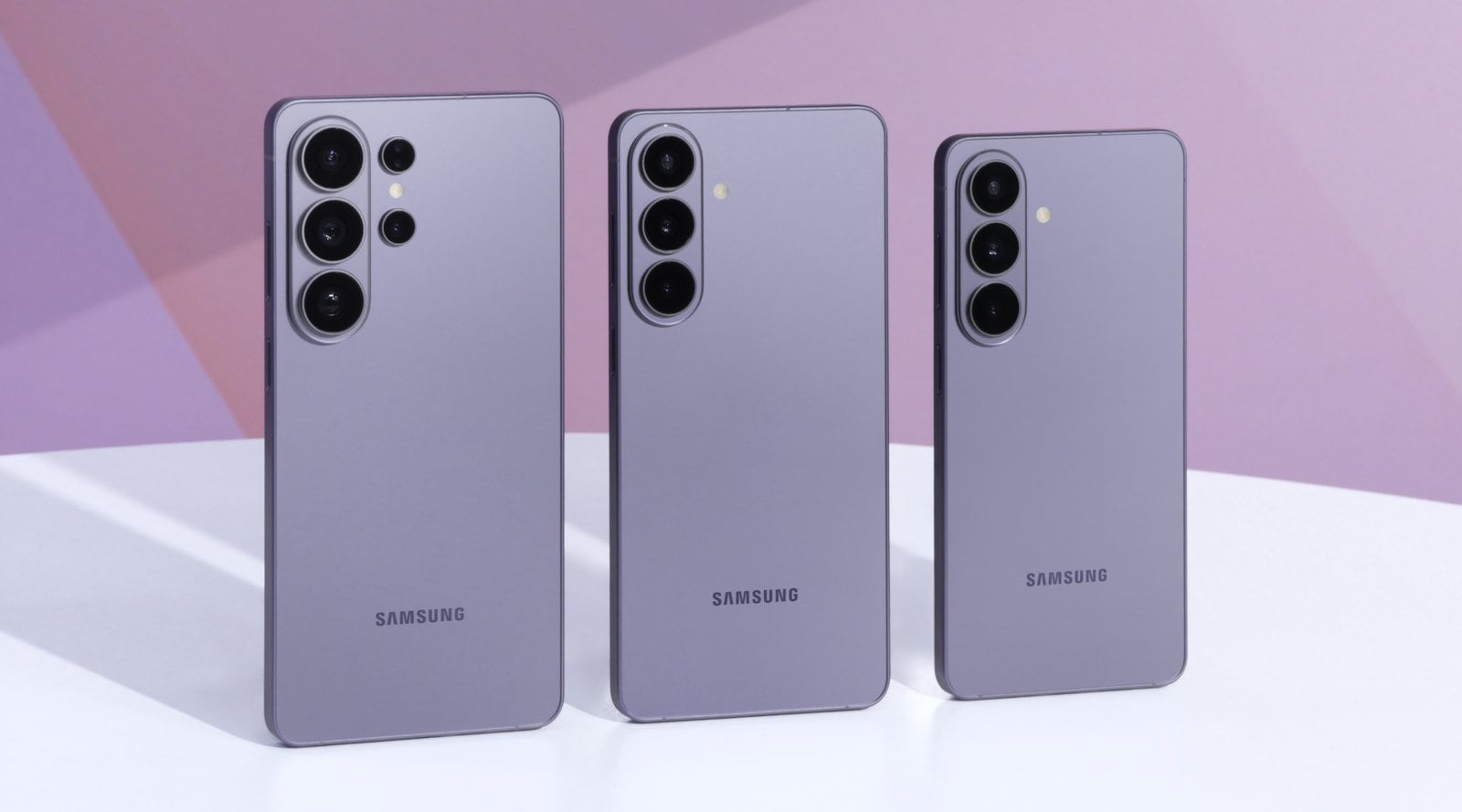
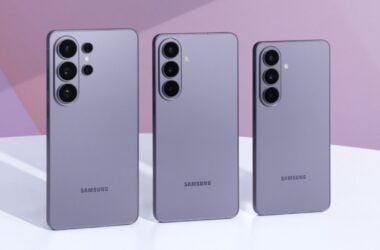
Google isn't the only one adding the feature. Samsung announced its One UI 9.5 beta program on November 18 and listed App Lock as one of its main privacy additions. Samsung's version locks individual apps with biometric authentication or your screen lock, and it hides a locked app's notification content and widgets.
The One UI 9.5 beta is open to Galaxy S26 series owners in select markets, including the US, UK, Germany, India, Korea and Poland. Users can sign up through the Samsung Members app. Samsung hasn't said when the stable One UI 9.5 release will arrive or which older Galaxy models will get it.
What This Means for Older Phones
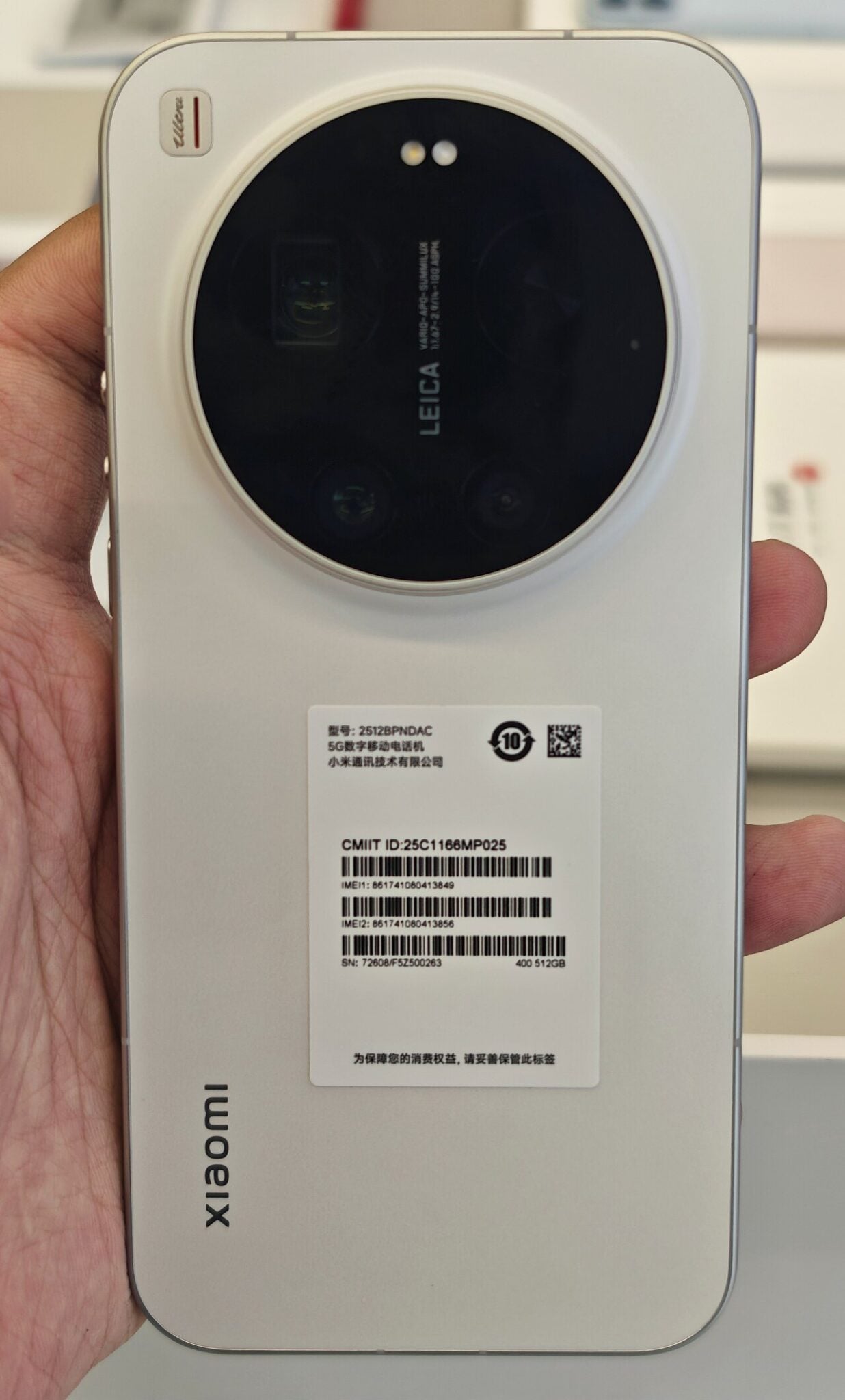
This doesn't mean older phones will never get an app lock. It only means Google won't supply one. Phone makers can build their own versions into their software, and some, Xiaomi among them, have offered app locking for years.
Still, if you hoped Google would quietly add App Lock to your current phone through a Play system update, you'll need a phone that gets the Android release that includes it. For Pixel owners, that means Android 17 QPR3.
As of November 20, 2026, App Lock is still in beta on both Pixel and Galaxy phones. Google is targeting a stable release with Android 17 QPR3 in the first quarter of 2027. Pixel owners who want it sooner can enroll in the Android 17 QPR3 beta, and Galaxy S26 owners can join the One UI 9.5 beta now.