



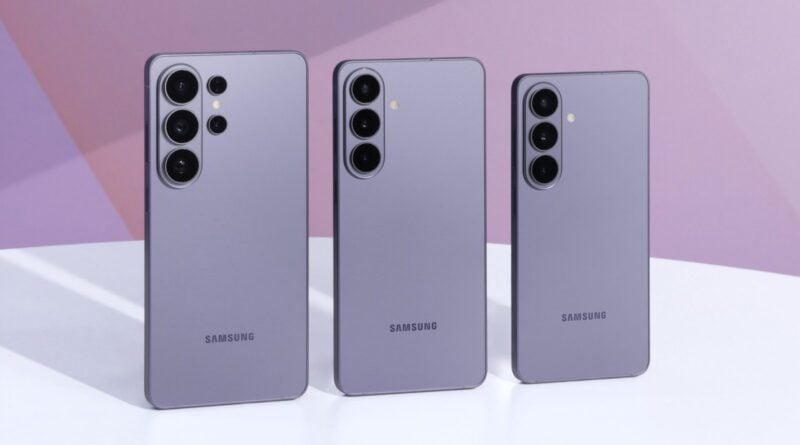
A benchmark listing for Samsung's unannounced Galaxy S27 Pro suggests the phone may use the company's own Exynos 2700 processor, at least outside the US. Earlier reports had pointed to a Qualcomm chip for the new model. The Geekbench entry was shared on X on November 20, 2026, by tipster Abhishek Yadav, who called it the Indian and European variant of the phone. It also shows 12GB of RAM and Android 17.
Samsung hasn't confirmed the Galaxy S27 Pro, its specs or which chip goes to which market. Treat everything below as a leak until the company announces the phone.
What the Geekbench listing shows
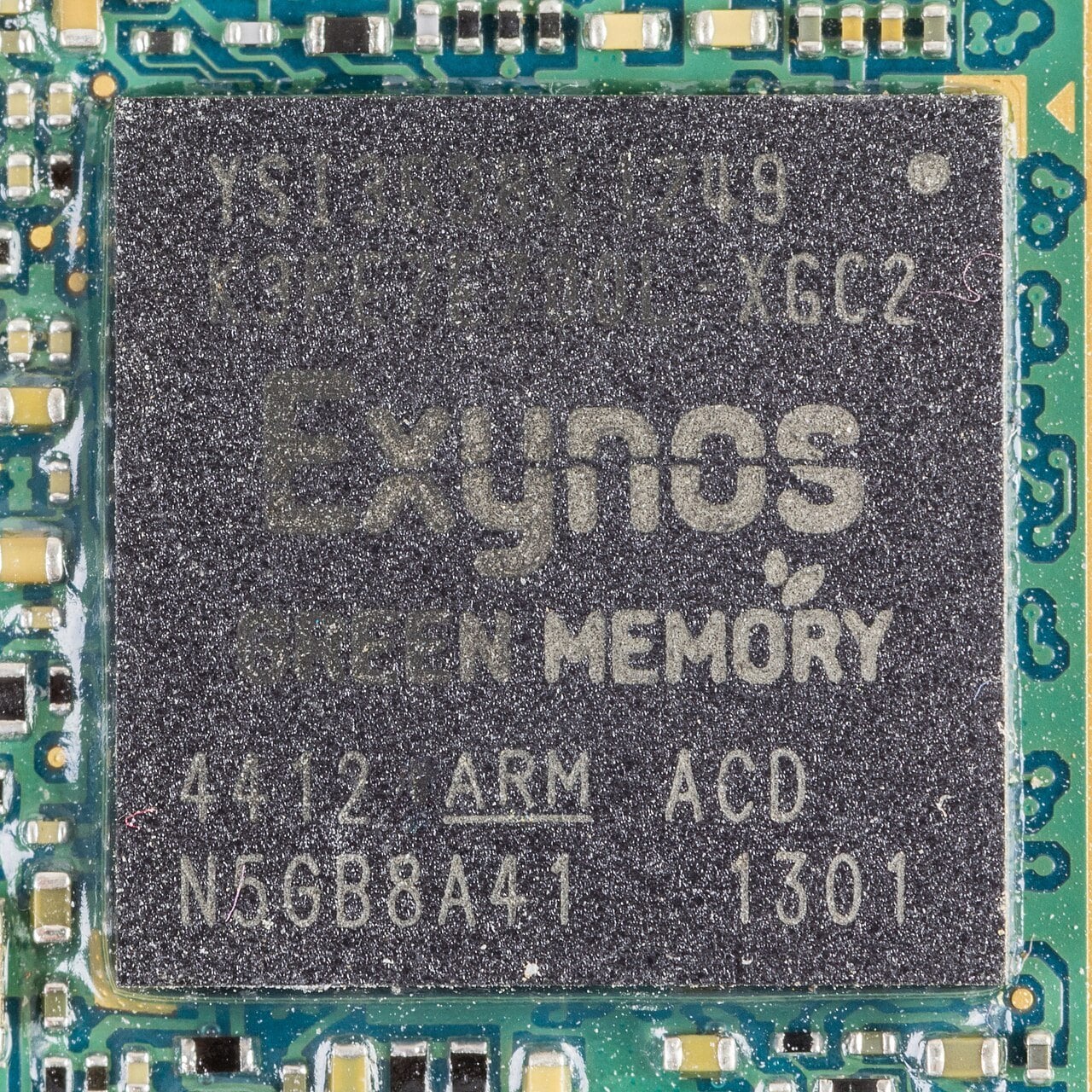
The test device has the model number SM-S957B. A “B” suffix usually marks Samsung's global or international models, which include phones sold in India and Europe. The model number alone doesn't prove which regions this unit is meant for, though. Here's what the listing reports:
- Chip: Samsung s5e9975, the internal codename for the Exynos 2700
- CPU: 10 cores with a peak clock of 4.24GHz
- GPU: Xclipse 970
- RAM: 12GB
- Software: Android 17
- Scores: 3,061 single-core and 10,967 multi-core
The 10-core layout matches an earlier die-shot analysis of the Exynos 2700 from SemiAnalysis. It described two C2 Ultra cores clocked at 4.24GHz and 3.36GHz, plus eight C2 Pro cores: four at 3.74GHz and four at 2.88GHz. The GPU was the same Xclipse 970.
The new listing's 4.24GHz peak fits that layout, which makes it more believable. It doesn't independently confirm it, though. The clocks have also gone up since April, when a Geekbench entry for the same chip showed a top speed of only 2.88GHz. That points to Samsung still tuning the silicon.
Exynos or Snapdragon?
The Exynos result is surprising because of what earlier leaks said. Reports from around June placed the Exynos 2700 in the standard Galaxy S27 and S27 Plus. They also tied the rumored Privacy Display feature to the Snapdragon 8 Elite Gen 6, which suggested the Pro would run on Qualcomm silicon everywhere.
The most likely explanation is a regional split, which Samsung has used on Galaxy S phones for years: Snapdragon in some markets and Exynos in others. Other reports had already suggested this setup for the S27 series. Still, one benchmark run from one source doesn't settle how the chips will be divided by region. US buyers have typically gotten Snapdragon versions of Samsung's flagships, but nothing about the S27 Pro's US version has been reported yet.
What else we know about the Galaxy S27 Pro
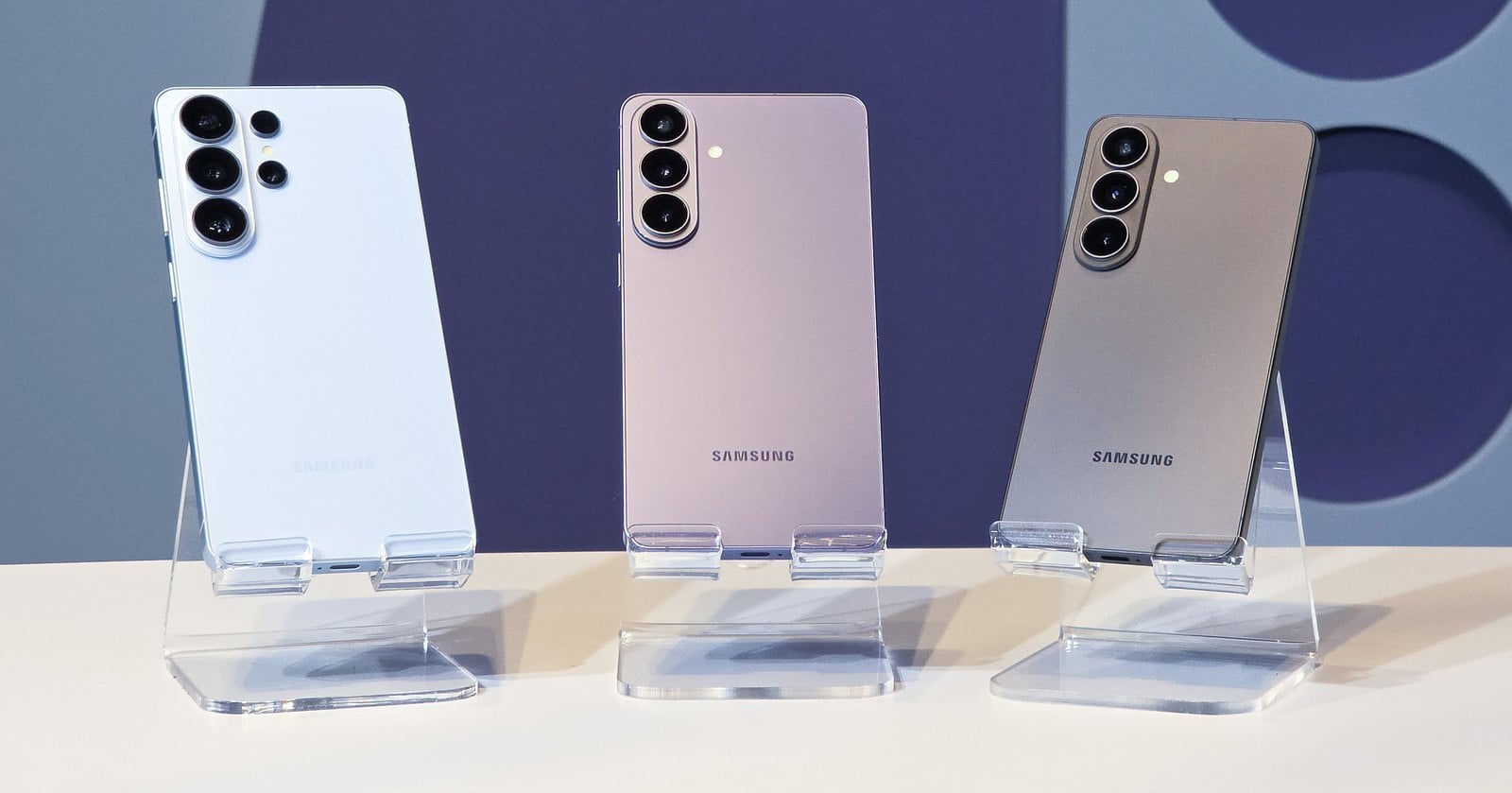
The Galaxy S27 lineup is expected to grow to four phones, with the Pro added to the S27, S27 Plus and S27 Ultra. The Pro is said to sit between the Plus and the Ultra. It would bring much of the Ultra's hardware and design to a smaller body without an S Pen. The phone first appeared in the GSMA database in June as SM-S957B/DS, which points to a global dual-SIM model.
Here's what leaks and certification filings have pointed to so far:
- Display: a 6.47-inch M16 OLED panel with Privacy Display
- Design: a raised camera plateau similar to the one expected on the S27 Ultra, according to leaked CAD models
- Cameras: a 200MP main sensor, a 50MP ultrawide and a 16MP front camera. Reports disagree on the telephoto: newer ones cite a 12MP 3x lens, while older ones pointed to a 50MP lens with roughly 3.5x zoom
- Battery: 5,087mAh rated and 5,240mAh typical capacity, according to TÜV filings
- Charging: 60W wired, according to China's 3C certification. Wireless and reverse wireless charging are expected across the series
The battery and charging details come from certification listings, not the new Geekbench entry. The camera setup is still rumor, and early S27 Pro and Ultra dummy units have shown conflicting rear camera layouts.
When to expect it
Rumors point to a Galaxy S27 launch in the first quarter of 2027, and some reports specifically say January. As of November 20, 2026, Samsung hasn't announced a date or pricing for any Galaxy S27 model.
The next thing to watch is whether more Galaxy S27 Pro benchmark entries show the Exynos 2700 or a Snapdragon 8 Elite Gen 6. More listings from US and Korean models should make the regional chip split clearer as launch gets closer.