

You've probably done it before. Opened someone's Instagram profile, tapped Following, and scrolled through a ridiculous number of accounts trying to work out who they followed recently. Perhaps you spotted a familiar username near the top and assumed it was a new follow.
Unfortunately, Instagram doesn't make things that simple. The Following list isn't a dependable timeline, and there's no date beside each account. An Instagram follower tracker can help by recording changes to public accounts, rather than leaving you to figure them out yourself.
But before you pay for another social media tool, it's worth understanding what Instagram actually shows, what third-party services can access, and where the limitations are.
Why Instagram's Following list is so frustrating
Instagram knows when you follow someone. It has to. But that doesn't mean it shares that information with everyone looking at your profile.
When you open someone's Following list, you'll see the accounts they follow. What you won't get is a reliable chronological record of when each follow happened.
That distinction matters because people often mistake the order of the list for recent activity.
If a creator appears near the top, it doesn't automatically mean the account owner followed them yesterday. Instagram doesn't promise that the list is sorted by date.
And while you might remember Instagram having a feature that showed other people's activity, you're not imagining things.
The platform once had a Following Activity tab. Instagram removed it in 2019, taking away an easy way to browse certain interactions from accounts you followed.
Since then, anyone wanting to monitor changes has had to find another approach.
Can you check recent follows on Android without another app?
You can try, although the process is hardly convenient.
Open Instagram on your Android phone, visit a public profile, and tap Following. You'll see the current list of accounts.
If you're checking a small profile, you could take screenshots and compare them a few days later.
That might work when someone follows 40 accounts.
Try doing the same thing with a profile following 2,500 people, though, and you'll quickly understand why nobody wants to spend their evening comparing screenshots.
There's another problem. The total number of followed accounts doesn't tell you exactly what changed.
Say an account follows 600 people on Monday and 605 on Friday. It could have followed five new accounts. It could also have followed 20 and unfollowed 15.
Both scenarios produce the same total.
Without recording individual changes, you're guessing.
How an Instagram follower tracker solves the problem
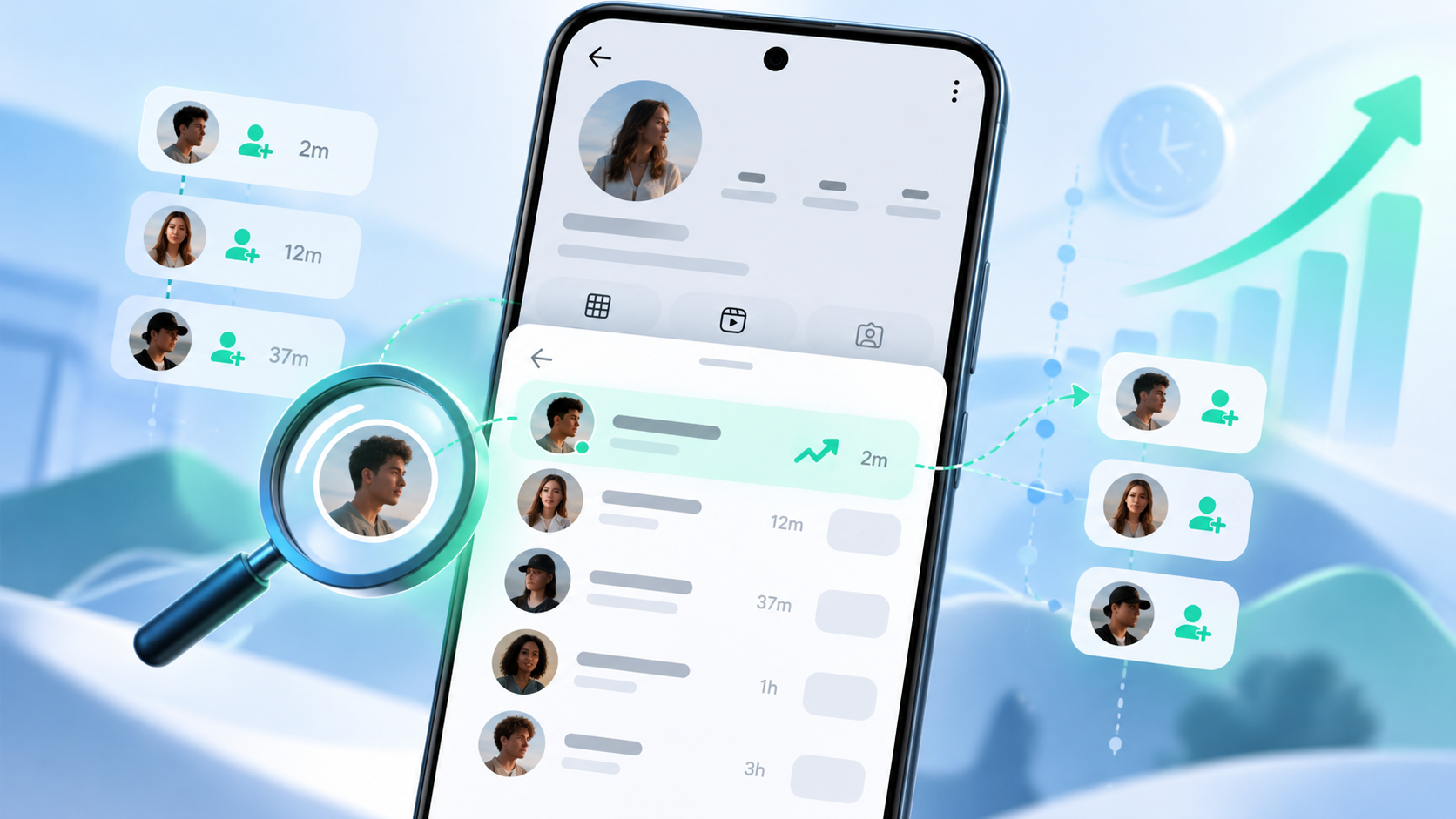
An Instagram follower tracker works by comparing information collected at different points in time.
Instead of relying on where an account appears in a list, the service records which profiles were followed during a reporting period and which disappeared.
It's a fairly straightforward idea, but it saves considerable manual work.
For someone researching several Instagram accounts, being able to open a report is much easier than checking every Following list individually.
The important detail is when tracking begins. Most services can't magically reconstruct everything an account has done since joining Instagram.
They work with information they've collected or historical data they can legitimately access.
That brings us to Snoopreport.
What Snoopreport does differently
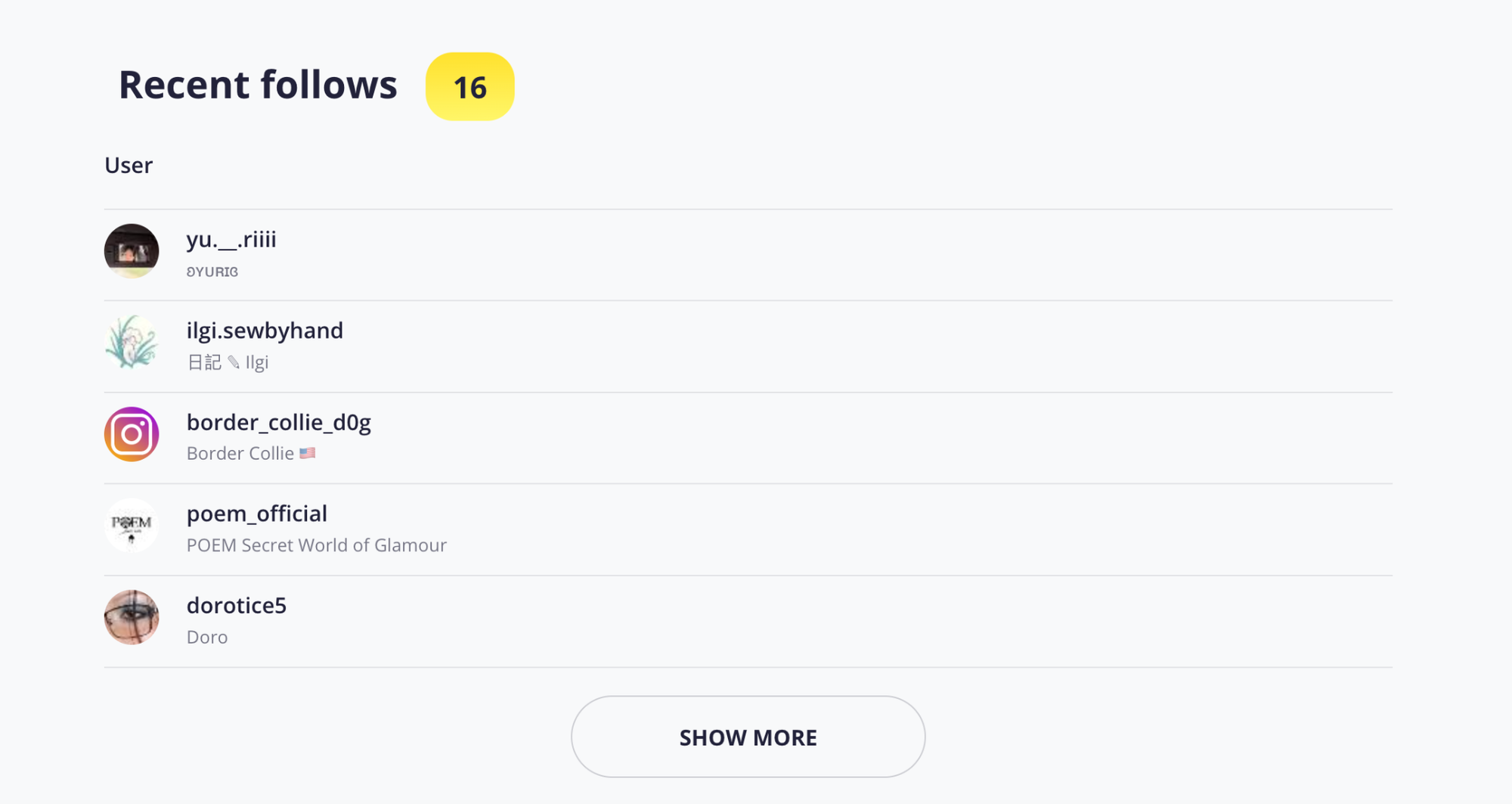
Snoopreport is a browser-based service for monitoring publicly observable Instagram activity.
You don't need to install a separate Android app or connect your Instagram account. Instead, you visit the website, enter a public username, and add it to your dashboard after signing up.
From there, Snoopreport saves snapshots of the account's following activity.
The service compares those records and generates weekly or monthly reports showing accounts that were followed or unfollowed.
One thing worth clearing up: despite the product's name, this feature doesn't show who recently followed the account you're tracking.
It shows who that account started following and who it stopped following.
What's included in the reports?
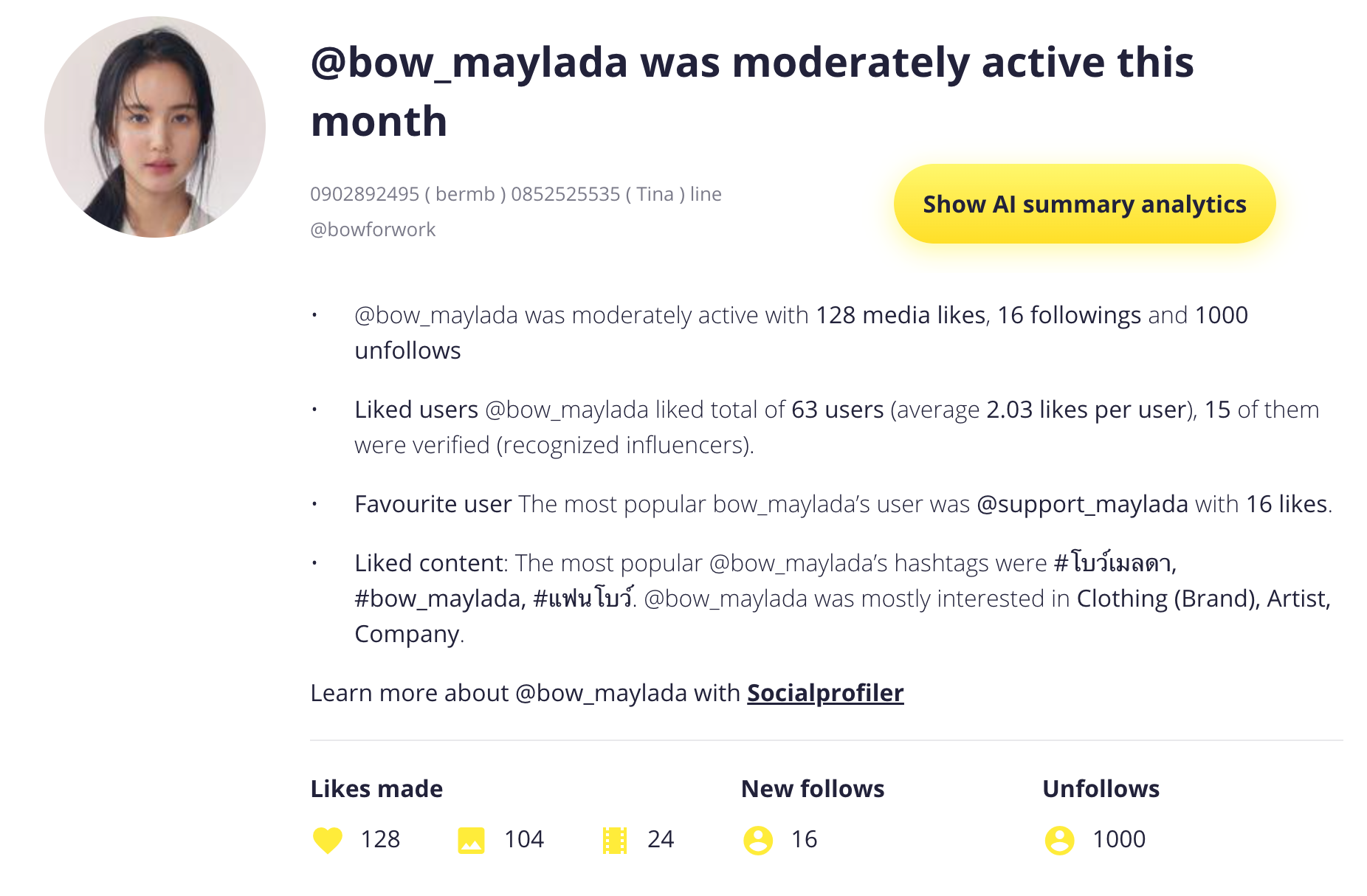
The reports contain more than a simple change in follower totals.
You can see individual accounts added or removed during a reporting period, along with activity totals collected since tracking began.
There's also an option to export the following records as CSV files.
That might sound like a minor feature, but it's useful if you're comparing several creators or researching potential business connections. You can sort the information in a spreadsheet instead of repeatedly opening Instagram.
Snoopreport offers plans for multiple accounts, with the Personal plan starting at $4.99 per month for two tracked profiles.
Earlier activity may be available through separate retrospective reports, currently advertised at $1.19 per account per week.
The service also offers optional AI-generated interest summaries based on observed likes and follows.
What are the catches?
There are a few, and they're worth knowing before subscribing.
First, Snoopreport only works with public Instagram accounts. It cannot open private profiles or access someone's direct messages.
Second, the company says reports capture up to 75% of an account's public actions. You're not getting a perfect record of everything that happened.
And finally, regular tracking starts when you add an account. Don't expect an instant, complete history stretching back several years.
Where following reports become useful
Finding smaller Android creators
Suppose you run a YouTube channel reviewing Android phones and accessories.
You've already contacted the obvious creators, but you'd like to find smaller reviewers who might be interested in collaborations.
Checking which accounts established tech creators recently followed could introduce you to reviewers, app developers, or accessory manufacturers you haven't encountered before.
That doesn't mean everyone they follow is a recommendation. It simply gives you another place to look.
Watching competing brands
Imagine an Android accessory company noticing that a competitor has started following several mobile gaming creators.
It might be nothing. Someone on the marketing team could simply enjoy gaming content.
But if those follows happen alongside new product teasers or gaming-related posts, they become more interesting.
Following records are most useful when they help you investigate something, not when you treat them as proof.
Keeping an eye on industry interests
This isn't limited to marketing teams.
If you're interested in Android customization, you might discover smaller launcher developers through the accounts followed by established Android creators.
The same applies to photography apps, mobile gaming, and smartphone accessories.
Sometimes the accounts people follow are more interesting than the content they publish themselves.
Be careful with Instagram tracking apps
A quick search for Instagram tracking tools brings up plenty of websites promising more information than Instagram normally provides.
Some advertise access to private accounts or hidden activity. Others ask you to sign in with your Instagram username and password.
Be particularly cautious about the second category.
Giving an unfamiliar service your login credentials creates an unnecessary security risk, especially when the information you're researching is supposed to be public.
Meta's official Instagram Security Checkup guide explains several ways to protect your account, including reviewing login activity and enabling two-factor authentication.
It's worth following that advice regardless of whether you use tracking services.
If a tool claims it needs your password to reveal another person's private activity, that's a good reason to close the tab.
Is Snoopreport worth paying for?
For occasional curiosity, probably not.
If you only want to browse someone's public Following list once in a while, Instagram already lets you do that.
But regularly checking multiple accounts is a different matter.
A service such as Snoopreport handles the comparisons and puts the results into reports you can revisit later.
The $4.99 starting price isn't particularly high, but it only makes sense if you'll use the information regularly.
You should also remember that tracking results are incomplete and don't explain why someone followed or unfollowed an account.
The bottom line
Instagram's Following list is useful for seeing current connections, but terrible for figuring out when those connections were made.
A dedicated Instagram follower tracker can help when you need a record of changes rather than another long list of usernames.
For Android users researching creators, competitors, or smaller tech brands, that can save a fair amount of time.
Just don't mistake a new follow for a confirmed partnership. Sometimes people follow an account because they like its content. Sometimes they tap Follow and forget about it five minutes later.