



Crypto markets are open, fast and accessible. Anyone with an exchange account can buy or sell digital assets within minutes. For smaller transactions, this level of convenience is often enough. But when companies or private investors want to move larger amounts of crypto, the requirements change.
A large transaction is not only about choosing the right asset or finding the right moment. It also involves liquidity, execution price, privacy, compliance checks, wallet verification and settlement. The bigger the transaction, the more important these details become.
This is why many companies and private investors choose to work with OTC desks. OTC stands for “over the counter” and describes a private trading process outside the standard public order book. Instead of placing a large order directly on an exchange, the client requests a tailored quote and settles the transaction through an agreed structure.
The Limits of Standard Exchange Trading
Standard exchanges are useful for everyday crypto activity. They offer quick access to major assets, transparent market prices and automated execution. However, large trades can create problems when they are placed directly into a public market.
One of the most common issues is slippage. This happens when a trade is not fully executed at the expected price. A large order may move through different price levels before it is completed, leading to a less favourable average price.
For a small trade, this may not be a major concern. For a company converting stablecoins into euros or a private investor selling a larger Bitcoin position, even a small difference can become meaningful.
Public execution can also create unwanted visibility. Large orders may signal activity to the market, attract attention or influence behaviour before the transaction is complete. For clients who value discretion, this is another reason to avoid placing high-volume orders directly into the open market.
Why Companies Use OTC Desks
Companies often need crypto transactions to fit into broader financial operations. A business may hold stablecoins, receive crypto payments, manage treasury liquidity or convert digital assets into FIAT currency for operational expenses.
In these situations, execution is only one part of the process. The company may also need bank settlement, documentation, timing coordination and internal approval. A standard exchange interface may not offer enough flexibility for these requirements.
An OTC desk provides a more structured route. The company can share the transaction details, receive a tailored quote and coordinate settlement before execution takes place. This makes it easier to plan the transaction from both a financial and operational perspective.
For example, a company converting USDT into euros may care about the exchange rate, but also about when the FIAT funds arrive, which settlement method is used and which verification steps are required. An OTC process can help clarify these points in advance.
Why Private Investors Use OTC Desks
Private investors often use crypto OTC desks for similar reasons, but with a stronger focus on discretion, price certainty and personal support.
A high-net-worth individual selling part of a crypto portfolio may not want to expose the full transaction size to the public market. Another investor may want to buy Bitcoin in a larger amount without creating unnecessary price movement. Others may simply prefer to handle a high-value transaction with direct support instead of relying only on an automated platform.
OTC desks can offer a more personal experience. The client submits the trade request, receives a quote and completes the necessary verification steps before settlement. This gives the investor more control and reduces uncertainty around price, timing and execution.
The Importance of Flexible Settlement
Large crypto transactions often require more than a simple crypto-to-crypto trade. Clients may want to receive FIAT in a bank account, send assets to a verified wallet, convert stablecoins or use a mixed settlement structure.
This flexibility is one of the main reasons OTC desks are attractive. They can adapt the transaction to the client’s needs instead of forcing every trade through the same standard process.
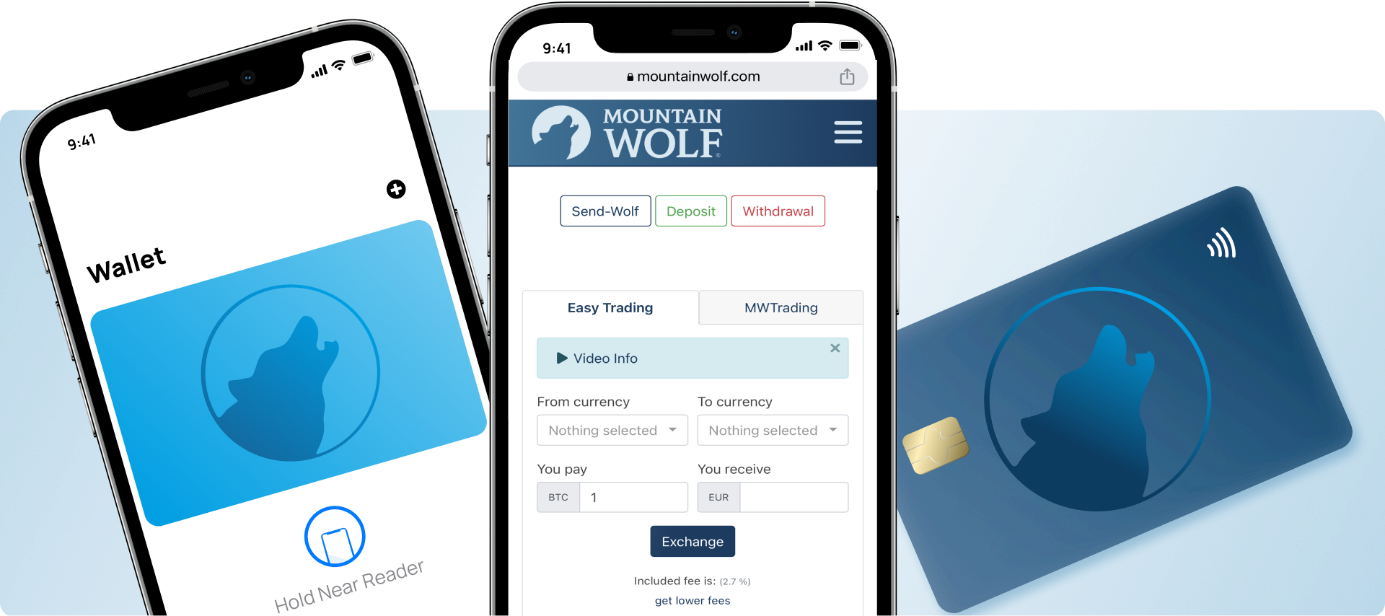
Mountain Wolf’s OTC Desk is an example of this premium service structure. It supports larger crypto and FIAT transactions with tailored quotes, private execution and flexible settlement options. Depending on the transaction, settlement can be arranged in crypto, FIAT or a mixed structure, while verification steps such as KYC, KYB and wallet checks help support a secure process.
More Confidence for Larger Transactions
When transaction size increases, clients usually want more certainty before they commit. They want to know the price, understand the settlement route and reduce the risk of unexpected execution costs.
OTC desks are designed around this need. They allow companies and private investors to move larger amounts of crypto with more privacy, more planning and more control than a standard exchange order usually provides.
For smaller trades, public exchanges remain convenient. But for larger transactions, companies and private investors often need a more professional process. OTC desks help bridge that gap by combining crypto liquidity with personal support, private execution and flexible settlement.
As digital assets become more integrated into business finance, private wealth and institutional investment, OTC desks will continue to play an important role. They offer a practical solution for clients who need to move serious value — without unnecessary market impact or operational uncertainty.