




Stepping onto the computing stage like an Olympic sprinter bursting out of the blocks, an entirely new flagship laptop category dubbed the Googlebook has officially broken cover. Instead of stretching basic web tools to fit everyday computing, these devices are built directly on an Android technology stack paired with the desktop foundations of ChromeOS.
What's new
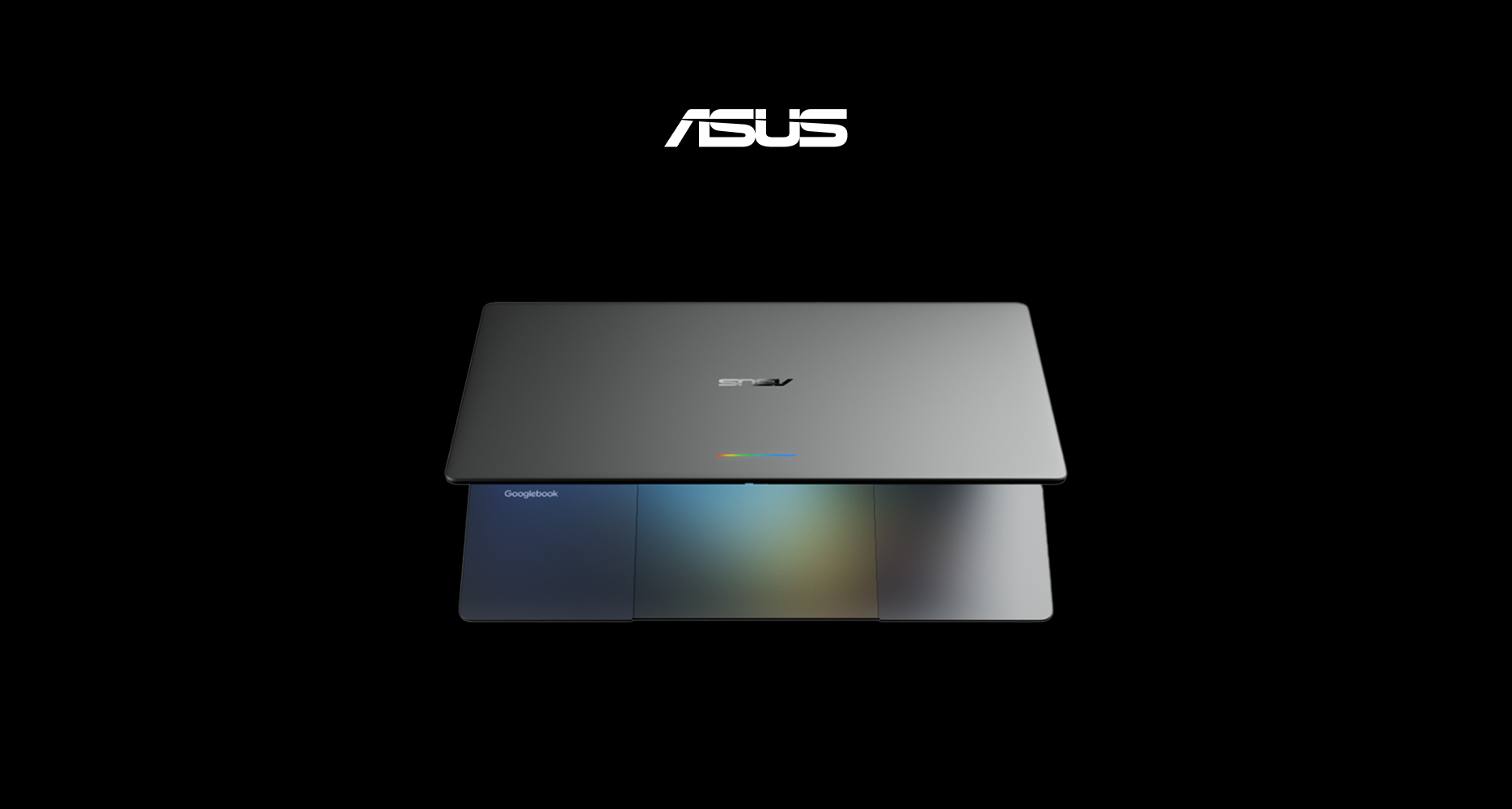
Pre-orders are live today, with prices starting at $899 and retail availability landing October 4 in the United States, followed by October 5 across Canada, the U.K., Ireland, France, Germany, and Australia. By enlisting tier-one hardware manufacturers and outfitting them with cutting-edge Intel and Qualcomm silicon, this launch aims to directly challenge premium MacBooks and Windows ultrabooks.
Why it matters
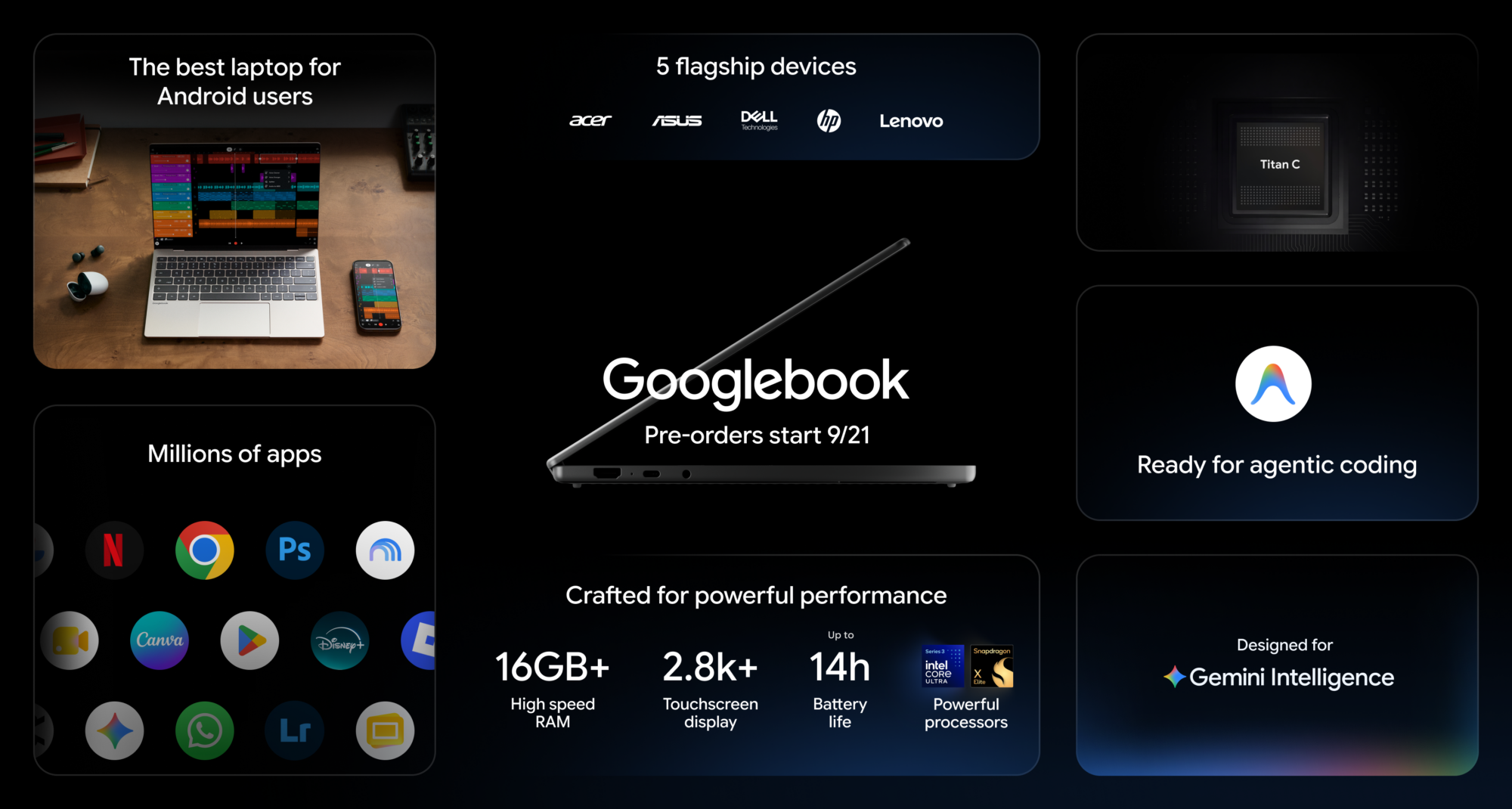
For over a decade, Google-powered laptops lived in a budget-friendly sandbox that prioritized classrooms over boardrooms. While our previous analysis of the Chromebook Plus specifications welcomed higher minimum requirements, those models were still shackled to traditional web-first compromises. The Googlebook cuts the cord, offering a legitimate third platform for high-end mobile computing that doesn't hold back on luxury or power.
Key details
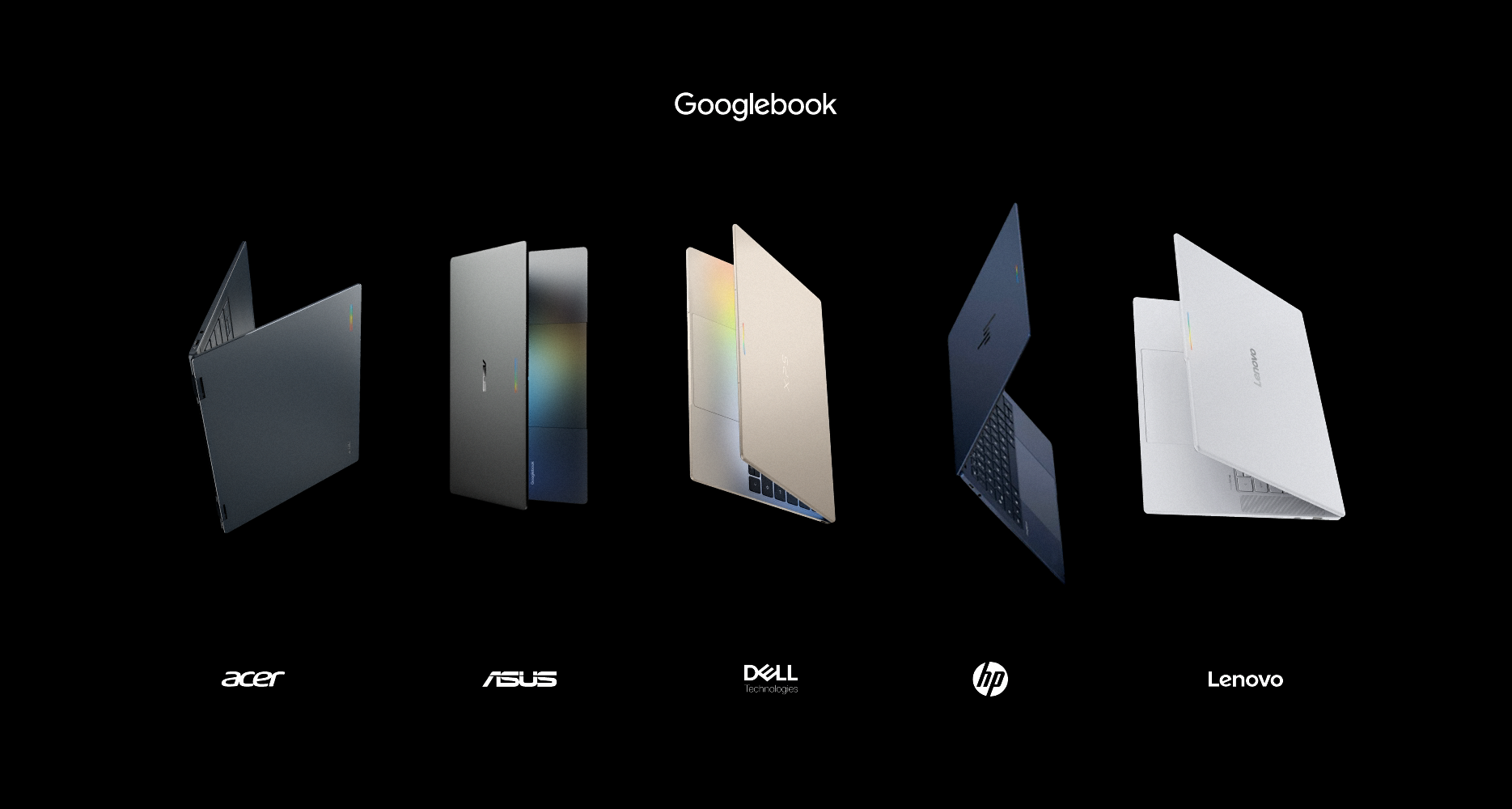
Five flagship configurations crafted by seasoned PC manufacturers make up the inaugural release. Every model is constructed with premium materials—namely aluminum, magnesium alloy, and carbon fiber. Displays reach up to 2.8K resolution with 500 nits of peak brightness to combat glare, paired with spacious haptic glass trackpads and custom backlit keyboards.
| Model | Processor | Display | RAM & Storage | Weight & Thickness | Starting Price |
| Acer Googlebook 14 (Convertible) | Intel Core Ultra 5/7 Series 3 | 14″ 2.8K OLED Touch (500 nits) | 16GB RAM | 256GB+ SSD | 2.5 lbs (1.13 kg) | 13.9mm | $899 |
| Dell XPS Googlebook | Qualcomm Snapdragon X Elite | 13.4″ 2.5K Touch (500 nits) | 16–32GB RAM | 512GB+ SSD | 2.2 lbs (1.0 kg) | 12.7mm | $1,199 |
| HP Googlebook 14 | Qualcomm Snapdragon X Elite | 14″ 2.8K OLED Touch (500 nits) | 16–32GB RAM | 256GB+ SSD | 2.74 lbs (1.24 kg) | 14.0mm | $1,299 |
| ASUS Googlebook 14 | Intel Core Ultra 5/7 Series 3 | 14″ 2.8K OLED Touch (500 nits) | 16–32GB RAM | 256GB+ SSD | 2.2 lbs (1.0 kg) | 14.0mm | $1,299 |
| Lenovo Googlebook 15 | Intel Core Ultra 5 Series 3 | 15.3″ 2.8K OLED Touch | 16GB RAM | 256GB+ SSD | 2.84 lbs (1.28 kg) | 15.95mm | $1,299 |
Under the hood, dedicated NPUs exceed 45 TOPS to drive on-device AI tasks without noisy cooling fans. Battery life promises up to 14 hours of video playback and 16 hours of web browsing. Audiophiles get up to six speakers with Dolby Atmos surround sound, while hardware nostalgics will spot the Glowbar, a physical light bar that sweeps to show battery life and dances playfully during Gemini interactions.
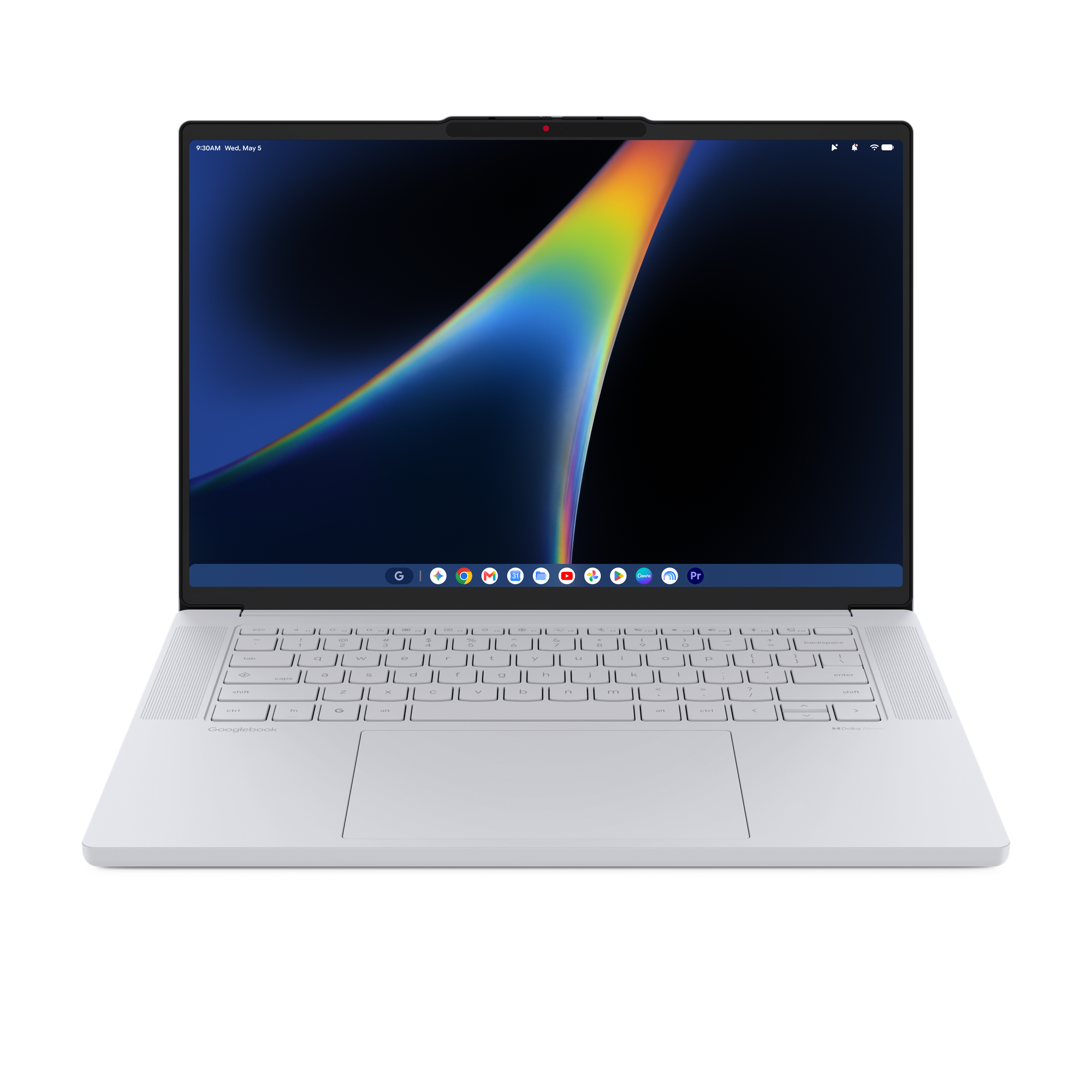
Buying into a new platform requires faith that the engine won't stall when you hit top speed, and at prices climbing past $1,299, these laptops cannot rely solely on shiny aluminum. Every model includes 10 years of software updates, 12 months of Google AI Pro with 5TB of cloud storage, and three months of YouTube Premium, Adobe Photoshop, and CapCut. The hardware has cleared every hurdle, but whether the everyday software ecosystem can justify high-end price tags remains to be seen.