


Adventuring is becoming more and more intertwined. From camping out in the mountains, to working from a remote location on the shores of a quiet lake, or traveling in an RV or just in case of a power outage, reliable electricity is something that can make a world of difference. Whether it's a smartphone, a laptop, a camera, a GPS device, the lights or communication equipment, it all requires power, and not all of the time.
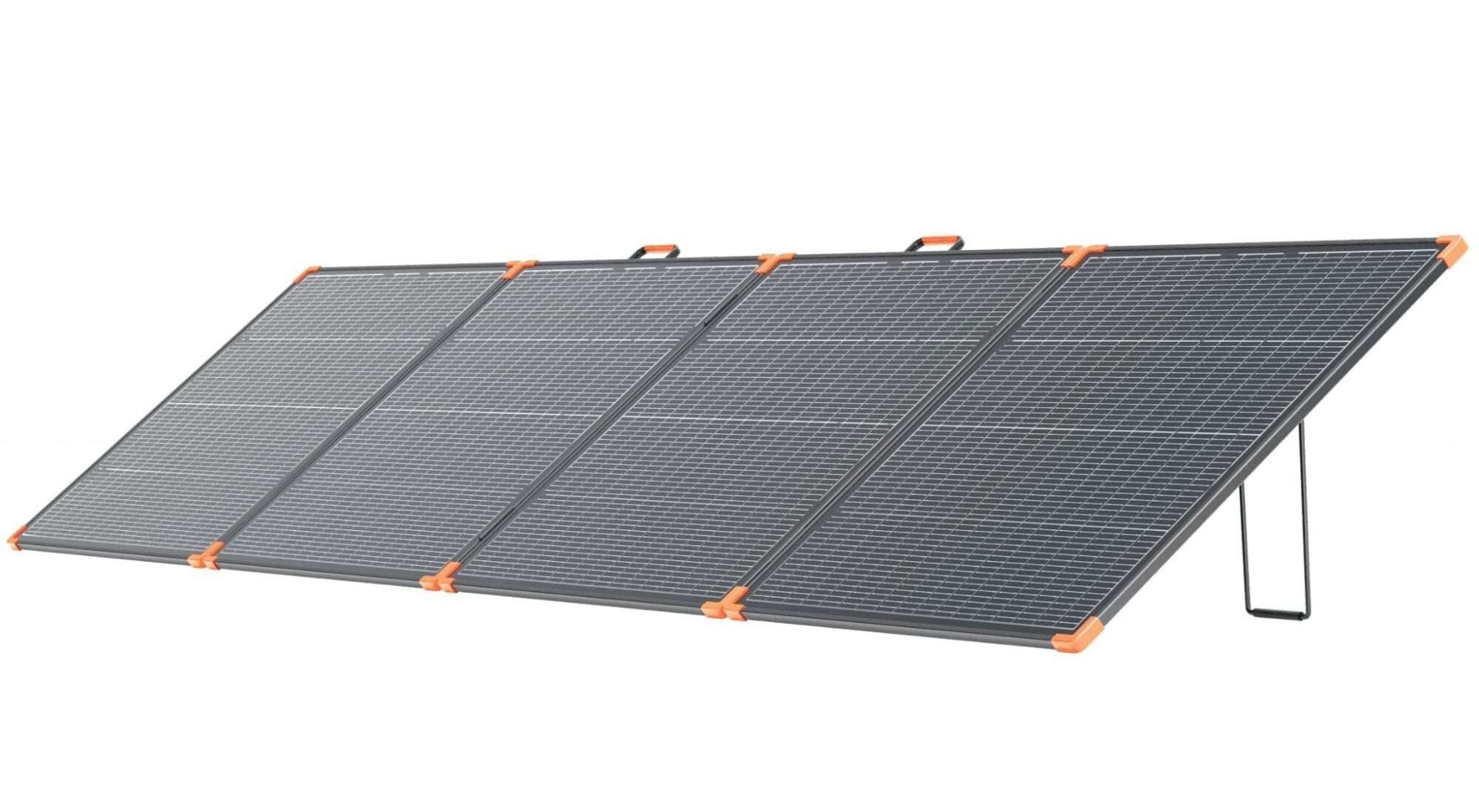
This is where portable solar power comes in really handy. A modern portable solar panel can convert sunlight into usable energy without needing to connect to the electrical grid, providing an easy and renewable means of maintaining the functionality of essential devices.
Power Wherever You Go
Mobility is one of the major benefits of portable solar technology. Portable solar panels can be folded and carried, set up and moved with ease without the effort needed to install permanent panels.
The flexibility for campers and travelers will be to produce electricity during the day and consume it at night. A panel may be set in the sun while you are engaged in other activities, and a compatible power station can be charged without having to monitor it.
This can prove to be very useful for longer journeys. You can also charge your portable power station with solar power every day rather than relying on a finite battery life. If there's appropriate sunlight, your energy system can run past a single charge of the battery.
Reliable Energy for Modern Devices
Outdoor equipment has been radically transformed. A weekend camping trip could ultimately have a lot more electronics than it did 10 years ago.
A cellphone can be used for navigation, emergency communications, weather and picture taking. It is possible to work remotely using a laptop. Cameras and drones need a lot of charging. LED lights enhance visibility at night; portable speakers and other smart devices are convenient.
This ever-increasing amount of electronics can be assisted by a portable solar system. Users can create a centralized charging system using a portable power station instead of having to carry lots of individual battery packs.
The trick is to match up the solar panel and power station correctly. Efficiency will depend on a combination of voltage, wattage, connectors, charging protocols and limitations.
Compatibility Is Part of the Convenience
Having a high capacity solar panel is not enough. The equipment you intend to charge also must be compatible with the panel.
The amount of solar input required varies from power station to power station. Some will tolerate a wider range of voltage and current limits, others have tighter limits. Charging may be affected or the system may not work as intended if the input specifications are exceeded.
Therefore, it is better to determine the specifications of your power station and solar panel before buying equipment. An overlapping application can make this easier by helping to figure out if a specific panel will fit into the installation.
However, choosing the right power station for a solar installation can be easier with the help of a power station compatibility calculator, particularly for those who aren't as well-versed in solar electrical specifications.
Smarter Charging for Connected Lifestyles
Portable solar power isn't simply about generating electricity. It's all about convenience in energy management.
An example of this is to set up a solar panel at times of maximum sun exposure whilst a portable power station charges in the background. Later, stored energy can be utilized to charge phones, laptops, lights or other equipment when the sun is not available.
This draws the distinction between energy generation and energy consumption. It is not always necessary to make use of your devices when the solar panel is generating electricity. Instead, the power station is used to store electricity for a time later.
This is especially helpful when working on an irregular schedule. Energy can be produced in the day time and stored for night time use, or solar energy collected when not in use, and stored in the battery for when they are working or traveling.
Outdoor Reliability Without the Grid
The other huge advantage is being independent from traditional electrical infrastructure. Campsites can have electricity available, and some areas may have none at all.
Solar charging is an alternative. If users have access to the outside world and have a large enough panel, a compatible power station, and lucky sun, then they can have a small independent electrical system anywhere.
This can also give an extra level of readiness in case of a temporary power outage. A portable solar power station combined with a charged power device can help continue to power communication systems and critical electronics in the event of a power outage.
Of course the generation from the sun relies on the weather, the intensity of the sun, the direction of the panels and the hours of daylight. Therefore, portable solar needs to be considered a flexible energy source, not a continuous source of power.
Choosing the Right Setup
The optimal portable solar setup will vary according to your use.
If you need to charge your phone occasionally, you might be able to get by with a relatively small charging system. Users operating several pieces of equipment or a laptop, camera equipment, lights, etc. may require a higher capacity power station and larger panel.
Portability also matters. The smaller folding panel might be the best option if you want to take it backpacking or traveling often, and a larger panel may be better for RV trips, or stationary camping.
Most of all, think about the entire system, and not just the solar panel by the watts. Real world performance is affected by panel output, power-station capacity, charging limits, connectors, physical size and expected daily energy consumption.
A More Convenient Future for Outdoor Power
The portable solar technology is helping to make outdoor living and digital devices more convenient. Travelers are not having to opt for staying “on” or going “off the grid,” but rather create small energy systems that support both.
Sunlight can be a useful source of power for charging phones, laptops, cameras and other important electronics, when the right type of panel and compatible power station are in use, of course, on an adventure.
The idea has the obvious appeal of taking one's own energy source, storing it efficiently, and using it where it is needed, and as smart devices become more and more a part of travel, work, communication and recreation, portable solar power is a no-brainer.