



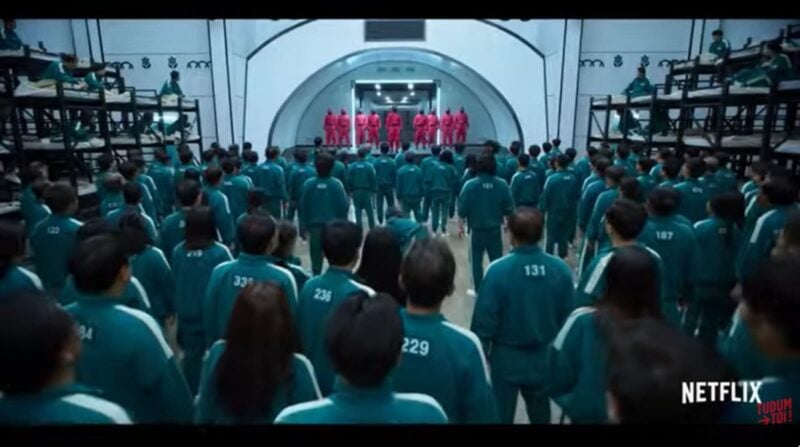
Squid Game’s Spectacular Numbers Stand Alone
Squid Game didn’t just make headlines—it reshaped Netflix’s history. According to Netflix's most recent figures, Season 1 generated 2.205 billion hours viewed in its first 91 days, a number no other show on the service has managed to top. Even Netflix’s biggest English-language titles aren’t even in striking distance.
Plenty of global hits have followed, but none have achieved the same reach. Stranger Things 4 remains the nearest challenger, with 1.838 billion hours viewed in its first 91 days, while its much-hyped Season 5 finished around 1.39 billion. These are massive results, but Squid Game still leads by a significant margin.
From Binge-Watch to Global Culture
What sets Squid Game apart isn’t just the hard data. The premise—ordinary people risking everything by playing lethal childhood games for money—connected immediately with audiences around the globe. It broke through linguistic and cultural boundaries, something rare for a non-English drama on a US-based platform.
The series became more than a show to watch; it became an international event. Each new episode turned into a must-see so viewers could keep up with the latest debates, memes, and social media chatter. Foreign-language dramas often face resistance, but Squid Game turned that on its head.
Capturing the Pulse of the Moment
Squid Game resonated because it reflected real, universal issues: anxiety about social inequality, crushing debt, and the pressure of survival in a tough economy. The show’s take on these themes struck a chord, especially in a world where millions were feeling the pinch of rising costs and financial uncertainty.
Instead of relying solely on high-stakes action, the show delivered survival drama grounded in reality. Transforming childhood games into deadly contests, it layered suspense with sharp social commentary. That has kept it a topic of global conversation long after its debut.
Across its run, Squid Game’s audience numbers remained strong, with Season 2 drawing 1.38 billion hours viewed and Season 3 tallying 894.3 million. Few shows have sustained such worldwide attention over multiple seasons.
Social Media Frenzy and Iconic Visuals
While many top streaming shows depend on famous stars or blockbuster franchises, Squid Game succeeded with a simple, easily understandable premise. The viral reach was immediate: its “Red-Light, Green-Light” clip became Netflix’s most popular TikTok video ever, surpassing 128 million organic views. On platforms like TikTok and YouTube, memes and fan content inspired by the show amassed billions of impressions, encouraging a global culture of rewatching and sharing.
This cultural momentum wasn’t driven only by impressive visuals or thrilling set pieces. It became a phenomenon people wanted to discuss, recreate, wear, and parody. Fans flocked to immersive events in major cities, while collaborations with well-known brands brought Squid Game’s imagery into everyday life.
Iconic visual markers—pink jumpsuits, geometric arenas, and brightly colored dystopian sets—became staples in popular culture, instantly recognizable and widely referenced. Netflix executives noted rare “voice-of-audience” indicators: the show's actors saw their social media followers skyrocket, and Squid Game-related content trended even on professional sites like LinkedIn, an unusual achievement even among top hits.
The Bar for the Next Big Thing
Five years later, no series on Netflix—whether English or non-English—has surpassed Squid Game’s 2.205 billion-hour mark. Even franchises with years of dedicated fandom couldn’t close the gap.
Breaking that record will take more than big action or built-in popularity. To dethrone Squid Game, a new contender would need to spark the same sort of worldwide moment—an experience so big it redefines what success looks like in streaming. That remains Squid Game’s lasting legacy: a deadly game that started a global conversation and brought millions together for more than just a binge-watch.