




An Unexpected Rocket to the Top
Nothing pointed to such a huge wave. When Our Sticky Love premiered on August 7, its launch was modest: about 3.3 million views, placing it fifth among non-English-language series. But just a week later, it exploded—7.5 million views, first among non-English series globally, number one in 26 countries including South Korea, Brazil, Indonesia, and Singapore, and a top 10 in more than 80 countries. An impressive climb for a newcomer.
The Netflix Phenomenon
This wasn’t a show fueled by a massive ad blitz or record-setting launch. Like other true Netflix hits, Our Sticky Love grew thanks to word of mouth. As social media buzz grew, the series quietly overtook even some English-language juggernauts that debuted with much more fanfare that same month.
Messy Beginnings, Magnetic Leads
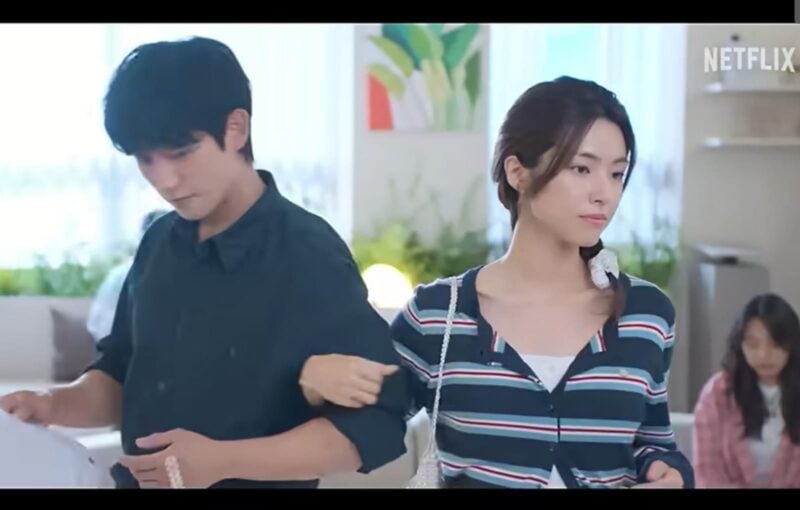
Without giving away any twists, Our Sticky Love starts with a classic misunderstanding: Go Eun-sae, an ambitious prosecutor, loses her memory. Jang Tae-ha, a former boxer, seizes the moment and claims to be her boyfriend. Around this founding lie, the show weaves a romantic comedy that quickly spills into other genres—a colorful cast of villagers, a boxing gym, and even a side plot that drifts toward a thriller and gangster flick.
Across 12 episodes packed for binging, the series shifts from sweetness to tension, mixing humor and drama. The heart of the show lives in its leads: Jung Hae-in, already well-known to K-drama fans, and Ha Young, stepping confidently into her first lead role alongside a strong cast. Their chemistry is understated and true to the genre—balancing restraint, patience, and raw emotion.
K-Dramas Take On the World
Our Sticky Love’s success goes far beyond feel-good romance. For several years, K-dramas have gone global, backed by a polished industry, addictive serialized storytelling, and instantly recognizable visuals. Since Squid Game, international audiences have gotten used to looking as much to Seoul as Los Angeles for their next binge-worthy favorite.
In France, critics have been split, with some praising the show’s fresh mix of genres, while others complain about familiar tropes. But audiences have already voted with their remotes. People don’t just watch “foreign shows” anymore—they follow stories, no matter the language. That’s become the Netflix norm, where a Korean series can outpace all of Hollywood in a single week. All that’s left is to make sure your internet can keep up—so you can press play on the next episode without missing a beat.


I want to thank Netflix for exposing us to a world of new cultures in the cinematic arts. I discovered Korean dramas (Boys Over Flowers) as well as C-dramas (Pursuit of Jade) and others from watching Netflix during COVID. Since then, most of my viewing time is on Netflix watching K-dramas and I rarely watch Hollywood movies anymore. The actors are stunning (including LeeMinHo and Zhang Linghe) and the stories include large and varied content including romance. Even the romantic scenes are tasteful. Thanks again Netflix for showing me new movie genres and cultures.
Hi, Actually, I’ve experienced a similar journey. In 2024 I was housebound with illness for a period and began watching k-dramas with my wife for ‘something different’. We began with “A Gentleman and a Lady”, moved on to Taxi Driver, and we haven’t looked back. over 2 years later, we scarcely watch western shows/movies.
Btw, if you like police dramas, Signal is a great watch.
Apps such as Viki and Kocawa also offer a load of content.
no, that’s not right at all
he didn’t “seize the moment and claims to be her boyfriend”
He did it to protect her.