



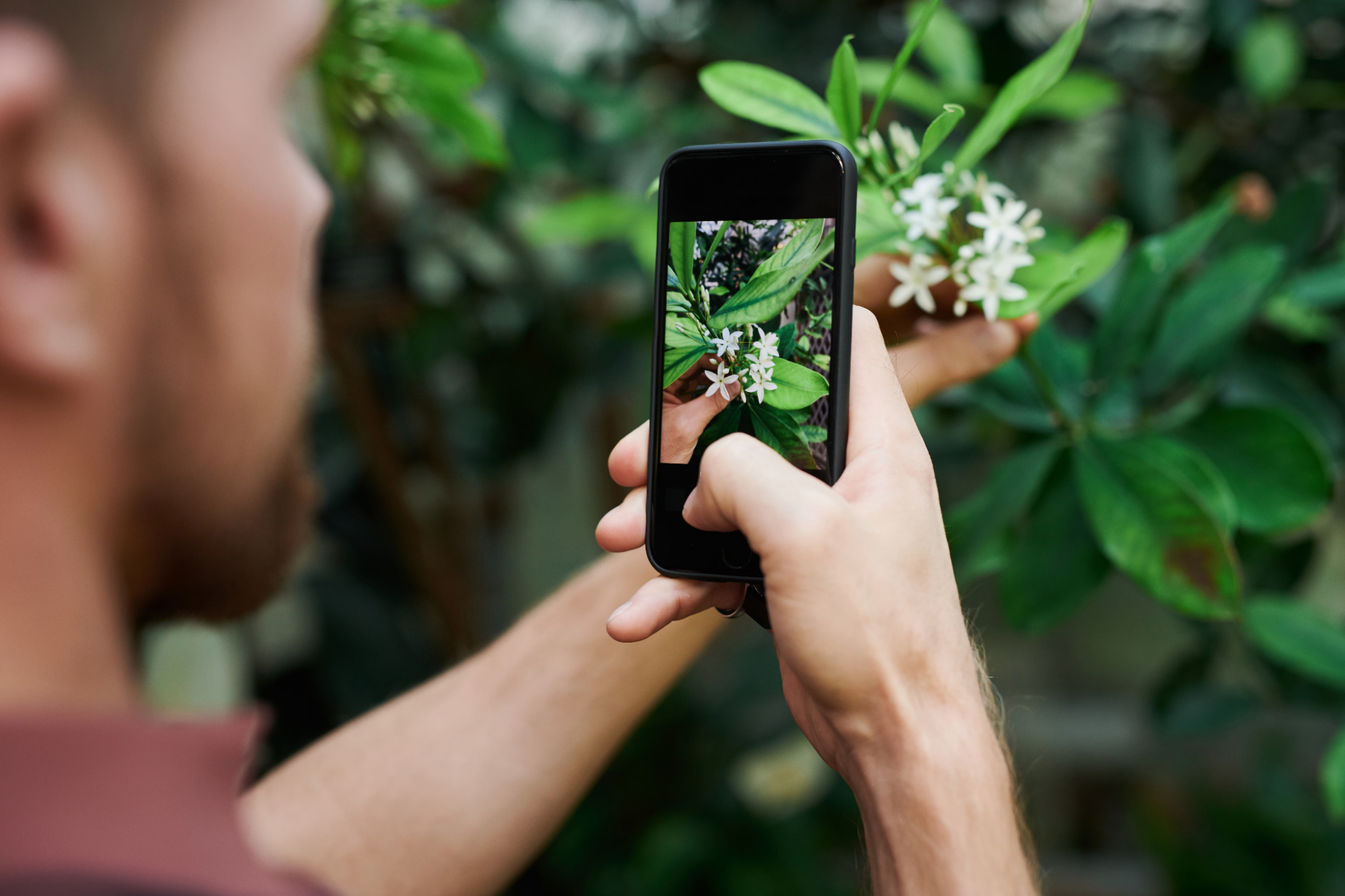
Finding the best plant identification app can save you time when you discover an unfamiliar flower, weed, tree, or houseplant. A useful Android tool should quickly name the species. It must also give clear care tips, detect common issues, and help you decide what to do next.
The top plant apps for Android are Botan, PlantNet, PictureThis, iNaturalist, and LeafSnap. Botan stands out because it combines photo identification, care tips, reminders, and health checks in one app.
Other solutions offer extensive databases, community-based information, or diagnostic tools. Below, we will test each option and compare how well they work for plant owners.
1. Botan
If you want to find the best plant identifier app for everyday use, Botan is an excellent choice. It has 100K+ downloads on Google Play, and its database contains more than 30,000 species.
The app identifies plants from photos and then provides care recommendations. The company claims photo recognition accuracy reaches approximately 98%.
You can check watering, lighting, soil, fertilizing, and common health issues. The app also includes a disease checker, reminders, a light meter, and a built-in live chat with an expert botanist if you need additional assistance.
Botan works as a plant identification and care app, not a scientific database. Its focus is on quick answers that will help you care for real species at home. You don't need much gardening knowledge to start using it.
Here are the main advantages of the Botan plant app and its features:
- Provides identification from photos
- Check for diseases and pests
- Watering and care reminders
- Lighting and soil recommendations
- Digital garden for plant tracking
- Built-in live chat with an expert botanist
Botan may be the best plant app for beginners, apartment owners, and gardening enthusiasts. It's perfect for those who want a single tool for identifying species names and getting tips for everyday care.
2. PlantNet
PlantNet specializes in identifying outdoor species. You upload a photo, select a visible part of the plant, and browse several possible variants. The database inside the app covers wild plants, trees, herbs, ferns, vines, and some garden species.
It also supports citizen science projects, so sharing observations can aid research. Here are the main advantages of this plant recognition app:
- Free photo identification
- Multiple suggested variants
- Community-verified observations
- Maps and taxonomic data
The main drawback is that PlantNet offers fewer care tools than Botan or PictureThis. Its interface can also seem complex at first glance. It's suitable for hikers, students, nature enthusiasts, and users who need help identifying wild species.
3. PictureThis
PictureThis identifies plants from photos and adds care recommendations for each result. The app can also scan for visible symptoms such as root rot, suggest potential problems, and provide treatment steps.
Other tools include watering reminders, lighting recommendations, weed identification, and toxic plant alerts. Below we have compiled a list of key benefits:
- Quick identification from photos
- Plant disease checks
- Customized care plans
- Toxicity and weed alerts
Some useful tools inside PictureThis are only available with a subscription. So, this is not the best plant ID app if you are searching for absolutely free software. It's good for home gardeners who need detailed care instructions and plant health recommendations.
4. iNaturalist
People can identify plants, animals, fungi, and other living organisms from photographs by using iNaturalist. The app relies on image clues and community feedback, not step-by-step care instructions.
You can upload an observation, enter the location, and wait for confirmation of a match from other users. It's more like a field guide than a gardening assistant. Its main advantages include:
- Free access without ads
- Community-backed identifications
- Maps and observation records
- Data used for research
It is not the best plant ID app for houseplant owners who need watering reminders, disease checks, or care plans. Confirming results can also take time. iNaturalist is suitable for hikers, students, and nature lovers who want to record their outdoor finds.
5. LeafSnap
If you need to identify plants, trees, flowers, weeds, and some other species from photographs, LeafSnap can help you with that. The app provides a probable match and basic notes about the result.
This plant recognition app also includes care tips, reminders, and a plant diary. The tools are easy to use, although the app may display ads and offer paid features. Key benefits include:
- Unlimited identification scans
- Care and treatment guidance
- Watering and feeding reminders
- Saved plant reports
LeafSnap is less useful when you need detailed diagnostics or ongoing care support. Some matches may require re-checking. The app will suit casual users who need quick IDs, but Botan offers a more comprehensive set of tools for everyday plant care.
Comparing the Top Plant ID Apps on Android
So, what is the best plant ID and care app on Android? You need to see all options at once in order to name it with confidence. We compared all 5 plant ID apps based on price, Play Store rating, claimed accuracy, number of ads, and availability of additional tools.
The price model indicates what you can use without paying. Rating reflects current Android user reviews. Claimed accuracy shows each developer's goals.
The number of ads affects daily use too, and additional tools determine whether the app is helpful after identification. The table below summarizes these factors.
| App Name | Price Model | Play Store Rating | Database Accuracy | Intrusive AD Rating | Extra Features |
| Botan | Premium (subscription) | 4.5/5 | 98% stated accuracy | 1/5 | Disease checks, care plans, reminders, light meter, digital garden, botanist support |
| PlantNet | Free | 4.5/5 | 95% stated accuracy | 2/5 | Citizen science records |
| PictureThis | Premium (subscription) | 4.4/5 | 98% stated accuracy | 3/5 | Disease diagnosis, toxicity alerts, care plans, light meter, expert advice |
| iNaturalist | Free | 4.1/5 | No fixed rate; community-confirmed IDs | 2/5 | Wildlife identification, maps, projects, community feedback, research records |
| LeafSnap | Freemium with ads and in-app purchases | 3.7/5 | 98% stated accuracy | 4/5 | Disease checks, care guides, reminders, journal, insect and mushroom ID |
Key Features of Plant Care Assistants
Today, people expect more from apps than just plant names. They want help with daily care, addressing health issues, and performing simple routines. The best app for plants should offer:
- Photo identification with clear match data
- Watering tips and fertilizing reminders
- Lighting, soil, and humidity recommendations
- Disease and pest screening
- Saved plant lists with care notes
These tools transform quick information searches into useful follow-ups. They also help beginners avoid common care mistakes.
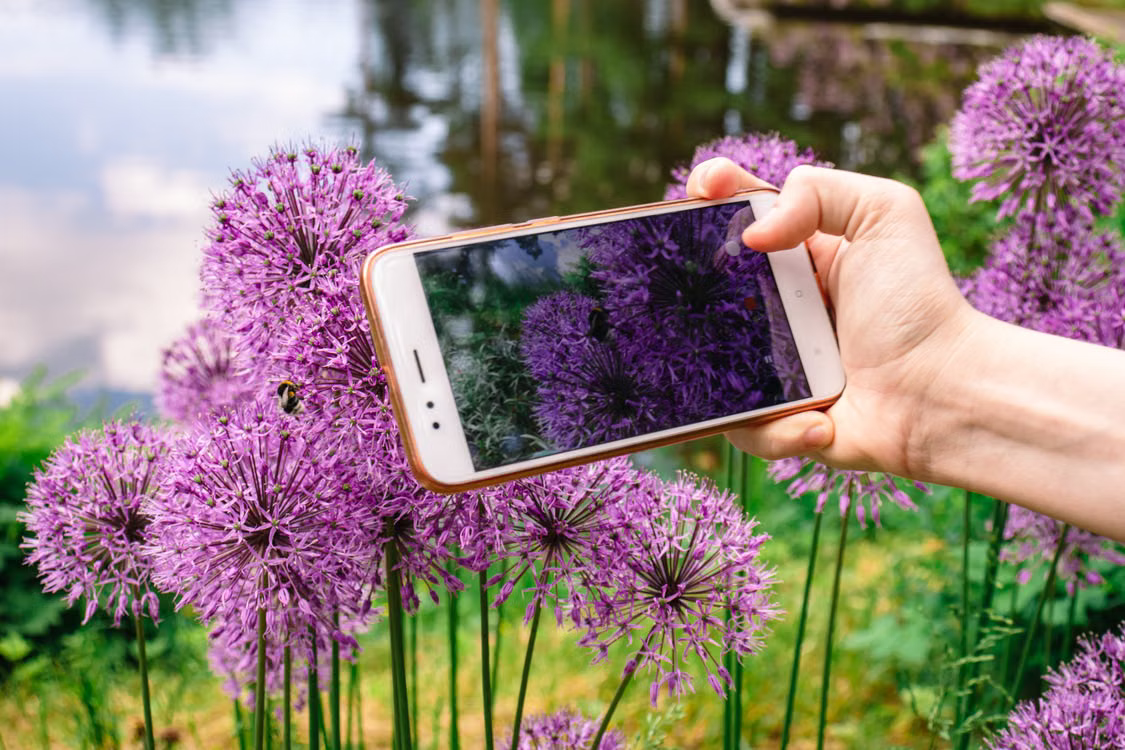
Guidelines for Capturing Clear Leaf Photos
A high-quality and clear photo helps the app find the best match. Blurry photos, poor lighting, and a busy background can lead to wrong results. Follow these steps to improve the photo quality:
- Use daylight: Take the photo near a window or outdoors to keep the color of the leaf natural.
- Adjust focus: Tap the leaf on the screen before shooting to keep the main details sharp.
- Fill the frame: Place one leaf close to the camera without cropping its edges.
- Choose a plain background: Use paper, a wall, or dirt to reduce visual clutter.
- Add more plant parts: Photograph flowers, stems, bark, or fruit if they are visible.
- Try a different angle: Take a second photo if the first result looks unclear.
Check the image before uploading, and retake it if key details are blurry.
Conclusion
The top plant apps provide photo identification, but they serve different needs. PlantNet and iNaturalist are suitable for finding outdoor species. PictureThis and LeafSnap add care tools, although the suggestions and paid features can be inconvenient.
Botan seems more balanced for everyday home use. It combines plant identification, reminders, health checks, and care recommendations and doesn’t look like a scientific database.