




The US Supreme Court has ruled 6-3 in Chatrie v. United States that police need a warrant to access location data people share with tech companies. The Fourth Amendment, which protects against unreasonable searches, now extends to the data even though it was voluntarily handed over to a third party.
The case stems from a 2019 bank robbery where police used a geofence warrant to pull location data from all devices near the crime scene. It led to the arrest of Okello Chatrie.
Your mobile location is yours and yours alone
In 2019, a bank in Virginia was robbed. Police investigating the crime then used a geofence warrant. It's a legal tool allowing law enforcement to request location data from tech companies for every device present within a geographic area. In this case, they asked Google for location data from all devices near the bank during the robbery.

It led them to a man named Okello Chatrie, who was arrested and charged. Chatrie's legal team challenged the warrant. They argued that using it to obtain his location data violated his Fourth Amendment rights, which is the constitutional protection against unreasonable searches and seizures by the government.
The challenge worked its way all the way up to the Supreme Court, becoming Chatrie v. United States. However, the third-party doctrine stood in his way. Under existing legal precedent, if you voluntarily share information with a third party, you lose your reasonable expectation of privacy in it. The government can access it without a warrant.
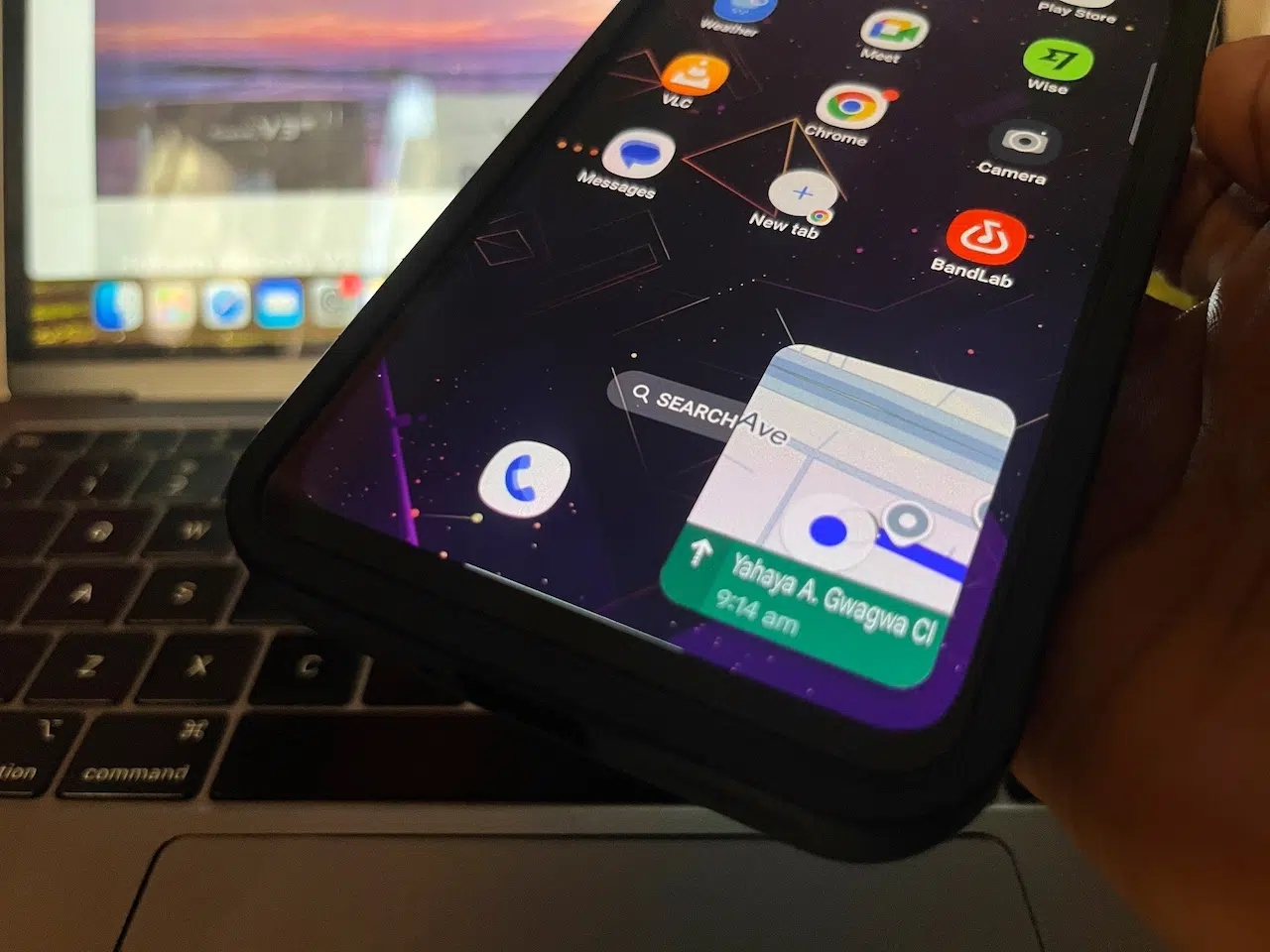
Chatrie chose to let Google track his location, so he had given up his privacy rights. But his side argued that people don't choose to share their location with Google in the way someone consciously hands a document to a lawyer or a bank. It happens passively and automatically just by carrying a phone.
Chatrie is in the clear… for now
The Supreme Court ruled 6-3 in Chatrie’s favor. Justice Elena Kagan wrote for the majority, holding that people do, in fact, have a reasonable expectation of privacy in their phone's location records. Police now need a warrant that is specifically and narrowly tailored to get your data.
The three dissenters were Justices Samuel Alito, Amy Coney Barrett, and Clarence Thomas. Alito wrote the dissenting opinion and was scathing about the majority's reasoning. He accused them of avoiding the hard legal question in the case and instead positioning themselves as champions of digital privacy for reputational reasons.

The Supreme Court's ruling must go back down to the Fourth US Circuit Court of Appeals, which has to apply the Supreme Court's new standard. It will determine whether the geofence warrant used to arrest Chatrie was properly filed under those rules. If not, the evidence obtained from it could be thrown out.
That said, if data privacy matters to you specifically, this ruling does not mean Google or Apple stop collecting your location. You should review and adjust your location history settings in your Google or Apple account. Also, turn off location tracking for apps that do not need it.