


A Fictional Solution Ignites a Policy Conversation
In June 2026, newly elected Gyeonggi Provincial Education Superintendent Ahn Min-seok called for a public debate on establishing a bureau to protect teachers' rights—directly inspired by Netflix's popular drama “Teach You a Lesson.” On social media, Ahn wrote:
“I watched all 10 episodes of the Netflix drama. The exaggeration and violence were unsettling, as the series is based on a webtoon, but I think it reflects the serious reality that our schools’ functions have been broken.”
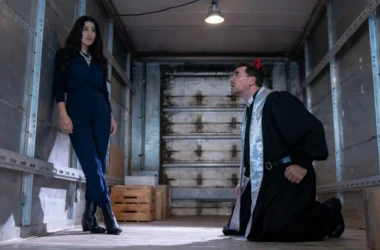
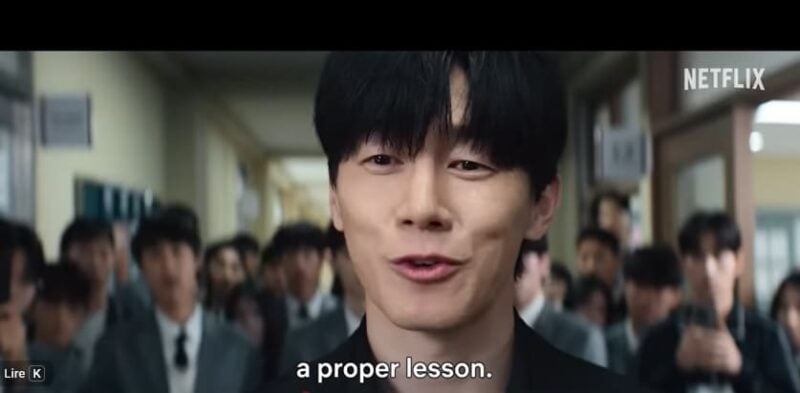
The Netflix series, which is based on a Naver webtoon, centers on the fictional Teachers’ Rights Protection Bureau—a government-backed agency that intervenes in troubled schools, sometimes using force and extreme measures. The show's main question—whether teachers need stronger institutional protection, or if a focus on punishment risks further eroding trust among students, parents, and teachers—has now become a matter of real policy debate in South Korea.
Unsettling Parallels Between Drama and Reality
Reactions from the public have been divided. Some viewers said they found it satisfying to see abusive students and parents punished. Others were disturbed by scenes showing adults and authorities using violence against minors. Song Uk-jin, a sixth grade teacher at Jeonju Misan Elementary School, shared with The Korea Herald:
“The drama shed light on the reality that teachers cannot be protected from malicious complaints by parents, but it is still heartbreaking and sad that this continues to take place in classrooms.”
Song noted that many of the cases depicted in “Teach You a Lesson”—from false child abuse reports to bullying, drug abuse, and gambling—reflected real incidents. He said:
“I think most teachers would have thought the cases depicted in the drama were either something they had experienced themselves or something that was happening in the classroom next door.”
Song’s school made headlines earlier this year after the homeroom teacher for one class was changed six times in a single year due to repeated complaints from two parents. An investigation later found that the parents had violated teachers’ rights.
From Television Drama to Policy Proposals
Inspired by the series, educators are now pushing for real-world solutions. On June 12, when North Jeolla Provincial Education Superintendent-elect Cheon Ho-seong visited Song’s school, teachers specifically asked for the creation of an official body to protect teachers’ rights, a request drawn directly from the show.
The Korean Federation of Teachers’ Associations agreed with the urgency the drama highlighted, while also recognizing worries about the normalization of violence. The federation said in a statement:
“We share the drama’s awareness of the problem. It lays bare the dark side of education sites, from collapsed classrooms and serious violations of teachers’ rights by some uncontrollable students to the despair of teachers whose hands are tied as they suffer from malicious complaints.”
The federation called for practical solutions, including legal support funded by the state for teachers, requiring superintendents to file counterclaims in malicious legal actions against teachers, and amendments to the Child Welfare Act.
Restoring Trust: Beyond Regulation
Activists and parents have argued that the challenge goes beyond new regulations. Jang, described as both an activist and a parent, remarked:
“As an activist and as a parent, what I think is most important is the recovery of the school community. But the culture right now is that people are trying to solve school problems as if they were criminal cases in society, without proper reconciliation.”
The movement seems to be gaining support. In June, representatives from 11 teacher and parent organizations came together to launch the National Movement to Recover Trust in the School Community, aiming to promote respect among all members and support holistic student growth.
As these debates continue, one thing is clear: when fictional stories strike a nerve, they can bring real accountability—and real action—to the table.