



Smartphones are changing more and more by the year. When you break everything down with the latest models that have been announced, it’s clear that bigger screens are here to stay and that they are no longer a luxurious feature.
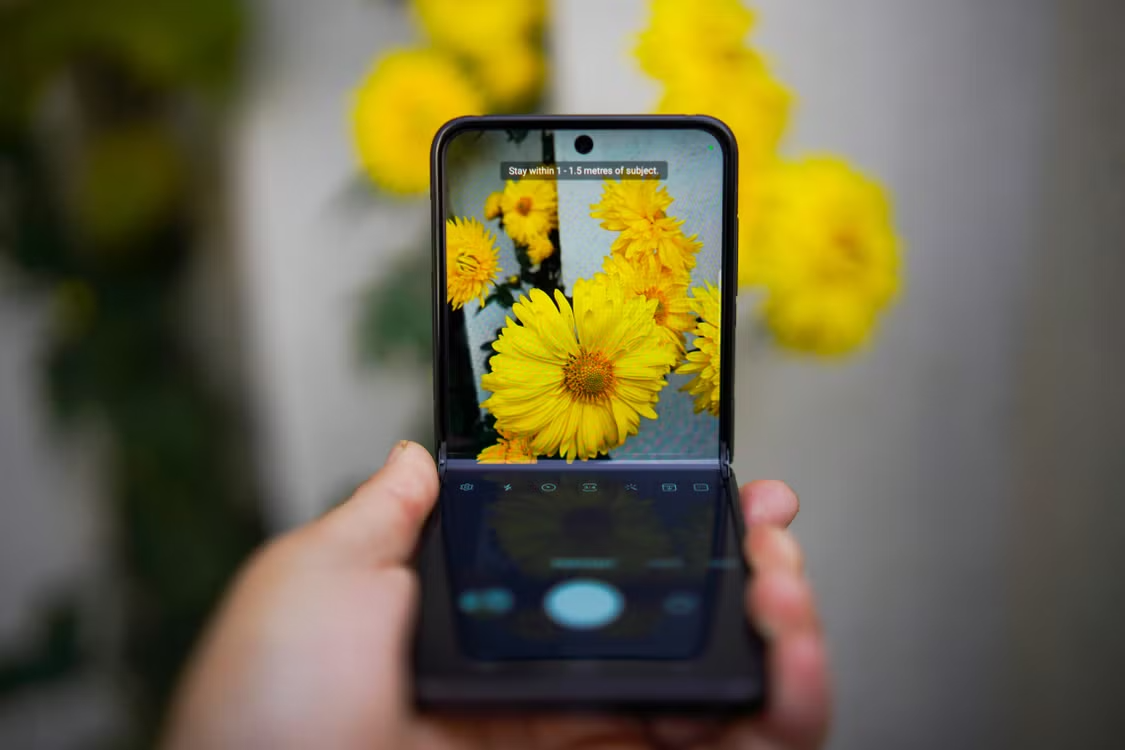
Foldable Phones are the Latest Trend in Smartphone Technology
Even though the Samsung Galaxy Z Fold 8 and the Google Pixel 11 Pro Fold are both expected to launch later this year, it is known that they are both going to feature 8-inch foldable displays.
This helps to transform the device into a small tablet, which reflects the way people are using phones. Streaming is a huge driver behind bigger displays. Services like Prime Video, YouTube, Twitch, and Netflix have transformed into full entertainment hubs, with live sports, films, and gaming being a huge part of their ecosystem.
Netflix also has a mobile-only gaming platform, with puzzle games and strategy titles being a huge part of its catalogue. As puzzle games are now one of the most popular genres of game, due to viral releases from The New York Times, it makes sense that phones are adapting to these changing audience preferences.
As 14% of adults play Wordle and 46% of people have played Words with Friends before, bigger displays help users navigate titles like this more easily. It’s not just word games that benefit from bigger screens either. Slingo games feature a 5×5 grid and combine elements from both slots and bingo. Slingo Rainbow Riches has seven potential bonus-round prizes, with a Road to Riches feature. Because of the bingo-style grid and interactive bonus rounds, games like this are often better suited to larger smartphone screens, particularly when several game elements are displayed at the same time.
Productivity is another area of focus that benefits from bigger screens. Foldable devices support split-screen multitasking, allowing users to watch videos while they browse the web or even reply to emails while reviewing important documents. Business owners can also take video calls while taking notes. Flexibility like this appeals to those who want both work and entertainment.
Foldable Screens are the Future of Modern Smartphone Design
Both the Samsung Galaxy Z Fold 8 and the Google Pixel 11 Pro Fold are to have an 8” OLED display. Both have a 120Hz refresh rate. Although the exact details have not been released yet, it’s expected that the Galaxy Z Fold 8 will have the Snapdragon 8 Elite Gen 5 processor, making it the flagship of the range.
If this is true, then it could be one of the top, most powerful Android devices on the market. The Pixel 11 Pro Fold, however, will use the Google Tensor G6 chipset. Even though this would grant some performance increases, Google’s Tensor chips have always been focused more on AI and software support, as opposed to gaming power.
The Galaxy Z Fold 8 will be released with a battery upgrade as a way to support the bigger screen, which will put it at 5,000mAh, while the Pixel 11 Pro Fold will be around 4,658mAh. Although both battery upgrades are enough to support the bigger screens, Samsung users may be able to get more hours out of their device, making it more suited to entertainment.