



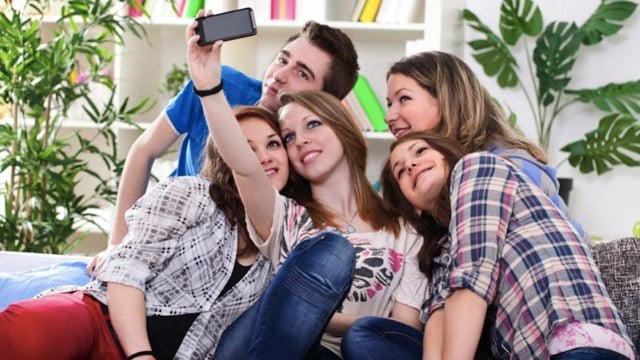
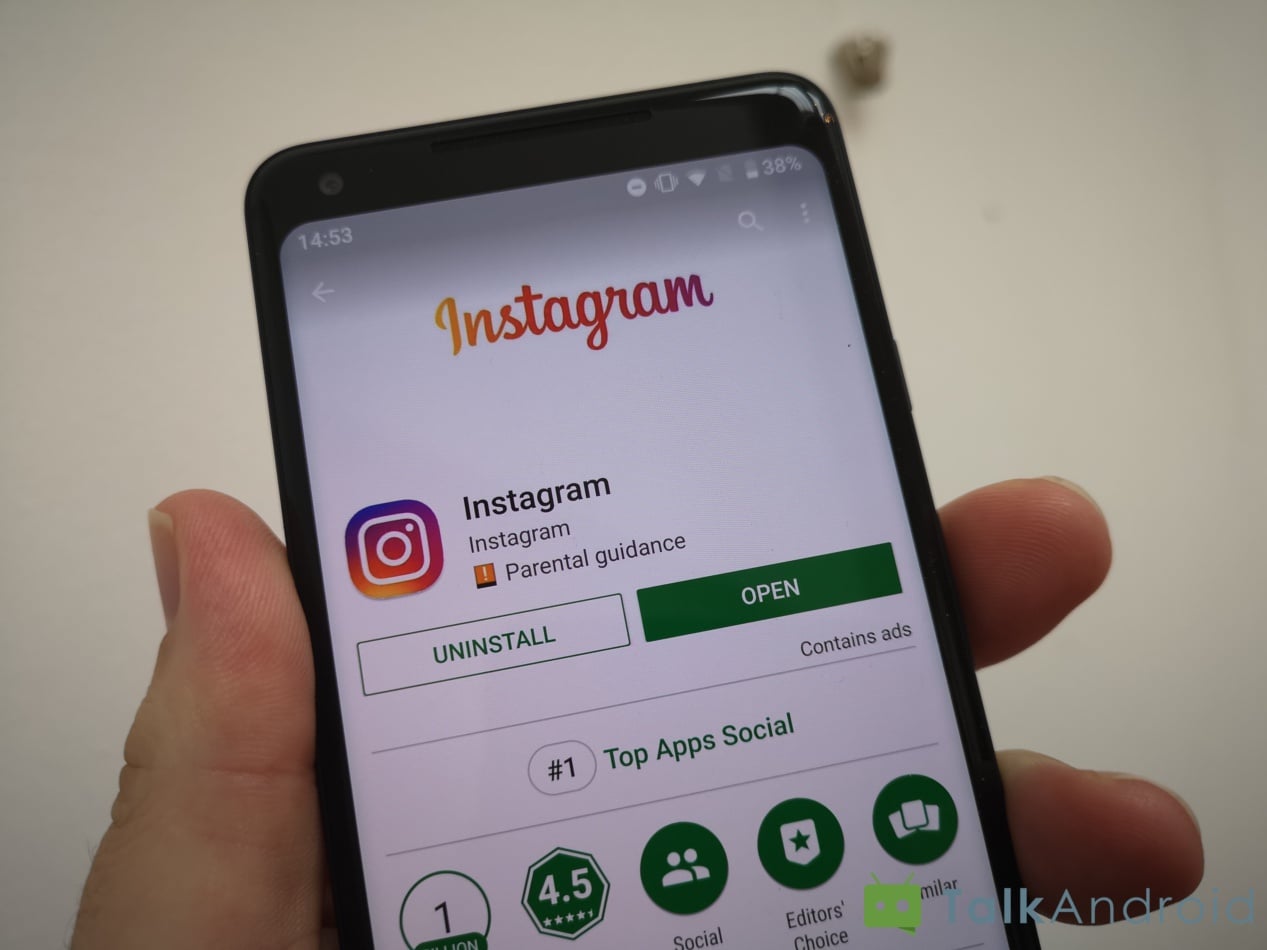
If you've been nagging your preteens and teenagers about putting down that darn phone, your prayers may have been answered. The UK government has announced plans to ban under-16s from major social media platforms. They include TikTok, Instagram, Snapchat, YouTube, Facebook, and X from spring 2027.
Prime Minister Keir Starmer says the ban will protect children's safety and wellbeing online, though critics argue the restrictions may be difficult to enforce and could cut young people off from valuable communities and support networks.
Social media must go, says UK Prime Minister
Social media has become too harmful for many young people and previous attempts to make platforms safer have not gone far enough. For years, there has been growing concern in the UK about its effects on children.
Campaigners, child-safety groups, some researchers, and bereaved families have argued that young people are being exposed to harmful content, online challenges, cyberbullying, predatory behavior, and recommendation algorithms that can push vulnerable users toward increasingly extreme material.
Several high-profile cases involving children who died have also intensified public pressure on politicians to act. The government says platforms will have to use stronger age-checking technology that could involve estimating a user's age or other verification methods.

However, privacy campaigners are already raising concerns about whether more people will be required to prove their identity online. After all, if a platform has to stop under-16s from using it, it first has to figure out who is under 16. People don't naturally present proof of age when they sign up, and many teenagers can easily enter a false birth date.
Social media has its bright sides
The UK government’s proposal has attracted support from across parts of the political spectrum. One Northern Ireland minister quoted in the BBC coverage described battles over phone use in some households as being “almost like a warzone.”
In some homes, it's responsible for repeated arguments, resistance from children, and stress for parents who feel they have little control over what their kids are exposed to online. There have been many criticisms from teenagers interviewed by the BBC.
They argued that social media might be chaotic, but it's also where they communicate with friends and communities, learn new things, and express themselves. Some disability organizations even warned that social media can be a lifeline for young people who already feel isolated in everyday life.

There are also companies like Google saying that blanket bans could drive young people toward unregulated virtual spaces. Teenagers might move to niche apps or porn sites outside the mainstream ecosystem that don’t apply age checks consistently.
It's worth noting that Australia introduced a similar under-16 social media ban in December 2025. The BBC's reporting notes that many of the country's teenagers appear to have found ways around it. The UK may be creating a policy that sounds strong but will be difficult to police.
BBC reporters explained that the spring 2027 delay is there so tech companies and regulators have time to build systems for age verification and enforcement. They also addressed workarounds including VPNs that can make a user appear to be in another country, potentially bypassing UK restrictions.
They note that platforms can sometimes detect unusual behaviour and that VPN use usually spikes temporarily when restrictions are introduced. However, children will not be criminalised for trying to bypass the rules. Concerning educational content, YouTube Kids will not be banned. WhatsApp won't be affected by the ban since it's classified as a messaging service.