





Smart glasses still have a long way to go before they feel as normal as earbuds or smartwatches, but Rokid may have found a fairly strong signal that interest is growing.
The company says Rokid Glasses became the number one most anticipated product on Japanese crowdfunding platform Makuake, closing the campaign with nearly $4 million raised from 7,413 backers. That is not “everyone will wear smart glasses next year” money, but it is enough to suggest this category is no longer just a trade show curiosity wearing prescription lenses.
Rokid Glasses find an audience on Makuake
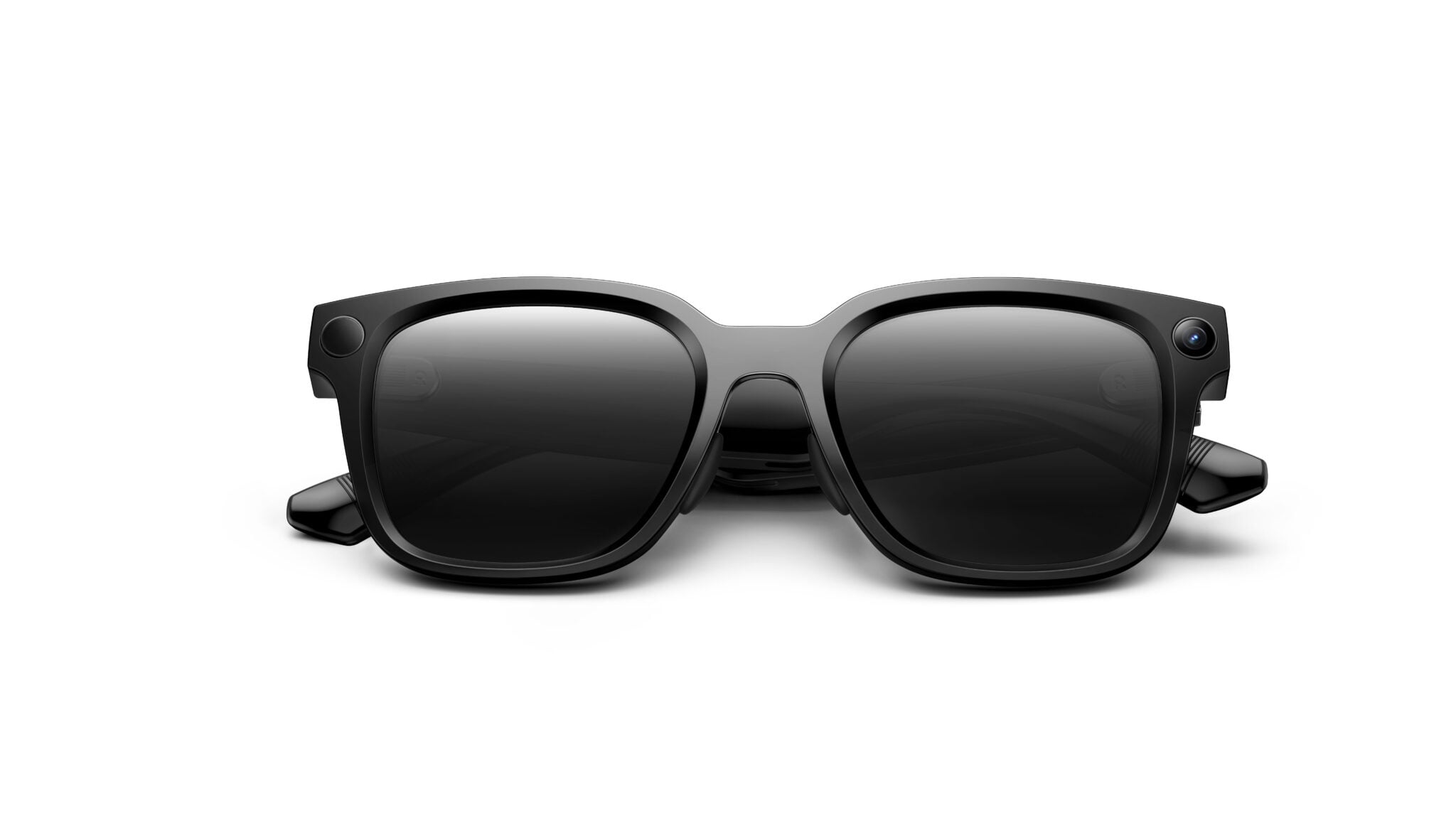
Rokid says the campaign built momentum quickly. The glasses reportedly raised more than $636,000 in the first 12 hours, reached $1.27 million within 10 days, hit $2.58 million by early May, and later climbed to $3.2 million before ending at nearly $4 million.
According to Rokid, that performance gave its glasses three times the sales of other smart glasses on Makuake. The company is unsurprisingly framing this as a sign that AI glasses are moving from niche gadget territory into something more practical.
The big question is why users are interested. Rokid says it surveyed more than 9,600 people, with over 70% picking real-time, bidirectional translation as the top smart glasses feature they valued. Almost 55% said translation accuracy was important to them.
That lines up with one of the clearest use cases for smart glasses. If a pair of lightweight glasses can handle translation without making you pull out your phone every 12 seconds, that is immediately more useful than another floating notification panel.
Translation, navigation, transcription, and image search
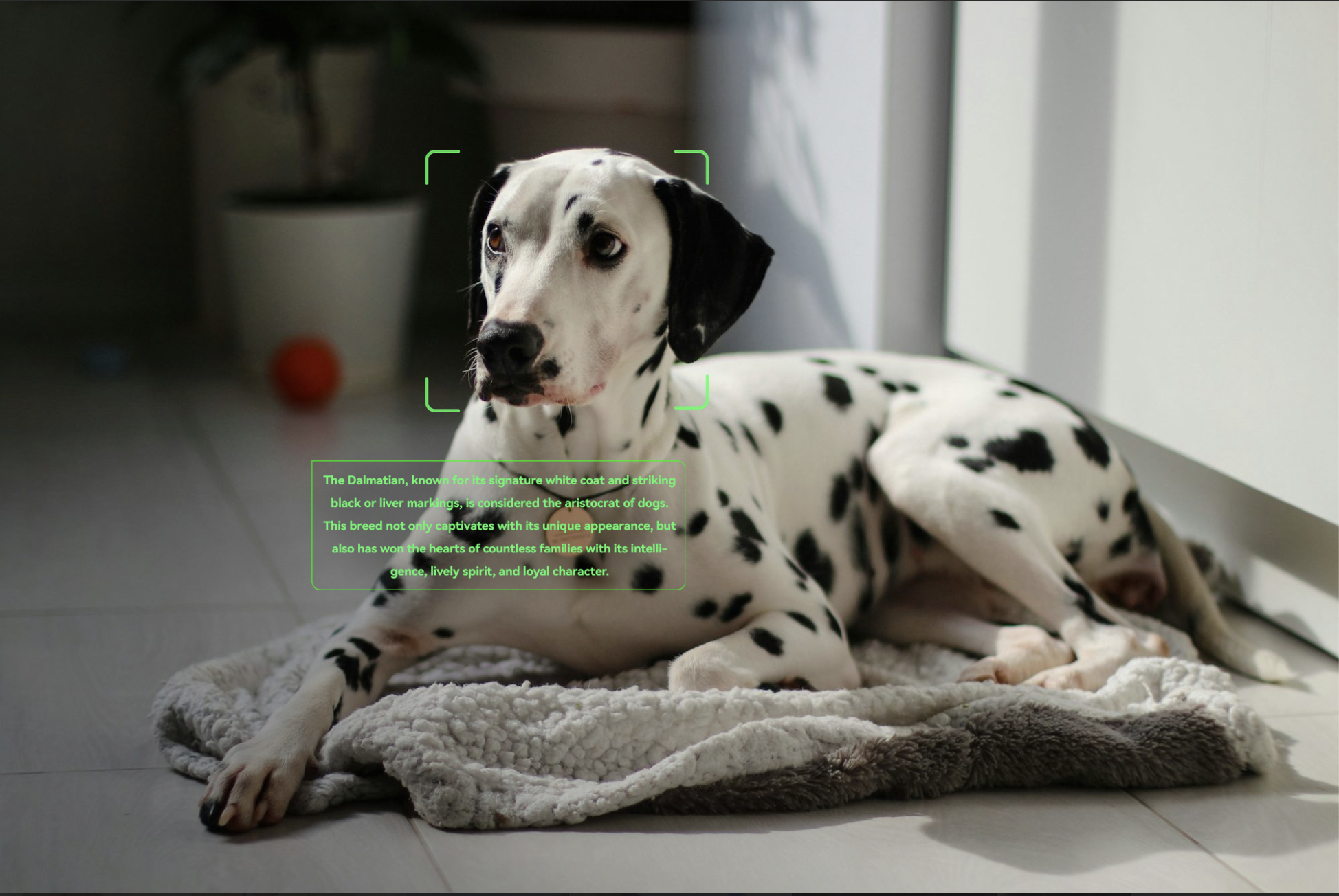
Rokid Glasses support instant translation in more than 89 languages. They also support multiple leading AI models, including Google Gemini and OpenAI ChatGPT, which gives users more flexibility depending on the task.
Beyond translation, the glasses can handle turn-by-turn navigation, transcription, and image search through the integrated HD camera. Those are exactly the kinds of tasks that make more sense on glasses than on a phone, especially when your hands are full or you are trying to stay present in the real world instead of staring into the rectangle.
This is where smart glasses may finally find their footing. The best use cases are not necessarily giant AR worlds or holograms floating over the breakfast table. They are quick, contextual tools that appear when needed and disappear when they do not.
Google I/O gives Rokid more AI fuel
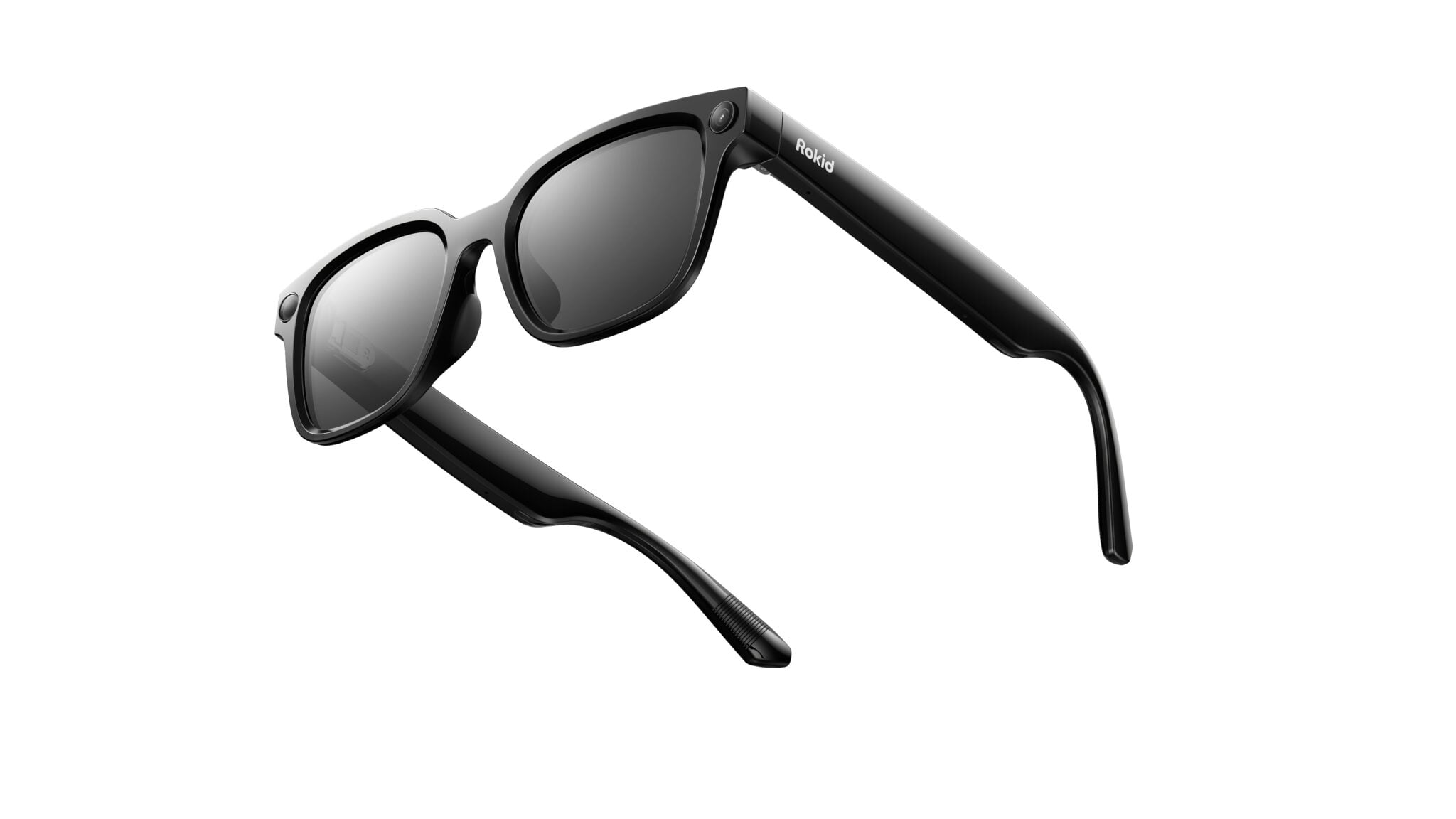
Rokid’s Makuake result also comes shortly after the company announced plans to bring Gemini Flash 3.5 to its smart glasses following Google’s latest Gemini updates at I/O.
The company says the upgrade will help deliver more contextual, continuous, and conversational AI experiences. In normal human language, that means Rokid wants its glasses to better understand what users are asking, respond more quickly, and handle more complex tasks through simple voice commands.
Rokid already supports Google Gemini alongside ChatGPT, DeepSeek, and Qwen on its smart glasses. It is also working with Google on accessibility-focused features for users with vision and hearing impairments, which could become one of the more meaningful parts of AI eyewear if done properly.
Agentic AI could be the next smart glasses battleground
Rokid is also leaning into agentic AI, which is the increasingly unavoidable term for AI tools that can complete multi-step tasks rather than simply answer questions. The company says its Rizon AI open platform, customized from Coze Studio, already lets users in Asia build and share AI workflows. Rokid says it has received more than 3,000 submissions for new agentic workflows, with over 400 approved and published through the Rokid Agent Store.
That Agent Store is expected to become available internationally, which could matter more than the hardware spec sheet. Smart glasses need useful software more than they need another slightly brighter display or another acronym tattooed across the box.
If developers can build practical workflows for travel, accessibility, live translation, note-taking, navigation, and productivity, smart glasses have a much better shot at becoming useful daily tools rather than expensive demo toys.
Rokid smart glasses at a glance:
| Feature | Detail |
|---|---|
| Product | Rokid Glasses |
| Category | AI-powered smart glasses |
| Crowdfunding platform | Makuake |
| Campaign result | Nearly $4 million raised |
| Backers | 7,413 |
| Key feature | Real-time bidirectional translation |
| Translation support | Over 89 languages |
| AI models | Google Gemini, OpenAI ChatGPT, DeepSeek, Qwen |
| Other features | Navigation, transcription, image search |
| Camera | Integrated HD camera |
| AI roadmap | Gemini Flash 3.5 support |
| Developer platform | Rizon and Rokid Agent Store |
| Global reach | Customers in over 100 countries and regions |
Rokid is also growing outside China
Rokid says its international business grew 300% year over year in Q1 2026. The company has also expanded its physical presence in key markets, including Germany, where it launched a dedicated e-commerce website, and Indonesia, where its products are sold through PT Denka Pratama Indonesia.
That broader availability matters because smart glasses are still a hands-on category. People need to try the weight, fit, display visibility, camera position, voice controls, and battery life before deciding whether they are useful or just another futuristic drawer ornament.
Takeaway
Rokid’s Makuake campaign does not mean smart glasses are suddenly mainstream, but it does show there is growing appetite for glasses that solve real problems.
The strongest parts of Rokid’s pitch are translation, navigation, transcription, and the broader AI model support. The Gemini Flash 3.5 roadmap gives the glasses a more interesting software story too, especially if the Agent Store expands globally with genuinely useful workflows.
Smart glasses have spent years promising the future while looking a bit too pleased with themselves. Rokid’s latest momentum suggests the category might finally be shifting toward something more grounded: lightweight AI help that sits on your face and, ideally, stays out of the way until needed.


woooo