



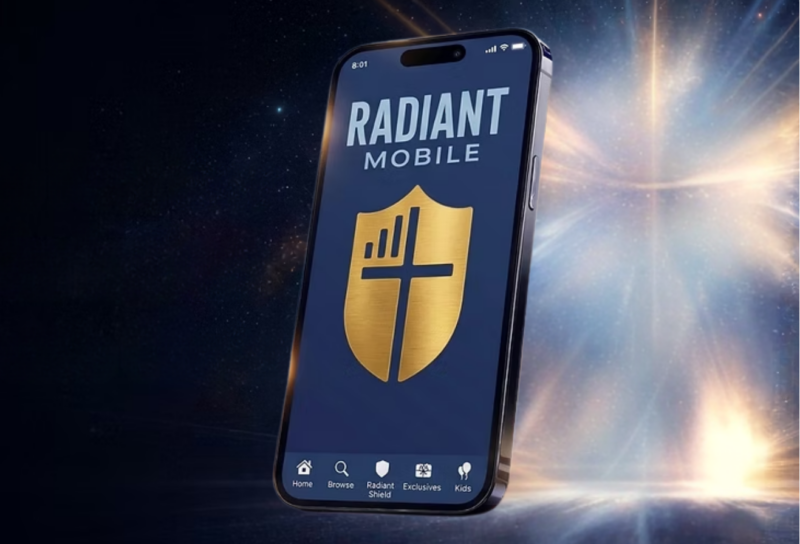
A new carrier has launched on T-Mobile's network with a pitch you don't see often in the MVNO space. Radiant Mobile describes itself as the first Christian mobile carrier, combining standard unlimited 5G service with built-in content filtering and exclusive faith-based programming via its Radiant Life feature.
How the Filtering Works

As AndroidAuthority reports, content blocking is the most distinctive part of the service, and it operates on a tiered system based on the user. Pornography is a hard block across every account with no option to disable it. Other categories work differently by age. Harmful drug content is blocked for kids and teens but accessible to adults. Categories like tattoos are filtered for younger users by default, though parents can choose to allow them.
The filtered content list goes wider than you might expect, extending beyond adult content to include categories such as hacker news, piercing, and fashion models. That breadth will appeal to some families and raise eyebrows in others, depending on how much control they want and what they consider appropriate.
The Wi-Fi Claim
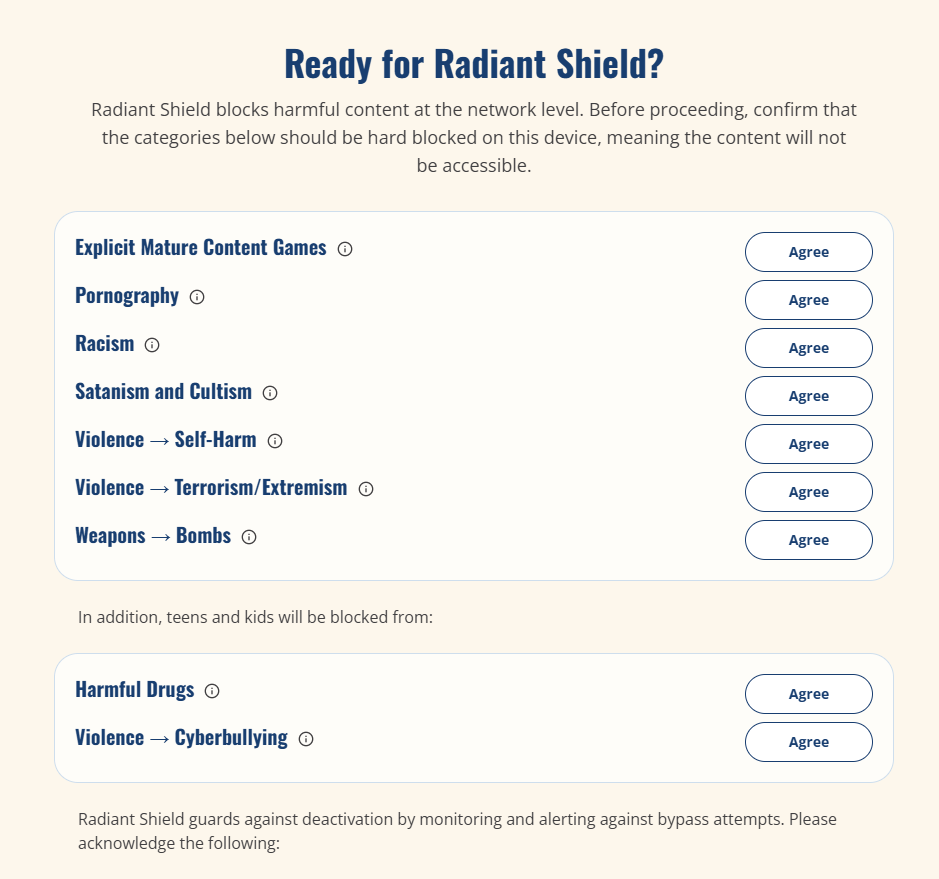
One of the more notable claims is that the filtering extends to Wi-Fi connections, not just cellular data. Radiant Mobile says its system can intercept Wi-Fi traffic before other VPNs can step in and override it. The company also states that it does not read private messages or decrypt sensitive information, such as banking transactions. How exactly those two things coexist technically is an open question, and one worth keeping an eye on as the service gets more scrutiny.
Pricing
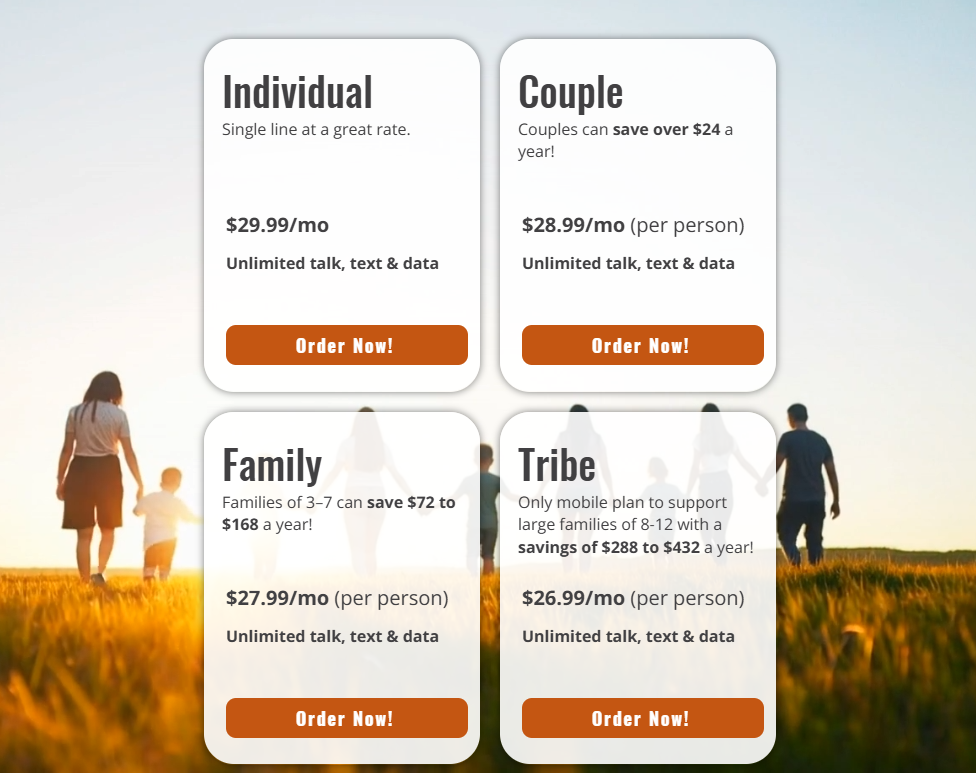
Plans start at $30 a month for a single line with unlimited 5G talk, text, and data on T-Mobile's network. Family plan discounts are available, including a rate for households with eight or more lines. No device is required to sign up, so customers can bring their own phone.
Who It's For

Radiant Mobile is clearly built for families who want a managed mobile environment without relying on third-party parental control apps that can be bypassed or disabled. Carrier-level filtering is harder to work around than software-based alternatives, which is the core practical advantage here. Whether the broader category list and the Wi-Fi interception claim hold up under real-world use is something only time and user feedback will answer.