



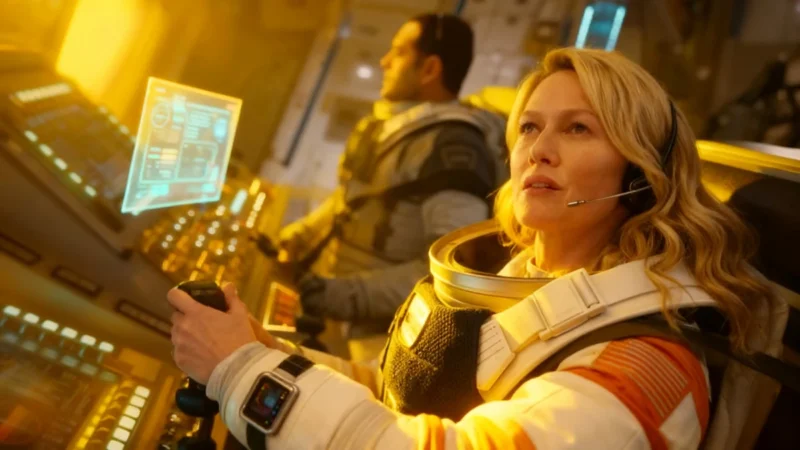
From the Moon to Mars—and Into the Present
Created in 2019, “For All Mankind” asks: what if the Soviets, not the Americans, were the first to set foot on the Moon? This premise sets off a ripple effect, with the series following American astronauts determined to catch up, setting their sights on Mars. Spanning multiple eras, blending personal drama and political intrigue, the show has been lauded by critics and viewers alike. French critic Olivier Joyard has called it “one of the best series out there.”
The Final Season: Our World, Reimagined
So what does the last chapter hold? According to co-creator Matt Wolpert, who spoke with Variety, the sixth season will show viewers an alternate version of the present day—what our contemporary world might look like in the show’s divergent timeline. Wolpert explained:
“I think from the very beginning, we were focused on reaching the present. Even if we didn’t know how many seasons it would take us to get there.”
After years of alternate history and technological evolution, the show is finally set to explore what 2026 might look like if one turn in the space race had gone the other way.
Spin-off: A Russian Perspective
The world of “For All Mankind” kept expanding in 2026. Starting in May, a spin-off series called Star City began airing, telling the story from the Russian perspective. This companion series revisits the central events of “For All Mankind,” but through a different cultural lens.
What Else to Watch?
If you’re looking for more thought-provoking TV, “The Bear” is also ending this year. Paris Fashion Week Spring–Summer 2026 brought a fresh wave of innovation to the catwalks. Film buffs can check out “Sirāt” by Óliver Laxe, known for its striking narrative. For a deep dive into influential culture, explore part four of “100 Works That Changed the 21st Century.” And if you’re traveling, the Constellations Festival in Metz, France, continues to transform the city at night with vivid light installations every summer.