


Wear OS used to sit in an awkward spot. It was not exactly ignored, but it rarely felt like the obvious choice either. Flashier rivals grabbed more attention, while Google’s smartwatch platform often seemed to be stuck in catch-up mode. That picture has started to change. Over the last few product cycles, Wear OS has become more reliable, more polished, and much easier to live with on a normal day. In a way, the progress feels similar to what happens in fields shaped by fast production rhythms and outside collaboration, including gamedev outsourcing, where steady refinement often matters more than one dramatic breakthrough.
Stronger Hardware Partnerships Are Making a Difference
Part of this comeback comes from better hardware. That sounds obvious, but for Wear OS it matters a lot. A smartwatch can have decent software, yet still feel annoying if the chip struggles, the battery drains too quickly, or the whole thing feels sluggish by lunchtime.
That has improved. Qualcomm, Samsung, and several Chinese manufacturers have been putting out more efficient chips designed with wearables in mind. The result is not some sci-fi leap, but it is noticeable in daily use. Menus feel smoother, animations are less jumpy, and standby drain is not as frustrating as it once was.
Battery design has improved too. Newer Pixel Watch and Fossil models can handle always-on displays with less panic around the middle of the day. That may not sound glamorous, but avoiding the “why is this already dying” moment is a real quality-of-life win. Haptics have also become more refined. Notifications feel more precise and less disruptive, which matters more than marketing departments usually admit.
Hardware Details That Actually Matter
Dedicated support chips
Secondary processors now handle tasks like sensor data and location bursts more efficiently. That lets the main processor rest more often, which helps battery life without making the device feel slow.
Lighter case materials
Recycled aluminum and similar materials make watches easier to wear for long stretches. They also help brands push a sustainability story, which is clearly part of the pitch now.
Standard band systems
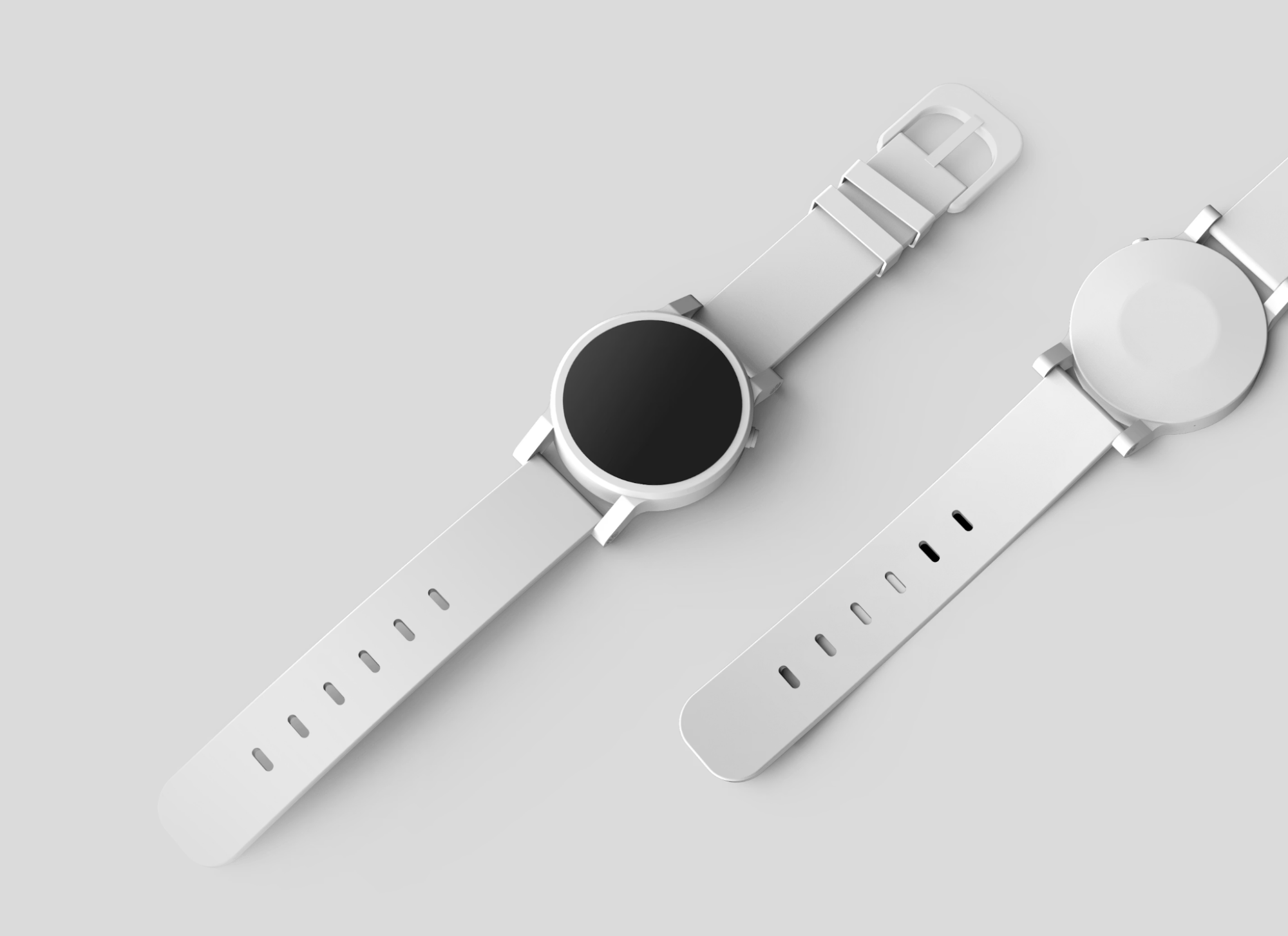
More models support universal connectors, which opens the door for third-party straps and accessories. That gives buyers more freedom and makes the watches feel less locked into a single style.
The Software Finally Feels Less Experimental
For a while, Wear OS had a habit of showing off features that looked interesting but did not always help much in real life. Lately, the platform feels more focused. Instead of trying to impress with novelty, it seems more interested in saving a few seconds here and there throughout the day.
That shift matters. Useful watch software is usually about speed and clarity, not drama. Calendar reminders, transit updates, and navigation prompts now appear in ways that feel more natural. Fewer unnecessary taps are needed, and the interface wastes less time.
App discovery has become less clumsy too. Verified apps are easier to find in the Play Store, which cuts down on the old guessing game of downloading something that looks promising and turns out to be half-broken. Material You theming also helps tie the watch
Wear OS Works Better When It Feels Part of Android
One of the platform’s real strengths is the wider Android ecosystem. A smartwatch becomes much more appealing when it does not feel like a lonely accessory trying to justify itself.
Cross-device features help here. Music can move more smoothly between earbuds, speakers, and other connected hardware. Setup is faster than it used to be, especially when account details can be pulled from a nearby phone instead of typed out again on a tiny screen. Chromebook support helps too, especially for students or anyone already using Google’s hardware and services across the day.
Developers also benefit from this growing consistency. Jetpack tools and Compose for Wear OS reduce some of the old friction that made watch app development feel like an afterthought. When developers can build for watches using patterns already familiar from Android phones, new features are more likely to arrive sooner and work better.
Wear OS Competes on Value, Not Just Status
Wear OS is usually not trying to out-luxury the most expensive watches on the market. That may actually be one of its strengths. Instead of chasing prestige materials or extreme branding, many Wear OS devices focus on reasonable pricing, decent style variety, and features that matter to people with ordinary budgets.
That makes them easier to recommend. Bundles with earbuds, financing through carriers, and stronger retail placement all help bring the platform to buyers who may never have considered an Android smartwatch before. Not everybody wants the boldest premium device on the shelf. Plenty of people just want something useful that looks good and does not cost a small tragedy.
Problems Still Being Worked On
Better message handling
Duplicate alerts across apps still create confusion. Consolidation is improving, but it has not fully matured yet.
Tougher outdoor durability
Sweat resistance is one thing. Serious saltwater and rugged sports use are another. Specialized brands still lead here.
Wider eSIM availability
Stand-alone cellular support remains inconsistent across regions, largely because certification and carrier approval move at a painful pace.
Final Verdict: Wear OS Feels More Credible Now
Wear OS is no longer living mainly on potential. It has started to earn practical credibility. Better chips, more thoughtful software, stronger Android integration, and a clearer everyday purpose have made the platform easier to trust than it was a few years ago.
The most important thing is that the progress feels real, not cosmetic. This is not just a rebranding exercise or a pile of marketing phrases strapped to a round screen. The platform has become more usable in the boring, daily ways that actually matter. And honestly, that is usually how good technology wins in the long run. Not with one huge moment, but with enough quiet improvements that people eventually stop asking whether it is ready.