




Google’s Next Idea For Storage Relief
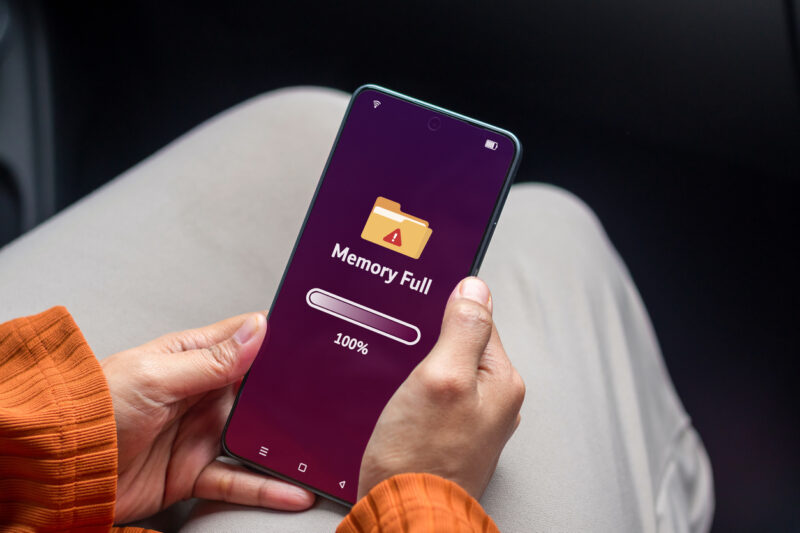
Most Android phones offer a range of storage capacities, but devices with more space often cost significantly more. As a result, many people opt for affordable models and quickly find themselves running short on storage—especially those who love taking lots of photos and videos.
Responding to these common headaches, Google has reportedly been developing a new feature for Google Photos. According to Android Authority, the company is testing an automatic backup system designed specifically to free up space on your smartphone—without the need to rely on cloud storage.
Not the Cloud—Your Computer Becomes the Backup
Currently, users tend to back up their files to Google Photos or Google Drive, then delete them from their devices while keeping them accessible online. But the free online storage Google offers is strictly limited. Once you exceed your quota, you must subscribe for more space.
This new feature takes a different approach: instead of uploading files to the cloud, your photos, videos, and other data would be automatically saved to your computer. This method doesn’t require a subscription, sidesteps online storage caps, and keeps your files physically with you. Early test versions, internally called “Automatic backup,” have allowed users to select which types of files—such as photos, videos, or audio—they want to back up from their Android phone. Importantly, deleting a file from your phone wouldn’t erase it from your backup computer, so your memories remain safe, even after you free up mobile space.
A Free, Offline Storage Solution
What stands out is the simplicity of the system: it’s completely free and doesn’t require an internet connection for the transfers. For anyone juggling limited phone storage or hesitant to pay for additional cloud capacity, this could be a welcome alternative to existing solutions.
It’s important to note, however, that Google has not officially announced this feature, nor provided a launch date. There’s currently no definitive word on when—or even if—it will be available for all Android users.
When Will It Launch?
Some have speculated it could arrive with Android 17, the next significant update, but that has not been confirmed. For now, users will have to wait for formal details. As always, stay tuned for the latest on this possible breakthrough in managing mobile storage.


a backup is not having 1 file stored in the same location. 🫣🫣🫣
I already do this with OneDrive, by running a script that moves files away from synced OneDrive storage to my NAS when the when the storage amount hits a threshold. Just ask ChatGPT to write the script for you.