



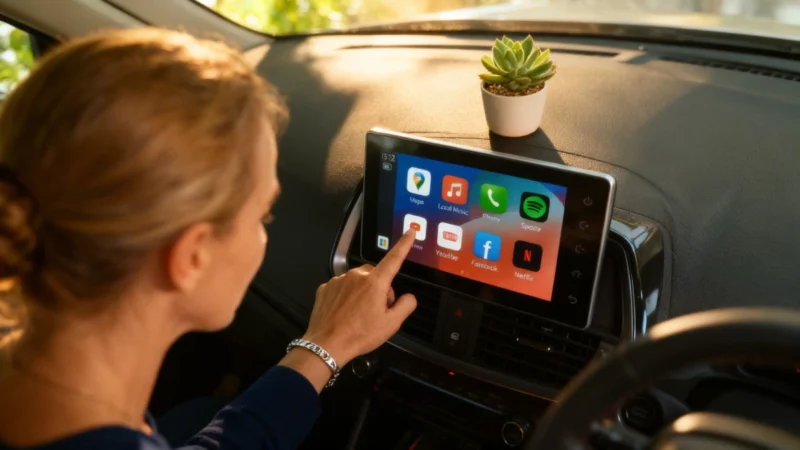
YouTube is finally making an appearance on Android Auto, but don't get carried away just yet. The buzz in the Android community is real, but the reality behind this feature might not quite live up to the hype the name “YouTube” inspires.
YouTube on Android Auto: Excitement Meets Limitation
As of last weekend, Android users noticed a new addition to their dashboards: YouTube now shows up in the media controls for Android Auto, following its recent update to version 16. Reports of the change appeared across many devices and app versions, quickly energizing online forums. But that visible “YouTube” app icon has a much narrower role than you might hope.
What Does This Update Actually Do?
Currently, YouTube appears in Android Auto's media bar alongside Spotify and YouTube Music. If you have a YouTube Premium subscription—either the standard Premium or at minimum the Premium Lite plan (which costs €7.99 per month, or about $8.50)—you can play, pause, or skip audio tracks. The audio streams through your car's speakers, but that's all. There are no images, no video, no thumbnails. The infotainment display stays on Android Auto's regular interface. You won't see any video; only the audio is available.
The layout puts YouTube controls in the lower right of the Android Auto interface, next to Google Maps and the weather widget. You'll hear the sound from a YouTube video, but the screen remains strictly video-free.
Essentially an Audio-Only Upgrade
This feature essentially extends YouTube's background playback—the function that lets you listen to a review or podcast while using another app on your phone. To use it, you must have a YouTube Premium or Premium Lite subscription. For most users, that means this is a paid feature.
Will In-Car Video Ever Be Available?
The idea of true video playback inside Android Auto has long stirred interest among tech enthusiasts. According to findings from a February 2026 teardown of Android Auto version 16.3, there's a specific internal marker for video apps (CradleFeatureallowvideoapps discovered in version v16.3.160744 beta). This flag suggests Google is still exploring options.
Some analysts believe 2026 could see a limited video mode rolled out—if it comes, it's likely to only work when the vehicle is stopped as a safeguard for road safety. For now, though, visuals remain off-limits. If you're a passenger frustrated by this restriction, third-party workarounds like CarStream or Android AI Box devices exist, but these are unofficial and not supported by Google. Use them at your own risk.