

The era of relying solely on massive living room televisions for high-fidelity entertainment is evolving rapidly. Tech enthusiasts are increasingly moving toward personal, wearable screens that fit in a pocket.
This technological shift has turned smart glasses into one of the most exciting categories in consumer electronics today. For users seeking a private theater experience, choosing the right hardware is essential.
The Evolution of Personal Displays
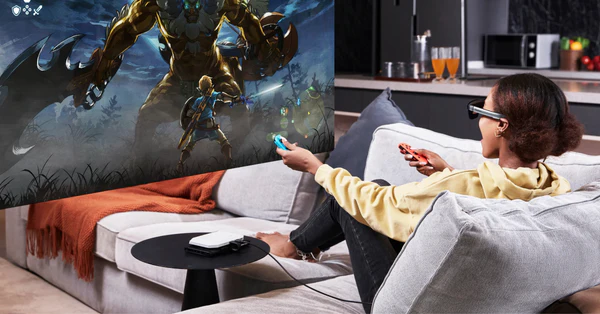
The concept of smart glasses has transitioned from clunky prototypes to sleek, high-performance wearables. Modern iterations prioritize visual fidelity, aiming to replicate the experience of sitting in a movie theater.
This new generation of smart glasses offers plug-and-play functionality with smartphones, consoles, and tablets. In this article, “smart glasses” refers to wearable display glasses that mirror a connected device via a wired video signal. However, not all displays are created equal. The market is currently divided between devices offering extra software features and those focusing purely on visual immersion.
While Viture Pro has made waves with specific lifestyle features, the RayNeo Air 4 Pro is carving a niche for purists. The RayNeo Air 4 Pro focuses heavily on the optical engine, catering to users who prioritize color accuracy above all else.
Tale of the Tape: Technical Specifications
Before analyzing the real-world performance of these smart glasses, we must look at the raw data. The following table breaks down the essential specifications that define the portable cinema experience for prospective buyers.
| Feature | RayNeo Air 4 Pro | Viture Pro |
| Display Panel | Dual 0.6-inch Micro-OLED (SeeYa) | Sony Micro-OLED |
| Resolution | 1920 x 1080 (Per Eye) | 1920 x 1080 (Per Eye) |
| Refresh Rate | 120Hz | 120Hz |
| Brightness | 1200 Nits (Perceived/Claimed) | 1000 Nits (Perceived/Claimed) |
| Color Gamut | 145% sRGB / 98% DCI-P3 (ΔE < 2, Claimed) | 108% sRGB (Claimed) |
| Audio | Four Speakers (Tuned by Bang & Olufsen, Claimed) | HARMAN-Tuned Audio (Claimed) |
| Weight | 76g | 77g |
This comparison highlights that while the underlying tech is similar, the tuning differs. The best 2026 AR Glasses RayNeo Air 4 Pro pushes for color accuracy and HDR-oriented image tuning, while Viture Pro emphasizes high brightness and light control.
Visual Performance and Immersion
The Importance of Color Accuracy
For a device to truly serve as a portable cinema, color reproduction must be flawless. The RayNeo Air 4 Pro utilizes advanced Micro-OLED panels that target wider gamut coverage and tighter calibration (claimed ΔE < 2) than many competitors.
When watching HDR content, the RayNeo Air 4 Pro delivers deeper blacks and more vibrant highlights. Actual HDR output can depend on whether your source device and app can send HDR/10-bit video over USB-C. This contrast is vital for cinematic immersion, distinguishing high-end smart glasses from cheaper alternatives.
Refresh Rates and Motion Clarity
Both devices support 120Hz refresh rates, which is crucial for gaming and fast-paced action movies. However, smooth motion requires a responsive pixel transition.
The RayNeo Air 4 Pro excels here, showing minimal ghosting during high-speed scenes. Whether you are gaming on a Steam Deck or watching an action film, the fluidity on the RayNeo Air 4 Pro is palpable.
Brightness in Real-World Usage
Brightness is not just about blinding white light; it is about maintaining clarity in ambient light. The RayNeo Air 4 Pro offers strong peak brightness capabilities, but perceived clarity also depends on how effectively you block ambient light.
While Viture utilizes electrochromic dimming to block light, the HDR tuning and calibration focus of the RayNeo Air 4 Pro smart glasses help keep highlights punchy without crushing shadow details. This makes the RayNeo Air 4 Pro highly versatile for various lighting conditions.
Ergonomics and Long-Term Comfort
Analyzing Weight Distribution
A portable cinema is useless if it becomes painful to wear after thirty minutes. The RayNeo Air 4 Pro features a carefully balanced weight distribution that reduces pressure on the nose bridge.
Users often report that the RayNeo Air 4 Pro can feel lighter than its specification sheet suggests. This balance is critical for “binge-watching” sessions where the smart glasses sit on your face for hours.
Thermal Management Efficiency
Electronics generate heat, and having a hot device against your temples is uncomfortable. The RayNeo Air 4 Pro employs efficient passive cooling structures that direct heat away from the skin.
Comparative tests are not always reported publicly, but the RayNeo Air 4 Pro is designed to stay comfortable during extended 120Hz operation. This thermal efficiency helps ensure the wearer remains focused on the movie, not the hardware temperature.
- Adjustable Nose Pads: Essential for aligning the optical sweet spot.
- Flexible Temple Arms: Accommodates various head widths without pinching.
- Skin-Safe Materials: Reduces irritation during long viewing sessions.
Ecosystem and Connectivity Options
Plug-and-Play Simplicity
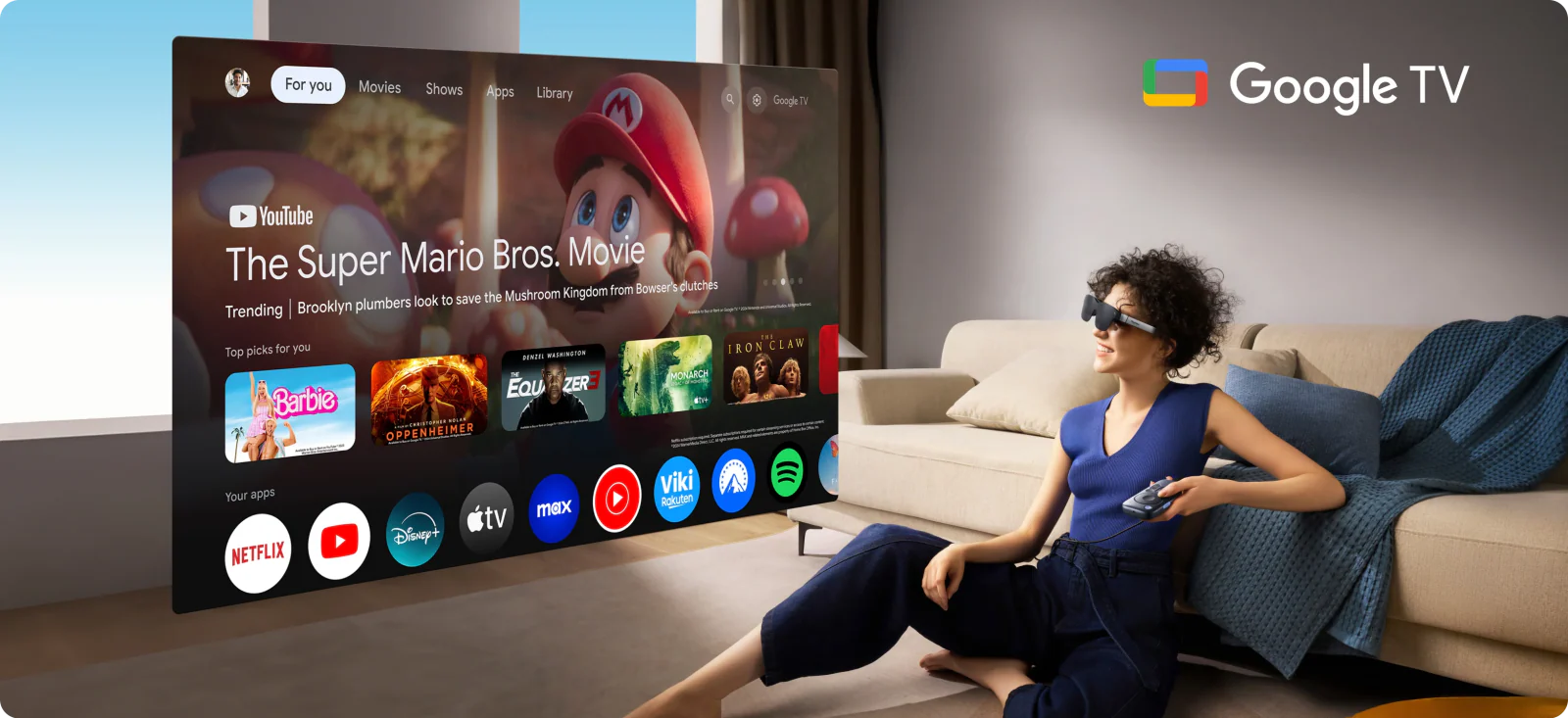
The primary appeal of modern smart glasses is their ability to mirror screens instantly. The RayNeo Air 4 Pro supports USB-C DisplayPort Alt Mode natively, working seamlessly with the iPhone 15/16 series and most Android flagships.
This wired connection eliminates latency, which is a significant advantage over wireless casting solutions. The RayNeo Air 4 Pro acts as an immediate monitor extension for productivity or entertainment.
Audio Performance and Privacy
Sound is half the cinematic equation. The RayNeo Air 4 Pro utilizes directional speaker design and leakage-reduction tuning to keep audio private.
While Viture partners with Harman, the RayNeo Air 4 Pro focuses on directional audio clarity. This ensures dialogue is crisp without leaking sound to the person sitting next to you on a plane.
Determining the Best Value
The Price-to-Performance Ratio
When investing in smart glasses, longevity and optical quality are paramount. The RayNeo Air 4 Pro positions itself as a premium visual tool rather than a gadget filled with gimmicks.
For users who already own capable source devices like high-end smartphones, the RayNeo Air 4 Pro offers a direct upgrade to their viewing experience without unnecessary software dependency.
Who Should Buy What?
If you require built-in myopia adjustments specifically, Viture remains a strong contender in the market. However, for pure visual fidelity, the RayNeo Air 4 Pro is difficult to beat.
- Choose Viture Pro: If you need electrochromic dimming and built-in diopters (commonly listed up to -5.0D).
- Choose RayNeo Air 4 Pro: If you prioritize calibration-focused color accuracy, HDR, and comfort.
- Consider Budget: The RayNeo Air 4 Pro often provides better optical specs per dollar for users who value color and tuning over maximum brightness.
Final Verdict for Cinephiles
The battle for the best portable cinema solution is fierce, but the RayNeo Air 4 Pro stands out for its commitment to image quality. By focusing on the fundamentals of OLED performance, brightness, and color science, it delivers a high-end viewing experience.
While smart glasses are evolving, the RayNeo Air 4 Pro feels like a mature product ready for daily use. For travellers, gamers, and movie lovers, the RayNeo Air 4 Pro represents one of the strongest options in wearable display technology today.
Ultimately, if your goal is to have the best possible screen in the smallest possible form factor, the RayNeo Air 4 Pro is the smart choice. It successfully bridges the gap between novelty and utility, solidifying the place of smart glasses in the mainstream market.