




In Arkansas, sports are not hobbies that can be put away for the season. It seeps into conversations at diners, family group texts, and the quiet hours on porches after a loss. In a state without a major professional franchise, the players who wear Arkansas across their chest, or who leave from small towns to conquer bigger stages, become real heroes.
The Razorback Identity: A State Behind One Program
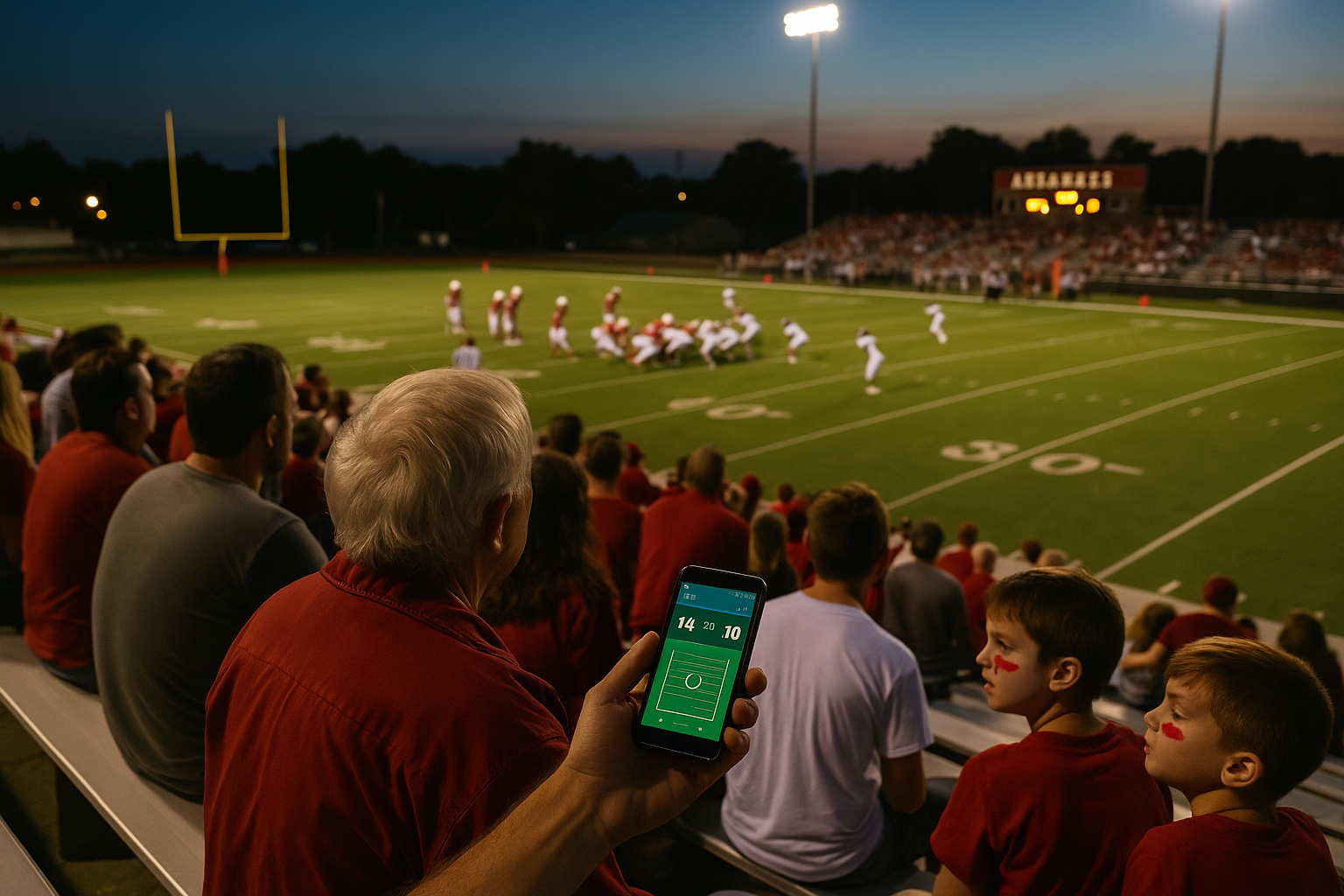
The University of Arkansas is unusual in the Southeastern Conference. It represents a state with no major professional sports teams, and so the Razorback logo carries a weight that would be spread across multiple clubs elsewhere. When the football team runs out in Fayetteville, or when Bud Walton Arena fills for basketball, it can feel as if the whole state has squeezed into one bowl of light and noise.
On the long drives to those games, some supporters juggle radio calls, social feeds, and odds on melbet as they talk themselves into believing this might finally be the year everything clicks. Some fans keep one eye on the field and another on their screens, following scores, recruiting updates, and odds while exchanging predictions about whether the balance shifts this year. That sharpens the anticipation, making a regional game feel closer to a final.
But to understand the state’s sporting identity, we need to delve into history. Coaches like Frank Broyles and Nolan Richardson helped drag Arkansas into the centre of national conversations, delivering a football national championship in 1964 and a men’s basketball title in 1994. Their players became household names not just because of trophies, but because they seemed to carry the hopes of towns from Texarkana to Jonesboro in every snap and possession.
Legends Who Put Arkansas on the Map
Certain figures stand out as markers along the state’s sporting timeline. In basketball, Sidney Moncrief, part of the famed “Triplets” with Marvin Delph and Ron Brewer in the late 1970s, helped resurrect Razorback hoops, leading Arkansas to Southwest Conference titles and a 1978 Final Four appearance. His jersey now hangs in Bud Walton Arena, and he is enshrined in the Naismith Memorial Basketball Hall of Fame, proof that a guard from Little Rock could leave footprints across the college and professional game.
From the small town of Hamburg came Scottie Pippen, who grew from an unheralded prospect at the University of Central Arkansas into a six‑time NBA champion with the Chicago Bulls and a Hall of Famer in his own right. His story – from rural Arkansas to a central role in a global basketball dynasty – still offers young players in the state a model of what patience and development can become.
On the football side, Darren McFadden electrified Fayetteville and the wider country in the mid‑2000s, twice finishing as a Heisman Trophy finalist and becoming the first Razorback to win the Doak Walker Award as the nation’s top running back. His blend of speed and power in the “Wildhog” formation gave Arkansas fans a sense that the whole sport was tilting, even if only for a few autumns.
Baseball has its own line of local myth. Benton native Cliff Lee went from Arkansas Razorback to Major League Baseball, winning the American League Cy Young Award in 2008 and appearing in multiple All‑Star Games. From Pine Bluff, Torii Hunter became one of MLB’s most respected outfielders, a five‑time All‑Star and nine‑time Gold Glove winner. Their careers did not replace the Razorbacks in the state’s imagination, but they expanded the map, proving that Arkansas talent could anchor teams from Cleveland to Anaheim.
From Bleachers to Screens: Games Inside the Game
As younger Arkansans grow up in a digital world, the competitive spirit that once belonged solely to the field finds new outlets. Console sports games and online leagues let friends in Fayetteville, Fort Smith, and Helena compete late into the night, running fictional seasons that mirror and twist the real SEC schedule. Fantasy sports, prediction contests, and friendly wagers in group chats add small personal stakes to every Saturday.
In that environment, fans become connoisseurs of tension. They talk not only about fourth‑quarter comebacks but also about an aviator game that lives on their phones, where a small plane and a rising multiplier climb across the screen until someone decides it is time to bail out. The mechanics are simple – hold on too long and the round ends suddenly – but the feeling is recognisable to anyone who has watched a narrow lead vanish in the final minutes of a rivalry game.
Why These Stories Still Matter
The legends of Arkansas sport, from Moncrief and Pippen to McFadden, Lee, and Hunter, are not just decorations for a record book. They are reference points in thousands of personal stories: where someone was when a particular shot fell, how a family crowded around a radio for a bowl game, what it meant to see a local surname on the back of a major‑league jersey.
In a small state with outsized passion, those stories help define what community means. They sustain pride through losing seasons and tie distant towns together under one banner. And as the culture of competition extends from fields and courts into digital spaces, the old lessons remain. Rivalries can be fierce without turning cruel, games can be thrilling without consuming their players, and the truest victories still have more to do with identity and belonging than with the numbers on a scoreboard.

