


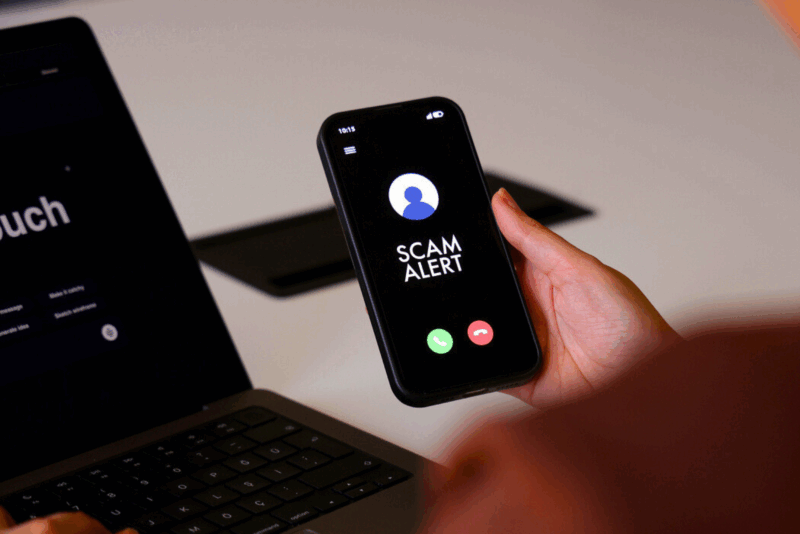
Artificial intelligence has made life a lot more efficient—from dictating emails to recording meetings on the fly. But in the race to be helpful, some apps may have crossed a serious line. A new wave of AI-powered tools is quietly listening, recording, and storing conversations—and many of us might not even know it’s happening.
Welcome to the unsettling future of invisible eavesdropping.
Not just smart, but always listening
We’re used to virtual assistants chiming in when we say “Hey Siri” or “OK Google.” But new apps go far beyond that. Tools like Granola, an AI note-taking app that runs on iPhones, iPads, Macs, and Windows devices, can record audio continuously, transcribe it in real time, and file it away—without any obvious indicator that it's active.
There’s no blinking light. No beep. No popup. If you’re near someone running Granola, there’s no clear way to know you’re being recorded. The app is marketed as a productivity tool, helping users log meetings or conversations. But critics argue it’s turning ordinary phones into stealth surveillance devices.
And Granola isn’t alone. Other apps, including AI-enhanced wearables like smart glasses or pendants, are part of a growing trend where privacy takes a backseat to convenience.
The grey zone of consent
Here’s where things get murky. The legality of these always-on recorders isn’t crystal clear. They don’t fall under traditional definitions of recording hardware, making it difficult to say whether wiretapping laws apply.
In the United States, recording consent laws differ by state. Some require only one party’s agreement, while others demand two-party consent, meaning everyone involved must know the recording is taking place. This patchwork of legislation creates a grey zone where companies can deflect responsibility onto users.
Granola, for example, explicitly states that it’s up to users to check their local laws before using the app. In other words, if someone records you without your knowledge, it’s not their fault—it’s yours for not knowing.
Are companies doing enough?
Legalities aside, there’s growing pressure on tech companies to rethink how they approach user privacy. Should apps like these come with mandatory visual signals, like a blinking light or on-screen icon? Should there be stricter onboarding that educates users about the risks of passive recording?
So far, regulation hasn’t caught up with the technology. And while some devices—like Meta’s Ray-Ban smart glasses—include visible indicators when recording, most transcription apps operate in complete silence. That silence, privacy experts warn, is exactly the problem.
A debate that's far from over
Whether you see these tools as helpful assistants or privacy nightmares likely depends on which side of the mic you’re on. If you're the one transcribing a meeting, it's genius. If you're the person being recorded unknowingly? Not so much. As AI continues to embed itself in our daily lives, the debate over consent, transparency, and data use is only just heating up. For now, one thing’s clear: if you're having a private conversation in public, assume someone—or something—is listening.