




Netflix revived a sci-fi classic with “Lost in Space,” creating waves among viewers worldwide. The series, which reimagined the 1960s TV show and followed a failed 1998 film adaptation, ran for three seasons before concluding in 2021. Despite ambitious production values and a family-friendly approach, the show sparked intense debate among audiences and critics alike.
When Netflix announced its reboot of the beloved 1960s science fiction series “Lost in Space,” expectations were immediately set high. The streaming giant had already established itself as a powerhouse for original content, and taking on this classic property represented a significant challenge. The Robinson family's interstellar misadventures had previously leaped to the big screen in 1998 with disastrous results, making Netflix's decision to revisit the property a particularly bold move in the competitive streaming landscape.
From cinematic failure to streaming revival
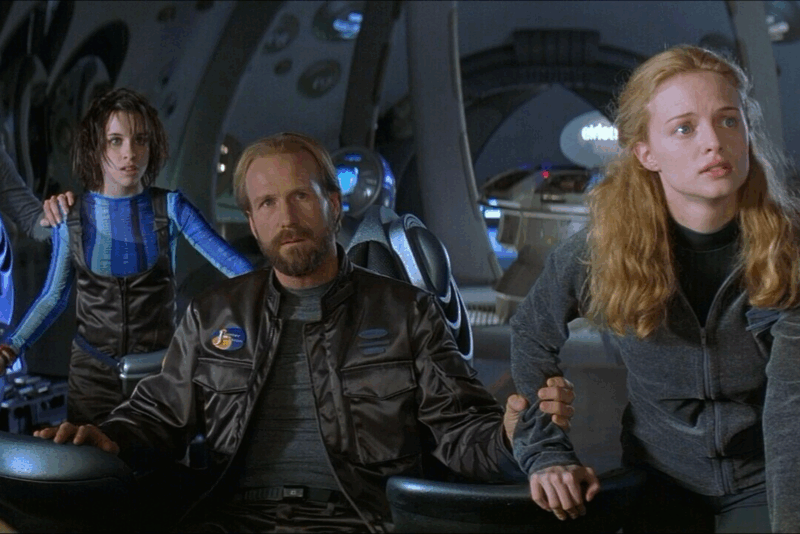
Long before Netflix's adaptation, the “Lost in Space” franchise experienced a remarkable moment in cinema history. In April 1998, the film adaptation directed by Stephen Hopkins achieved something extraordinary – it briefly dethroned James Cameron's “Titanic” at the American box office after the latter's unprecedented 15-week reign. With an impressive opening weekend haul of over $20 million, the sci-fi adventure temporarily outperformed the maritime disaster epic by nearly $10 million.
However, this victory proved remarkably short-lived. Plagued by scathing reviews and rapidly diminishing audience interest, the film starring Gary Oldman, Matt LeBlanc, and Heather Graham quickly sank at the box office. Despite its substantial $80 million budget and recognizable cast, the movie ultimately collected just $136 million worldwide, representing a significant financial disappointment for New Line Cinema and effectively killing hopes for a planned franchise.
Two decades later, Netflix saw potential where the film had failed. Launching in 2018, the streaming service's reimagined version of “Lost in Space” adopted a serialized format that allowed for deeper character development and more expansive world-building than a two-hour film could provide. This strategic decision gave the narrative room to breathe and evolve across its three-season run, concluding in 2021 with a planned ending rather than an abrupt cancellation.
Modernizing a classic formula for contemporary audiences
Netflix's adaptation made several significant departures from both the campy 1960s original series and the 1998 unsuccessful film. Perhaps most notably, the character of Dr. Smith underwent a complete transformation, with Parker Posey delivering a complex, morally ambiguous performance that divided viewers. This gender-swapped version of the iconic villain represented just one of many updates designed to bring the series into the 21st century.
The production values represented another significant evolution. Featuring cutting-edge visual effects and impressive location shooting in British Columbia, the Netflix series established a distinctly premium aesthetic that distanced it from the cardboard sets and practical effects of the original show. The Robot character also received a dramatic redesign, transformed from the iconic “Danger, Will Robinson!” companion into a mysterious alien entity with an evolving relationship to the Robinson family.
Family dynamics remained central to the storytelling, albeit with a modern sensibility. The 2018 version portrayed the Robinsons as a family with realistic tensions and conflicts rather than the idealized nuclear family of the 1960s. Maureen Robinson, played by Molly Parker, emerged as a brilliant engineer and co-leader alongside John Robinson (Toby Stephens), creating a more balanced parental partnership than previous iterations had shown.
Polarizing reception among critics and fans
Despite Netflix's substantial investment and thoughtful modernization, the series generated remarkably divided opinions among both professional critics and everyday viewers. Many praised the show's impressive visuals, family-friendly tone, and engaging performances, particularly from the younger cast members. The first season currently holds a respectable 68% approval rating on Rotten Tomatoes, with subsequent seasons maintaining similar scores.
However, detractors found numerous aspects to criticize. Some longtime fans of the original series lamented the loss of camp humor and lighthearted adventure that characterized the 1960s show. Others felt the pacing dragged, particularly in the middle episodes of each season, and that the writing occasionally prioritized visual spectacle over coherent storytelling. The Robot's redesign proved especially controversial, with traditionalists missing the iconic bubble-headed design of the original.
The show's middle-of-the-road reception may explain why it never achieved the cultural impact of Netflix's biggest hits like “Stranger Things” or “The Witcher.” While it maintained a dedicated audience through its three-season run, “Lost in Space” never quite captured the zeitgeist despite its recognizable IP and substantial production budget. This divided reception reflects the challenges inherent in reimagining beloved properties for contemporary audiences.
Legacy of a reimagined space adventure
Twenty-five years after the failed film adaptation, Netflix's “Lost in Space” stands as a fascinating case study in how streaming platforms can revive dormant franchises. Unlike the 1998 movie that briefly outperformed “Titanic” before quickly fading from public consciousness, the Netflix series managed to sustain interest across multiple seasons and deliver a complete narrative arc with a satisfying conclusion for its dedicated fanbase.
The show's legacy ultimately rests in its demonstration that family-friendly science fiction can thrive in the streaming era. By avoiding both the excessive darkness of many contemporary sci-fi productions and the excessive campiness of the original series, Netflix carved out a middle ground that, while not universally beloved, successfully introduced the Robinson family to a new generation of viewers.
As streaming services continue searching for recognizable IP to adapt, the mixed but ultimately sustainable reception of “Lost in Space” provides valuable lessons about the delicate balance between honoring source material and creating something fresh for modern audiences. The debate over its merits continues among fans today, ensuring that this particular space adventure, unlike its theatrical predecessor, won't be lost to history.

