



Black Mirror’s “Common People” is a work of fiction that doesn't feel fictitious. A woman’s survival depends on a subscription, and as the cost rises, the quality drops. Her husband is forced into desperate corners to keep her alive.
It may or may not sound familiar, but we live in times when we are merely renting our lives. We stream our music, lease our health data, struggle for privacy, and pay monthly dues to stay connected. The episode merely strips away the glossy appearance and shows us the raw truth. A meter’s always running over our heads. It begs the question of how free we really are.
What is Netflix's Common People about?
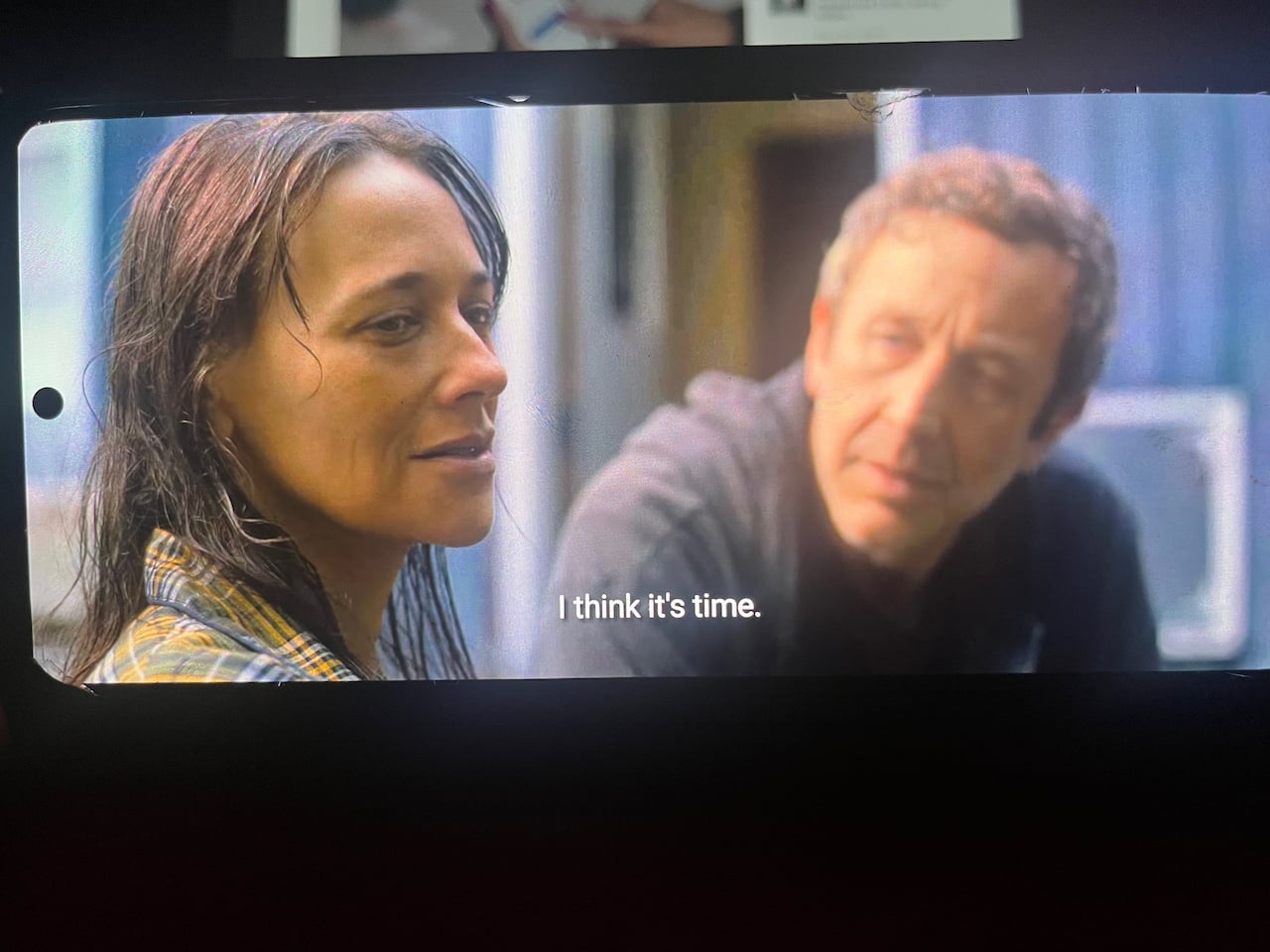
Mike and Amanda were just your average couple trying to have a baby when capitalism came knocking. Amanda, played by Rashida Jones, collapses and gets diagnosed with a brain tumor while teaching.
It didn't take long for Rivermind Technologies, represented by Tracee Ellis Ross, to swoop in to the rescue with a solution. They offer to replace part of her brain with synthetic tissue that runs on their servers. The surgery is free, but now Amanda has to pay a monthly to keep her consciousness.
Of course, there are caveats they don't tell her about until her basic plan starts glitching. Amanda then needs to be bumped to the Plus tier to stop it. There's also the fact that she can't travel too far from town or she'll shut down. But on the bright side, she gets to sleep for long, courtesy of Rivermind throttling her cognitive processing and energy cycles to conserve server resources.

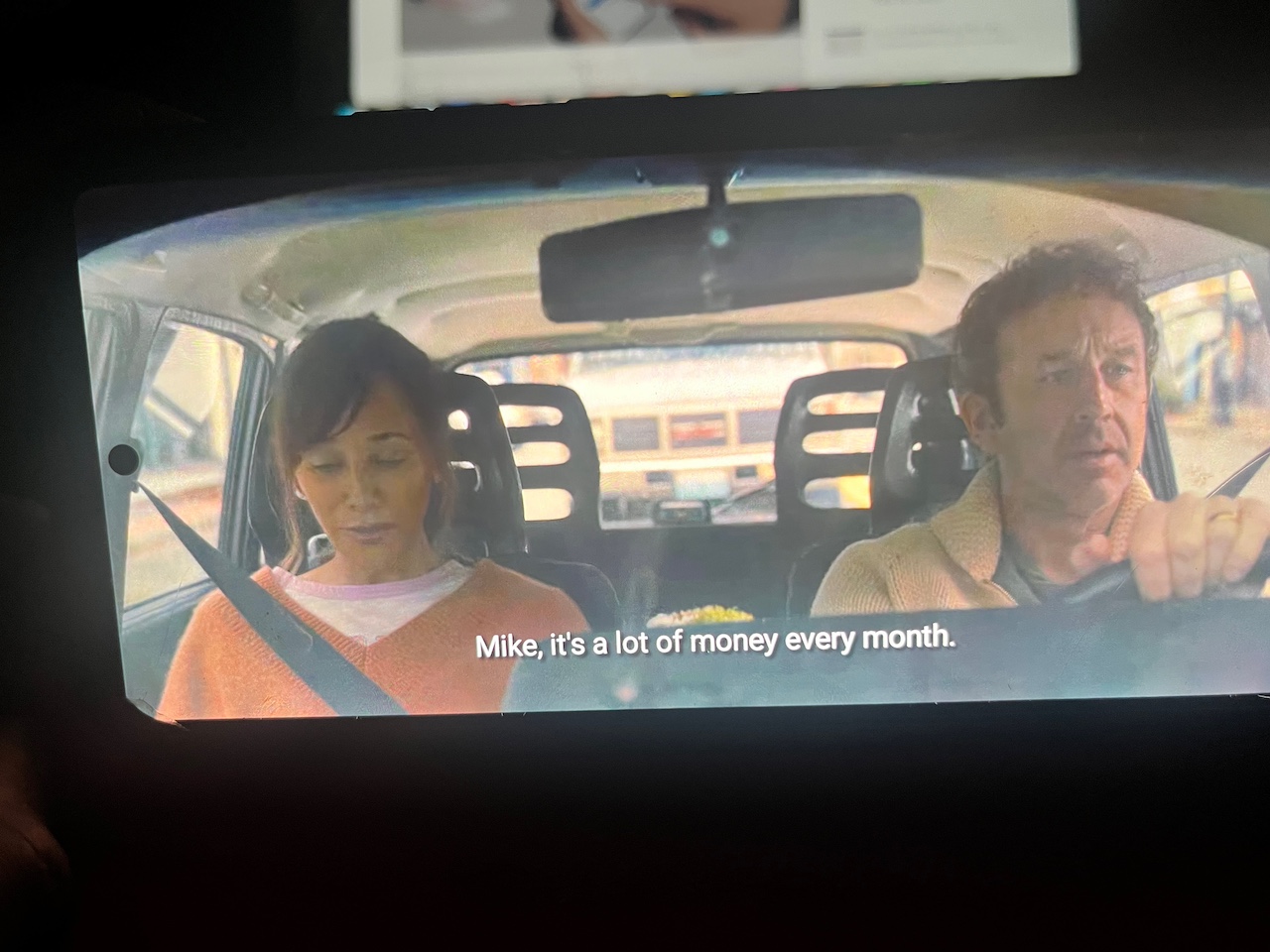
To cover the upgrade costs, Mike (Chris O'Dowd) starts performing on Dum Dummies in secret. It's a live streaming platform for creeps who like to watch people degrade themselves for credits. Anyway, he eventually scrounges enough for the new plan. Thus, unlocking smoother speech, wider travel coverage, and better emotional regulation through an app.
But the evil corporation providing these services eventually increases pricing and kickstarts a vicious cycle. Mike’s double life eventually gets exposed at work, so he loses his job. During that period, Rivermind kindly informs them that having a baby will cost extra.
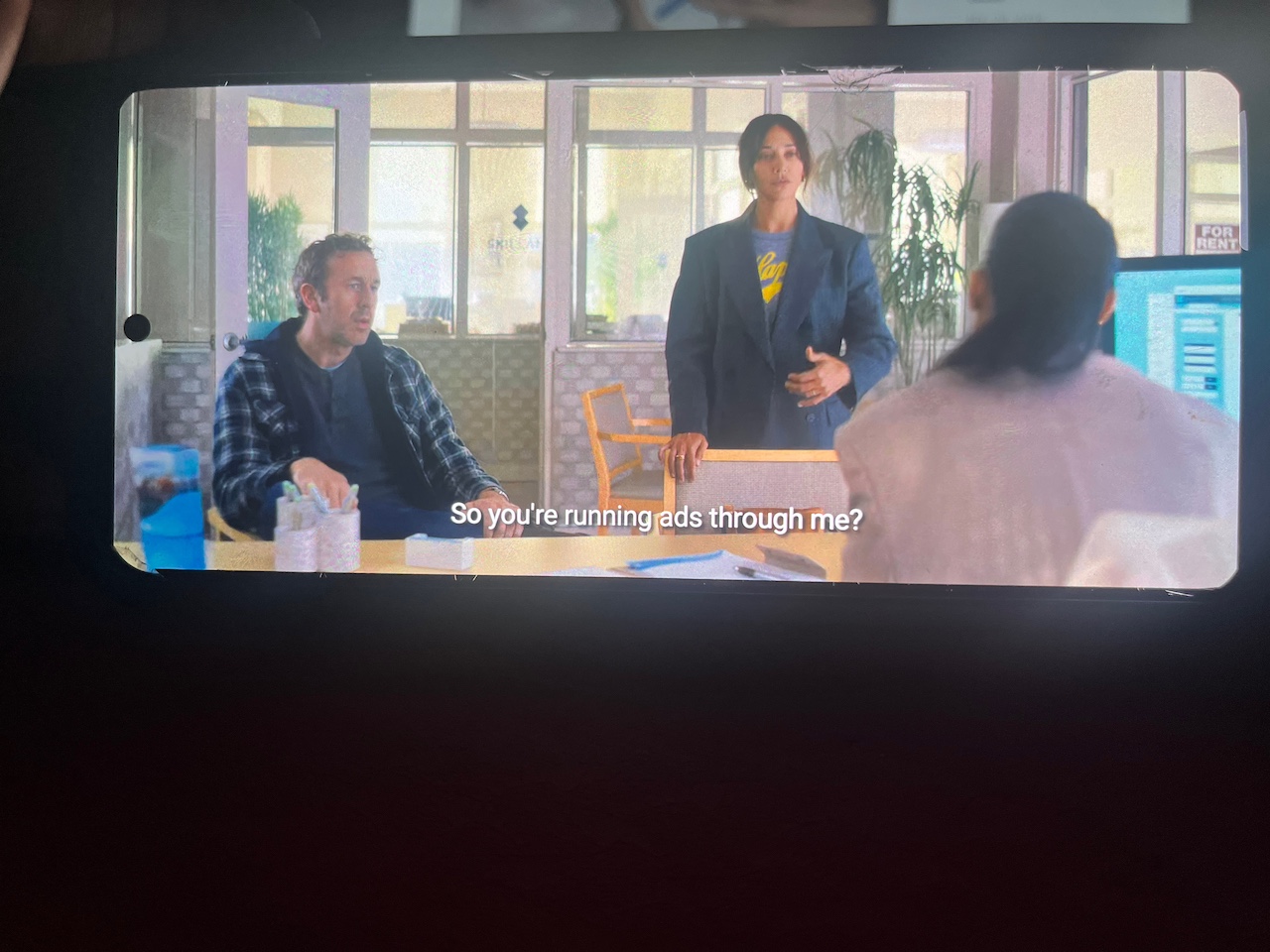
Fast forward a year, Amanda is now running on the cheapest plan and spitting out advertisements randomly. In one last grasp for dignity, Mike buys a 30-minute Lux pass so Amanda can be lucid enough to ask him to end her life.
He does, suffocating her as another one of her cheery ads begins. Mike then walks into the next room, where Dum Dummies is still live on his laptop and he’s holding a box cutter he once used to hurt himself live. It's made obvious that his grief doesn’t pause the subscription cycle, even as he's exhausted every respectable option.
Congrats, you’ve just unlocked basic survival
“Common People” in classic Black Mirror fashion, forces us to stare into the polished black mirror of our own reality and blink. At its core, the episode is an allegory for the commodification of existence. The woman’s life being tied to a subscription is absurd on the surface, yet eerily close to real-world systems.
That aside, the episode mirrors what many families face today in medical bankruptcy. In the United States alone, two-thirds of all bankruptcies are linked to medical debt. This statistic is from 2019. Unfortunately, it hasn’t exactly aged out of relevance. That means millions of families each year are pushed to financial ruin because they got sick or injured. How irresponsible of them.
Many people with insurance still go bankrupt because co-pays and deductibles quickly add up. Another not-too-old Harvard study found that most of these people had insurance at the time of their illness, but it simply wasn’t enough.
This is Mary’s story in real life where people make impossible choices between chemo and rent, surgery and groceries, insulin and heating. The subscription may not be called that, but it exists.
Many major tech companies have found their way deep into medicine through your phone and wearables. They offer convenience, but also create tiered access to health. Those who can pay get powerful tools. Those who can’t are downgraded.
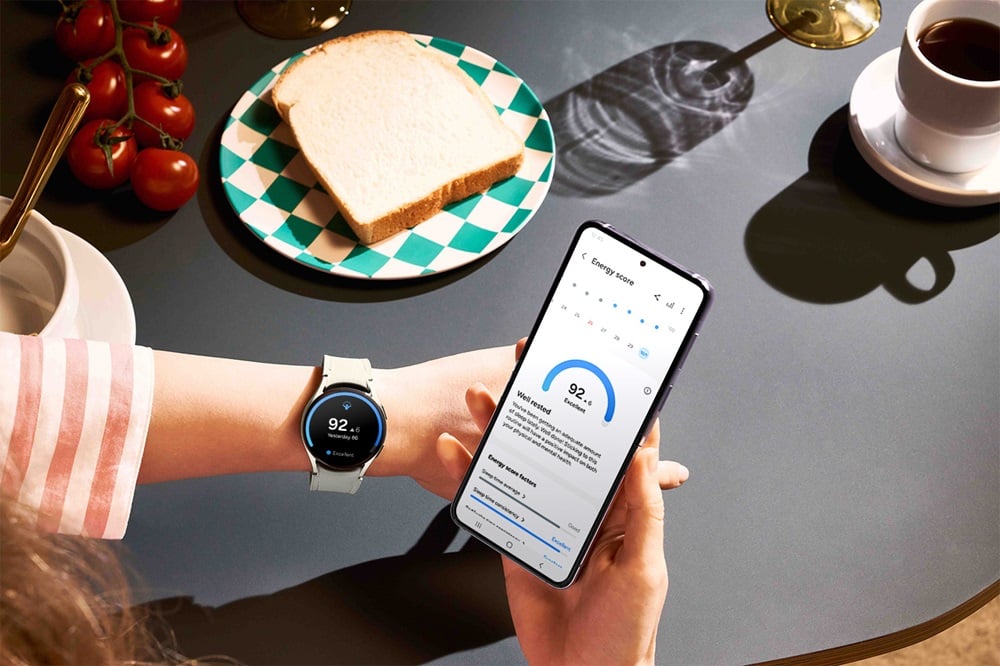
One example of brands that find recurring revenue irresistible is Garmin. Until recently, the fitness and GPS gadget maker used to represent one of the last refuges from the membership model taking over the wearables space. You paid once for a fitness device and got lifetime access to its best features. But with this year’s launch of Connect+, even they have crossed over to the subscription model.
The risk, of course, is estranging a loyal community that chose Garmin specifically because it wasn’t Apple, Fitbit, or Samsung in this regard. Speaking of, it's too easy to drag Google through this mud. It’s no secret how deeply corporate their DNA runs, and how comfortably they trade on personal data.
Subscription culture is rewriting our relationship with health
Everything we've seen so far echoes Philosopher Karl Marx’s concept of alienation, particularly the alienation from one's own body and time. Access to life and health is no longer a right but a product, and we've become estranged from our autonomy.
It also channels Michel Foucault’s idea of biopower, where states and corporations regulate life through invisible control mechanisms. Survival is datafied, and nowhere is this more insidious than in the systems we welcome into our homes.
So what can we do? For one, we stay vigilant about the choices we make and the systems we normalize. Convenience is heavily seductive and that’s exactly what makes it dangerous. I know this first-hand. I’m as deep into Google’s ecosystem as anyone. Recently, out of curiosity, I went through my own Activity history. The sheer amount of detail they’ve quietly collected about my daily life is… unsettling. But once you’re locked in, it’s not so easy to untangle yourself.
That brings me to our part in all of it. The more we accept that health must be mediated by a subscription or an algorithm, the harder it is to push back when the walls close in. That doesn’t mean rejecting every innovation. Who doesn't love the idea of progression? But it does mean asking tougher questions before we buy in.
Practically speaking, it starts small. With slowing down to make those automatic “Agree” clicks. We should read exactly what we’re signing away. We should also support companies that resist these trends, or at least be vocal when the greedy ones cross lines. The less normal we treat these things, the more room we create to demand better.
Common People is now streaming on Netflix as part of the latest season of Black Mirror. Catch all the interesting episodes in Season 7 on the mobile app for Android and iOS.