




It's almost 18 months since T-Mobile and SpaceX first announced a partnership that would add satellite coverage to the carrier's network but we finally have a tangible sign that it's a work in progress. The first six Starlink satellites to support Direct to Cell technology were launched by SpaceX last night which will help with rural mobile connections and eliminate dead zones.
Texting Major Tom…
The six new low-earth satellites will, once the service has completed field tests, help to reduce mobile signal dead zones such as in remote, rural areas and even on the ocean. Don't expect to see mega 5G transfer speeds with the Direct to Cell service, it's meant to be a rudimentary service for those with no service to start with. For the time being, only text messages will be supported although T-Mobile has confirmed that voice and data services will be added at some point in the future.
Once active, you'll be able to access your mobile network with the cellphone in your pocket so long as it supports 4G/LTE. As such, it's beginning to make sense why Qualcomm quit developing its proprietary satellite to mobile technology because it wouldn't have been financially feasible to compete with the SpaceX solution.
“Our mission is to be the best in the world at connecting customers to their world and today is another step forward in keeping our customers connected even in the most remote locations for added peace of mind when they need it most,” said Mike Katz, President of Marketing, Strategy and Products, T-Mobile. “Today’s launch is a pivotal moment for this groundbreaking alliance with SpaceX and our global partners around the world, as we work to make dead zones a thing of the past.”
Global Reach

As you may have guessed, SpaceX is partnered with T-Mobile in the US to cover the following areas:
- Mainland US
- Hawaii
- Parts of Alaska
- Puerto Rico
- US Territorial Waters
Other carriers from the rest of the world have also signed up to partner with SpaceX on the Direct to Cell program, with the company saying it invites any “carrier with the shared goal of global connectivity to join”. The current partners include the following carriers:
- T-MOBILE (USA)
- OPTUS (AUSTRALIA)
- ROGERS (CANADA)
- ONE NZ (NEW ZEALAND)
- KDDI (JAPAN)
- SALT (SWITZERLAND)
- ENTEL (CHILE)
How It Works
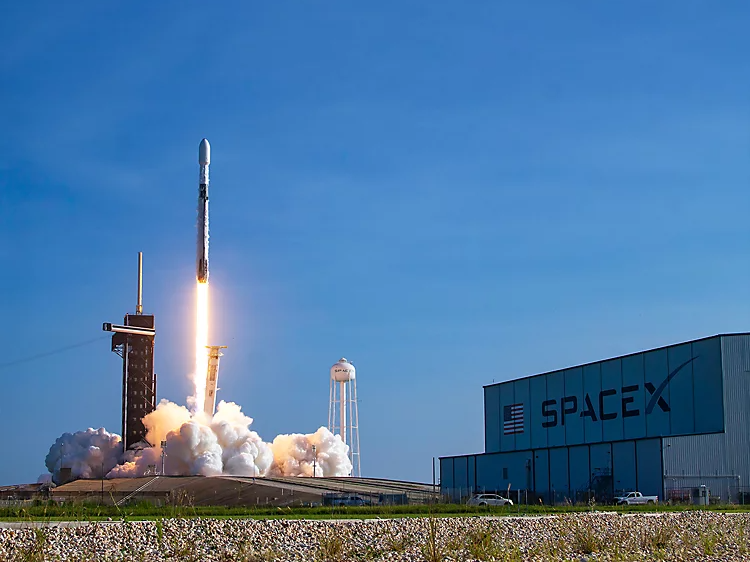
So you don't need a specially equipped smartphone but how does the signal reach your handset when you are in an area with little to no signal? The Satellite acts as the missing link in the process of accessing your mobile network. The mobile signal from your chosen carrier goes up to the satellite via Starlink's ground station, bouncing off to its sister satellites that are also in low-earth orbit.
Providing that you are in an area covered by a Direct to Cell satellite, your phone will connect to the signal sent down from the satellite and you'll be able to send your text as normal. Starlink describes it as similar to a standard roaming partner, but in space instead of the country you are visiting.
The TimeFrame
According to Starlink's timeline, it plans to add voice and data services plus IOT devices starting in 2025. In the meantime, more Direct to Cell satellites will be launched to cover more remote areas around the world.
When the service is fully operational, it could mean far fewer people getting lost in the wilderness or at sea with no way of getting help. Or just as importantly, it could let you receive a text from your folks living way out in the sticks.


