




Having already launched in China running on the Snapdragon Wear 2500 chip and OPPO's own watch OS, the OPPO Watch is finally official in the west, with the 41mm version going on sale in September and the higher-specced 46mm variant with LTE during October. Both models are powered by the Snapdragon 3100 chipset and feature a square design that has taken some amount of inspiration from the best-selling Apple Watch.
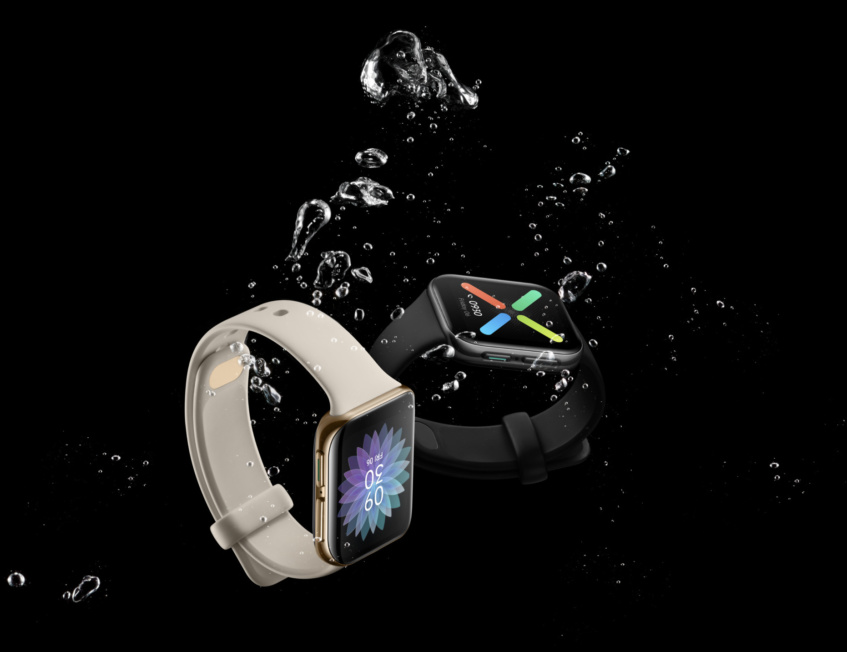
The OPPO Watch boasts an extremely stylish design, and even if the Apple Watch was a source of inspiration, in a sea of round-faced Wear OS smartwatches the OPPO Watch is pretty much unique with its square aesthetics.

Available in two sizes, the 46mm model is the fuller-featured model with LTE connectivity (e-SIM) that lets you make and receive calls, send texts, and stream music on the move without needing your smartphone's internet connection.
Besides the Snapdragon Wear 3100 chipset, the OPPO Watch has 1GB of RAM, 8GB storage, built-in GPS, heart-rate monitor, and NFC. OPPO claims a 30-hour battery life, and VOOC Flash Charge is present to give the Watch enough juice for 16-hours usage in just 15-minutes charging time.
The 46mm Watch has a big 1.91-inch AMOLED display with dual-curves, a ceramic back, and is water-resistant to 50 meters. The 41mm variant has a 1.6-inch AMOLED display with dual curves, a composite back, and water-resistance to 30 meters.

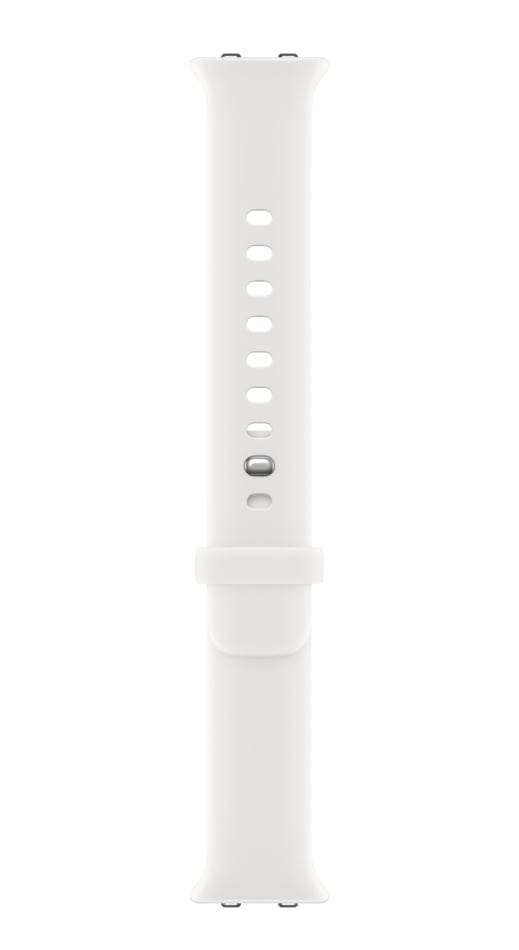
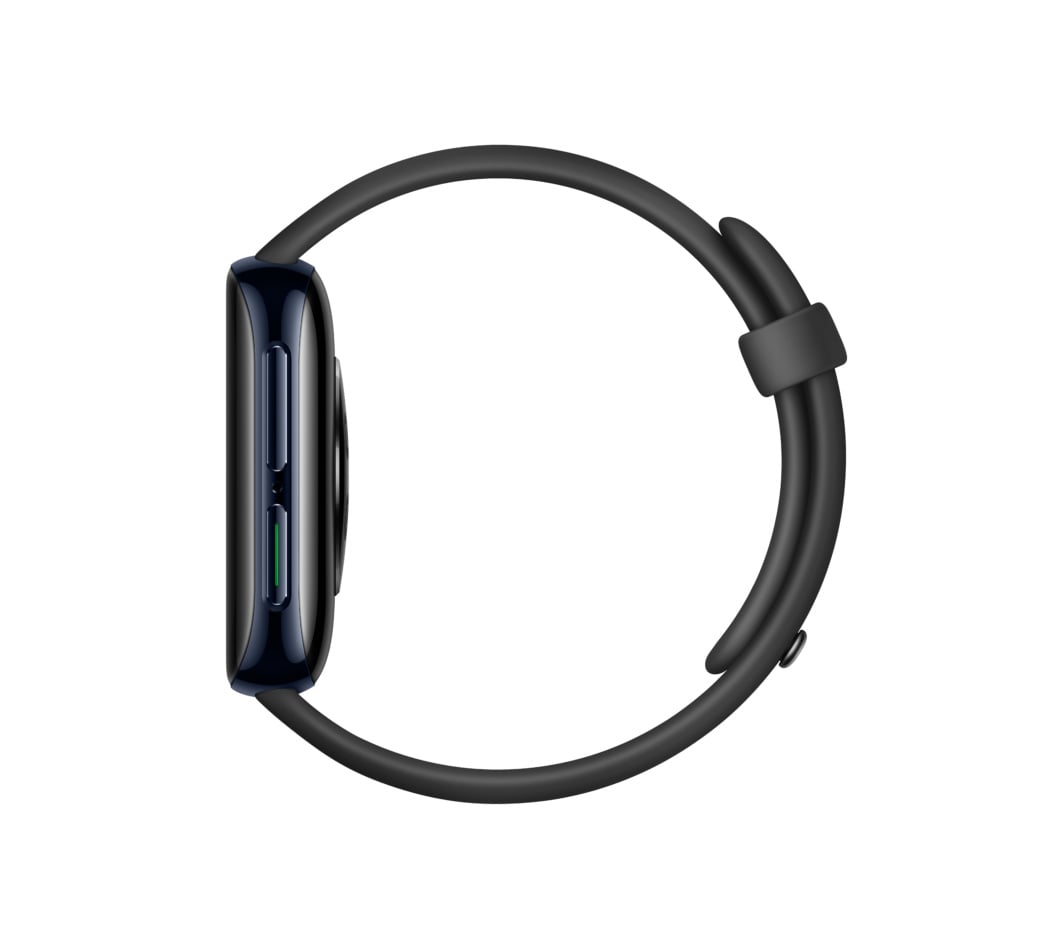
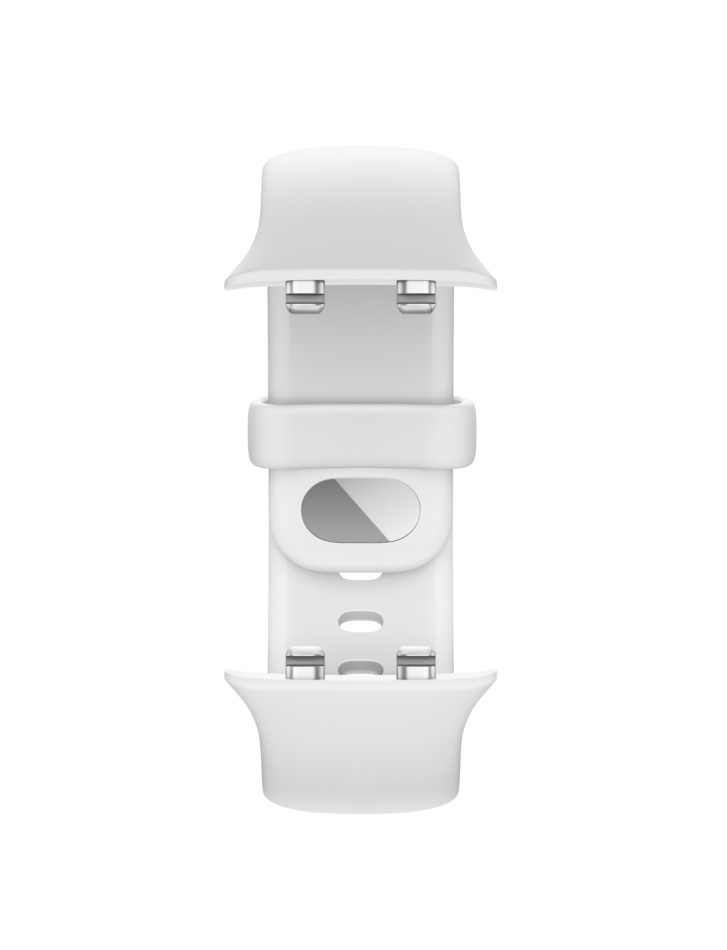
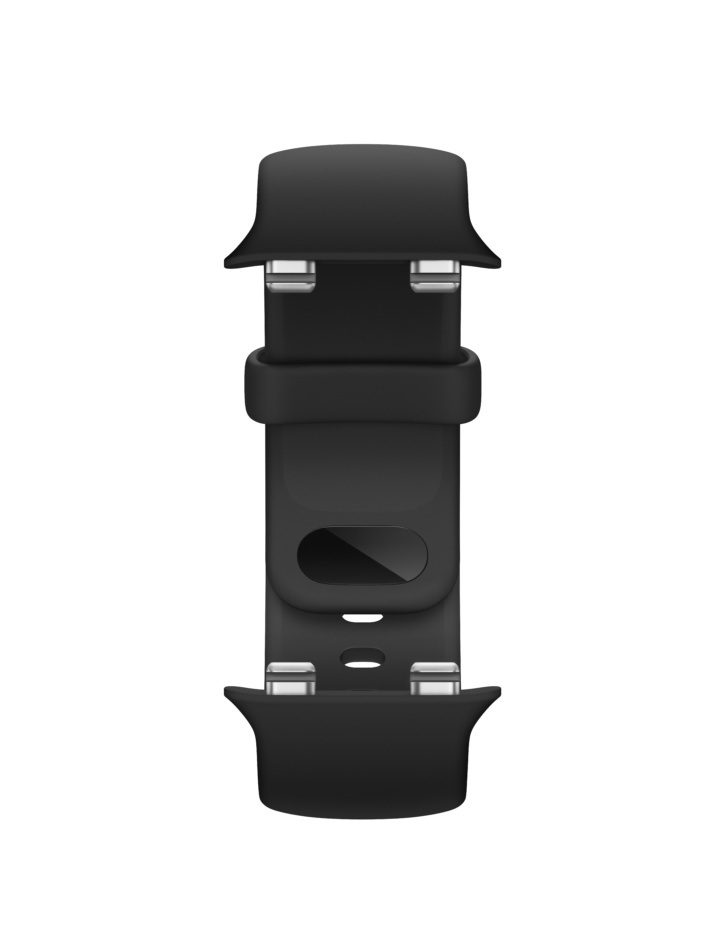
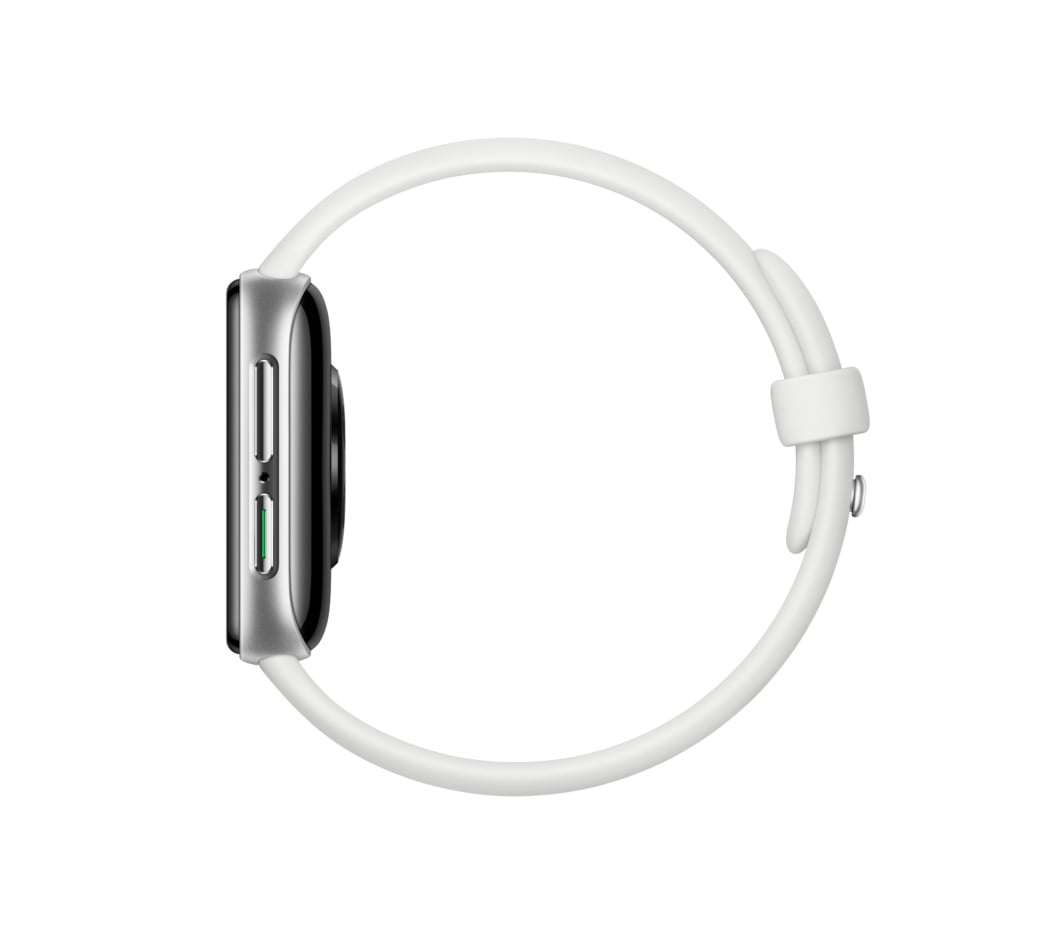
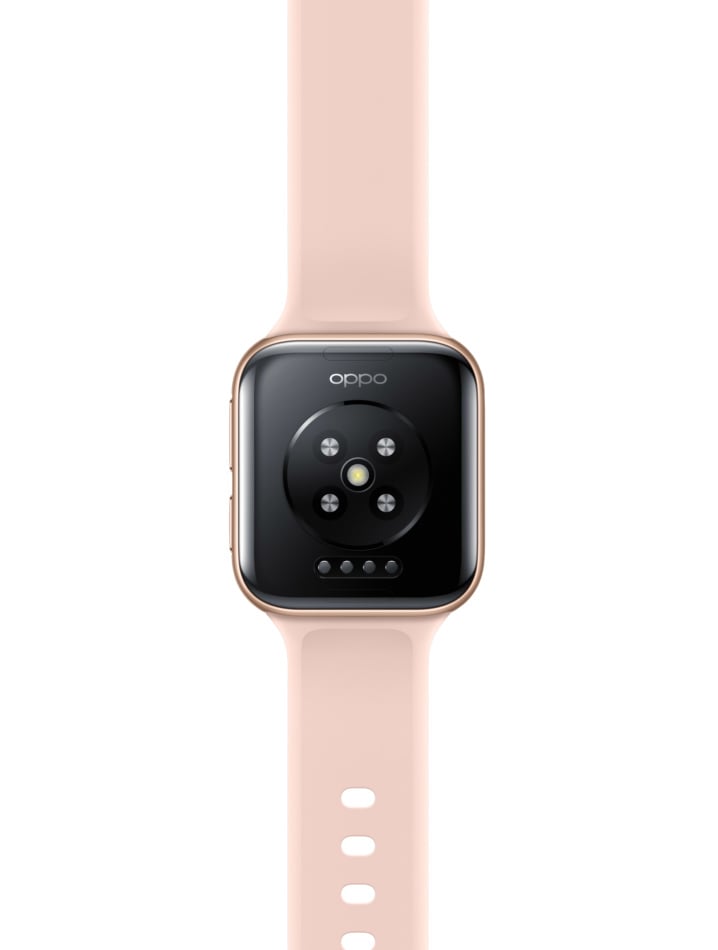
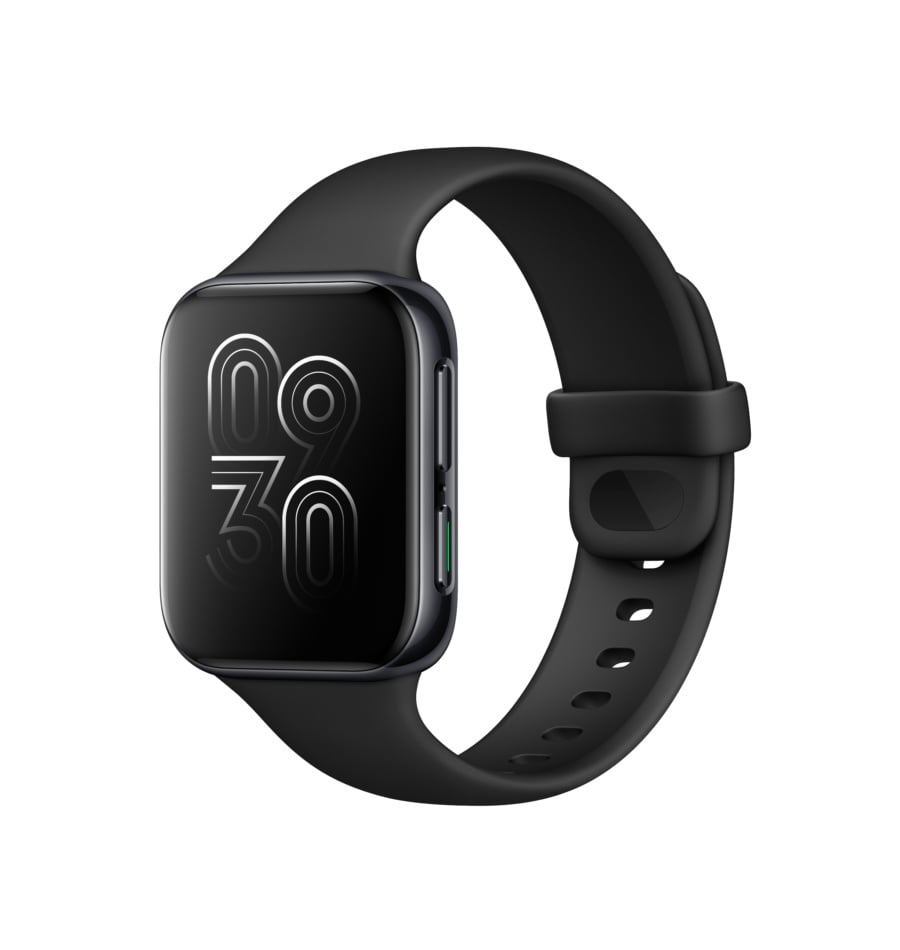
Both sizes boast features such as sleep tracking, as well as a five-minute workout feature that includes voice coaching. There is also an app to create a watchface to match your outfit, which may be an interesting addition to some.
The 41mm OPPO Watch costs £229 (~$299) and will be on sale from September 3rd in Black, Pink Gold, and Mist Silver whereas the 46mm OPPO Watch goes on sale during October for £369 (~$480) in Black or Gold. For the moment, there are no plans to release the OPPO Watch in the US.
Auzai portable monitor review: A simple, affordable choice for extra screens
Mpow M30 Plus review: big sound, small trade-offs
The Universal Clckr Grip review: A tale of two hands

