




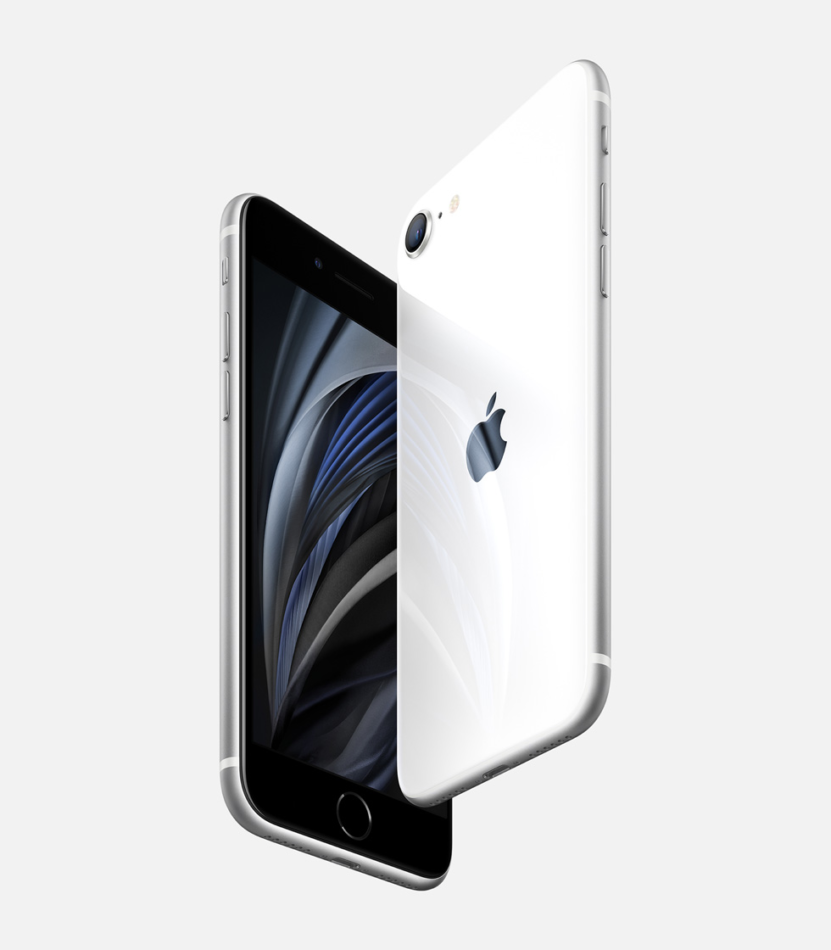
Apple recently announced their refreshed iPhone SE. It's basically a modernized iPhone 8; you're getting the same design and screen size, but with the improved A13 Bionic CPU that you currently get in the iPhone 11 and 11 Pro series.
It's also $399. That's an incredibly deal for the best mobile processor on the market backed with Apple's software support and camera tech, The internet's been abuzz about how dangerous this new iPhone is to the Android market, especially on the heels of the most expensive OnePlus phones to date.
But is it really the threat to Android that we think it is?
iPhone SE vs the Android market
I'm not arguing that the iPhone SE isn't a phenomenal value in the US. At $399 its nearest competitors currently are the Pixel 3a (likely to be replaced by the Pixel 4a very soon) and a slew of decidedly mid-range phones. While you can argue that the Pixel line has a competitive camera experience, the iPhone SE slaughters everything in performance by a mile. It's faster than phones literally two and three times more expensive.
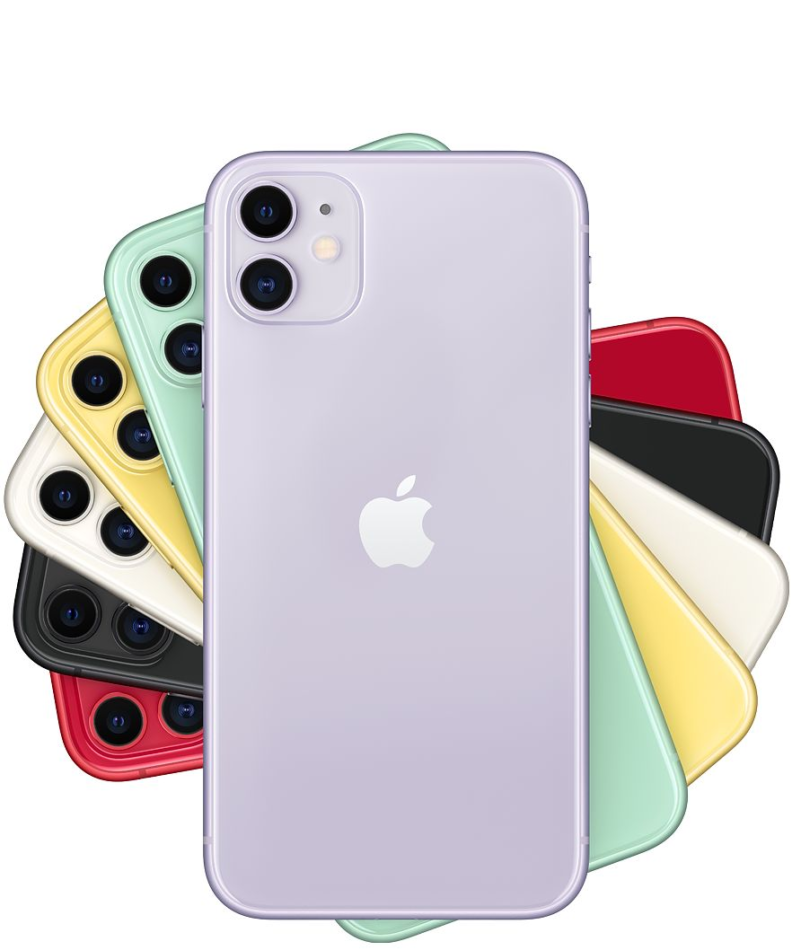
But here's the thing; this phone is most competitive in the US market, and Apple already has a pretty commanding lead in the United States anyway. The iPhone XR was an incredibly hot-selling phone for the first year it was out, and so far it looks like the iPhone 11/XR combo Apple currently offers is here to dominate for another long stretch of time.
But up until this announcement, the cheapest phone Apple sold was the similar iPhone 8 for around $499. Sure, the iPhone SE is a significant improvement, but it's only $100 cheaper. Apple's already been competing in this segment indirectly for a while now, and price reigns supreme when we're talking about this market.
iPhone SE: the real price
Let's go a step further. Apple will likely improve their market share in the US, but it's not like Apple struggles here, anyway. Where this matters is around the globe where Android maintains a much stronger market share, dwarfing the amount of iPhones sold every year.
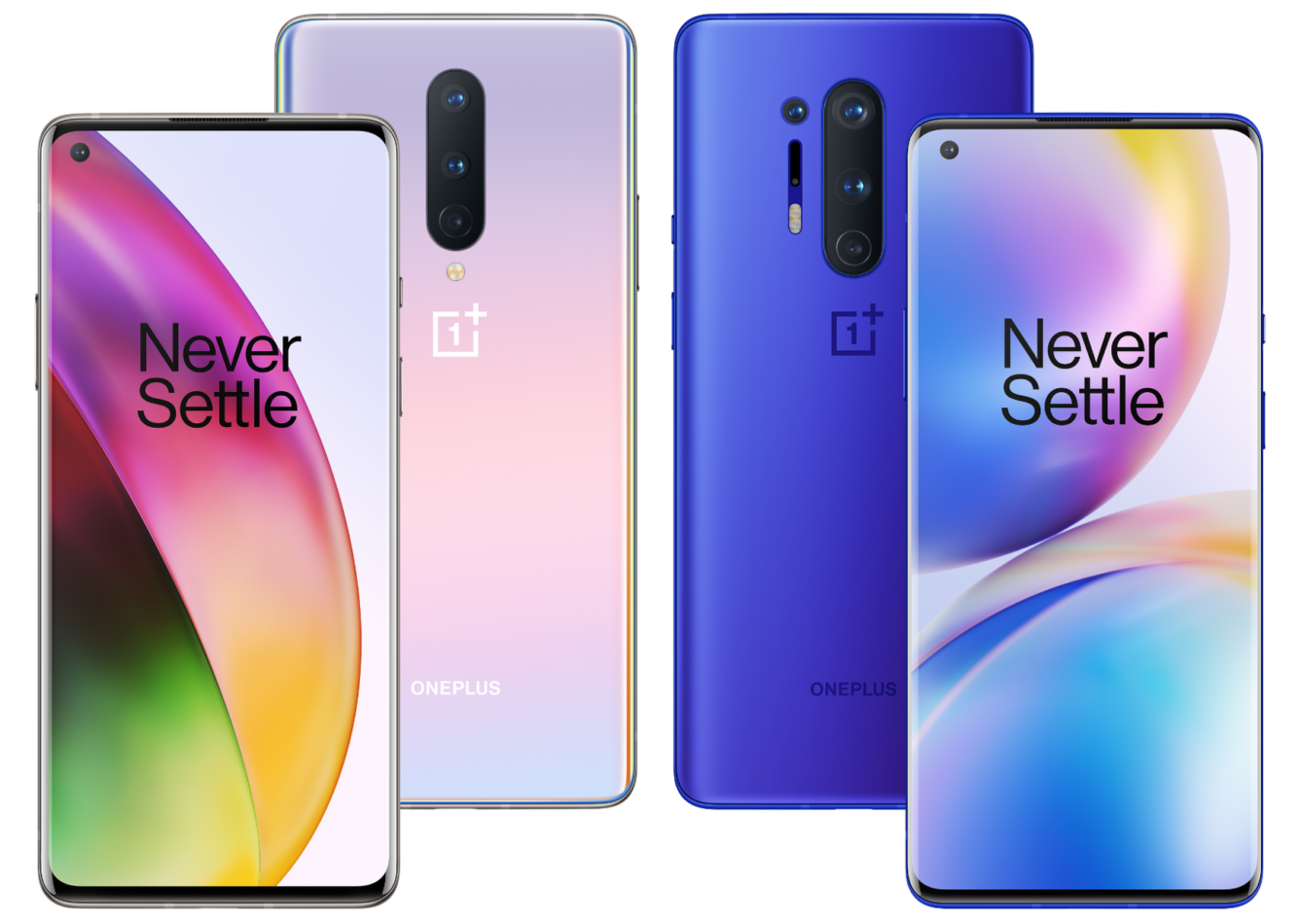
Look at the Indian market, which most companies consider one of if not the most important growing markets right now. The OnePlus 8 was recently announced to begin its pricing at Rs 41,999, which is around $550. The iPhone SE? It's priced at the equivalent of $560. Despite seriously undercutting OnePlus in the US, but it's pretty evenly matched elsewhere in the world. In India, specifically, it's because Apple doesn't manufacture the device in India, so they pay a pretty hefty tax on importing it. It's worth noting that the iPhone 8 was manufactured in India to avoid these taxes.
How about in the UK, where the iPhone SE costs £419? That's about… $520 in equivalent currency. Noticing a trend? A Galaxy S10e is only £499, which isn't quite the same major threat of a price difference as it is in the US, especially for people that aren't already locked into the
Apple's biggest weakness globally is being able to compete at the lower end of the market. The iPhone SE does give them a cheaper model, but it's strength lies in the US market. It's still a good deal around the globe, but it's a much more fuzzy value proposition; there are tons of really cheap phones already (think Samsung's A series, tons of stuff from Redmi or Xiaomi) and in the midrange don't be surprised to see more people stick with what they're familiar with. Bigger screens, more cameras, and 5G connectivity are bound to be selling points, too, and the iPhone SE just can't compete there.
- OnePlus 8 Pro unboxing video
- Apple and Google team up for COVID-19 tracking
- Apple dominates the US smartphone market among teens
