




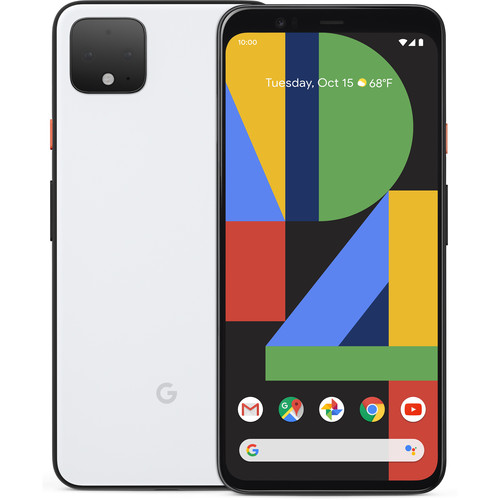
One of the selling points of the new Pixel 4 models is the screen's 90Hz refresh rate, which provides a faster, smoother experience. Gaming, in particular, really benefits. It's not an “always on” feature, however, and drops to 60Hz often to preserve battery life. Screen brightness plays a role and it's been shown that the screen will default to 60Hz when brightness falls below 77%. Google has addressed this complaint in the November security patch and update, but things aren't perfect.
It's always been possible to enable an “always on” 90Hz refresh rate within Developer Options, but it takes a real toll on battery life. Ideally, the phones should simply toggle between 60Hz and 90Hz when the conditions call for it, but that hasn't been the case since launch. Following the November update, both phones now stick to 90Hz more, but behave differently. For example, the Pixel 4 will jump to 90Hz when brightness is above 42%, but the Pixel 4 XL no longer has a brightness requirement. This is most likely due to its larger battery. These are welcomed changes and allow the new phones to utilize 90Hz more frequently as promised.
"Only on the Pixel 4 XL when it's running at 90Hz and you turn off and on the display, it applies the wrong gamma table and the display looks ridiculously contrasty and very magenta-shifted." – Dylan Raga
— Mishaal Rahman (@MishaalRahman) November 5, 2019
Left: 60Hz / Right: 90Hz
Anyone else see this? pic.twitter.com/4de1HNf8A8
There's an unfortunate bug, however, with the Pixel 4 XL. A previously seen display gamma bug is now much more frequent and pronounced. When the display is turned off and back on, the wrong gamma table is applied and the display looks very contrasty with a high magenta hue. Hopefully this will be ironed out with a bug fix.
source: XDA-Developers
