




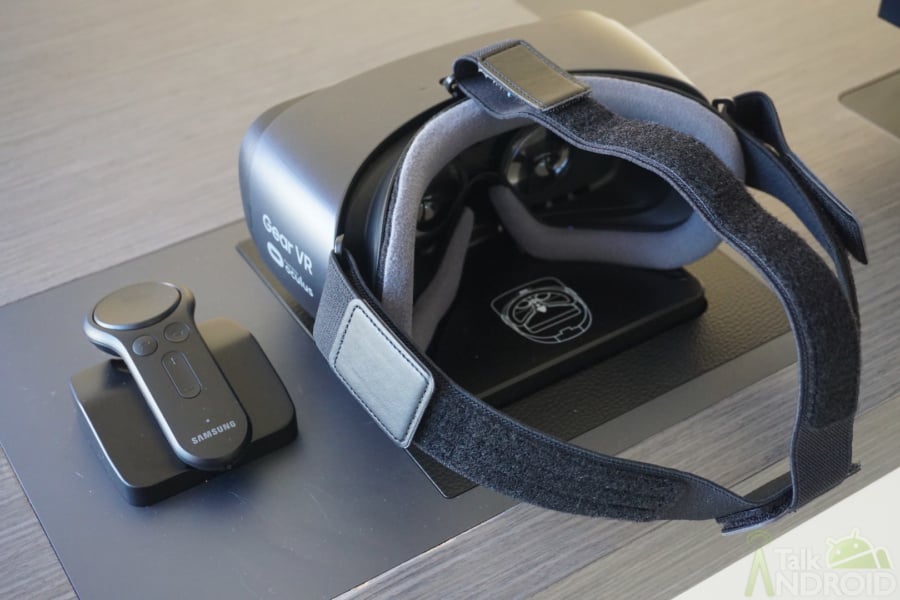
According to Korea Economy, Samsung has commissioned their Samsung Display business unit to develop a super-high resolution OLED display to be used in the next generation Gear VR. Reports indicate that device will be a standalone virtual reality headset as opposed to Samsung's current method of having users insert their smartphone in a headset. The resolution for the new OLED screen is targeted at an eye-popping 2,000 pixels per inch.
As a comparison, the current Oculus Rift device screen comes with a pixel density of 460 ppi and Samsung's newest phones, the Galaxy S8 and Galaxy S8+, have screens running at 570 ppi and 529 ppi respectively. If Samsung Display can achieve a 2,000 ppi resolution, that will be a huge step in advancing the state of OLED screens. Along with the improved resolution, the new OLED display is expected to be significantly more responsive than LCD units currently on the market with some sources pegging the improvement at 1,000 times the current state.
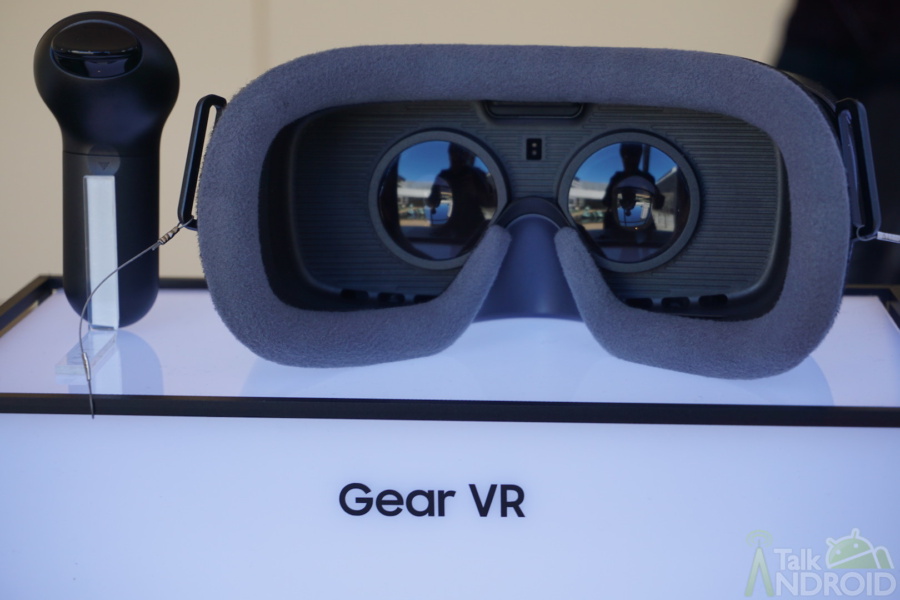
If you are wondering why Samsung is hoping to achieve such a huge improvement in resolution, it has to do with their attempts to address nausea symptoms that VR users may experience. Sources say the key to eliminating dizziness and related nausea when using a VR device is to increase the resolution, getting the view to be closer to what the eye sees in reality.
The source did not have any information regarding a target date for release of the next generation Gear VR. Some sources are guessing it would be in conjunction with next year's release of the next Galaxy S smartphones.
source: Korea Economy
via: SamMobile

