




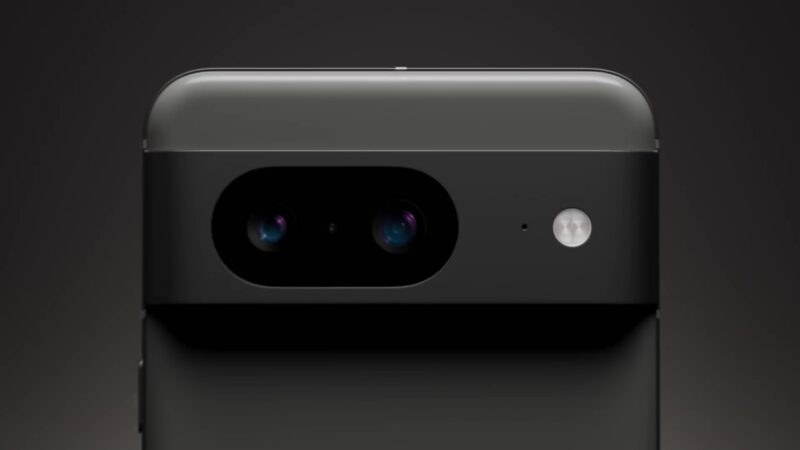
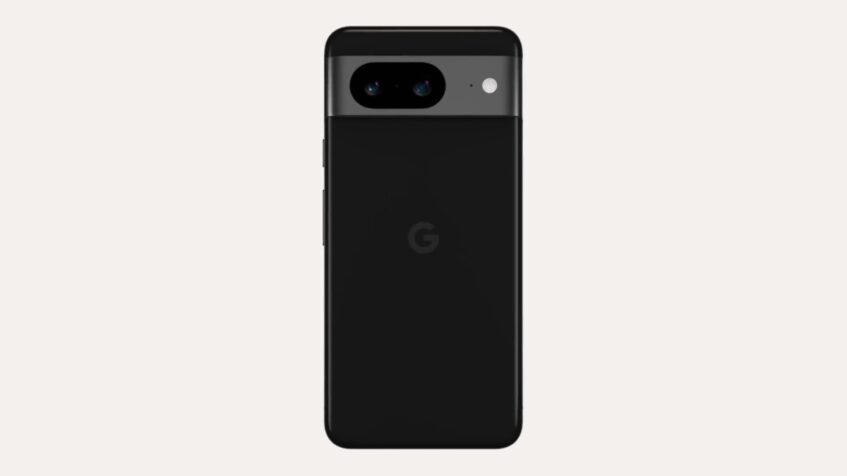
Sorry Pixel 8 folks, seems that Google has confirmed that the latest base model will not be receiving the company's much-anticipated Gemini Nano on-device artificial intelligence capabilities. The reason? “Hardware limitations,” according to Google Developer Terence Zhang, in a response to one of the queries during The Android Show’s latest interview uploads.
Gemini Nano Skips Pixel 8
To recap, Gemini Nano is Google's lightweight and mobile-optimized large language model AI that is designed to run locally on smartphones and other low-powered devices. Its compact size and on-device nature allow it to power AI experiences while preserving privacy by keeping user data on the device instead of uploading it to the cloud.
However, it seems the regular Pixel 8's hardware just isn't up to the task of running Gemini Nano smoothly, at least according to the very brief claim. Zhang did not specify the exact limitations. But if we were to infer, the difference in RAM between the base and Pro version might be related; 8GB versus 12GB respectively. Other than that, performance-related specs are mostly the same, down to their SoC (Google Tensor G3).
Don’t Cross Your Fingers
So what AI smarts will the Pixel 8 Pro get that the base model misses out on? For starters, Gemini Nano powers the Recorder app's new “Summarize” capability that provides condensed transcripts of recordings. It also enables on-device smart replies in messaging apps like WhatsApp using Gboard.
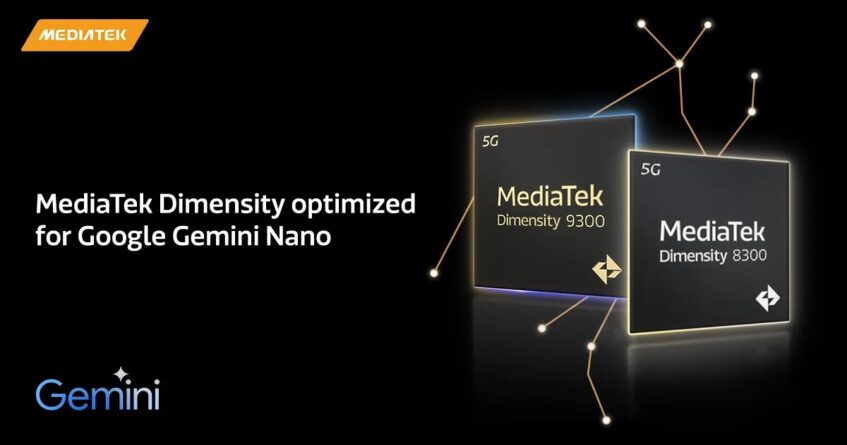
The inability to get Gemini Nano is a disappointment for Pixel 8 owners eager for the latest AI capabilities. However, a statement at least clarified that Google is “working to bring Nano to more devices” in the near future. Indeed, recent chipset updates have added Gemini Nano support to processors like MediaTek's Dimensity 8300 and 9300 which power phones from brands like OPPO, Vivo and Tecno.
Hardware Limitation, or Artificial Restriction?
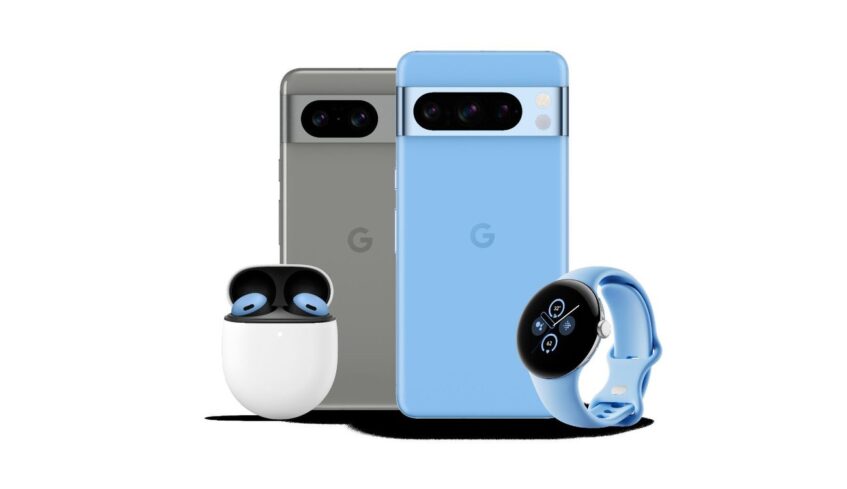
Based on the performance of previously released 8GB RAM flagships for the last few years, it is reasonable to doubt the claim. The Pixel 8 likely has enough RAM to technically run Gemini Nano's lightweight model for at least some features. If not for the typical suspected culprit of artificial restriction, Google may have decided the performance impact on the overall user experience was not worth it on the lower-tier device (for now).
Even excluding that discussion, however, the bigger question implicated by this development, is whether Gemini Nano would ultimately be limited only to the latest and highest-end phones going forward. That would be a missed opportunity, as people have been expecting mobile AI features to trickle down product tiers as they get adopted further.
It’s Not Over Yet

If the Pixel 8 and previous generation Pixels are deemed unable to handle Gemini Nano's load, we think Google should still aim to provide cloud-powered AI assistance as a limited option. The technology is clearly there, it's just a matter of implementing it in a privacy-respectful way for those willing to make the tradeoff between AI smarts, data sharing, and hardware performance.
While advanced AI experiences for Pixel devices may remain a Pro exclusive for the time being, Google should keep democratizing revolutionary technologies (as they did so many years ago) so more users can benefit from intelligent assistance without having to buy the highest-tier device or sacrifice privacy.
Gemini Nano may be “small”, but AI is a giant part of the future that no one should be left behind from.


