





Booyah! What you see above is the possible future for our beloved smartphones and tablets – for all technology with screens for that matter!
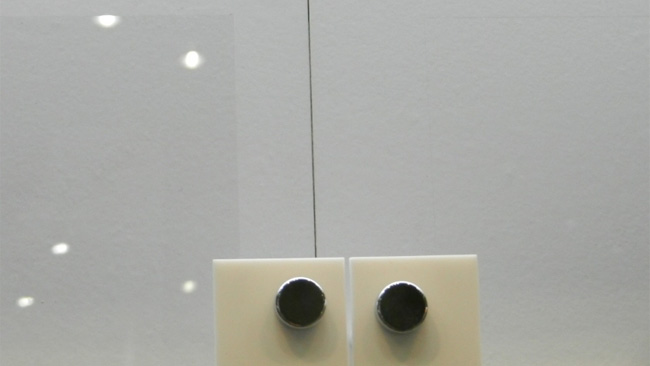
What you are looking at is two variations of glass, the left being untreated and glare ridden, while the right, treated and virtually glare free. This new technology called “invisible glass” was developed by Nippon Electric Glass and hopefully device manufacturers team up with these geniuses sometime in the near future.
Studies show that regular glass reflects 8 percent of all light while the remaining 92 percent passes directly through it. This new “invisible glass” creates a huge difference and only reflects 0.5 percent of light, rendering the surface virtually glare-free. The glass is constructed with over 30 layers of special film on each side, each layer measured in mere nanometers.
Nippon has yet to announce commercial availability for this product, but if they did release it for consumer use it would definitely change the technology game for the better. We could eventually see the glare-free glass used in desktops, laptops, televisions, tablets, smartphones, and digital cameras only to name a few. Devices that would see the greatest improvement would be those with larger pieces of glass covering the screen, like televisions for example.
Even without any confirmation for future use, it's nice to know where things are heading. Corning, maker of “Gorilla Glass”, also designed a new product called “Lotus Glass” that aims to better protect devices with hi-res displays. You can check out our full article here.

![[Video] Samsung Shows off Galaxy Y Pro in New Commercial 6](https://www.talkandroid.com/wp-content/uploads/2011/10/galaxy-y-pro-380x250.jpg)
I agree with Howard. This new innovation will not alone help the tablet/smartphone industry but also other aspects as well. Just make sure to put a sign “Invisible Glass Ahead.” :p
This is a huge step forward with applications in MANY areas. Museum displays, retail store windows, zoos, cars, safety glass, and many other areas can benefit greatly from reducing glare to virtually nothing.
In electronics, secondary benefits can include increased perceived contrast/brightness and the subsequent reduction of energy (or increased battery life) due to less need to pump up the backlight in order to achieve readability in stronger light.