

Apple has opened a US research study that lets up to 200,000 iPhone owners ask a medical AI chatbot their everyday health questions. Apple wants to learn how people actually use these tools before it builds its own. Google already sells this kind of AI health coach to Android and Fitbit users, so the study shows how differently the two companies are approaching it.
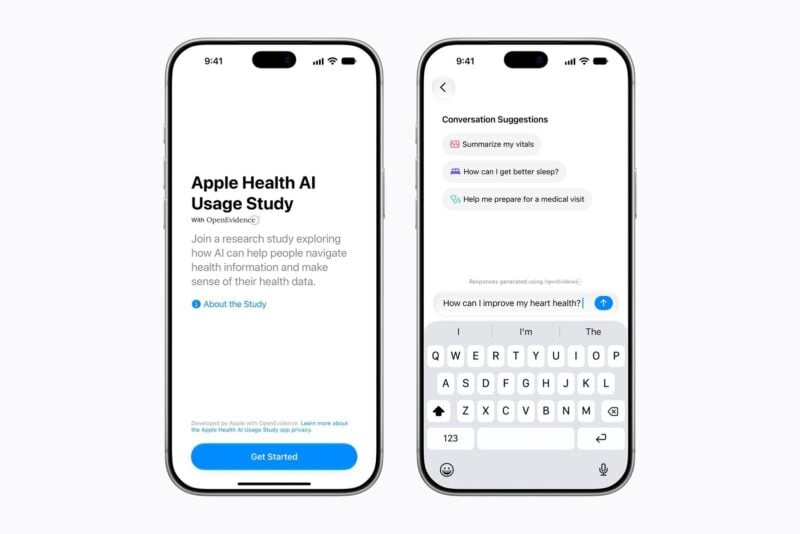
Apple announced the Apple Health AI Usage Study on November 15, 2026. It's a virtual study with its own app, run with OpenEvidence, a clinical AI platform. Apple says it will look at what makes people trust a health chatbot, how good its answers are, how well people understand them and whether they lead to everyday health actions.
Apple says the results are meant to shape the responsible design of health AI experiences, both its own and those of the wider industry.
What participants can do in the study app
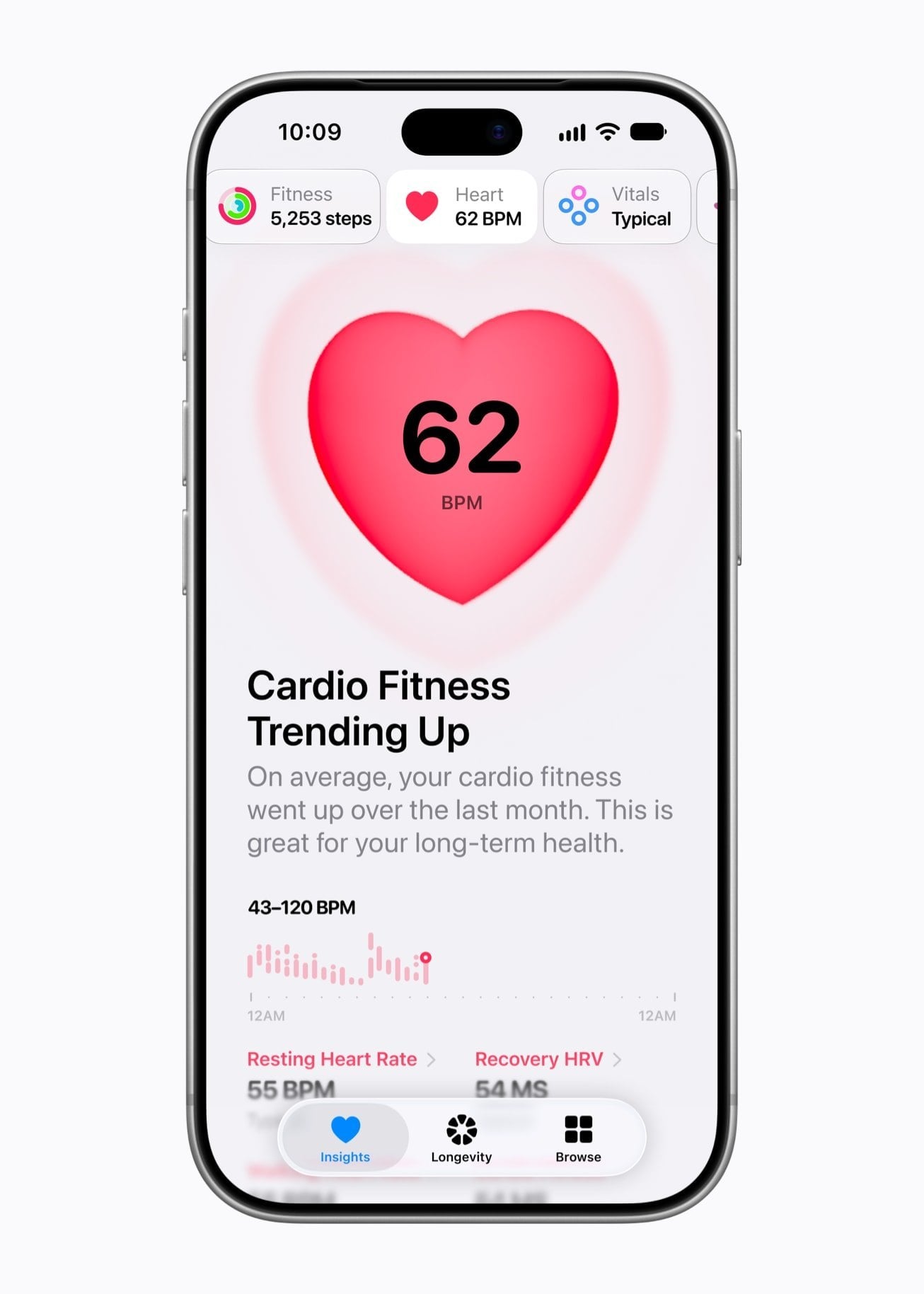
OpenEvidence provides the AI, and Apple designed the research app around it. OpenEvidence is already widely used by healthcare professionals. Its answers draw on medical information from sources such as The New England Journal of Medicine, the Journal of the American Medical Association and Nature.
Inside the app, participants can:
- Ask everyday health questions
- Get complex medical information explained in plain language
- See linked, peer-reviewed clinical citations behind each answer
- Choose to share HealthKit data such as resting heart rate, activity, sleep or lab results, to see whether personal data makes answers more relevant and easier to understand
- Use the AI to prepare for appointments with their own doctors
Apple openly admits the main risk. It says consumer health tools powered by large language models can sometimes give incomplete or unclear answers, and that this is why it's doing the research first.
“Health is deeply personal, and conducting a dedicated research study is the most thoughtful way to understand how people engage with, comprehend, and evaluate health AI in everyday life,” said Sumbul Desai, M.D., Apple's vice president of Health and Fitness.
Privacy and safety guardrails
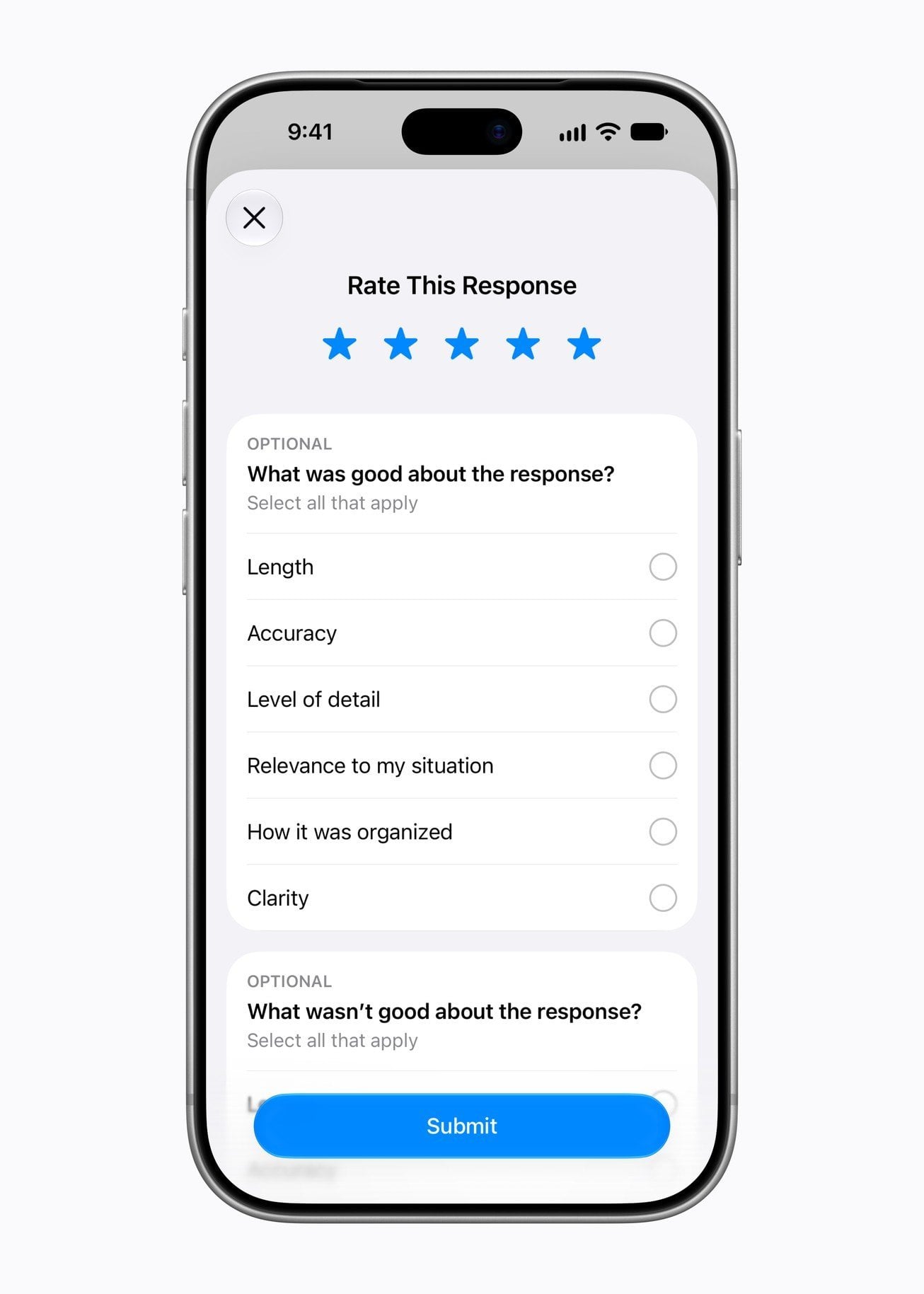
Apple says data from the study will not be used to train AI models. Participants decide whether to share any HealthKit metrics or survey answers, and Apple says it has security measures in place to protect the study data it keeps and to keep participants' information confidential.
The app is also built to spot certain concerning questions and suggest that the participant contact a healthcare provider or other resources. Apple stresses that the app isn't meant to diagnose or treat any condition, or to replace advice from medical professionals.
Robert M. Wachter, M.D., professor and chair of the Department of Medicine at UCSF, backed the idea of patients and doctors using similar tools. “Patients and clinicians are both turning to AI, but the tools they use are being built and tested in separate worlds,” he said.
Who can join
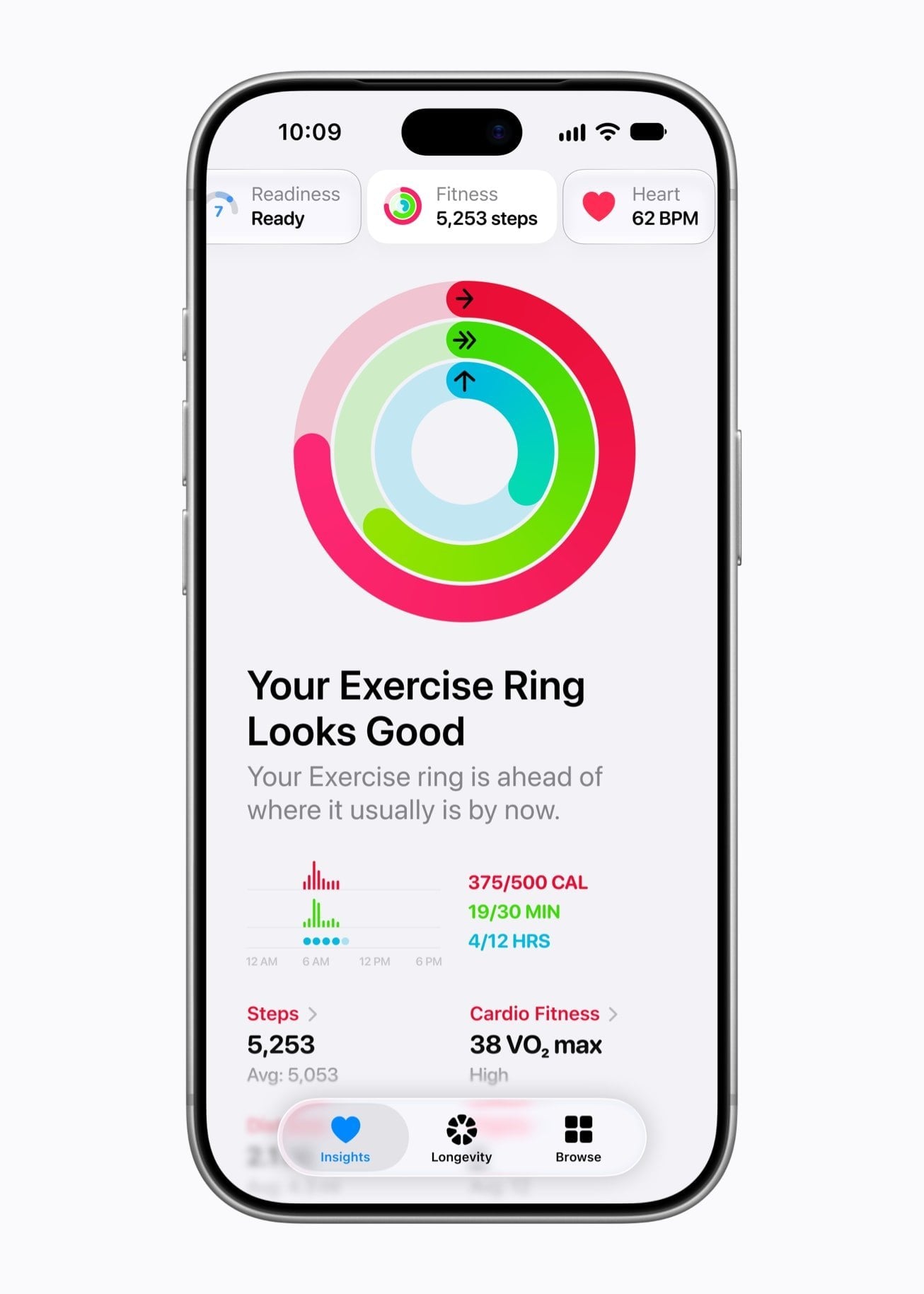
As of November 16, 2026, the study is open to up to 200,000 eligible participants aged 21 and older in the United States. You need an iPhone that supports Apple Intelligence, which means an iPhone 15 Pro or later, running iOS 26 or later. Interested users can download the study app, read about the study and decide whether to enroll.
Apple hasn't announced an Android version, and the requirements tie the study to Apple's newer phones. Apple also hasn't said how long the study will run or when it will publish results.
How it compares with Google's Health Coach
Google is further along with a consumer product. Its Gemini-powered coach started as a Fitbit public preview last October. According to Google's May announcement, it became generally available on May 19 as Google Health Coach, part of Google Health Premium (formerly Fitbit Premium). Premium costs $9.99 per month or $99 per year, and it comes included with the Google AI Pro and Ultra plans.
The Fitbit app has also become the Google Health app. It pulls data from wearables, Health Connect, Apple Health and medical records into one place. Google pitches its coach as a fitness trainer, sleep coach and wellness advisor in one. It also says more people are using the Gemini app to ask health questions and prepare for doctor appointments.
Apple is taking a slower, research-first route with a large opt-in study. Its focus on trust, citations and preparing for doctor visits suggests a more clinical product than a fitness coach, if Apple ships one at all. The company hasn't said whether the study will lead to a feature in the Health app.
Enrollment is open now in the US. The next things to watch are how quickly Apple fills its 200,000 spots, when it shares findings, and whether an Apple health assistant built on this work ends up competing directly with Google Health Coach.